
Acting
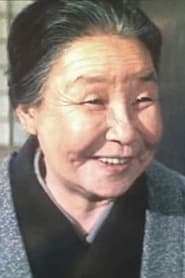
Chōko Iida
Born — Died
1897-04-15 — 1972-12-26
Place of birth
Asakusa, Taito, Tokyo, Japan
Known for
Acting
Credits
61 titles
Chôko Iida (飯田 蝶子, 15 April 1897 - 26 December 1972) was a Japanese actress. Her real name was Shigehara Tefu. She played working class women and grandmothers, and appeared in more than 300 films. Her husband was cameraman Shigehara Hideo. Description above from the Wikipedia article lida Chōko, licensed under CC-BY-SA, full list of contributors on Wikipedia.
Known for
 7.6
A bad day gets worse for young detective Murakami when a pickpocket steals his gun on a hot, crowded bus. Desperate to right the wrong, he goes undercover, scavenging Tokyo’s sweltering streets for the stray dog whose desperation has led him to a life of crime. With each step, cop and criminal’s lives become more intertwined and the investigation becomes an examination of Murakami’s own dark side.
Stray Dog
1949
 7.6
In postwar Tokyo, a blunt, alcohol-soaked doctor diagnoses a swaggering young yakuza with tuberculosis, forging an uneasy bond that’s tested when the gangster’s ruthless former boss returns and drags him back toward the swampy underworld he can’t escape.
Drunken Angel
1948
 NR
No synopsis available yet.
時間ですよ
1970
 7.2
A hard-hearted old woman in a bombed-out Tokyo neighborhood reluctantly takes in an abandoned boy, leading to a heartwarming bond between them.
Record of a Tenement Gentleman
1947
 7.5
Fumiko, mother of two and wife to an unfaithful man, shares her family life with her budding vocation as a poet. The beginning of her successful literary career coincides with her divorce and her breast cancer diagnosis. In her final stages, Fumiko meets a young journalist from Tokyo who wants to write a story on her experiences.
Forever a Woman
1955
 7.2
A poor rickshaw driver finds himself helping a young woman and her son after the woman's husband dies suddenly.
The Rickshaw Man
1958
Film credits
1970s · 1 titles
1960s · 10 titles
 7.2
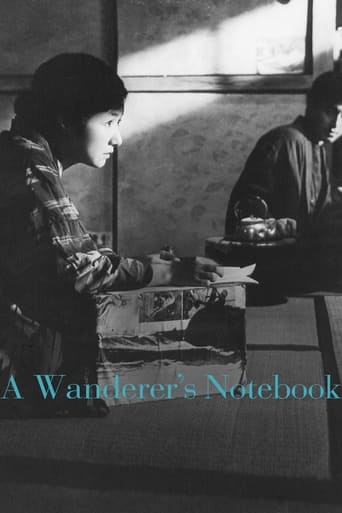
Based on the life and career of novelist Fumiko Hayashi, she bitterly struggles for literary recognition in the first half of the 20th-century – her affairs with feckless men, the jobs she took to survive (peddler, waitress, bar maid), and her arduous, often humiliating attempts to get published in a male-dominated culture.
A Wanderer's Notebook
1962
 7.1
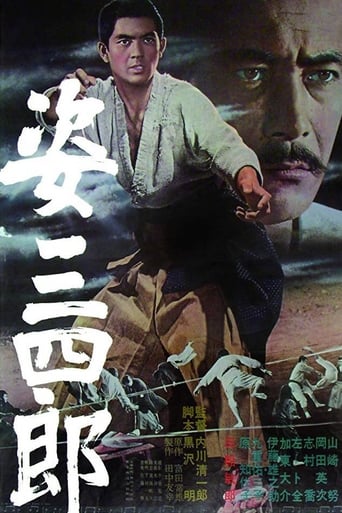
Remake of Akira Kurosawa's films "Sanshiro Sugata and "Sanshiro Sugata Part II". A young man, Sanshiro Sugata, troubled by personal problems, takes up judo. His teacher, Shogoro Yano, is a devout man who has aroused the enmity of the local practitioners of jujitsu, the older and more accepted of the two sports. Sugata uses his newly learned prowess to gain a measure of respect from others; however, Shogoro insists that the sport has a spiritual side, a lesson Sugata has yet to learn. Eventually, in hand-to-hand combat with the father of a young woman he loves, he comes to understand the true meaning of judo.
Sanshiro Sugata
1965
 7.0
Maruyama, a day laborer, is living on an abandoned ship at the port of Osaka when he meets an elusive man offering a job.
Japan's No. 1 Disconnected Man
1969
 10.0
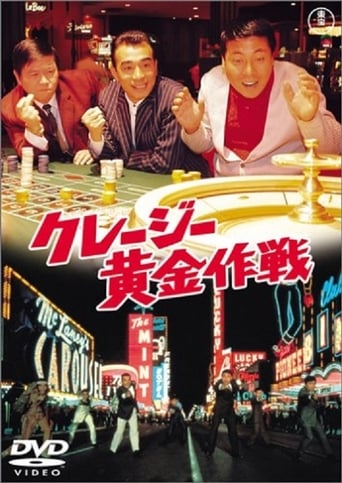
The Crazy Cats, a Japanese musical-comedy group, were showcased a series of comic adventures throughout the 1960s. Las Vegas Free-For-All, one of their most popular movies, featured scenes filmed on location in Las Vegas, Los Angeles, and Hawaii. Appearing with the seven Cats were the lovely Mie Hama and such Japanese musical artists as The Peanuts, The Johnnys, The Drifters, and Jackie Yoshikawa & the Blue Comets.
Las Vegas Free-For-All
1967
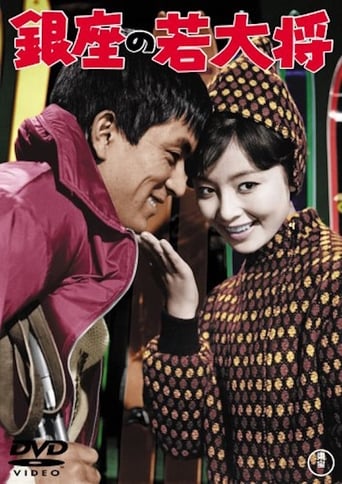 8.3
Young Yuichi (Kayama) romances Sumiko (Hoshi) while helping out at his family's restaurant, singing in a band, and preparing for an important boxing tournament.
Pride of the Campus
1962
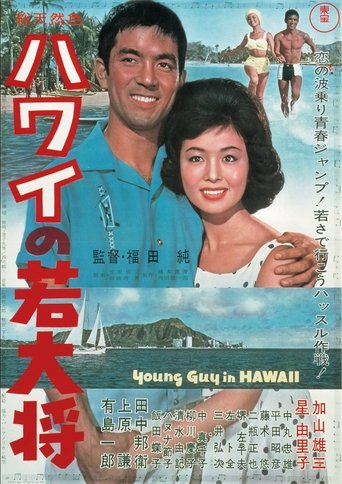 6.5
Fourth entry in Toho's Wakadaishō series directed by Jun Fukuda and released on a simultaneous screening with Matango. Filmed on location in Hawaii.
Young Guy in Hawaii
1963
 NR
A Ginza pickpocket, wanting to show his mother his filial piety, disguises himself as an office worker and takes her sightseeing in Tokyo, with the detective trying to arrest him posing as his Section Chief.
Ginza Jungle Girl
1961
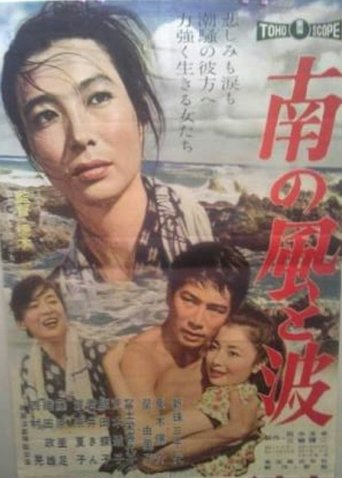 NR
A film by Shinobu Hashimoto.
The Wind and Waves
1961
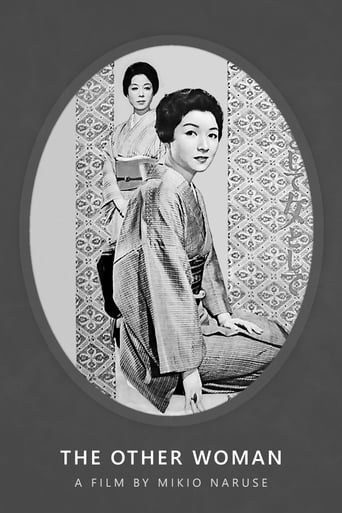 6.3
The real mother of the two children of a respectable university professor is not his wife, but his mistress, the hostess of a Ginza bar the family frequents.
The Other Woman
1961
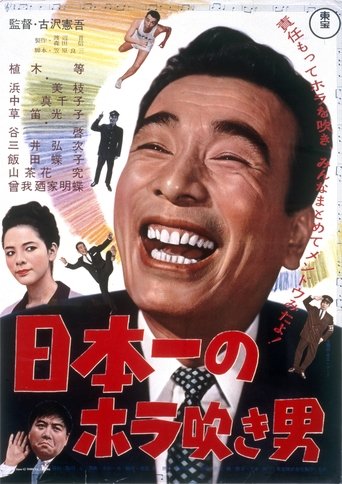 8.0
When hopeful Olympic triple-jump competitor injures both his Achilles tendons, he discovers an old manuscript about self-confidence to join the best company in Japan try to triple-jump his way to the top and marry the company model (Mie Hama) in the bargain. The second installment in the "Japan's No. 1" film series.
Japan's No. 1 Braggart
1964
1950s · 24 titles
7.5Fumiko, mother of two and wife to an unfaithful man, shares her family life with her budding vocation as a poet. The beginning of her successful literary career coincides with her divorce and her breast cancer diagnosis. In her final stages, Fumiko meets a young journalist from Tokyo who wants to write a story on her experiences.
Forever a Woman
1955
7.2A poor rickshaw driver finds himself helping a young woman and her son after the woman's husband dies suddenly.
The Rickshaw Man
1958
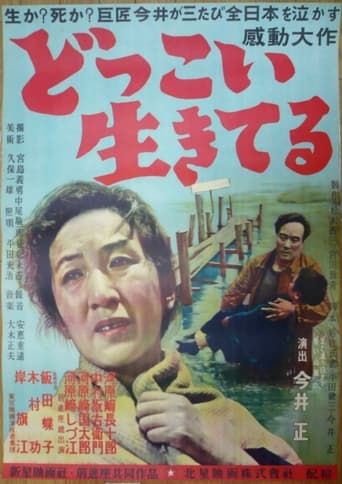 6.0
About the struggles of day labourers to achieve dignity and a standard of living above the starvation level. Utilising the Zenshinza theatrical troupe.
Still I Live On
1951
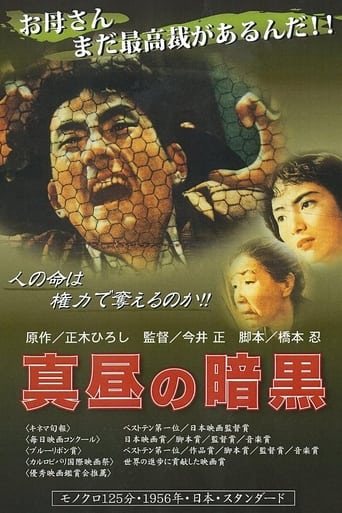 6.9
Police beat a murder confession out of four innocent men who are then sentenced to death. Based on a true story.
Darkness at Noon
1956
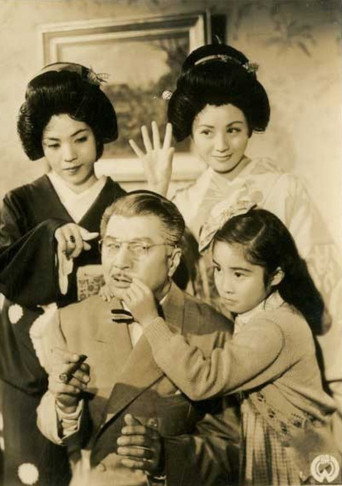 NR
No synopsis available yet.
Konna bidanshi mita kotonai
1954
 7.4
In a military family, an illegitimate son is brutalized by his brothers. A patriarchal, feudalistic household where dissent is forbidden is used to reveal the whole imperialist system that afflicted Japan between 1921 and 1946.
Stepbrothers
1957
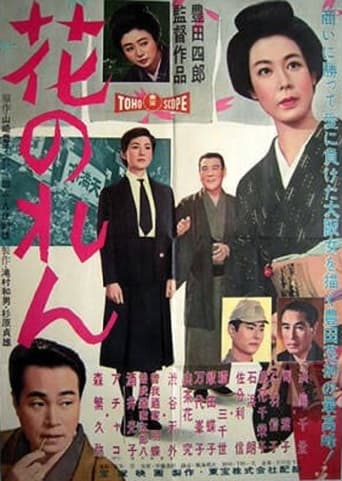 10.0
The movie depicts the strength and resilience of a woman who spent her entire life as a merchant in Semba, Osaka.
Flower Shop Curtain
1959
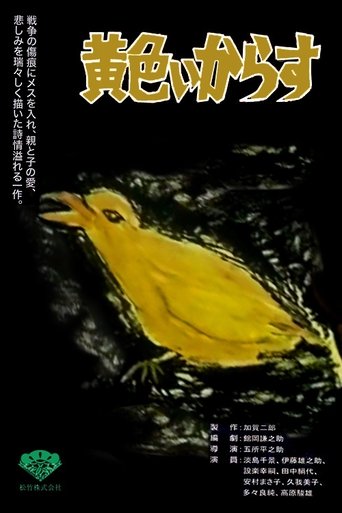 6.7
Ichiro Yoshida, the father of the boy Kiyoshi, who has been repatriated from China, returns home after a ten-year separation. The father, who has been estranged from his son for many years, pays no attention to the boy, often punishes him unfairly, and gives all his tenderness to his little daughter, who was born after his return. The boy sees all the injustice of his father and, offended, leaves home. The father realized that he was wrong, that he was guilty before his son. The mother finds the boy and brings him home. The father and the son become friends from that day on.
Yellow Crow
1957
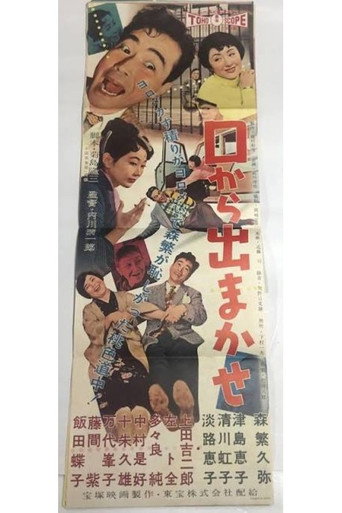 NR
Comedy about a car salesman delivering a late model station wagon from Tokyo to Izumo to a representative of the Japanese Diet, who plans to use the car in a bribe.
Fancy Talker
1958
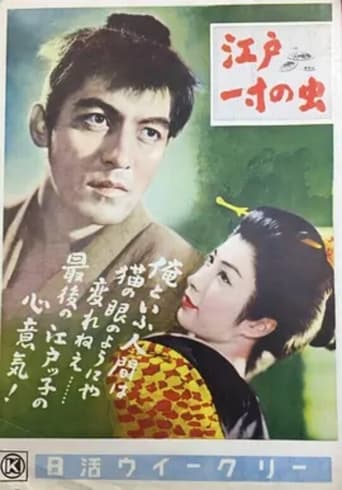 6.0
This historical film depicts the life of a man who was at the mercy of the waves during transition from the end of the Edo period to the Meiji Restoration, and therefore, shows audience the dynamic change from Edo to Meiji. Before the war, the director, Eisuke Takizawa, together with the writers, formed a scenario writer group "Narutaki-gumi and they shot many historical masterpieces.
The Samurai of Edo
1955
 6.7
A young woman, who must support her father as a middle-aged man's mistress, finds herself falling in love with a student closer to her age.
The Wild Geese
1953
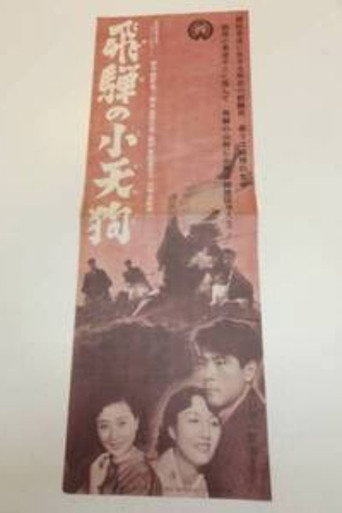 NR
A passionate young man who lives for judo, the innocent girl he adores, and a challenge to the judo boss… A major match where love and life are on the line.
Hida no ko tengu
1951
 7.7
A war widow with a young boy manages a farm with her bossy mother-in-law. When a reporter comes to interview her, the two begin an affair. He turns out to be married and won't leave his wife. Her older brother tries to marry off his children and hang on to/ extend his farm through an advantageous marriage in the face of threatened land confiscation and the desire of his children to get comfortable urban jobs instead of the backbreaking work in the paddy fields under parental control.
Summer Clouds
1958
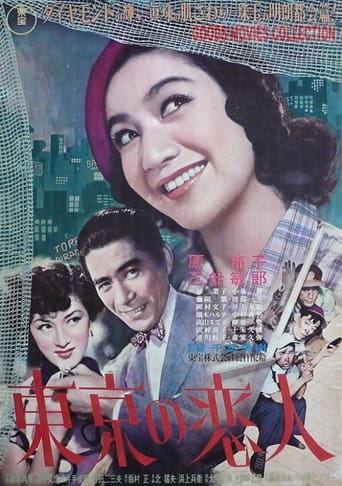 8.0
Following the Second World War, the lives of various people in a poverty-stricken area of Tokyo are entertwined. Pachinko parlor girls, shoeshine boys, a maker of costume jewelry, and a streetcorner artist all struggle to make their livings and to find happiness in difficult surroundings.
Tokyo Sweetheart
1952
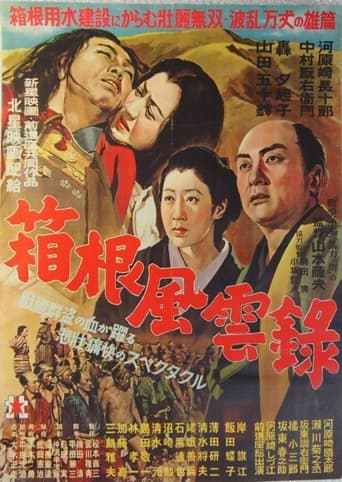 7.0
A period film about a peasant revolt in the region near Mount Fuji, occasioned by high officials' depriving the farmers of their water rights.
The Stand in Hakone
1952
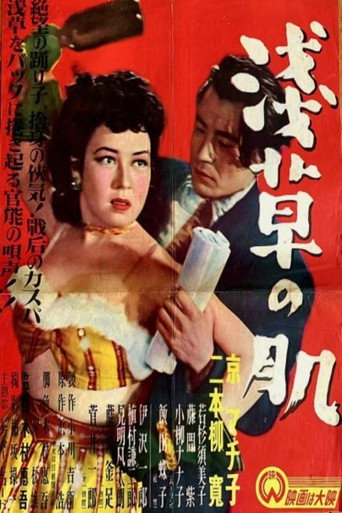 NR
No synopsis available yet.
Asakusa no hada
1950
 NR
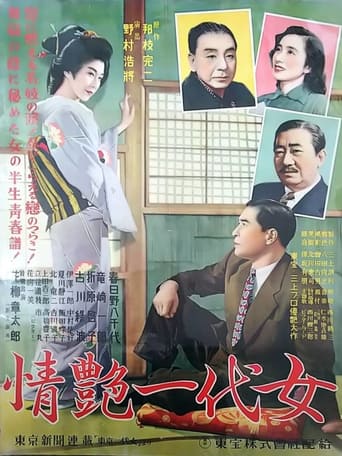
Based on the serialized story "東京一代女" which appeared in Tokyo Shinbun. A geisha known for her dancing begins training with the Onnagata Kikugoro VI as a dancer. She leaves her geisha life to pursue this new path, but falls in love with a naval officer who is the younger brother of Kikugoro and who saves her from a stalker monk. Kikugoro hears of this and becomes enraged. The naval officer dies in the Second Sino-Japanese War, causing the lead to go back home to her mother where she meets, and falls in love with, a poet who resembles her now-deceased fiancé. This poet leaves her in order to force her to dedicate her entire life to dancing, which he sees as her true pursuit.
情艶一代女
1951
 7.0
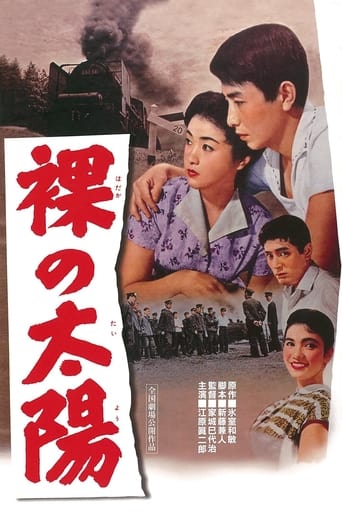
A young, struggling couple are making every sacrifice so they will one day in the not-too-distant-future, have enough money to get married. As they have agreed on this procedure, it comes as a shock to the young woman to find out from her husband-to-be that he just loaned all the money they had saved to a friend. She is understandably miffed, and a big disagreement results. But after some time goes by, she discovers why the friend needed the money so badly, and the couple are back on solid footing again.
The Naked Sun
1958
 7.0
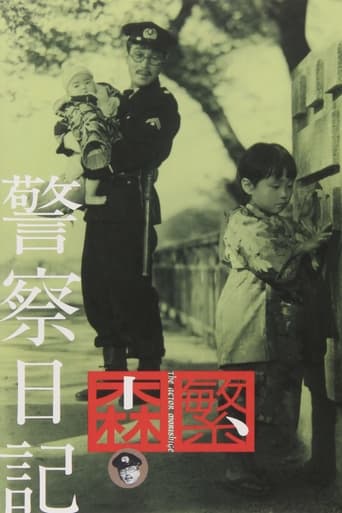
Lending money, job hunting for civilians and babysitting. All these things are usually not listed on a policeman's job description. But for the officers of this local police station, it‘s part of their daily routine. One day, patrolman Yoshii (Hisaya Morishige) finds an abandoned baby and a six year old girl standing in front of the station. When he's declined by the welfare office, orphanage and local health clinic to take them in, he decides to take care of them himself.
Policeman's Diary
1955
 6.9
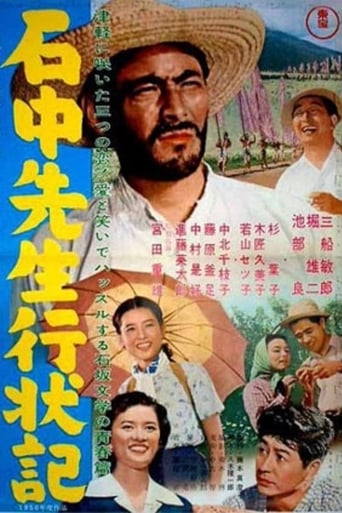
Three humorous love stories set in rural Japan.
Conduct Report on Professor Ishinaka
1950
 NR
Mariko is an innocent girl who grew up in the highlands of Shinshu. She moves to Tokyo to live with her father who has successfully returned to Japan. Mariko is simply confused by the life in Tokyo, which is different from her own. Only her private tutor Daisuke was an advisor she could tolerate. Mariko develops slight feelings for Daisuke and finally realizes that he is her first love...
Over That Hill
1951
Japanese drama film.
The Motherless
1955
 NR
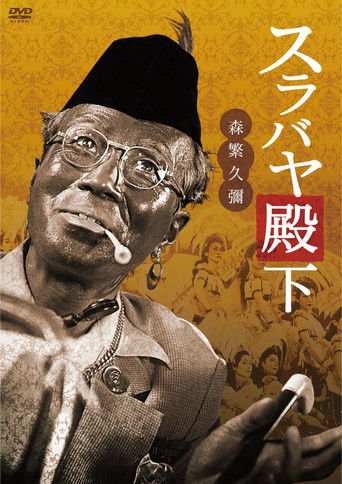
Hisaya Morishige is Kyutaro, a nuclear physicist and his twin brother, Eiji, a con man. Eiji finally hits on his most elaborate scheme yet, to pretend to be a king of a remote, undiscovered island, and becomes a media sensation.
His Highness Surabaya
1955
 9.0
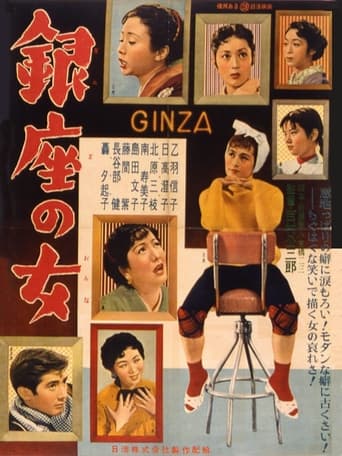
At Shizumoto, a geisha shop not far from Ginza, a group of geisha are going about their day, putting up a modest resistance to the tragedies of life. The proprietress, Ikuyo, is a ridiculously good-natured woman who gives money to a poor but brilliant young man, Eisaku Yanoguchi, to attend college on the condition that he will take care of her in the future.
Women of Ginza
1955
1940s · 10 titles
7.6A bad day gets worse for young detective Murakami when a pickpocket steals his gun on a hot, crowded bus. Desperate to right the wrong, he goes undercover, scavenging Tokyo’s sweltering streets for the stray dog whose desperation has led him to a life of crime. With each step, cop and criminal’s lives become more intertwined and the investigation becomes an examination of Murakami’s own dark side.
Stray Dog
1949
7.6In postwar Tokyo, a blunt, alcohol-soaked doctor diagnoses a swaggering young yakuza with tuberculosis, forging an uneasy bond that’s tested when the gangster’s ruthless former boss returns and drags him back toward the swampy underworld he can’t escape.
Drunken Angel
1948
7.2A hard-hearted old woman in a bombed-out Tokyo neighborhood reluctantly takes in an abandoned boy, leading to a heartwarming bond between them.
Record of a Tenement Gentleman
1947
 6.9
After the death of her husband, an elderly woman and her youngest, unmarried daughter are forced to sell their house to cover his debts and decide to move in with one of the former's children, each of whom is scarcely happy to accommodate.
Brothers and Sisters of the Toda Family
1941
 6.6
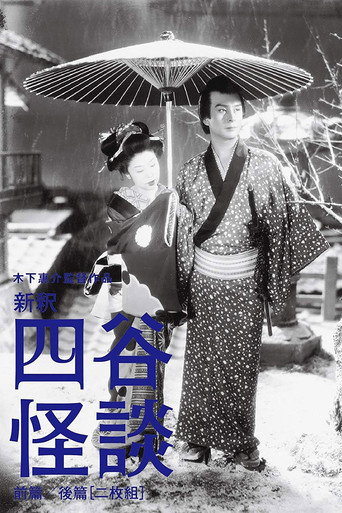
Part 2 starts where the first film ended, with Iemon disposing of the bodies of his wife and Kohei, marrying upward, and being blackmailed by the evil Naosuke.
Yotsuya Ghost Story Part 2
1949
6.6Iemon Tamiya is an impoverished masterless samurai who craves a better life, which he cannot have because of his marriage to Oiwa, who is completely devoted to her husband.
Yotsuya Ghost Story Part 1
1949
 NR
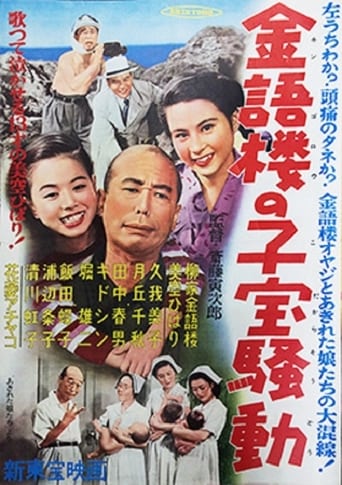
Japanese comedy film.
Akireta musumetachi
1949
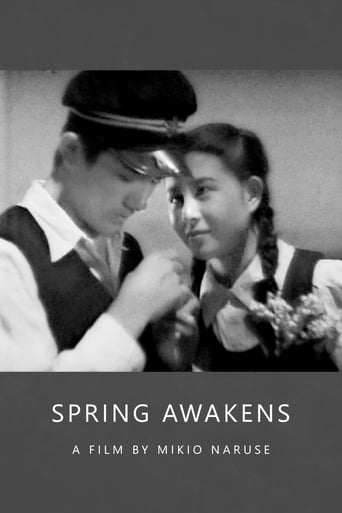 6.8
Slice of life film centered on a couple of years in the life of a rural high school girl.
Spring Awakens
1947
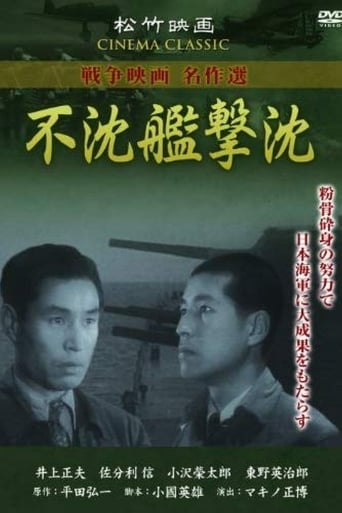 NR
Japanese Warmovie
Sinking the Unsinkable
1944
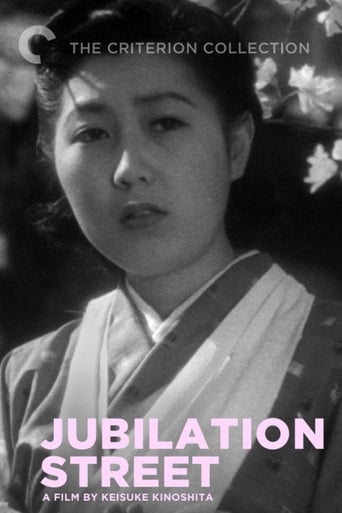 6.1
The few residents left on the streets in Tokyo share their individual stories and come to understand the melancholy of saying goodbye.
Jubilation Street
1944
1930s · 13 titles
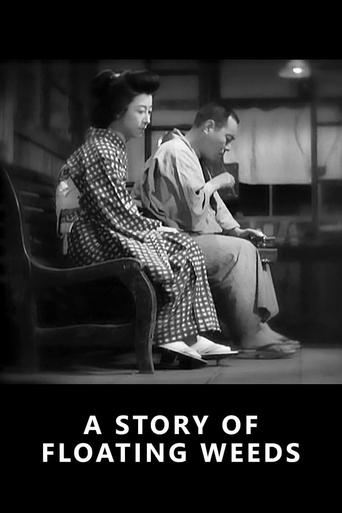 7.2
An aging actor returns to a small town with his troupe and reunites with his former lover and illegitimate son, a scenario that enrages his current mistress and results in heartbreak for all.
A Story of Floating Weeds
1934
 6.3
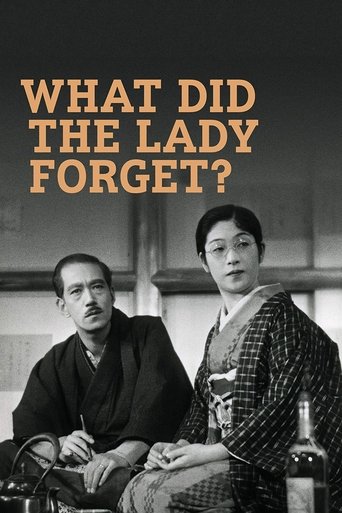
A professor, Komiya, and his bossy wife, Tokiko, are to look after Setsuko, their high-spirited niece from Osaka. Despite being a minor, Setsuko is a liberated woman who does whatever she wants, including smoking. She even convinces Koyima to take her to a geisha house. When she gets rather tipsy, the professor calls Okada, one of his students, to take her home. The wife becomes suspicious of Setsuko when she sees Okada bringing her home.
What Did the Lady Forget?
1937
 7.4
A rural widow sends her only son to Tokyo to receive a better education. Years later, she visits him and finds he has become a night school teacher struggling to support his wife and son.
The Only Son
1936
 7.0
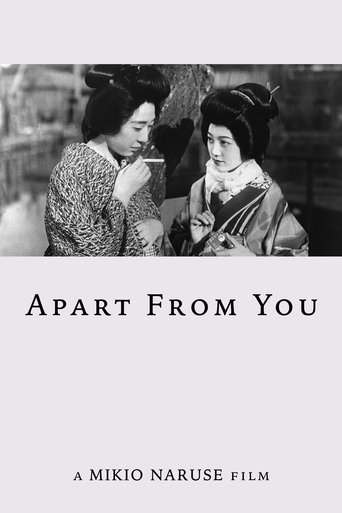
An aging geisha, whose angry teenage son is ashamed of her profession, works alongside a young geisha, resentful of her family for forcing her into a life of shame.
Apart from You
1933
 6.6
In Depression-era Tokyo, a struggling middle-aged single father with a young son comes across a homeless young lady and convinces a bar owner to take her in.
Passing Fancy
1933
 6.8
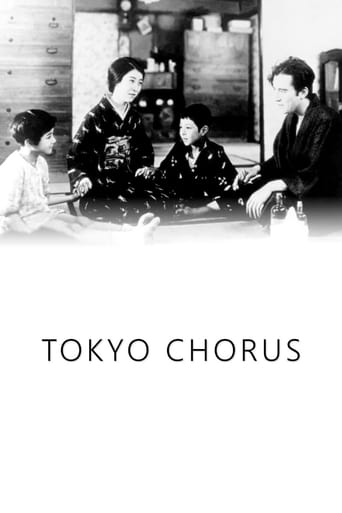
During the Depression, a young man struggles to provide for his family after he is sacked for defending an older colleague.
Tokyo Chorus
1931
 7.3
In Depression-era Tokyo, the life of a single mother and her young son are disrupted by the return of her ex-husband, who fathered the child and walked out on her years earlier.
Every-Night Dreams
1933
 5.8
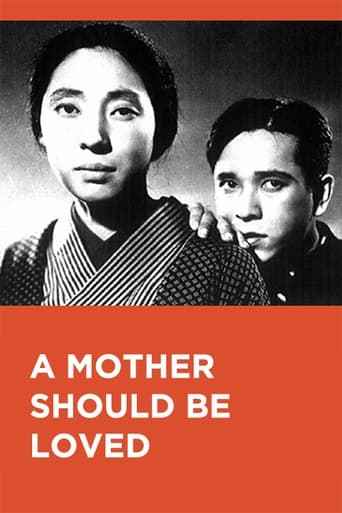
A young man discovers that the woman who raised him is his stepmother. His stepbrother, who is unaware of the revelation, resents his mother for always punishing him more severely than his stepsibling.
A Mother Should Be Loved
1934
 NR
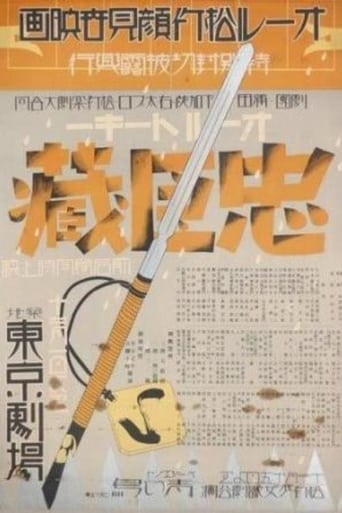
This 1932 adaptation is the earliest sound version of the ever-popular and much-filmed Chushingura story of the loyal 47 retainers who avenged their feudal lord after he was obliged to commit hara-kiri due to the machinations of a villainous courtier. As the first sound version of the classic narrative, the film was something of an event, and employed a stellar cast, who give a roster of memorable performances. Director Teinosuke Kinugasa was primarily a specialist in jidai-geki (period films), such as the internationally celebrated Gate of Hell (Jigokumon, 1953), and although he is now most famous as the maker of the avant-garde silent films A Page of Madness (Kurutta ichipeji, 1926) and Crossroads (Jujiro, 1928), Chushingura is in fact more typical of his output than those experimental works. The film ranked third in that year’s Kinema Junpo critics’ poll, and Joseph Anderson and Donald Richie noted that 'not only the sound but the quick cutting was admired by many critics.
The Loyal 47 Ronin
1932
 8.0
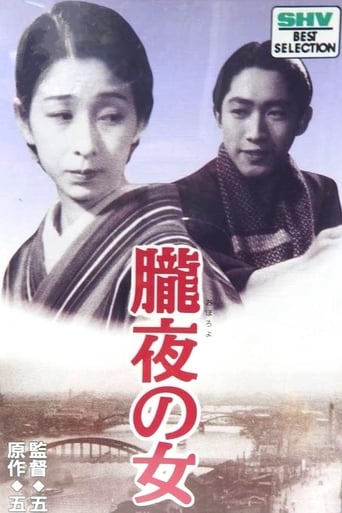
Otoku asks her brother Bunkichi to speak with her son Seiichi, a young man for whom sacrificed everything but who now seems to be headed for a wastrel life. Bunkichi admonishes the boy to study harder, but it seems his uncle's advice may already be too late.
Woman in the Mist
1936
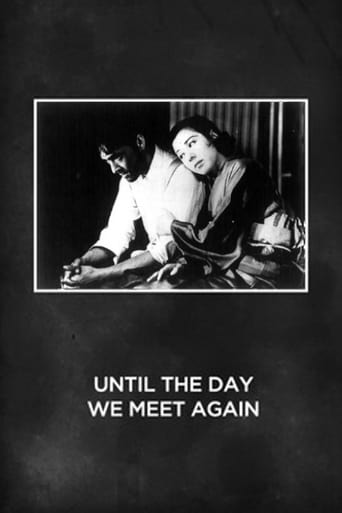 8.0
A young man falls in love with a prostitute and is disowned by his family. He is then drafted, and heads off to war. Script exists - considered to be a lost film.
Until the Day We Meet Again
1932
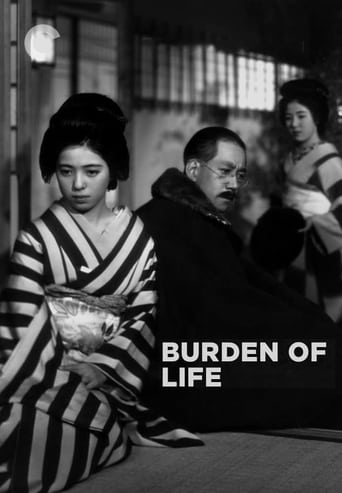 6.6
A middle-aged father has just married off his third daughter, but still has his nine year old son to raise whom he resents as he was unwanted.
Burden of Life
1935
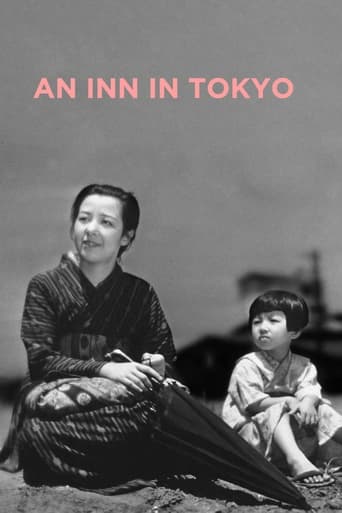 7.0
An unemployed Japanese man and his two sons wander the industrial flatlands of Depression-era Tokyo, until he chances upon an old friend and befriends a woman and her daughter, who are in a similar predicament.
An Inn in Tokyo
1935
1920s · 2 titles
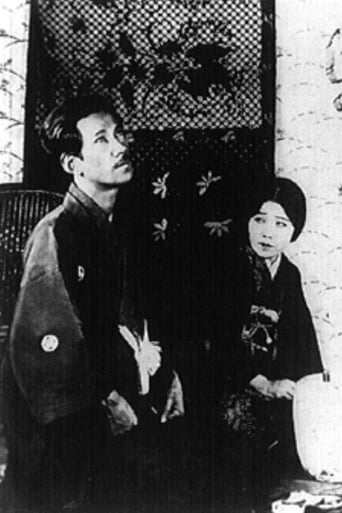 10.0
A hen-pecked man works as his artist wife's model and a house-husband. When her patron flirts with her and humiliates him, he decides to get revenge by trying his own hand as a painter. Considered to be a lost film.
Physical Beauty
1928
 5.8
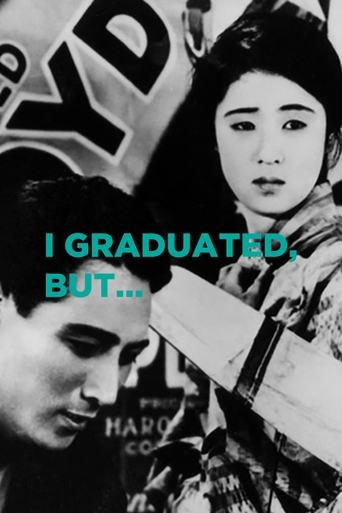
Tetsuo Nomoto, a young college graduate tries to find a decent job by himself. Later on, he will marry his girlfriend, Machiko, whom he hides the fact that he has no job. Hardships come quickly, which forces Machiko to find a job in a bar.
I Graduated, But...
1929