

Directing
Elo Selirand
Born
1975-07-09 (51)
Place of birth
Tallinn, Estonian SSR, USSR [now Estonia]
Known for
Directing
Credits
6 titles
Elo Selirand (born July 9, 1975 in Tallinn) is an Estonian TV and film director, screenwriter and writer.
Known for
 NR
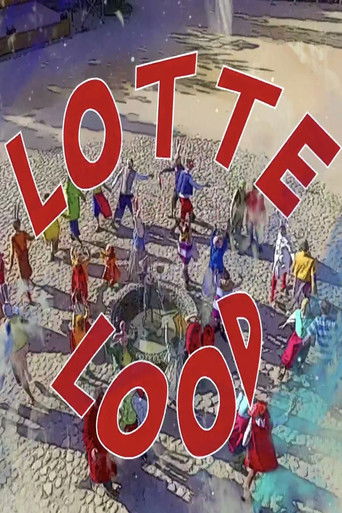
NRLotte together with her friends Bruno and Albert, ventures and solves exciting detective puzzles.
Lotte's Stories
2017
 NR
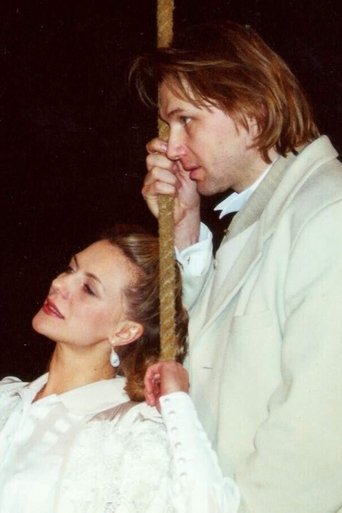
NRA stage adaptation of the 1869 novel ‘The Idiot’ by Fyodor Dostoevsky, performed at the Russian Theatre of Estonia.
The Idiot
2003
A story of two women, a mother and a daughter, whose life together is a constant battle. Even the simplest everyday activity can grow into a big fight about making you sick, you may have a provoking adrenal gland that helps you feel that you are still alive. When Maureen's path crosses with Pato's, the old Mag is overcome with fear of being alone, and the fight for love is no longer a matter of choice.
The Beauty Queen of the Mountains
2003
 5.0
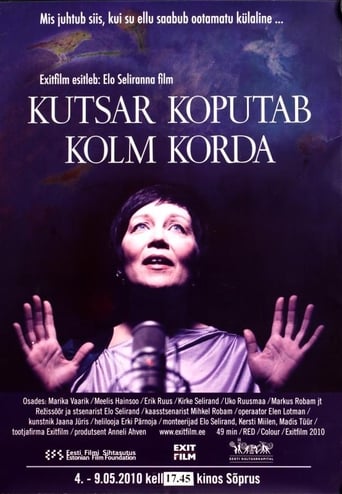
5.0The film tells the story of a single mother having trouble coping with everyday life. However, she finds in magic and fantasy a way to escape her reality until the enigmatic appearance of a man in her life. He will change her forever, to the point of making the decisions she has always feared. She will suddenly and conclusively have to answer her own question: what do I want? She will be given a chance to correct the mistakes in her life; will she cherish this opportunity or let it slip away?
Messenger Knocks Three Times
2010
 5.7
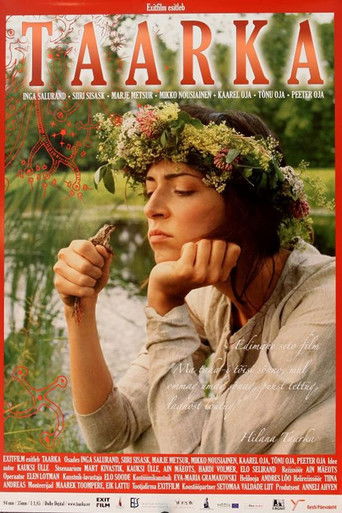
5.7The first film in the Seto language in the world speaks about the brightest heroine of a small people, the folk singer Hilana Taarka, a woman who lived her whole life as an outcast in a small chimney-less hut; as an unmarried mother of children in poverty, begging her bread, doing odd jobs and singing. She always sang the truth, sometimes bitter, sometimes funny, sometimes cruel. She was feared, despised and coveted. Taarka sang throughout her remarkable life, throughout her fate, from a small Seto village to international fame. And she sang well. Really well. Taarka became the Mother of the Song, a legend. But as a woman, as a member of the community, the Seto people never really accepted her. Taarka - a despised woman and a worshiped singer.
Taarka
2008
Series credits
Behind the camera
NRA stage adaptation of the 1869 novel ‘The Idiot’ by Fyodor Dostoevsky, performed at the Russian Theatre of Estonia.
The Idiot
2003
A story of two women, a mother and a daughter, whose life together is a constant battle. Even the simplest everyday activity can grow into a big fight about making you sick, you may have a provoking adrenal gland that helps you feel that you are still alive. When Maureen's path crosses with Pato's, the old Mag is overcome with fear of being alone, and the fight for love is no longer a matter of choice.
The Beauty Queen of the Mountains
2003
5.0The film tells the story of a single mother having trouble coping with everyday life. However, she finds in magic and fantasy a way to escape her reality until the enigmatic appearance of a man in her life. He will change her forever, to the point of making the decisions she has always feared. She will suddenly and conclusively have to answer her own question: what do I want? She will be given a chance to correct the mistakes in her life; will she cherish this opportunity or let it slip away?
Messenger Knocks Three Times
2010
5.0The film tells the story of a single mother having trouble coping with everyday life. However, she finds in magic and fantasy a way to escape her reality until the enigmatic appearance of a man in her life. He will change her forever, to the point of making the decisions she has always feared. She will suddenly and conclusively have to answer her own question: what do I want? She will be given a chance to correct the mistakes in her life; will she cherish this opportunity or let it slip away?
Messenger Knocks Three Times
2010
5.7The first film in the Seto language in the world speaks about the brightest heroine of a small people, the folk singer Hilana Taarka, a woman who lived her whole life as an outcast in a small chimney-less hut; as an unmarried mother of children in poverty, begging her bread, doing odd jobs and singing. She always sang the truth, sometimes bitter, sometimes funny, sometimes cruel. She was feared, despised and coveted. Taarka sang throughout her remarkable life, throughout her fate, from a small Seto village to international fame. And she sang well. Really well. Taarka became the Mother of the Song, a legend. But as a woman, as a member of the community, the Seto people never really accepted her. Taarka - a despised woman and a worshiped singer.
Taarka
2008