

Known for
 NR
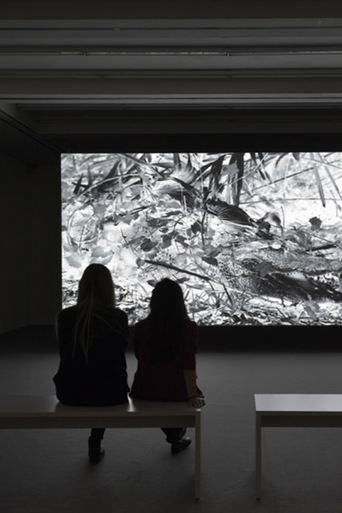
This video materializes an intense phase of exchange between the artists who belong to two distinct generations and contexts. Thornton, a media artist who herself was influenced by Paul Sharits, Yvonne Rainer, and Joan Jonas often deploys projections complicated by ample sound-image interactions. Likewise, musical composition is key to Richard’s practice. Both artists’ work is motivated by their understanding of cinema and video as original languages and forms of thinking.
Crossing
2016
 NR
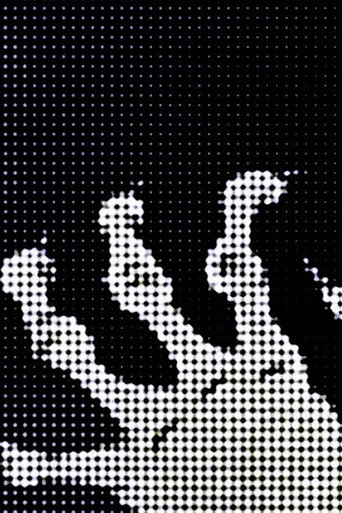
Text on a spectral gray background gives way to a disorienting irregular flicker. A foreboding soundtrack of buzzy drones and whirring motors lends a menacing color to febrile declarations of indefinite love. Eyes emerge from darkness, peering at us from faces carved in rock.
Fevers
—
 NR
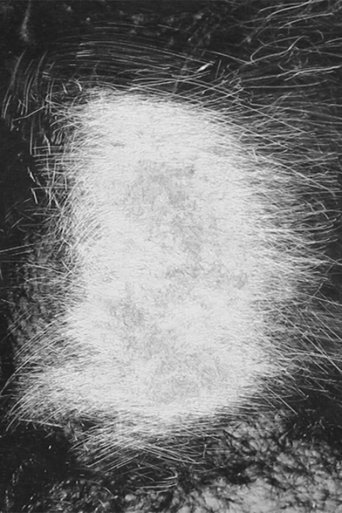
The censored images in Rosebud were shot in a library in Tokyo. I came across them by accident while researching there in the spring of 2012. The books, monographs on Mapplethorpe, Tillmans and May Ray, were being imported into Japan from Europe when they were stopped by customs officials. Local law in Japan forbids a library from having books with any images that might induce arousal in a viewer. So after negotiations with the Director, it was agreed that customs workers would go through the shipment and sandpaper away the genitals from any contested images. The video is focused on the violence of the action of sandpapering – to the point where glossy black printer ink gives way to the scuffed and bruised paper stock underneath. There’s something intense but also futile in these marks. The video is a study of rubbing against and along different surfaces: the meniscus of water over the print, the elderflower rubbed along a boy’s body.
Rosebud
2013
Raking Light takes its name from an examination method used in art conservation, where strong light is shone directly across the surface of a painting to highlight irregularities. The 2014 Turner Prize-nominated artist James Richards’ video is a looping, fizzing and sensually apocalyptic study of the elements. His dexterous sound composition adds an extra veneer to evocative but fleeting images, making our senses as malleable as putty.
Raking Light
2014
A portrait of distraction, with sampled monologue from online video essay about the Roland 303 synthesizer read over collaged images on the studio desk. Intercut by the back of a porn DVD and the MGM logo.
Practice Theory
2006
 NR
James Richards’ Qualities of Life: Living in the Radiant Cold is a descent into a maelstrom of images and objects—from glitched medical optics, photos from the archive of Horst Ademeit, who documented the impact of radiation on his body, to Richards’ own collection of erotic objects, drug paraphernalia, and other ephemera that swim in a dark techno-pharmacological miasma.
Qualities Of Life: Living in the Radiant Cold
2022
Behind the camera
NRThis video materializes an intense phase of exchange between the artists who belong to two distinct generations and contexts. Thornton, a media artist who herself was influenced by Paul Sharits, Yvonne Rainer, and Joan Jonas often deploys projections complicated by ample sound-image interactions. Likewise, musical composition is key to Richard’s practice. Both artists’ work is motivated by their understanding of cinema and video as original languages and forms of thinking.
Crossing
2016
NRText on a spectral gray background gives way to a disorienting irregular flicker. A foreboding soundtrack of buzzy drones and whirring motors lends a menacing color to febrile declarations of indefinite love. Eyes emerge from darkness, peering at us from faces carved in rock.
Fevers
—
NRThe censored images in Rosebud were shot in a library in Tokyo. I came across them by accident while researching there in the spring of 2012. The books, monographs on Mapplethorpe, Tillmans and May Ray, were being imported into Japan from Europe when they were stopped by customs officials. Local law in Japan forbids a library from having books with any images that might induce arousal in a viewer. So after negotiations with the Director, it was agreed that customs workers would go through the shipment and sandpaper away the genitals from any contested images. The video is focused on the violence of the action of sandpapering – to the point where glossy black printer ink gives way to the scuffed and bruised paper stock underneath. There’s something intense but also futile in these marks. The video is a study of rubbing against and along different surfaces: the meniscus of water over the print, the elderflower rubbed along a boy’s body.
Rosebud
2013
Raking Light takes its name from an examination method used in art conservation, where strong light is shone directly across the surface of a painting to highlight irregularities. The 2014 Turner Prize-nominated artist James Richards’ video is a looping, fizzing and sensually apocalyptic study of the elements. His dexterous sound composition adds an extra veneer to evocative but fleeting images, making our senses as malleable as putty.
Raking Light
2014
A portrait of distraction, with sampled monologue from online video essay about the Roland 303 synthesizer read over collaged images on the studio desk. Intercut by the back of a porn DVD and the MGM logo.
Practice Theory
2006
NRJames Richards’ Qualities of Life: Living in the Radiant Cold is a descent into a maelstrom of images and objects—from glitched medical optics, photos from the archive of Horst Ademeit, who documented the impact of radiation on his body, to Richards’ own collection of erotic objects, drug paraphernalia, and other ephemera that swim in a dark techno-pharmacological miasma.
Qualities Of Life: Living in the Radiant Cold
2022
 NR
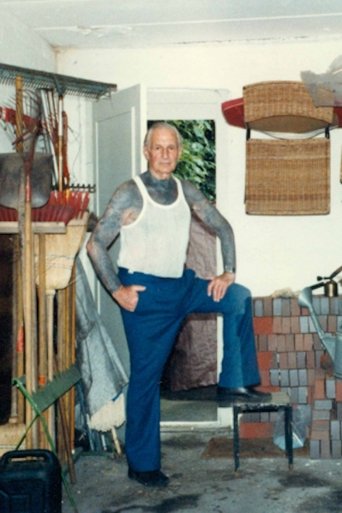
The starting point was a video tape of projection footage made by the artist Gretchen Bender, who turned clinical images of infections, deformities, and morbid injuries into an abject flicker film. Reinke and Richards expanded Bender’s medical gaze into a broader perspective, combining new sequences and animations, interweaving them to produce a film with a rich soundtrack of audio and spoken word.
When We Were Monsters
2020
A short film by James Richards.
Nils Bech (Can’t live if living is without you)
2006
This work is comprised of rhythmic assemblings of sounds and images extracted from various sources, including the internet and DVDs, as well as diaristic material gathered by the artist and his friends. Various light distortions created with a small portable video camera add further texture to the work.
Not Blacking Out, Just Turning The Lights Off
2011
 NR
A film tribute, portrait and investigation of the set designer, photographer and actor Albrecht Becker. Staying with Becker’s self-portraits, artists Steve Reinke and James Richards pair public and private images in ways that challenge and re-signify one another.
What weakens the flesh is the flesh itself
2017
A collage of appropriated footage with an electronic soundtrack by James Richards and Vocal Juice
Radio at Night
2015
In The Misty Suite Richards links three very different films by their similar zoom speeds: a shot of a young Brooke Shields in Nightmare on Elm Street (1984), falling asleep in class; a girl drawing an eye in an instructional video; and nebulous star clusters in outer space. ‘Bear down, breathe’, intones a voice (taken from a recording of an experimental poetry recital). -Paul Teasdale, Frieze
The Misty Suite
2009
2-channel video in three chapters
Happy Fall Trilogy
—