
Acting
John Dall
Born — Died
1920-05-26 — 1971-01-15
Place of birth
New York City, New York, USA
Known for
Acting
Credits
22 titles
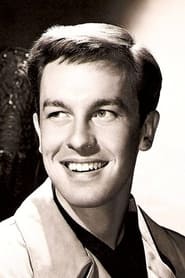
John Dall (May 26, 1920 – January 15, 1971) was an American actor. Primarily a stage actor, he is best remembered today for two film roles; the cool-minded intellectual killer in Alfred Hitchcock's film Rope, and the trigger-happy lead in the 1950 noir Gun Crazy. He first came to fame as the young prodigy who comes alive under the tutelage of Bette Davis in The Corn Is Green, for which he was nominated for the Academy Award for Best Supporting Actor. Dall was born John Jenner Thompson in New York City, New York, the second son of Charles Jenner Thompson, a civil engineer, and his wife Henry (née Worthington). Dall died in Hollywood, California. Sources indicate he died of a heart attack. …
Known for
 7.7
7.7The cases of master criminal defense attorney Perry Mason and his staff who handled the most difficult of cases in the aid of the innocent.
Perry Mason
1957
 5.4
5.4An American radio–television anthology series, created in 1947 by Canadian director Fletcher Markle, who came to CBS from the CBC. Studio One, presented by Westinghouse, was one of the first of the anthology TV programs. The episodes were often abridged remakes of movies from years gone by and many future well-known television and movie actors appeared in the productions.
Studio One
1948
 5.1
5.1An anthology series adapted from the radio program of the same name. Like the radio program, many scripts were adaptations of literary classics by well-known authors. Classic authors such as Edgar Allan Poe, Agatha Christie, and Charles Dickens all had stories adapted for the series, while contemporary authors such as Roald Dahl and Gore Vidal also contributed.
Suspense
1949
 6.0
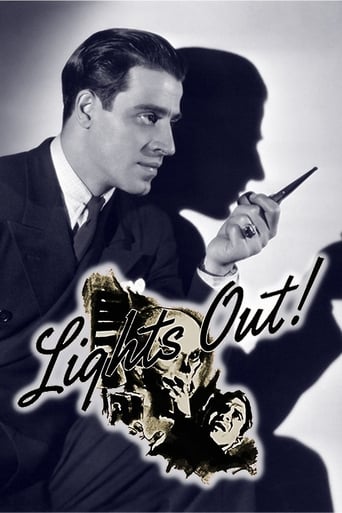
6.0Lights Out was an extremely popular American old-time radio program, an early example of a network series devoted mostly to horror and the supernatural, predating Suspense and Inner Sanctum. Versions of Lights Out aired on different networks, at various times, from January 1934 to the summer of 1947 and the series eventually made the transition to television. In 1946, NBC Television brought Lights Out to TV in a series of four specials, broadcast live and produced by Fred Coe, who also contributed three of the scripts. NBC asked Cooper to write the script for the premiere, "First Person Singular", which is told entirely from the point of view of an unseen murderer who kills his obnoxious wife and winds up being executed. Variety gave this first episode a rave review ("undoubtedly one of the best dramatic shows yet seen on a television screen"), but Lights Out did not become a regular NBC-TV series until 1949.
Lights Out
1949
 7.5
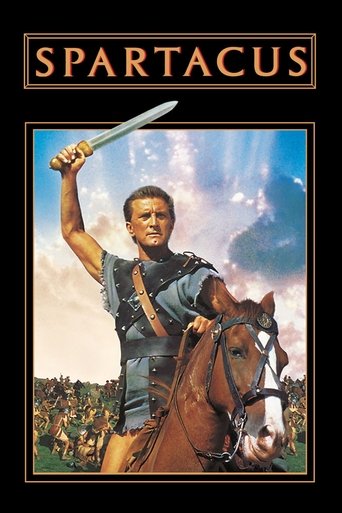
7.5The rebellious Thracian Spartacus, born and raised a slave, is sold to Gladiator trainer Batiatus. After weeks of being trained to kill for the arena, Spartacus turns on his owners and leads the other slaves in rebellion. As the rebels move from town to town, their numbers swell as escaped slaves join their ranks. Under the leadership of Spartacus, they make their way to southern Italy, where they will cross the sea and return to their homes.
Spartacus
1960
 7.9
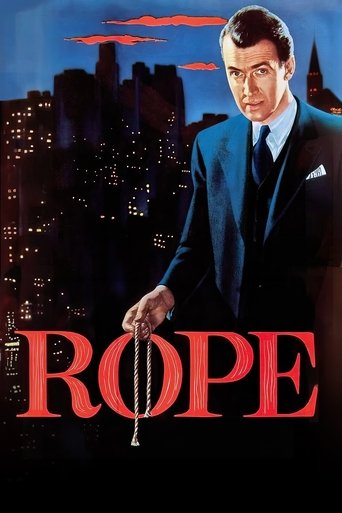
7.9Two young men attempt to prove they committed the perfect murder by hosting a dinner party for the family of a classmate they just strangled to death.
Rope
1948
Film credits
1980s · 1 titles
1960s · 2 titles
7.5The rebellious Thracian Spartacus, born and raised a slave, is sold to Gladiator trainer Batiatus. After weeks of being trained to kill for the arena, Spartacus turns on his owners and leads the other slaves in rebellion. As the rebels move from town to town, their numbers swell as escaped slaves join their ranks. Under the leadership of Spartacus, they make their way to southern Italy, where they will cross the sea and return to their homes.
Spartacus
1960
 5.1
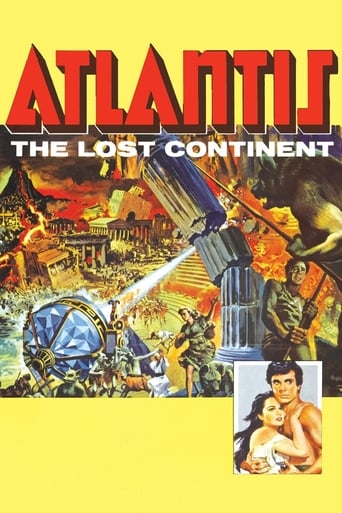
5.1A Greek Fisherman brings an Atlantean Princess back to her homeland which is the mythical city of Atlantis. He is enslaved for his trouble. The King is being manipulated by an evil sorcerer who is bent on using a natural resource of Atlantis to take over the world. The Atlanteans, or rather the slaves of Atlantis, are forced to mine a crystalline material which absorbs the suns rays. These crystals can then be used for warmth. The misuse of science has created weapons out of the crystals that can fire a heat ray to destroy whatever it touches.
Atlantis: The Lost Continent
1961
1950s · 2 titles
 7.4
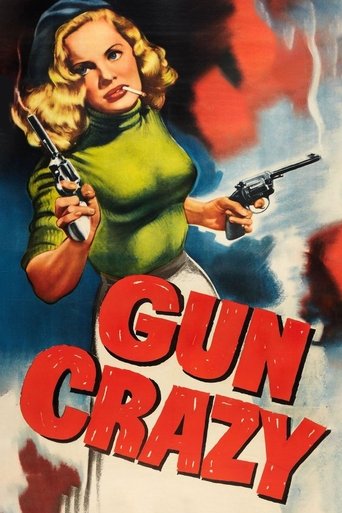
7.4Bart Tare, an ex-Army man who has a lifelong fixation with guns, meets a kindred spirit in sharpshooter Annie Starr and goes to work at a carnival alongside her. After upsetting the carnival owner who lusts after Starr, they both get fired. Soon, at Starr's behest, the couple embarks on a crime spree for cash.
Gun Crazy
1950
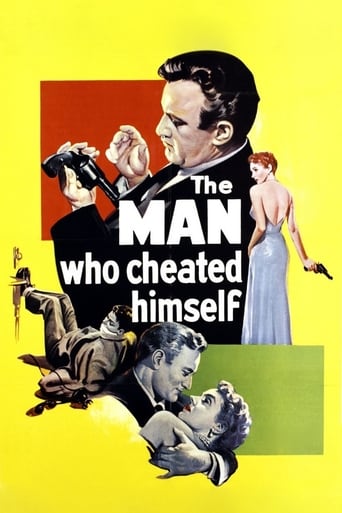 6.2
6.2A veteran homicide detective who has witnessed his socialite girlfriend kill her husband sees his inexperienced brother assigned to the case.
The Man Who Cheated Himself
1950
1940s · 5 titles
7.9Two young men attempt to prove they committed the perfect murder by hosting a dinner party for the family of a classmate they just strangled to death.
Rope
1948
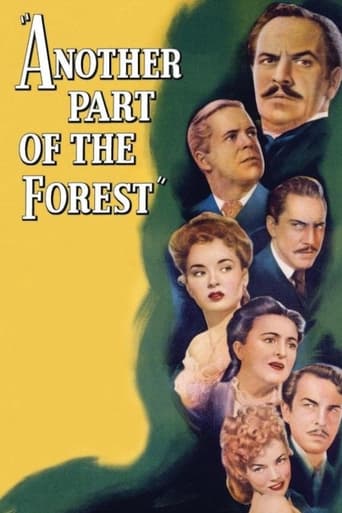 7.8
7.8This 'prequel' to The Little Foxes tells how the ruthless members of the old-South Hubbard family got that way.
Another Part of the Forest
1948
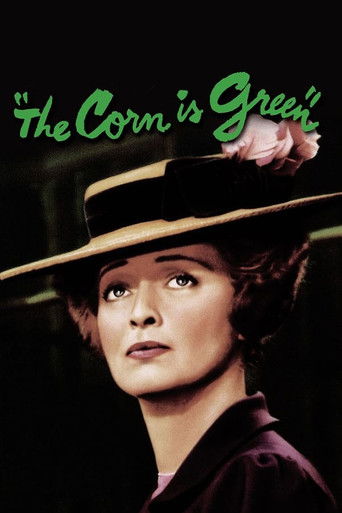 7.2
7.2When a teacher reads an essay written by Morgan Evans, one of the boys, moved by his rough poetry she decides to hold classes in her house and believes that Morgan is smart enough to attend Oxford.
The Corn Is Green
1945
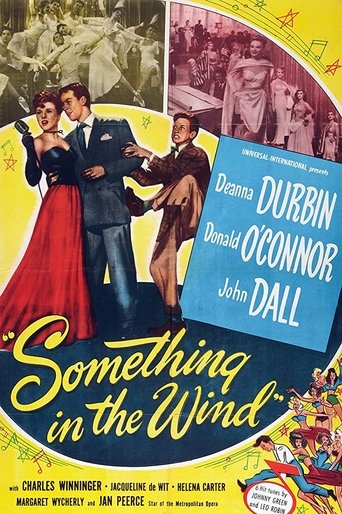 7.0
7.0A grandson of a recently deceased millionaire mistakes a beautiful female disc jockey for her aunt, who once dated the grandfather.
Something in the Wind
1947
 NR
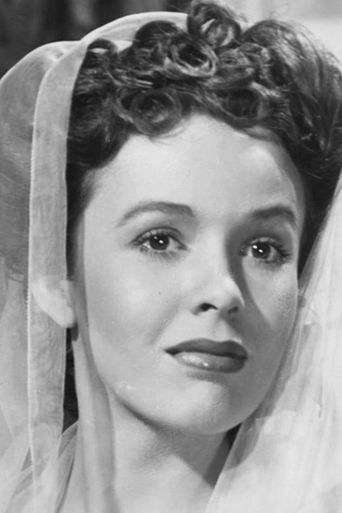
NRA lonely man and woman meet on rainy afternoon in New York. Season 1, Episode 21 of the The Chevrolet Tele-Theatre
Miracle in the Rain
1949
Series credits
7.7The cases of master criminal defense attorney Perry Mason and his staff who handled the most difficult of cases in the aid of the innocent.
Perry Mason
1957
7.7The cases of master criminal defense attorney Perry Mason and his staff who handled the most difficult of cases in the aid of the innocent.
Perry Mason
1957
7.7The cases of master criminal defense attorney Perry Mason and his staff who handled the most difficult of cases in the aid of the innocent.
Perry Mason
1957
7.7The cases of master criminal defense attorney Perry Mason and his staff who handled the most difficult of cases in the aid of the innocent.
Perry Mason
1957
5.4An American radio–television anthology series, created in 1947 by Canadian director Fletcher Markle, who came to CBS from the CBC. Studio One, presented by Westinghouse, was one of the first of the anthology TV programs. The episodes were often abridged remakes of movies from years gone by and many future well-known television and movie actors appeared in the productions.
Studio One
1948
5.1An anthology series adapted from the radio program of the same name. Like the radio program, many scripts were adaptations of literary classics by well-known authors. Classic authors such as Edgar Allan Poe, Agatha Christie, and Charles Dickens all had stories adapted for the series, while contemporary authors such as Roald Dahl and Gore Vidal also contributed.
Suspense
1949
5.1An anthology series adapted from the radio program of the same name. Like the radio program, many scripts were adaptations of literary classics by well-known authors. Classic authors such as Edgar Allan Poe, Agatha Christie, and Charles Dickens all had stories adapted for the series, while contemporary authors such as Roald Dahl and Gore Vidal also contributed.
Suspense
1949
6.0Lights Out was an extremely popular American old-time radio program, an early example of a network series devoted mostly to horror and the supernatural, predating Suspense and Inner Sanctum. Versions of Lights Out aired on different networks, at various times, from January 1934 to the summer of 1947 and the series eventually made the transition to television. In 1946, NBC Television brought Lights Out to TV in a series of four specials, broadcast live and produced by Fred Coe, who also contributed three of the scripts. NBC asked Cooper to write the script for the premiere, "First Person Singular", which is told entirely from the point of view of an unseen murderer who kills his obnoxious wife and winds up being executed. Variety gave this first episode a rave review ("undoubtedly one of the best dramatic shows yet seen on a television screen"), but Lights Out did not become a regular NBC-TV series until 1949.
Lights Out
1949
 7.2
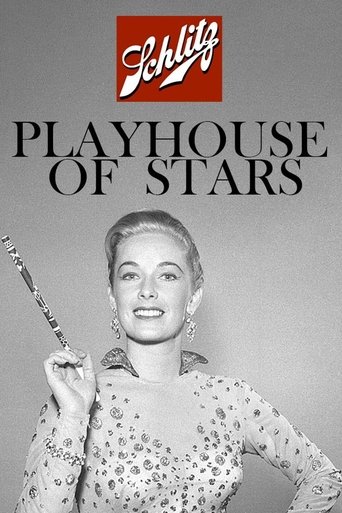
7.2Schlitz Playhouse of Stars is an anthology series that was telecast from 1951 until 1959 on CBS. Offering both comedies and drama, the series was sponsored by the Joseph Schlitz Brewing Company. The title was shortened to Schlitz Playhouse, beginning with the fall 1957 season.
Schlitz Playhouse of Stars
1951
 6.8
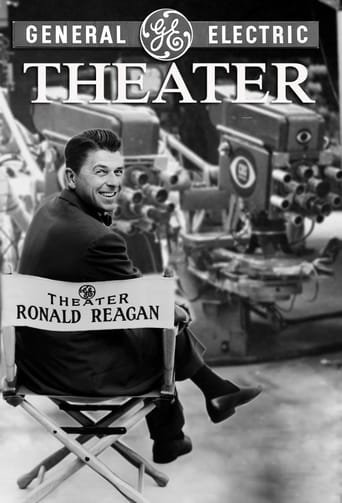
6.8General Electric Theater is an American anthology series hosted by Ronald Reagan that was broadcast on CBS radio and television. The series was sponsored by General Electric's Department of Public Relations.
General Electric Theater
1953