

Directing
Makoto Satō
Born — Died
1957-09-12 — 2007-09-04
Place of birth
Aomori, Japan
Known for
Directing
Credits
14 titles
Makoto Satō was a Japanese documentary film director.
Known for
 6.0
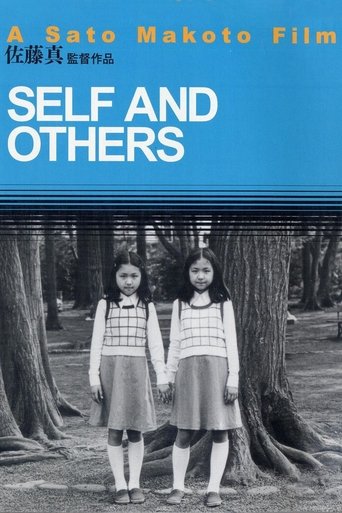
In 1983, photographer Gocho Shigeo met an early death at the young age of 36. The view we see reflected in Gocho’s photographic images has become more profound over time since his death and has struck a chord in people’s hearts. While focusing on Gocho’s collection of photographs Self and Others, the film also visits places associated with him, creating a collage with the manuscripts, letters, photographs and voice recordings remaining in an attempt to capture “one more gesture”—a theme pursued by Gocho through photographic expression. This film is neither a critical biography nor a monograph on the photographer. Rather, we are offered a new perception. As if mesmerized, the photographs Gocho left behind captivate us in their gaze.
Self and Others
2001
 6.3
Documentary filmmaker Makoto Sato offers this reflection on the life and career of Edward Said, the deeply influential literary and cultural critic, Columbia University academic, and outspoken advocate for displaced Palestinians, of whom he was one. Exploring the landscapes of Said's childhood and how they influenced his philosophy, this film features rare footage of Said and interviews with many of his colleagues, including Noam Chomsky.
Out of Place: Memories of Edward Said
2006
 8.0
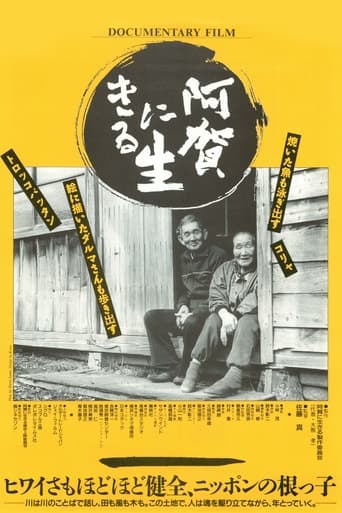
In 1964, a chemical factory in Niigata Prefecture dumped mercury into the Agano River, the beginning of a manmade tragedy that would affect locals for years to come. Mercury poisoning led to high occurrences of Minamata disease, a neurological syndrome that causes severe physical and psychological ailments and death. Sato Makoto and his crew of seven spent three years in Niigata documenting the life and thoughts of locals.
Living on the River Agano
1992
 NR
This documentary follows the lives of Minamata disease victims who still suffer a quarter of a century later.
The Innocent Sea
1983
 NR
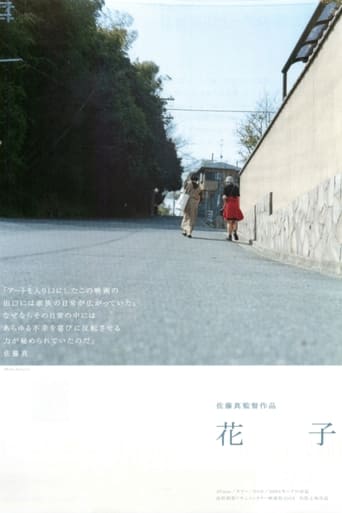
An unusual family portrait questioning the definitions of art, family, and what it means to be disabled. Imamura Hanako is a 22-year-old girl with severe autism. Once a week she attends a painting class, where she paints pictures in oils. Every evening after dinner, she creates what her mother Chisa has named “food art.” This may only involve arranging the leftovers from the day’s meal on the floor or a tray, but Chisa records the works every day, accumulating some thousands of photographs. The collection of photographs has now been exhibited around the country. Following Hanako’s daily life in the routine of the four members of the Imamura family, we watch as a portrait of a “very ordinary” family unfold.
Hanako
2001
 5.2
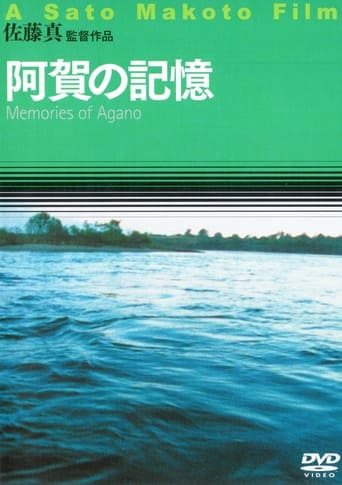
Satō Makoto discovered documentary film when he visited Minamata (well known as the former site of an environmental disaster) as a student, and worked on Katori Naotaka’s The Innocent Sea. While touring Japan with the film, he met people who lived by the polluted Agano River in Niigata and decided to make a film about them. Living there with seven crew members for three years, Living on the River Agano was completed in 1992 and showed people who live with the river and work in agriculture and fishing, quietly probing the cruelty of nature destroyed. Ten years later, and after attending several funerals of people who appeared in the first feature, the team returned to the area. The resulting film Memories of Agano is a ghostly poem on people, fields, stories, songs and buildings receding into absence, the power of images and the strength of sound to revive the past.
Memories of Agano
2005
Film credits
Behind the camera
6.0In 1983, photographer Gocho Shigeo met an early death at the young age of 36. The view we see reflected in Gocho’s photographic images has become more profound over time since his death and has struck a chord in people’s hearts. While focusing on Gocho’s collection of photographs Self and Others, the film also visits places associated with him, creating a collage with the manuscripts, letters, photographs and voice recordings remaining in an attempt to capture “one more gesture”—a theme pursued by Gocho through photographic expression. This film is neither a critical biography nor a monograph on the photographer. Rather, we are offered a new perception. As if mesmerized, the photographs Gocho left behind captivate us in their gaze.
Self and Others
2001
6.3Documentary filmmaker Makoto Sato offers this reflection on the life and career of Edward Said, the deeply influential literary and cultural critic, Columbia University academic, and outspoken advocate for displaced Palestinians, of whom he was one. Exploring the landscapes of Said's childhood and how they influenced his philosophy, this film features rare footage of Said and interviews with many of his colleagues, including Noam Chomsky.
Out of Place: Memories of Edward Said
2006
8.0In 1964, a chemical factory in Niigata Prefecture dumped mercury into the Agano River, the beginning of a manmade tragedy that would affect locals for years to come. Mercury poisoning led to high occurrences of Minamata disease, a neurological syndrome that causes severe physical and psychological ailments and death. Sato Makoto and his crew of seven spent three years in Niigata documenting the life and thoughts of locals.
Living on the River Agano
1992
NRThis documentary follows the lives of Minamata disease victims who still suffer a quarter of a century later.
The Innocent Sea
1983
NRAn unusual family portrait questioning the definitions of art, family, and what it means to be disabled. Imamura Hanako is a 22-year-old girl with severe autism. Once a week she attends a painting class, where she paints pictures in oils. Every evening after dinner, she creates what her mother Chisa has named “food art.” This may only involve arranging the leftovers from the day’s meal on the floor or a tray, but Chisa records the works every day, accumulating some thousands of photographs. The collection of photographs has now been exhibited around the country. Following Hanako’s daily life in the routine of the four members of the Imamura family, we watch as a portrait of a “very ordinary” family unfold.
Hanako
2001
5.2Satō Makoto discovered documentary film when he visited Minamata (well known as the former site of an environmental disaster) as a student, and worked on Katori Naotaka’s The Innocent Sea. While touring Japan with the film, he met people who lived by the polluted Agano River in Niigata and decided to make a film about them. Living there with seven crew members for three years, Living on the River Agano was completed in 1992 and showed people who live with the river and work in agriculture and fishing, quietly probing the cruelty of nature destroyed. Ten years later, and after attending several funerals of people who appeared in the first feature, the team returned to the area. The resulting film Memories of Agano is a ghostly poem on people, fields, stories, songs and buildings receding into absence, the power of images and the strength of sound to revive the past.
Memories of Agano
2005
 9.0
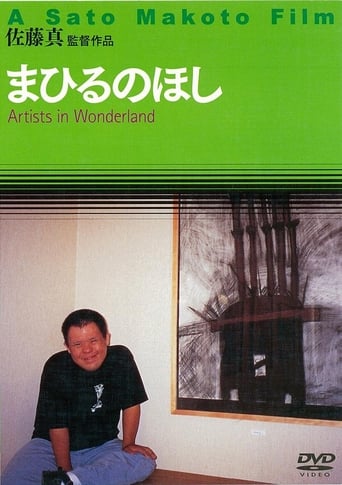
This is a film about seven artists. It's also a film about seven people who are mentally handicapped. In the course of this touching film, we discover how art may provide a route to the human interior.
Artists in Wonderland
1999
 NR
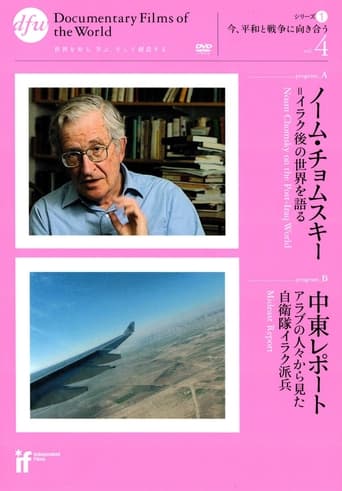
Interviews about Japan's deployment of Self-Defense Forces in Iraq collected from Middle Eastern intellectuals, cultural figures, and Palestinians living in refugee camps in March 2004.
Mideast Report
2004
 NR
Documentary, 16mm
Letter from a Goddess
1999
 NR
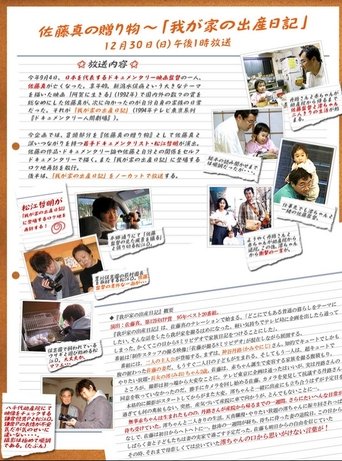
“I wanted to document a normal life that you would see anywhere; and I realized that this was my own family. I half-jokingly submitted a proposal to a television station, and it was accepted. I began filming a diary of my family’s life using 8mm video that same day.” And so begins the hysterically tumultuous weeklong experience of this helpless father left behind at home with his unsuspecting two year-old daughter Mio, while his wife Niji is hospitalized to give birth to their next daughter.
Diary of Our Daughter's Birth
1994
NRNo synopsis available yet.
Sunday at the Preschool
1997
 NR
A film answering "eight questions about Minamata disease," produced for the October 1996 Minamata-Tokyo Exhibition
Minamata Disease Video Q&A
1996
 NR
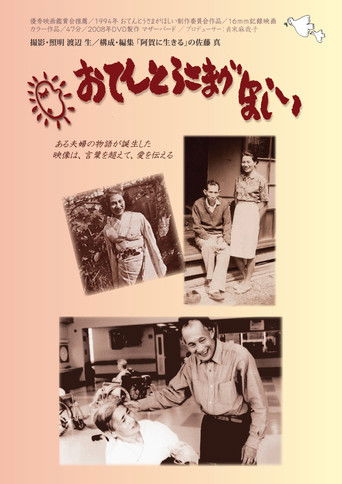
Sho Watanabe, 77, has worked as a lighting technician for many years, longing to work in the film industry. However, when his wife, Tomiko, suddenly developed Alzheimer's disease, he took a video and 16mm camera and began documenting her and the people around her. This film is the result of compiling and editing the vast amount of film he had accumulated in this way.
I Want the Sun
1995