
Known for
 7.6
7.6Showcasing the best in international documentaries, Storyville has developed an enviable reputation since its inception more than a decade ago. Screening over 340 films, from some 70 different countries, the strand has garnered a staggering array of awards: five Oscars, 15 Griersons, three Peabodys and two International Emmys. In true, unique, Storyville style, the new series promises to deliver the strand's usual eclectic mix of compelling stories from across the globe.
Storyville
1997
 NR
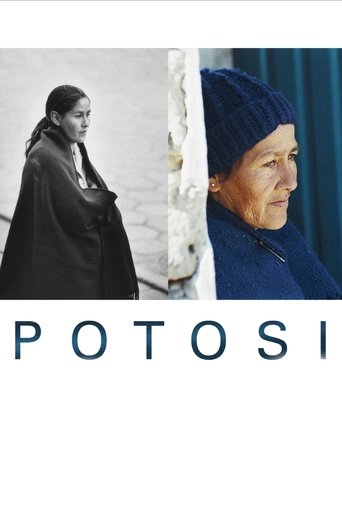
NRIn 1970, after their wedding in Buenos Aires, Ron and Jacqueline set off for the Andes, with backpacks and still cameras. While crossing Bolivia, on their way to Cuzco, they discovered the city of Potosi. 29 years later, they return to the same places, this time with their three daughters and a Super 16 camera. A road movie, which is both a depiction in real time of Potosi and the Andes and a journey of introspection for the filmmaker and his family. Potosi, at an altitude of 4,100 metres, was once one of the largest and richest cities in the world. But for the millions of indigenous people who were forced to work in the depths of the mountain, Potosi was the gateway to Hell. After its silver mines were exhausted, Potosi was abandoned, poor and forgotten. As in his previous film, Fragments - Jerusalem, Ron Havilio also uses personal material to draw a portrait of an Israeli family on the road, the generation gap, and a meditation on the passage of time.
Potosi: The Journey
2006
 8.4
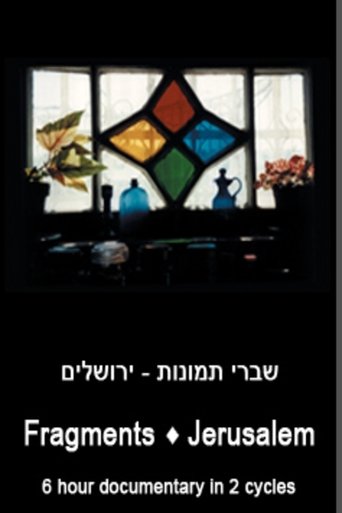
8.4Documentary about the history of Jerusalem.
Fragments: Jerusalem
1998
Film credits
Series credits
Behind the camera
NRIn 1970, after their wedding in Buenos Aires, Ron and Jacqueline set off for the Andes, with backpacks and still cameras. While crossing Bolivia, on their way to Cuzco, they discovered the city of Potosi. 29 years later, they return to the same places, this time with their three daughters and a Super 16 camera. A road movie, which is both a depiction in real time of Potosi and the Andes and a journey of introspection for the filmmaker and his family. Potosi, at an altitude of 4,100 metres, was once one of the largest and richest cities in the world. But for the millions of indigenous people who were forced to work in the depths of the mountain, Potosi was the gateway to Hell. After its silver mines were exhausted, Potosi was abandoned, poor and forgotten. As in his previous film, Fragments - Jerusalem, Ron Havilio also uses personal material to draw a portrait of an Israeli family on the road, the generation gap, and a meditation on the passage of time.
Potosi: The Journey
2006
NRIn 1970, after their wedding in Buenos Aires, Ron and Jacqueline set off for the Andes, with backpacks and still cameras. While crossing Bolivia, on their way to Cuzco, they discovered the city of Potosi. 29 years later, they return to the same places, this time with their three daughters and a Super 16 camera. A road movie, which is both a depiction in real time of Potosi and the Andes and a journey of introspection for the filmmaker and his family. Potosi, at an altitude of 4,100 metres, was once one of the largest and richest cities in the world. But for the millions of indigenous people who were forced to work in the depths of the mountain, Potosi was the gateway to Hell. After its silver mines were exhausted, Potosi was abandoned, poor and forgotten. As in his previous film, Fragments - Jerusalem, Ron Havilio also uses personal material to draw a portrait of an Israeli family on the road, the generation gap, and a meditation on the passage of time.
Potosi: The Journey
2006
NRIn 1970, after their wedding in Buenos Aires, Ron and Jacqueline set off for the Andes, with backpacks and still cameras. While crossing Bolivia, on their way to Cuzco, they discovered the city of Potosi. 29 years later, they return to the same places, this time with their three daughters and a Super 16 camera. A road movie, which is both a depiction in real time of Potosi and the Andes and a journey of introspection for the filmmaker and his family. Potosi, at an altitude of 4,100 metres, was once one of the largest and richest cities in the world. But for the millions of indigenous people who were forced to work in the depths of the mountain, Potosi was the gateway to Hell. After its silver mines were exhausted, Potosi was abandoned, poor and forgotten. As in his previous film, Fragments - Jerusalem, Ron Havilio also uses personal material to draw a portrait of an Israeli family on the road, the generation gap, and a meditation on the passage of time.
Potosi: The Journey
2006
8.4Documentary about the history of Jerusalem.
Fragments: Jerusalem
1998