
Writing
Eberhard Frowein
Born — Died
1881-05-24 — 1964-01-15
Place of birth
Elberfeld [now Wuppertal], Germany
Known for
Writing
Credits
10 titles
Eberhard Frowein was born on 24 May 1881 in Elberfeld [now Wuppertal], Germany. He was a writer and director, known for Sünde am Weibe (1927), Fruchtbarkeit (1930) and Goal in the Clouds (1939). He died on 15 January 1964 in Alt Aussee, Austria.
Known for
 8.0
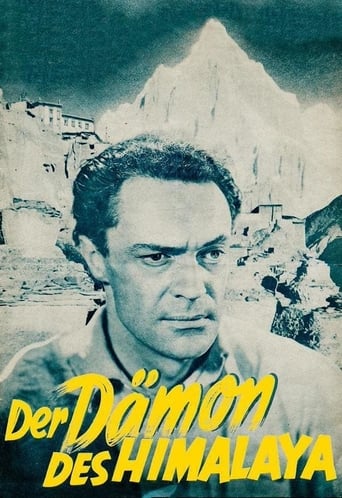
German film about a Himalayan expedition and the search for a mountain spirit, who guarded, according to the tradition of the locals, the peaks of high mountains. The long-lost and recently rediscovered and restored film is now a unique cinematic document because it is the first feature film that was shot directly in the Himalayas (up to 6400 m altitude). Hans Ertl even turned his Bell & Howell to the main summit of Sia Kangri, 7422m. Likewise, the film contains footage from India and Tibet, from a time long before the emergence of mass tourism. Some of the footage was later recycled in ‘Lost horizon’ (1937) by Frank Capra and in ‘Storm over Tibet’ (1952).
Demon of the Himalayas
1935
The young, forward-thinking doctor Dr. Maerker arrives in a small factory town and is appalled by the prevailing social conditions. The working-class families live in poor conditions and can barely feed their many children. Maerker therefore wants to give a lecture on contraception in the inn, but encounters fierce resistance from his conservative boss, Dr. Witte, who wants to prevent the lecture together with the pastor and the magistrate. Only a severe nervous fever finally persuades old Witte to side with Maerker.
Fruchtbarkeit
1930
 8.0
Marriage and sexuality is examined through the lens of screenwriter Dr. van de Velde, a Dutch gynocologist.
Die Ehe
1929
No synopsis available yet.
Goethe Lives...!
1932
 6.2
In this film, the wife of a renowned doctor becomes ill with multiple sclerosis. Trying to spare her beloved husband the ordeal, the woman turns to a family friend, Dr. Lang, to help end her life. When this doctor declines to help with the assisted suicide, however, she is forced to turn to her husband. After much soul-searching, Dr. Heyt, her husband, assists in her suicide. The act, however, is witnessed by a chambermaid, who reports him to the police. Dr. Heyt is put on trial for murder and, at first, Dr. Lang testifies against him in court. Soon, however, Dr. Lang is faced with a similar case in his professional practice and this, along with Dr. Heyt’s impassioned performance in court, convinces Dr. Lang that, in some instances, mercy killing may be the right thing to do.
I Accuse
1941
No synopsis available yet.
Mozart probt Figaro
1935
Behind the camera
8.0German film about a Himalayan expedition and the search for a mountain spirit, who guarded, according to the tradition of the locals, the peaks of high mountains. The long-lost and recently rediscovered and restored film is now a unique cinematic document because it is the first feature film that was shot directly in the Himalayas (up to 6400 m altitude). Hans Ertl even turned his Bell & Howell to the main summit of Sia Kangri, 7422m. Likewise, the film contains footage from India and Tibet, from a time long before the emergence of mass tourism. Some of the footage was later recycled in ‘Lost horizon’ (1937) by Frank Capra and in ‘Storm over Tibet’ (1952).
Demon of the Himalayas
1935
The young, forward-thinking doctor Dr. Maerker arrives in a small factory town and is appalled by the prevailing social conditions. The working-class families live in poor conditions and can barely feed their many children. Maerker therefore wants to give a lecture on contraception in the inn, but encounters fierce resistance from his conservative boss, Dr. Witte, who wants to prevent the lecture together with the pastor and the magistrate. Only a severe nervous fever finally persuades old Witte to side with Maerker.
Fruchtbarkeit
1930
8.0Marriage and sexuality is examined through the lens of screenwriter Dr. van de Velde, a Dutch gynocologist.
Die Ehe
1929
No synopsis available yet.
Goethe Lives...!
1932
6.2In this film, the wife of a renowned doctor becomes ill with multiple sclerosis. Trying to spare her beloved husband the ordeal, the woman turns to a family friend, Dr. Lang, to help end her life. When this doctor declines to help with the assisted suicide, however, she is forced to turn to her husband. After much soul-searching, Dr. Heyt, her husband, assists in her suicide. The act, however, is witnessed by a chambermaid, who reports him to the police. Dr. Heyt is put on trial for murder and, at first, Dr. Lang testifies against him in court. Soon, however, Dr. Lang is faced with a similar case in his professional practice and this, along with Dr. Heyt’s impassioned performance in court, convinces Dr. Lang that, in some instances, mercy killing may be the right thing to do.
I Accuse
1941
No synopsis available yet.
Mozart probt Figaro
1935
The development of a child in its everyday environment is documented. It shows how the child gradually conquers, expands and asserts its living space. The hidden camera observes the child from the first weeks of life until the age of eight,
Das Kind und die Welt
1931
The development of a child in its everyday environment is documented. It shows how the child gradually conquers, expands and asserts its living space. The hidden camera observes the child from the first weeks of life until the age of eight,
Das Kind und die Welt
1931
 10.0
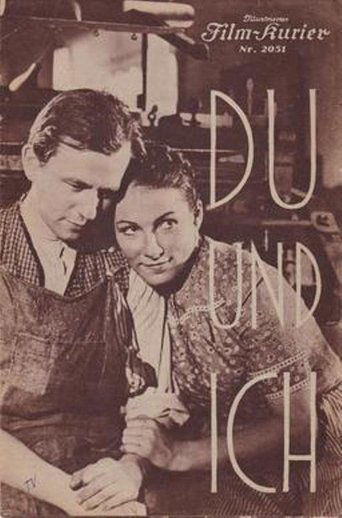
Melodrama about an entrepreneur and his family.
You and I
1938