
Acting
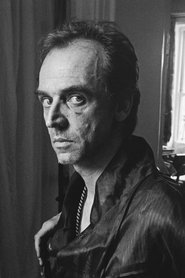
Rene Ricard
Born — Died
1946-07-23 — 2014-02-01
Place of birth
Boston, Massachusetts, USA
Known for
Acting
Credits
15 titles
Rene Ricard was an American poet and painter who achieved status in the art world dating back to his involvement with Andy Warhol, appearing in several of his films such as Kitchen and Chelsea Girls. Well known for his influential essays in Artforum, Ricard held a major role in helping to establish the careers of Keith Haring and Jean-Michel Basquiat.
Known for
 5.5
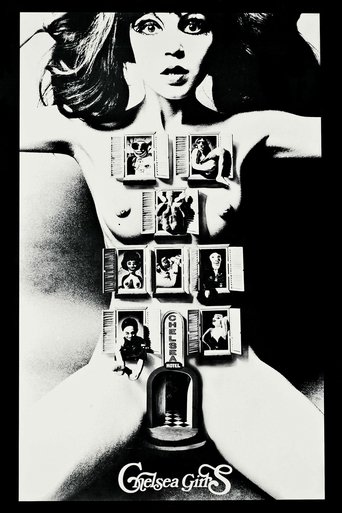
5.5Follows various residents of the Chelsea Hotel in 1966 New York City.
Chelsea Girls
1966
 4.8
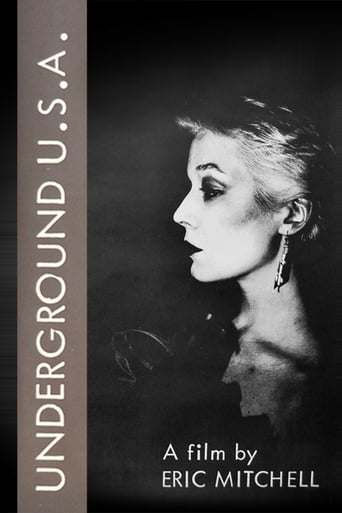
4.8The Sunset Blvd. of underground cinema, and a suitably ambivalent retrospect on the star-game casualties of New York's upper depths, with Patti Astor statuesquely hysterical as a 20-year-old Norma Desmond, made up to recall Edie Sedgwick and surrounded by Warhol's lost children. We've been here before, but without the hindsight: a camera cruise along a hustler's meat-rack, kitchen-talk over cold canned spaghetti, Taylor Mead grimacing in a spastic dance, the silent stud a sullenly passive observer. Mitchell's ear for campy native wit and eye for figures in a loft-scape happily keep at bay the otherwise contagious NY ennui.
Underground U.S.A.
1980
 5.9
5.9A young musician takes a beautiful tattoo artist on a ride in a stolen classic car.
Asthma
2015
The story of two men (Ed Hood, Patrick Fleming ) in bed whose assignation gets interrupted by friends and neighbours. Hood tries to maintain control of Fleming, as well as the situation, while everyone talks, drinks, smokes, and wrestles on his bed. Double-screen projection runs at 66 minutes.
The John
1966
 7.2
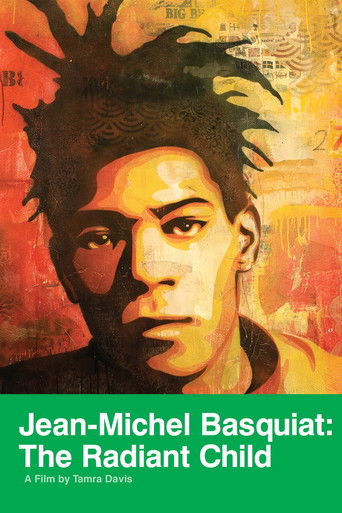
7.2A thoughtful portrait of a renowned artist, this documentary shines the spotlight on New York City painter Jean-Michel Basquiat. Featuring extensive interviews conducted by Basquiat's friend, filmmaker Tamra Davis, the production reveals how he dealt with being a black artist in a predominantly white field. The film also explores Basquiat's rise in the art world, which led to a close relationship with Andy Warhol, and looks at how the young painter coped with acclaim, scrutiny and fame.
Jean-Michel Basquiat: The Radiant Child
2010
 8.0
8.0The films were made between 1964 and 1966 at Warhol's Factory studio in New York City. Subjects were captured in stark relief by a strong key light, and filmed by Warhol with his stationary 16mm Bolex camera on silent, black and white, 100-foot rolls of film at 24 frames per second. The resulting two-and-a-half-minute film reels were then screened in 'slow motion' at 16 frames per second.
Andy Warhol Screen Tests
1965
Film credits
2010s · 2 titles
5.9A young musician takes a beautiful tattoo artist on a ride in a stolen classic car.
Asthma
2015
7.2A thoughtful portrait of a renowned artist, this documentary shines the spotlight on New York City painter Jean-Michel Basquiat. Featuring extensive interviews conducted by Basquiat's friend, filmmaker Tamra Davis, the production reveals how he dealt with being a black artist in a predominantly white field. The film also explores Basquiat's rise in the art world, which led to a close relationship with Andy Warhol, and looks at how the young painter coped with acclaim, scrutiny and fame.
Jean-Michel Basquiat: The Radiant Child
2010

1970s · 2 titles
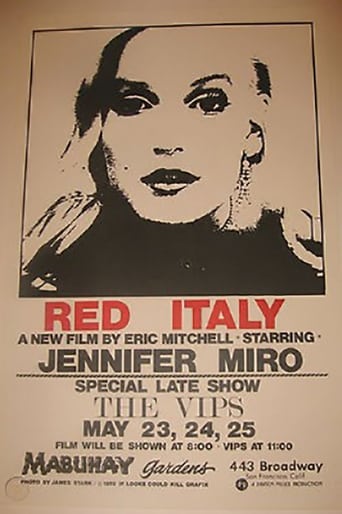 4.0
4.0Second feature film by the French-born director is a Bertolucci-style story of a bored, rich woman looking for romance and adventure. She meets an American G.I., dumps him, then falls for a Communist worker.
Red Italy
1979
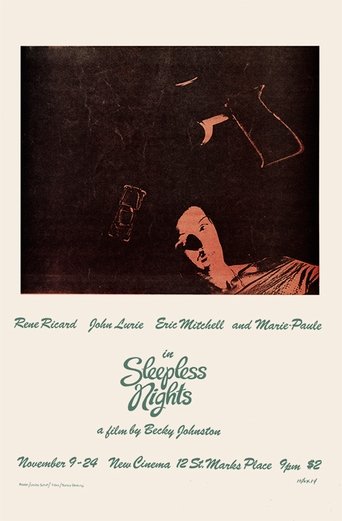 NR
NRNew Cinema cofounder Becky Johnston recently described this little-seen feature as “an East Village reinvention of the Otto Preminger movie *Laura*” that plays “fast and loose with the noir detective genre.”
Sleepless Nights
1979
1960s · 9 titles
5.5Follows various residents of the Chelsea Hotel in 1966 New York City.
Chelsea Girls
1966
The story of two men (Ed Hood, Patrick Fleming ) in bed whose assignation gets interrupted by friends and neighbours. Hood tries to maintain control of Fleming, as well as the situation, while everyone talks, drinks, smokes, and wrestles on his bed. Double-screen projection runs at 66 minutes.
The John
1966
8.0The films were made between 1964 and 1966 at Warhol's Factory studio in New York City. Subjects were captured in stark relief by a strong key light, and filmed by Warhol with his stationary 16mm Bolex camera on silent, black and white, 100-foot rolls of film at 24 frames per second. The resulting two-and-a-half-minute film reels were then screened in 'slow motion' at 16 frames per second.
Andy Warhol Screen Tests
1965
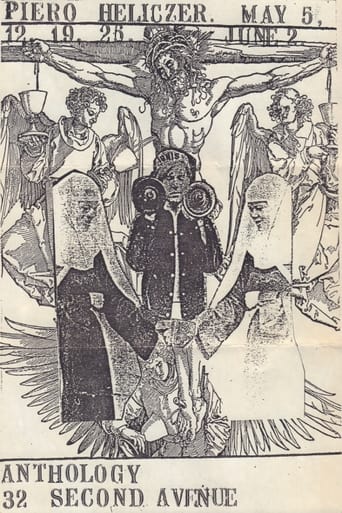 NR
NRThe story of Joan of Arc as applied to the present revolution in arts and more. The Gothic is applied to the War in Vietnam. The film is experimental in the sense that in it the visual becomes tactile.
Joan of Arc
1967
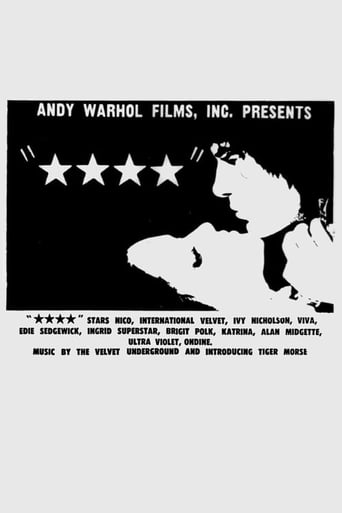 4.7
4.7Photographed entirely in color, Four Stars was projected in its complete length of nearly 25 hours (allowing for projection overlap of the 35-minute reels) only once, at the Film-Makers' Cinematheque in New York City. The imagery in the film is dense, wearying and beautiful, but ultimately hard to decipher, for, in contrast to his earlier, and more famous film Chelsea Girls, made in 1966, Warhol insisted that two reels be screened simultaneously on top of each other on a single screen, rather than side-by-side. The film's title is a pun on the rating system used by critics to rank films, with "four stars" being the highest rating. From Wikipedia.
Four Stars
1967
 10.0
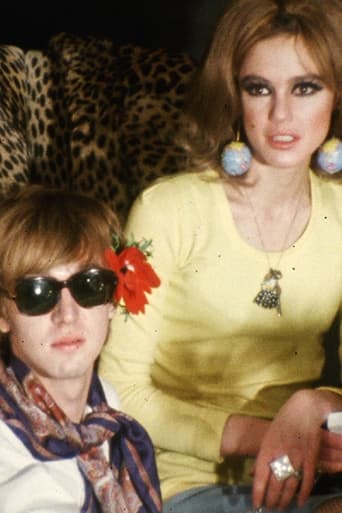
10.0Andy Warhol (Rene Ricard) invites a friend (Edie Sedgwick) over to his apartment one evening to discuss his career. As they talk, the truth about how Warhol uses and then throws people away comes out. The woman begins to come undone and reveals to Warhol how he ruined her life with drugs and false promises of fame.
The Andy Warhol Story
1966
 7.5
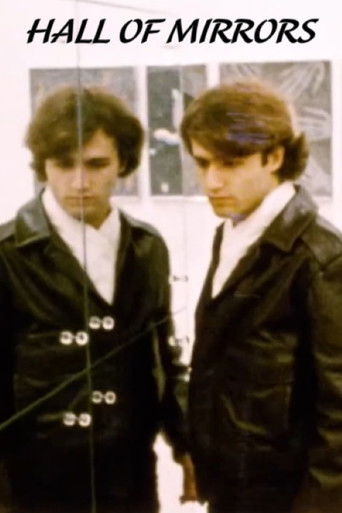
7.5This film is an outgrowth of one of Sonbert's film classes at NYU, in which he was given outtakes from a Hollywood film photographed by Hal Mohr to re-edit into a narrative sequence. Adding to this found footage, Sonbert filmed Warhol's superstars Rene Ricard and Gerard Malanga in more private and reflective moments. -- Jon Gartenberg. Preserved by the Academy Film Archive in partnership with Estate Project for Artists with AIDS in 1998.
Hall of Mirrors
1966
 6.9
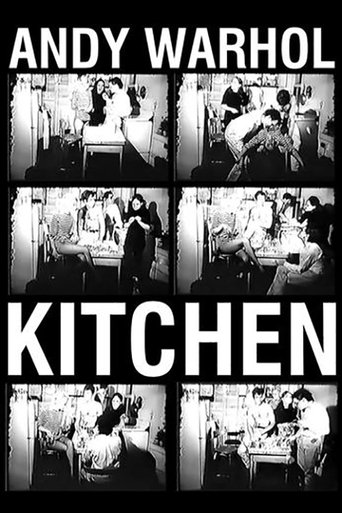
6.9Instructed by Warhol to write a vehicle for Edie Sedgwick in a “completely white” setting, scenarist Ronald Tavel created one of Warhol’s most iconic films. Here a group of performers of all stripes – the sink and litter basket receive equal billing to the human actors – are forced into Warhol and Tavel’s cruelly comical theatre of the absurd. Inside this cramped domestic space, boredom, confusion and a sense of existential dread hang heavy in the air. Warhol and Tavel transform the modern 1960s kitchen – replete with the latest gadgets and conveniences – into a chaotic laboratory for self-creation and interpersonal conflict.
Kitchen
1966
Rene Ricard in a lost Screen Test. The image was reproduced on the cover of the book ‘Screen Tests/A Diary’ (New York: Kulchar Press, 1967).
SCREEN TEST [ST276]: RENE RICARD
1966