
Directing
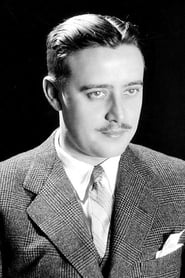
Edgar Neville
Born — Died
1899-12-28 — 1967-04-23
Place of birth
Madrid, Spain
Known for
Directing
Credits
42 titles
Edgar Neville Romrée, Count of Berlanga de Duero (1899-1967) was a Spanish diplomat, playwright, and film director. He is considered one of the best directors of post-war Spain. Neville's life could be regarded as eventful. After a short participation in the Rif War as a hussar, Neville entered the artistic world, making friends with figures such as José López Rubio, Luis Buñuel, Federico García Lorca, Manuel de Falla, and Salvador Dalí. At the same time, in 1922 he became a diplomat, thanks to which he travelled the world until he settled in Los Angeles. There he met Charles Chaplin, who introduced him to the industry as a writer. In the 1930s, he returned to Spain and became romanticall…
Known for
A parody of the current affairs news format built upon autonomous pieces.
Fake News
1933
 7.0
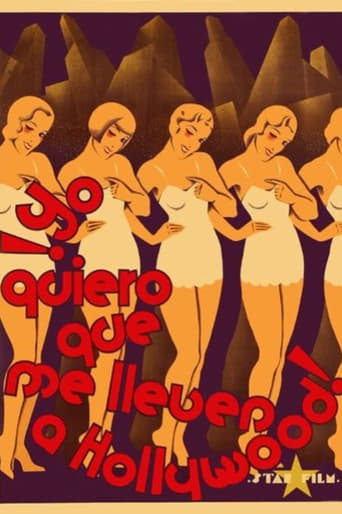
7.0This Spanish lost film showed various episodes where several Spanish try to achieve their dream about going to Hollywood.
Yo quiero que me lleven a Hollywood
1931
 6.3
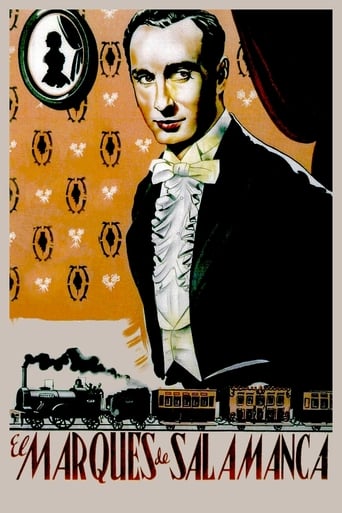
6.3José de Salamanca was arguably one of the most influential figures of the Spanish 1800s. This films tells his story.
The Marquis of Salamanca
1948
 5.6
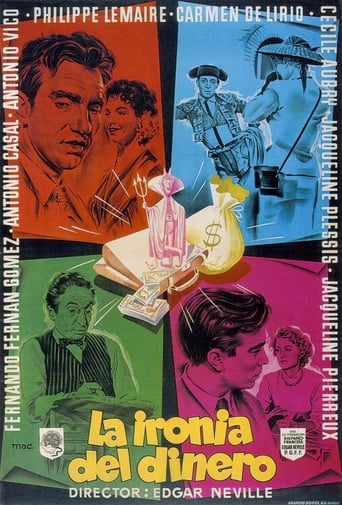
5.6The finding of a wallet with a lot of money is the common theme of four stories, featuring a shoeshine from Seville, a clerk from Salamanca, a bullfighter from Cuenca and a newspapers seller from Paris.
The Irony of Money
1957
 NR
NRFilm about the flamenco singer Dolores Parrales Moreno "La Parrala".
La Parrala
1941
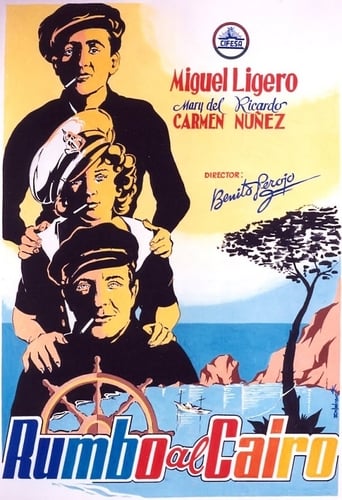 9.0
9.0No synopsis available yet.
Bound for Cairo
1935
Film credits
Behind the camera
A parody of the current affairs news format built upon autonomous pieces.
Fake News
1933
A parody of the current affairs news format built upon autonomous pieces.
Fake News
1933
7.0This Spanish lost film showed various episodes where several Spanish try to achieve their dream about going to Hollywood.
Yo quiero que me lleven a Hollywood
1931
7.0This Spanish lost film showed various episodes where several Spanish try to achieve their dream about going to Hollywood.
Yo quiero que me lleven a Hollywood
1931
6.3José de Salamanca was arguably one of the most influential figures of the Spanish 1800s. This films tells his story.
The Marquis of Salamanca
1948
6.3José de Salamanca was arguably one of the most influential figures of the Spanish 1800s. This films tells his story.
The Marquis of Salamanca
1948
6.3José de Salamanca was arguably one of the most influential figures of the Spanish 1800s. This films tells his story.
The Marquis of Salamanca
1948
5.6The finding of a wallet with a lot of money is the common theme of four stories, featuring a shoeshine from Seville, a clerk from Salamanca, a bullfighter from Cuenca and a newspapers seller from Paris.
The Irony of Money
1957
5.6The finding of a wallet with a lot of money is the common theme of four stories, featuring a shoeshine from Seville, a clerk from Salamanca, a bullfighter from Cuenca and a newspapers seller from Paris.
The Irony of Money
1957
5.6The finding of a wallet with a lot of money is the common theme of four stories, featuring a shoeshine from Seville, a clerk from Salamanca, a bullfighter from Cuenca and a newspapers seller from Paris.
The Irony of Money
1957
NRFilm about the flamenco singer Dolores Parrales Moreno "La Parrala".
La Parrala
1941
NRFilm about the flamenco singer Dolores Parrales Moreno "La Parrala".
La Parrala
1941
9.0No synopsis available yet.
Bound for Cairo
1935
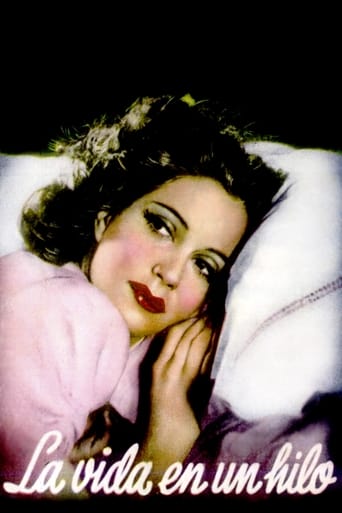 6.1
6.1After her husband's sudden death, a young widow leaves her small town to start anew in the big city. On the train, she meets a fortune teller who will fill her in about the life she could've led had she never met her late husband.
La vida en un hilo
1945
6.1After her husband's sudden death, a young widow leaves her small town to start anew in the big city. On the train, she meets a fortune teller who will fill her in about the life she could've led had she never met her late husband.
La vida en un hilo
1945
6.1After her husband's sudden death, a young widow leaves her small town to start anew in the big city. On the train, she meets a fortune teller who will fill her in about the life she could've led had she never met her late husband.
La vida en un hilo
1945
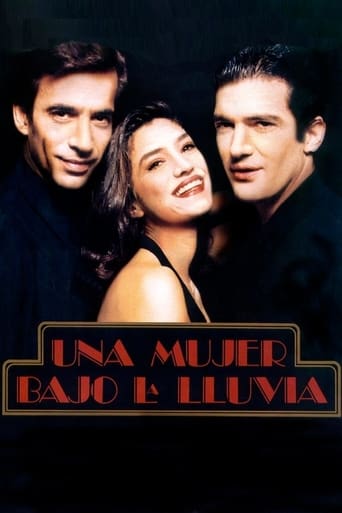 5.4
5.4No synopsis available yet.
Una mujer bajo la lluvia
1992
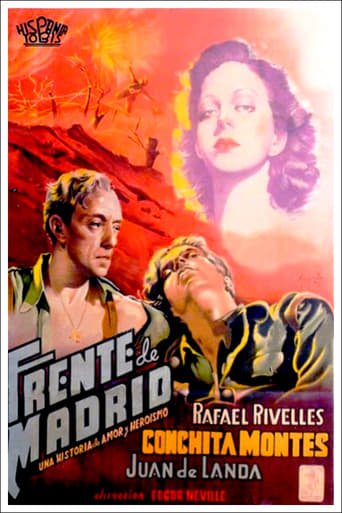 6.6
6.6Javier Navarro, a Falangist, is ordered to infiltrate Republican Madrid to deliver a message to a member of the Fifth Column.
Carmen and the Reds
1939
6.6Javier Navarro, a Falangist, is ordered to infiltrate Republican Madrid to deliver a message to a member of the Fifth Column.
Carmen and the Reds
1939
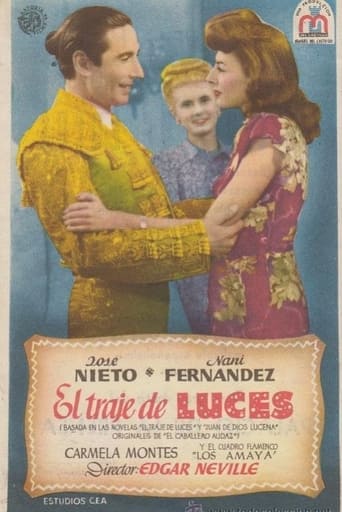 NR
NRA young bullfighter full of illusions triumphs in Mexico and decides to get married there and forget about his old Spanish girlfriend, who by then has just given birth to his son.
The Bullfighter's Suit
1947
NRA young bullfighter full of illusions triumphs in Mexico and decides to get married there and forget about his old Spanish girlfriend, who by then has just given birth to his son.
The Bullfighter's Suit
1947
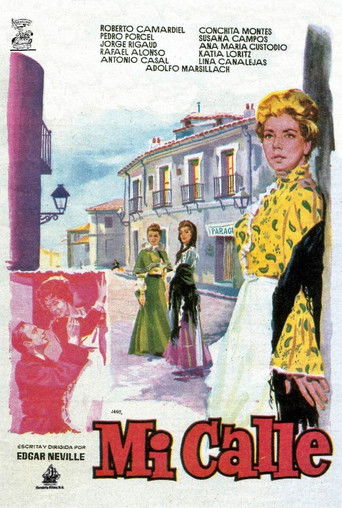 6.6
6.6Life events around a city street and its residents are told along the years while time goes by, wars break out and end and life evolves.
Mi calle
1960
6.6Life events around a city street and its residents are told along the years while time goes by, wars break out and end and life evolves.
Mi calle
1960
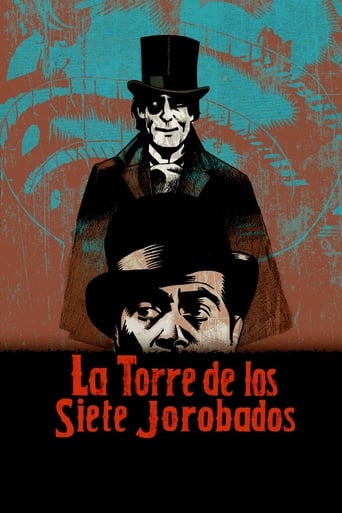 6.5
6.5In Madrid, Spain, at the end of the 19th century, the young and reckless Basilio seems to be the only person who perceives the spectral presence of Professor Robinsón de Mantua, who begs him to take care of his niece Inés, because she is in grave danger.
La torre de los siete jorobados
1944
6.5In Madrid, Spain, at the end of the 19th century, the young and reckless Basilio seems to be the only person who perceives the spectral presence of Professor Robinsón de Mantua, who begs him to take care of his niece Inés, because she is in grave danger.
La torre de los siete jorobados
1944
This Spanish lost film was a parody of the zarzuela genre.
Do, re, mi, fa, sol, la, si
1935
This Spanish lost film was a parody of the zarzuela genre.
Do, re, mi, fa, sol, la, si
1935
 6.4
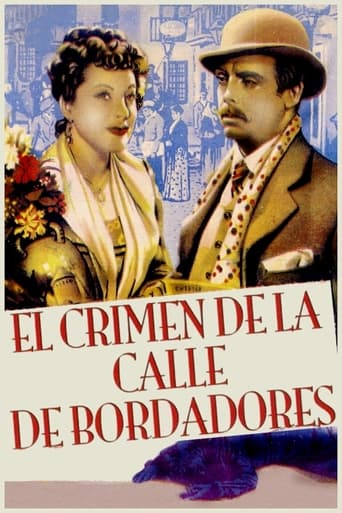
6.4Madrid, late 19th century. A wealthy woman is found murdered in her home and her maid seems to be the main suspect; but her statement further entangles the case.
The Crime of Bordadores Street
1946
6.4Madrid, late 19th century. A wealthy woman is found murdered in her home and her maid seems to be the main suspect; but her statement further entangles the case.
The Crime of Bordadores Street
1946
 NR
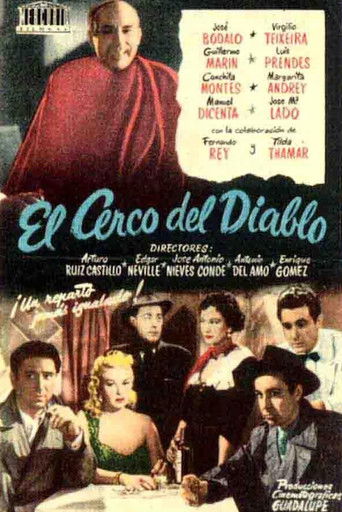
NRDivided in several episodes, this film presents different stories that share the fantasy theme.
The Devil's Roundup
1952
NRDivided in several episodes, this film presents different stories that share the fantasy theme.
The Devil's Roundup
1952
 5.8
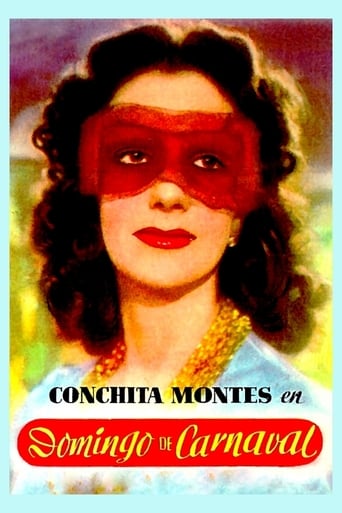
5.8Madrid, Carnival Sunday. A night watchman finds the body of a woman, a rich and greedy moneylender who has apparently been murdered. The prime suspect is a watchmaker who owed her a lot of money.
Carnival Sunday
1945
5.8Madrid, Carnival Sunday. A night watchman finds the body of a woman, a rich and greedy moneylender who has apparently been murdered. The prime suspect is a watchmaker who owed her a lot of money.
Carnival Sunday
1945
5.8Madrid, Carnival Sunday. A night watchman finds the body of a woman, a rich and greedy moneylender who has apparently been murdered. The prime suspect is a watchmaker who owed her a lot of money.
Carnival Sunday
1945
 7.0
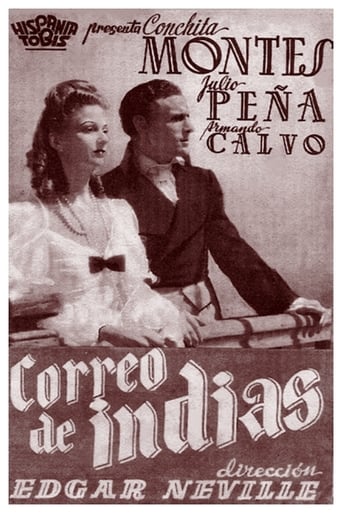
7.0A Dutch sailing ship finds the wreckage of a Spanish mail ship, which has collided with an iceberg. Inside, the bodies of a man and a woman are found embraced.
Correo de Indias
1942
7.0A Dutch sailing ship finds the wreckage of a Spanish mail ship, which has collided with an iceberg. Inside, the bodies of a man and a woman are found embraced.
Correo de Indias
1942
 6.0
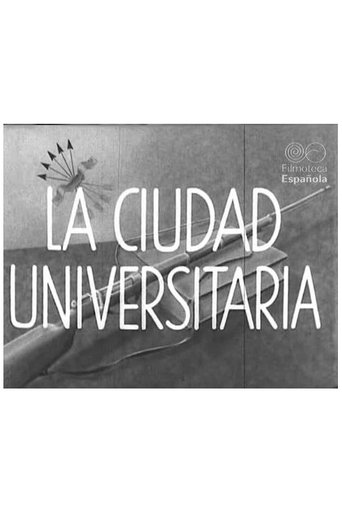
6.0War propaganda directed by Edgar Neville about the Madrid Front.
Ciudad Universitaria
1938
6.0War propaganda directed by Edgar Neville about the Madrid Front.
Ciudad Universitaria
1938
 7.0
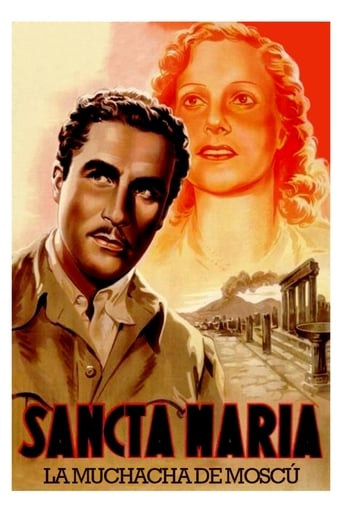
7.0Nadia, a young Soviet journalist who is passing through Pompeii, discovers the power that comes from the Catholic faith when the painter she loves, Paolo, and who saved her from drowning during the shipwreck of the cruise in which they met, is at the gates of death because of a serious illness whose symptoms are similar to those of leprosy.
Sancta Maria
1942
7.0Nadia, a young Soviet journalist who is passing through Pompeii, discovers the power that comes from the Catholic faith when the painter she loves, Paolo, and who saved her from drowning during the shipwreck of the cruise in which they met, is at the gates of death because of a serious illness whose symptoms are similar to those of leprosy.
Sancta Maria
1942