
Acting
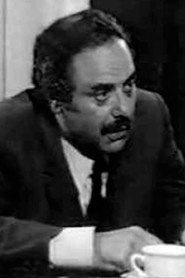
Allel El Mouhib
Born — Died
1920-03-01 — 1995-12-04
Place of birth
Alger, Algeria
Known for
Acting
Credits
7 titles
Allel El Mouhib (Arabic: علال المحب), born March 1, 1920, in Algiers, and died December 4, 1995, was an Algerian writer, actor, and director. He is particularly known for his roles in Algerian films from the 1960s to the 1980s. Allel El Mouhib began his career in a theater troupe of the Algerian Muslim Scouts. He was then noticed by the theater director Mahieddine Bachtarzi, who gave him roles in "El 'Abd El Abied" and later "Antil." In 1955, while in France, he trained in directing. He subsequently directed Sophocles' "Antigone," a play in which he also starred. Upon Algeria's independence in 1962, he joined the Algerian National Theatre as an actor and director, while simultaneously becom…
Known for
 7.8
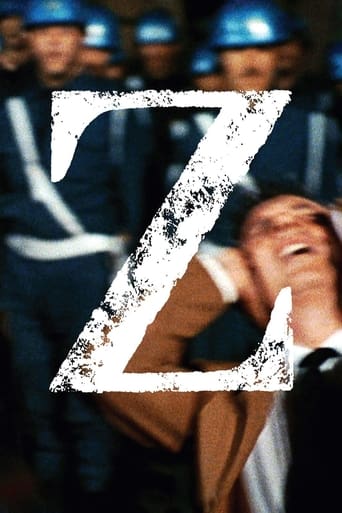
7.8A prominent politician is murdered during a demonstration. The government and army are trying to suppress the truth, but a tenacious magistrate is determined not to let them get away with it.
Z
1969
 10.0
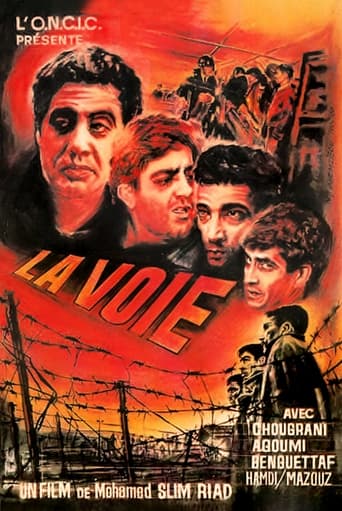
10.0The Algerian War is seen through the eyes of a group of Algerian freedom-fighters who have been captured and incarcerated in French-run military prisons both in France and Algeria. In addition to attempts at escape, this prison drama also includes propaganda and brainwashing attempts by the French and scenes of torture. In what is possibly the most horrible torture of all, the inmates are forced to listen to broadcast speeches by General Charles de Gaulle -- speeches which illustrate the changing relations between the French and the Algerians.
The Way
1967
 9.5
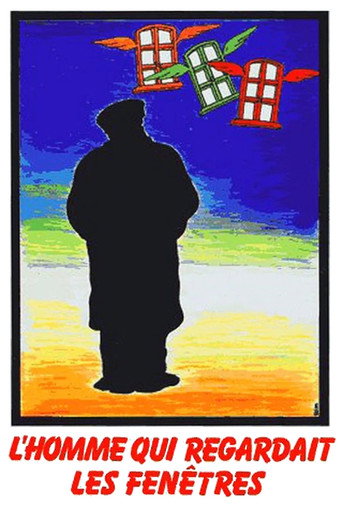
9.5A police office in Algiers sometime after independence. Mr Rachid, father, around fifty years old, former colonial official transferred to the cinema annex library. Mr. Rachid, disappointed and exasperated by his sad life, faced with an inspector who questions him, tries to explain: why did he kill his former department head after a long night of wandering?
The Man Who Watched Windows
1985
 10.0
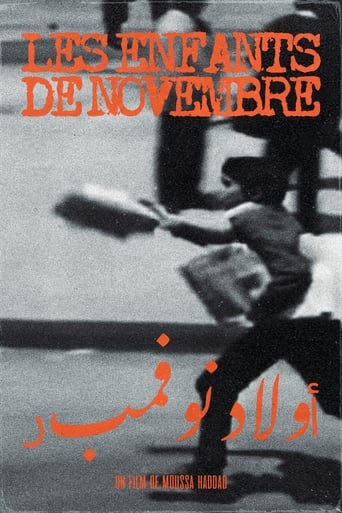
10.0In the streets of the Casbah of Algiers, an FLN fighter pursued by the colonial police hands over confidential documents to Mourad, an Algerian child shouting newspapers who must at all costs pass them on to the resistance. But the police are on their trail and will do anything to get them back.
Les Enfants de Novembre
1975
 8.5
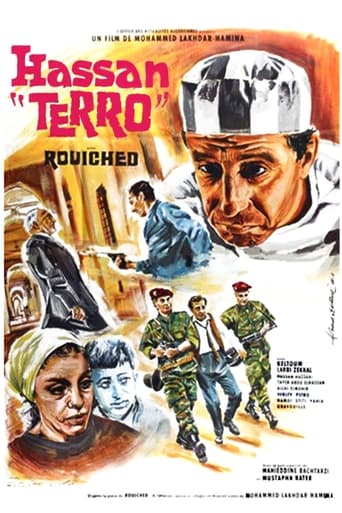
8.5While he tries by all means to stay out of the bloody upheavals caused by the battle of Algiers, Hassan, an honest and naive father, unknowingly offers hospitality to a mujahid actively sought by the army. French. A series of events and misunderstandings quickly catapult him to the forefront, presenting him under the pseudonym “Hassan Terro”, a great fictitious terrorist who would have sworn the doom of the French army...
Hassan Terro
1968
 10.0
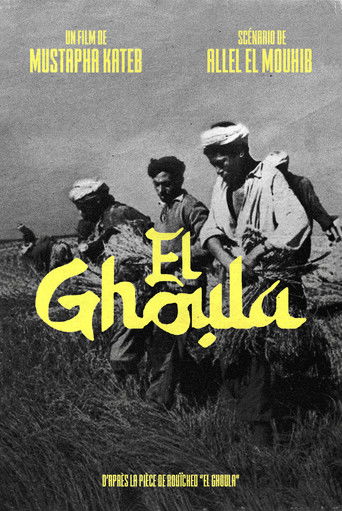
10.0An adaptation of the satirical play of the same name by comedian Rouïched (Ahmed Ayad). "El-Ghoula" (The Vampire) tells the story of a corrupt official who lives off the peasants of an agricultural cooperative. Instead of solving problems, this official manipulates empty rhetoric and "revolutionary" slogans to galvanize them and encourage them to continue working. Opportunistic, he will transform the fellahs' work into chaotic bureaucratic procedures for his own personal gain.
El Ghoula
1972
Film credits
1970s · 2 titles
10.0In the streets of the Casbah of Algiers, an FLN fighter pursued by the colonial police hands over confidential documents to Mourad, an Algerian child shouting newspapers who must at all costs pass them on to the resistance. But the police are on their trail and will do anything to get them back.
Les Enfants de Novembre
1975
10.0An adaptation of the satirical play of the same name by comedian Rouïched (Ahmed Ayad). "El-Ghoula" (The Vampire) tells the story of a corrupt official who lives off the peasants of an agricultural cooperative. Instead of solving problems, this official manipulates empty rhetoric and "revolutionary" slogans to galvanize them and encourage them to continue working. Opportunistic, he will transform the fellahs' work into chaotic bureaucratic procedures for his own personal gain.
El Ghoula
1972
1960s · 3 titles
7.8A prominent politician is murdered during a demonstration. The government and army are trying to suppress the truth, but a tenacious magistrate is determined not to let them get away with it.
Z
1969
10.0The Algerian War is seen through the eyes of a group of Algerian freedom-fighters who have been captured and incarcerated in French-run military prisons both in France and Algeria. In addition to attempts at escape, this prison drama also includes propaganda and brainwashing attempts by the French and scenes of torture. In what is possibly the most horrible torture of all, the inmates are forced to listen to broadcast speeches by General Charles de Gaulle -- speeches which illustrate the changing relations between the French and the Algerians.
The Way
1967
8.5While he tries by all means to stay out of the bloody upheavals caused by the battle of Algiers, Hassan, an honest and naive father, unknowingly offers hospitality to a mujahid actively sought by the army. French. A series of events and misunderstandings quickly catapult him to the forefront, presenting him under the pseudonym “Hassan Terro”, a great fictitious terrorist who would have sworn the doom of the French army...
Hassan Terro
1968