
Acting
Hadj Smaine Mohamed Seghir
Born — Died
1932-10-29 — 2021-09-06
Place of birth
Constantine, Algérie
Known for
Acting
Credits
13 titles
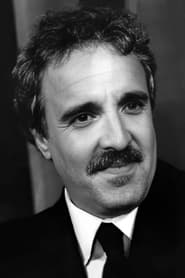
Hadj Smaine Mohamed Seghir, (often credited Hadj Smaine) born October 29, 1932 in Constantine, and died September 6, 2021 in Los Angeles, is an Algerian actor and director. At that time, Constantine was considered a place giving great importance to religion, culture, art, and Algerian Arab-Muslim traditions. Hadj Smaine grew up in Constantine with his family and friends who loved art and culture in general; cinema, music, scouting, sports such as swimming in Sidi M'Sid. With his scout friends, Hadj Smaine played sketches inspired by the films they watched in the city's theaters. With friends, they went to the Constantine film club (ex. Université Populaire, Abdelhamid Ben Badis Center curre…
Known for
 7.9
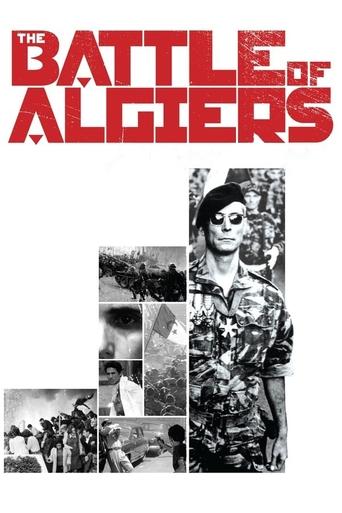
Former petty criminal Ali la Pointe becomes a commander of the Algerian Front de Liberation Nationale, directing a guerilla insurgency against the colonial French occupation. Paratrooper commander Colonel Phillippe Mathieu, a veteran of World War II and the First Indochina War, is sent to Algeria to reinforce efforts to squelch the uprisings.
The Battle of Algiers
1966
 9.5
A police office in Algiers sometime after independence. Mr Rachid, father, around fifty years old, former colonial official transferred to the cinema annex library. Mr. Rachid, disappointed and exasperated by his sad life, faced with an inspector who questions him, tries to explain: why did he kill his former department head after a long night of wandering?
The Man Who Watched Windows
1985
 NR
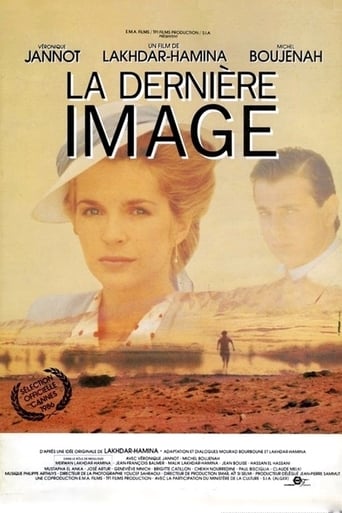
Seen through the filtered lens of boyhood memories, award-winning director Mohamed Lakhdar-Hamina crafted this half-fictional, half-autobiographical account of a brief period in the history of an Algerian village. It is 1940, and the quiet town is ruled by French colonialists appointed by the Vichy government. Algerians are being called up for service in the Vichy military, and Jews in the village are in danger of deportation. A beautiful young schoolteacher named Claire Boyer (Veronique Jannot) arrives in town and turns every male head within miles, including 14-year-old Mouloud (Merwan Lakhdar-Hamina, the director's son). Simon Attal (Michel Boujenah), a fellow teacher and a Jew, is also attracted to Claire, and so is Mouloud's older brother. Suddenly two murders occur in the village, Simon is in danger of being deported, and the tone shifts from the dreams of boyhood to the realities of manhood.
Last Image
1986
 6.6
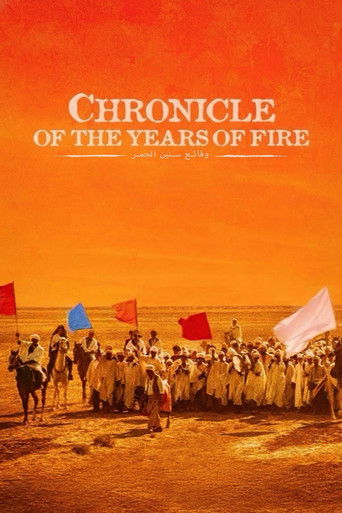
A meticulous chronicle of the evolution of the Algerian national movement from 1939 until the outbreak of the revolution on November 1, 1954, the film unequivocally demonstrates that the "Algerian War" is not an accident of history, but a slow process of suffering and warlike revolts, uninterrupted, from the start of colonization in 1830, until this "Red All Saints' Day" of November 1, 1954. At its center, Ahmed gradually awakens to political awareness against colonization, under the gaze of his son, a symbol of the new Algeria, and that of Miloud, half-mad haranguer, half-prophet, incarnation of Popular memory of the revolt, the liberation of Algeria and its people.
Chronicle of the Years of Fire
1975
 10.0
In 1880, in colonized Algeria, it was decided that the Algerian peasants of the Ouarsenis mountains would see their lands dispossessed in favor of the French colonists. Two methods were used to achieve this, either by sheer force or by a ploy forcing the fellahs to pay fines too high to be paid. The uprooted must then leave for the cities, swelling the mass of proletarians in the slums ...
The Uprooted
1977
 10.0
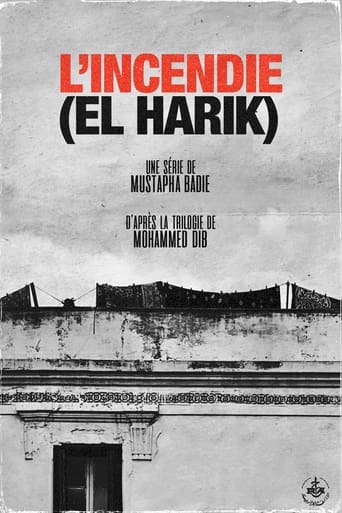
In 1939 in eastern Algeria, Omar, a young boy of ten, lives with his family in a room in Dar Sbitar, a house shared by several families who overcome the trials they go through every day to ensure their subsistence. Her deceased father is Aïni, the mother, who bleeds herself from all four veins to keep her children and their grandmother alive. The families of Dar Sbitar share their intimacy and their daily life, this life animates the big house, which itself becomes a character in its own right. "El Harik" (The Fire), is an Algerian drama series in 10 episodes adapted from Mohamed Dib's trilogy "The Big House", "The Fire" and "The Loom".
L’Incendie (El Harik)
1974
Film credits

1980s · 3 titles
9.5A police office in Algiers sometime after independence. Mr Rachid, father, around fifty years old, former colonial official transferred to the cinema annex library. Mr. Rachid, disappointed and exasperated by his sad life, faced with an inspector who questions him, tries to explain: why did he kill his former department head after a long night of wandering?
The Man Who Watched Windows
1985
NRSeen through the filtered lens of boyhood memories, award-winning director Mohamed Lakhdar-Hamina crafted this half-fictional, half-autobiographical account of a brief period in the history of an Algerian village. It is 1940, and the quiet town is ruled by French colonialists appointed by the Vichy government. Algerians are being called up for service in the Vichy military, and Jews in the village are in danger of deportation. A beautiful young schoolteacher named Claire Boyer (Veronique Jannot) arrives in town and turns every male head within miles, including 14-year-old Mouloud (Merwan Lakhdar-Hamina, the director's son). Simon Attal (Michel Boujenah), a fellow teacher and a Jew, is also attracted to Claire, and so is Mouloud's older brother. Suddenly two murders occur in the village, Simon is in danger of being deported, and the tone shifts from the dreams of boyhood to the realities of manhood.
Last Image
1986
 10.0
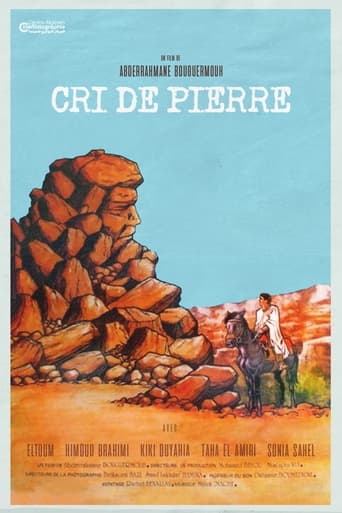
Led by Daoudi, a disenchanted architect, a group of Constantines return to their village in deep Algeria where a young man delivers to them words of boyish wisdom inherited from his deceased grandfather..
Cry of Stone
1987
1970s · 5 titles
6.6A meticulous chronicle of the evolution of the Algerian national movement from 1939 until the outbreak of the revolution on November 1, 1954, the film unequivocally demonstrates that the "Algerian War" is not an accident of history, but a slow process of suffering and warlike revolts, uninterrupted, from the start of colonization in 1830, until this "Red All Saints' Day" of November 1, 1954. At its center, Ahmed gradually awakens to political awareness against colonization, under the gaze of his son, a symbol of the new Algeria, and that of Miloud, half-mad haranguer, half-prophet, incarnation of Popular memory of the revolt, the liberation of Algeria and its people.
Chronicle of the Years of Fire
1975
10.0In 1880, in colonized Algeria, it was decided that the Algerian peasants of the Ouarsenis mountains would see their lands dispossessed in favor of the French colonists. Two methods were used to achieve this, either by sheer force or by a ploy forcing the fellahs to pay fines too high to be paid. The uprooted must then leave for the cities, swelling the mass of proletarians in the slums ...
The Uprooted
1977
 10.0
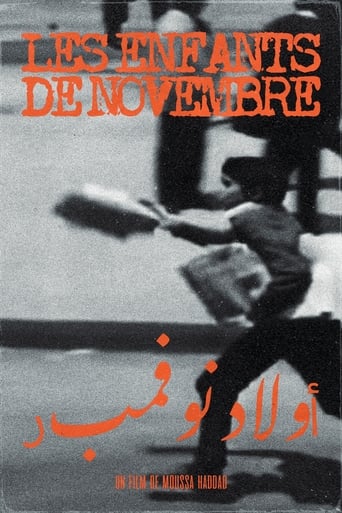
In the streets of the Casbah of Algiers, an FLN fighter pursued by the colonial police hands over confidential documents to Mourad, an Algerian child shouting newspapers who must at all costs pass them on to the resistance. But the police are on their trail and will do anything to get them back.
Les Enfants de Novembre
1975
 8.0
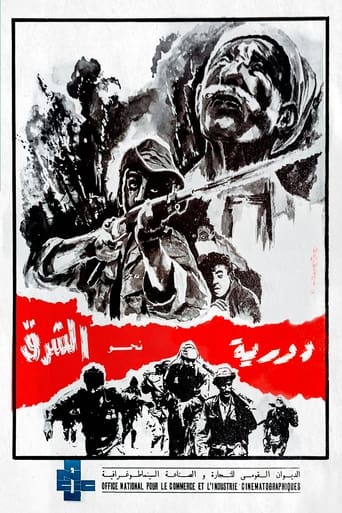
The film traces the story of a patrol of the Algerian National Liberation Army (ALN), whose mission is to transport a prisoner French soldier to the Tunisian border. Through the march of this group of guerrillas we witness the spirit of sacrifice and combativeness of these men from the people. The patrol will be decimated, but a young peasant will take over and complete the mission.
Patrol in the East
1971
 10.0
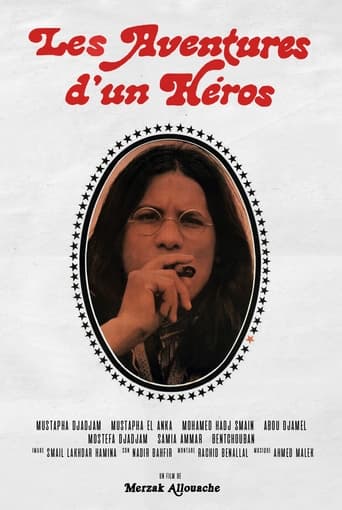
In one of the tribes of the Algerian Sahara, everyone awaits the arrival of the hero who will defend the rights of the poor. A man decides one day to put the mark of the "hero" on his newborn son and the whole tribe celebrates the arrival of this eagerly awaited messiah who came to save them. This false hero then grows up by assuming his role of savior. Filled with cynicism, he crosses the countryside and has a number of adventures.
The Adventures of a Hero
1979
1960s · 2 titles
7.9Former petty criminal Ali la Pointe becomes a commander of the Algerian Front de Liberation Nationale, directing a guerilla insurgency against the colonial French occupation. Paratrooper commander Colonel Phillippe Mathieu, a veteran of World War II and the First Indochina War, is sent to Algeria to reinforce efforts to squelch the uprisings.
The Battle of Algiers
1966
 6.8
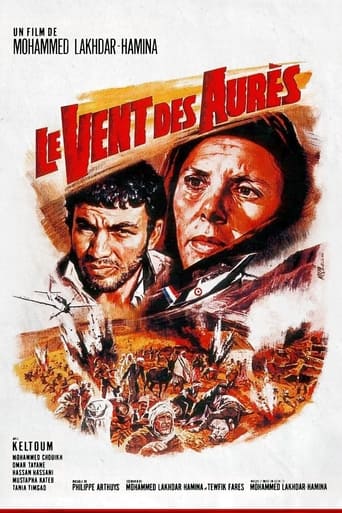
The transformations of the daily life of the Algerian people during the destructive French occupation, then during the war of liberation. While military repression is in full swing, a peasant woman finds herself alone in her mountain home when her only son is kidnapped by French soldiers shortly after her husband's death during a raid. One day, seeing a dead chicken, which she considers a bad omen, she decides to leave home and embarks on a painful journey through the mountains. Accompanied by a couple of chickens, she moves from one detention camp to another in a desperate search for her missing son. The film is inspired by the events experienced by the director's family.
The Winds of the Aures
1967