
Directing
Farouk Beloufa
Born — Died
1947-04-09 — 2018-04-09
Place of birth
Oued Fodda, Algérie
Known for
Directing
Credits
9 titles
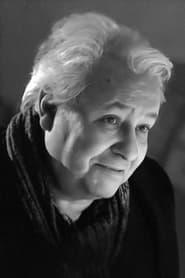
Farouk Beloufa (فاروق بلوفة), born in 1947 in Oued Fodda in Algeria, is an Algerian film critic and director. He is the father of the Franco-Algerian filmmaker and visual artist Neïl Beloufa. Farouk Beloufa studied cinema at INC, this Algerian film school that quickly disappeared, before graduating from IDHEC in Paris. He also took courses at the École Pratique des Hautes Études in Paris, under the direction of Roland Barthes, and presented a thesis on film theory. Upon his return to Algeria, his first major production, "Insurrectionnelle" (1973), was censored, the 90-minute content was reworked and produced without a signature. In 1979, "Nahla", his only feature film, was released, and is…
Known for
 5.0
No synopsis available yet.
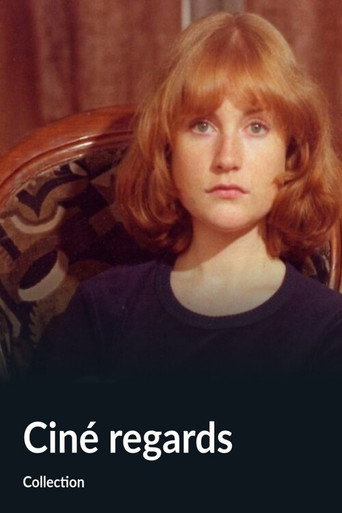
Ciné regards
1978
 10.0
Jacqueline Gozlan - who left Algeria with her parents in 1961 - nostalgically retraces the history of the Algiers Cinematheque, inseparable from that of the country's Independence, through film extracts and numerous testimonies; notably that of one of its creators, Jean-Michel Arnold, but also of filmmakers such as Merzak Allouache and critics such as Jean Douchet. A place of life for Algerians, the Cinémathèque was the hub of African cinemas. Created in 1965 by Ahmed Hocine, Mahieddine Moussaoui and Jean-Michel Arnold, the Cinémathèque benefited from the excitement of Independence. The Cinematheque becomes a meeting place for Algiers society, future filmmakers find their best school there. In 1969, the Algiers Pan-African Festival brought together all African filmmakers, and from 1970, Boudjemâa Kareche developed a collection of Arab and African films.
My Story Is Not Yet Written
2017
 7.0
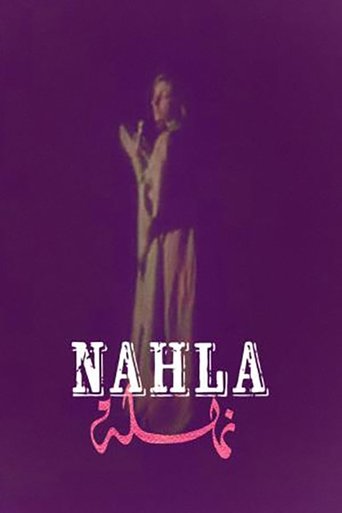
After the battle of Kfar Chouba in Lebanon in January 1975, Larbi Nasri, a young Algerian journalist, was caught in the whirlwind of events preceding the civil war. Linked to Maha, Hind, Raouf and Michel who surround Nahla, he witnesses the construction of the myth of Nahla, a singer adored by the Arab population. One day Nahla loses her voice on stage. The atmosphere of crisis that reigns around her is spreading like an infection. Larbi, fascinated, loses his footing and gets bogged down.
Nahla
1979
 9.0
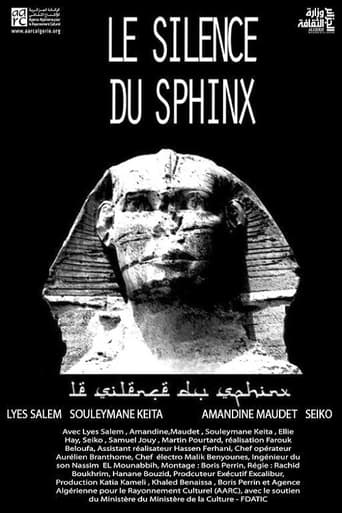
As usual, Slim goes to the Point Ephémère bar in Paris to have a last drink. As is often the case, he finds Lily there, an eccentric and intriguing character, then Seiko, whom he knew as a child soldier, once in Sierra Leone. While he listens to Lily tell him a few stories, Slim watches the Seiko ride, tracked and soon arrested by two plainclothes police officers.
Le Silence Du Sphinx
2010
 6.4
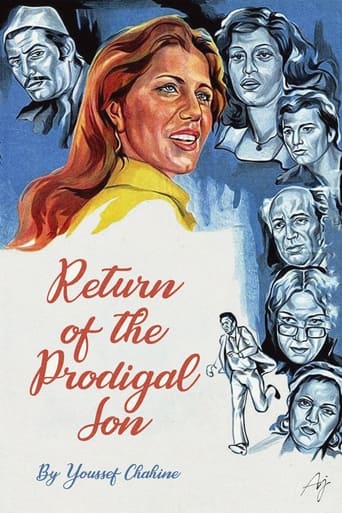
Freed after spending years in prison, an activist's homecoming turns into a dark affair as his disillusion clashes with his family's expectations. Demonstrating Chahine’s eclecticism, this is an elegant melodrama, exuberant musical, layered allegory, and profound portrait of personal and political disillusionment.
Return of the Prodigal Son
1976
 NR
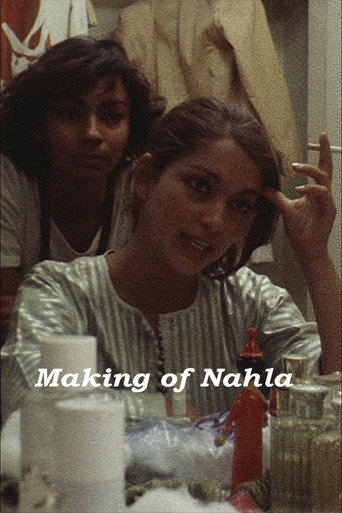
Jocelyne Saab, a young Lebanese journalist and director, interviews the director and the film crew while filming Nahla in Beirut.
Making of Nahla
1979
Film credits
2010s · 2 titles
10.0Jacqueline Gozlan - who left Algeria with her parents in 1961 - nostalgically retraces the history of the Algiers Cinematheque, inseparable from that of the country's Independence, through film extracts and numerous testimonies; notably that of one of its creators, Jean-Michel Arnold, but also of filmmakers such as Merzak Allouache and critics such as Jean Douchet. A place of life for Algerians, the Cinémathèque was the hub of African cinemas. Created in 1965 by Ahmed Hocine, Mahieddine Moussaoui and Jean-Michel Arnold, the Cinémathèque benefited from the excitement of Independence. The Cinematheque becomes a meeting place for Algiers society, future filmmakers find their best school there. In 1969, the Algiers Pan-African Festival brought together all African filmmakers, and from 1970, Boudjemâa Kareche developed a collection of Arab and African films.
My Story Is Not Yet Written
2017
 NR
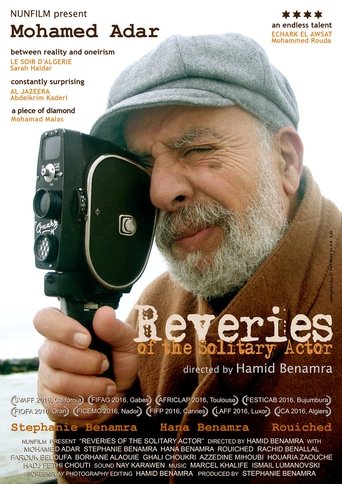
Adar, an old actor who loves both theater and cinema. Its character portrays a play about a shoemaker whose dream is to create a political party, the Nail Party, in order to represent the common people in the presidential election in Algeria. It is a story of absence, memories of absence.
Reveries of the Solitary Actor
2016
Series credits
Behind the camera
7.0After the battle of Kfar Chouba in Lebanon in January 1975, Larbi Nasri, a young Algerian journalist, was caught in the whirlwind of events preceding the civil war. Linked to Maha, Hind, Raouf and Michel who surround Nahla, he witnesses the construction of the myth of Nahla, a singer adored by the Arab population. One day Nahla loses her voice on stage. The atmosphere of crisis that reigns around her is spreading like an infection. Larbi, fascinated, loses his footing and gets bogged down.
Nahla
1979
9.0As usual, Slim goes to the Point Ephémère bar in Paris to have a last drink. As is often the case, he finds Lily there, an eccentric and intriguing character, then Seiko, whom he knew as a child soldier, once in Sierra Leone. While he listens to Lily tell him a few stories, Slim watches the Seiko ride, tracked and soon arrested by two plainclothes police officers.
Le Silence Du Sphinx
2010
6.4Freed after spending years in prison, an activist's homecoming turns into a dark affair as his disillusion clashes with his family's expectations. Demonstrating Chahine’s eclecticism, this is an elegant melodrama, exuberant musical, layered allegory, and profound portrait of personal and political disillusionment.
Return of the Prodigal Son
1976