

Acting
Jorma Kaukonen
Born
1940-12-23 (85)
Place of birth
Washington, D.C.
Known for
Acting
Credits
12 titles
Jorma Ludwik Kaukonen, Jr. is an American blues, folk, and rock guitarist. Kaukonen performed with Jefferson Airplane and still performs regularly on tour with Hot Tuna, which started as a side project with bassist Jack Casady, and as of early 2019 has continued for 50 years.
Known for
 7.3
An intimate look into the personal lives of pop music's greatest and most influential artists.
Behind the Music
1997
 7.6
An intimate look at the Woodstock Music & Art Festival held in Bethel, NY in 1969, from preparation through cleanup, with historic access to insiders, blistering concert footage, and portraits of the concertgoers; negative and positive aspects are shown, from drug use by performers to naked fans sliding in the mud, from the collapse of the fences by the unexpected hordes to the surreal arrival of National Guard helicopters with food and medical assistance for the impromptu city of 500,000.
Woodstock
1970
 7.4
A detailed chronicle of the famous 1969 tour of the United States by the British rock band The Rolling Stones, which culminated with the disastrous and tragic concert held on December 6 at the Altamont Speedway Free Festival, an event of historical significance, as it marked the end of an era: the generation of peace and love suddenly became the generation of disillusionment.
Gimme Shelter
1970
 7.0
Legendary rock impresario Bill Graham closed the Fillmore West in early summer 1971 with five nights of all-star concerts, the last curtain going down on July 4. The storied San Francisco venue had become an institution, an integral part of the West Coast music scene of the '60s and, now, an essential element of the mythology of rock 'n' roll. Always the showman, Graham made sure the Fillmore West was sent off in a blaze of glory, spotlighting bands - including the Grateful Dead and Santana-that rose to fame at the hall. The madness leading up to the shows and the concerts themselves were filmed for FILLMORE: THE LAST DAYS, a gritty, behind-the-scenes look at a fascinating moment in rock history and a showcase for great performances by iconic artists who epitomized 'the San Francisco Sound.' Originally released in 1972 and long out-of-print, the documentary film makes its DVD debut with Rhino's landmark reissue.
Last Days at the Fillmore
1972
 6.3
Documentary of a 1970 rock concert held in Rotterdam, The Netherlands.
Stamping Ground
1971
 7.4
Featuring performances by popular artists of the 1960s, this concert film highlights the music of the 1967 California festival. Although not all musicians who performed at the Monterey Pop Festival are on film, some of the notable acts include the Mamas and the Papas, Simon & Garfunkel, Jefferson Airplane, the Who, Otis Redding, and the Jimi Hendrix Experience. Hendrix's post-performance antics -- lighting a guitar on fire, breaking it and tossing a part into the audience -- are captured.
Monterey Pop
1968
Film credits
2000s · 3 titles
 7.5
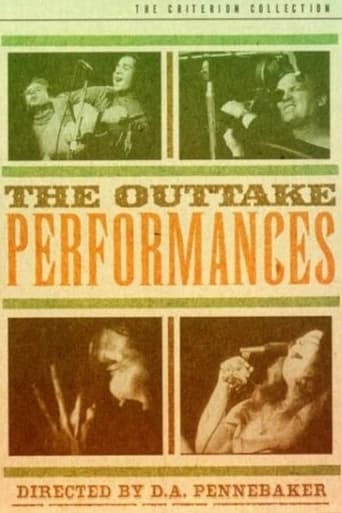
Additional musical performances from the 1967 Monterey Pop Festival in California, shot for the film Monterey Pop (1968) and released on the Criterion Blu-ray The Complete Monterey Pop Festival.
Monterey Pop - The Outtake Performances
2002
 8.8
Showing the journey to the creation of the film Moonlight Mile.
Moonlight Mile: A Journey to Screen
2003
 7.7
Thirteen classic perfomances by Rock and Roll Hall of Fame band Jefferson Airplane, augmented by orginal interviews with the band members and photographs by famed photographer Jim Marshall.
Jefferson Airplane: Fly
2004
1970s · 6 titles
7.6An intimate look at the Woodstock Music & Art Festival held in Bethel, NY in 1969, from preparation through cleanup, with historic access to insiders, blistering concert footage, and portraits of the concertgoers; negative and positive aspects are shown, from drug use by performers to naked fans sliding in the mud, from the collapse of the fences by the unexpected hordes to the surreal arrival of National Guard helicopters with food and medical assistance for the impromptu city of 500,000.
Woodstock
1970
7.4A detailed chronicle of the famous 1969 tour of the United States by the British rock band The Rolling Stones, which culminated with the disastrous and tragic concert held on December 6 at the Altamont Speedway Free Festival, an event of historical significance, as it marked the end of an era: the generation of peace and love suddenly became the generation of disillusionment.
Gimme Shelter
1970
7.0Legendary rock impresario Bill Graham closed the Fillmore West in early summer 1971 with five nights of all-star concerts, the last curtain going down on July 4. The storied San Francisco venue had become an institution, an integral part of the West Coast music scene of the '60s and, now, an essential element of the mythology of rock 'n' roll. Always the showman, Graham made sure the Fillmore West was sent off in a blaze of glory, spotlighting bands - including the Grateful Dead and Santana-that rose to fame at the hall. The madness leading up to the shows and the concerts themselves were filmed for FILLMORE: THE LAST DAYS, a gritty, behind-the-scenes look at a fascinating moment in rock history and a showcase for great performances by iconic artists who epitomized 'the San Francisco Sound.' Originally released in 1972 and long out-of-print, the documentary film makes its DVD debut with Rhino's landmark reissue.
Last Days at the Fillmore
1972
6.3Documentary of a 1970 rock concert held in Rotterdam, The Netherlands.
Stamping Ground
1971
 10.0
This film is straight-ahead footage of Santana, the Grateful Dead, and the Jefferson Airplane playing at The Family Dog in 1970. Each band does two songs, followed by a jam at the end featuring musicians from all of the bands.
San Francisco Rock: A Night at the Family Dog
1970
 6.2
Lighter and livelier than the films Jean-Luc Godard had made in France, his U.S. collaboration with Direct Cinema documentarian D. A. Pennebaker was meant to be One A.M., as in “one American movie”; but Godard quit the project and the U.S., where to his dismay he discovered that revolution wasn’t imminent, and Pennebaker edited Godard’s material, to which he and Richard Leacock even added a bit more, releasing the result as One P.M., as in “one parallel movie.” It’s a stunning mixture of cinéma-vérité, political theater, and interviews of key sixties figures.
1 P.M.
1971