
Acting
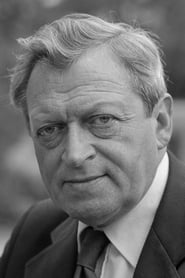
Martin Růžek
Born — Died
1918-09-23 — 1995-12-18
Place of birth
Cervený Kostelec, Bohemia, Austria-Hungary [now Czech Republic]
Known for
Acting
Credits
90 titles
Known for
 7.0
7.0No synopsis available yet.
Bakaláři
1972
 8.6
8.6No synopsis available yet.
Dobrodružství kriminalistiky
1989
 7.3
7.3Thirty Cases of Major Zeman is a Czechoslovak action-drama television show intended as a political propaganda to support the official attitude of the communist party. The series were filmed in the 1970s. Each episode encompasses one year, and investigations are stylized to that year. Most are inspired by real cases. The series follows the life of police investigator Jan Zeman during his career from 1945 to 1975.
Thirty Cases of Major Zema
1976
 6.7
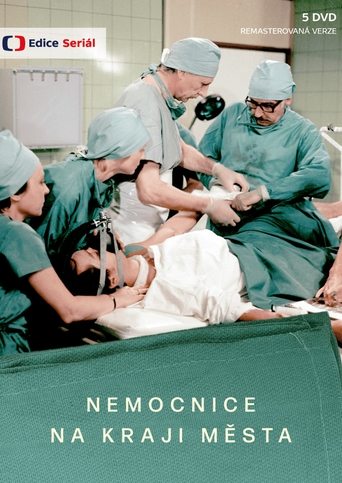
6.7Hospital at the End of the City is a popular television series first released in Czechoslovakia in 1977, it featured an ensemble cast and received much viewer praise in central Europe. The series ran from 1977 to 1981 for a total of twenty episodes. The success of the series inspired the German television series The Black Forest Clinic.
Nemocnice na kraji města
1978
 7.7
7.7No synopsis available yet.
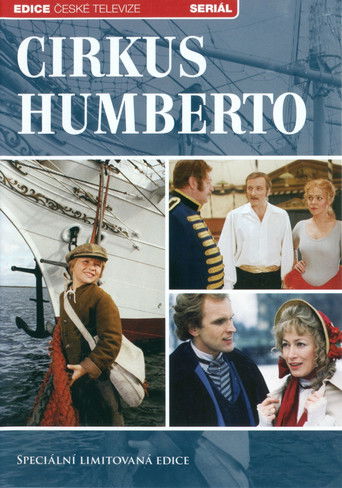
Zirkus Humberto
1988
 8.0
8.0No synopsis available yet.
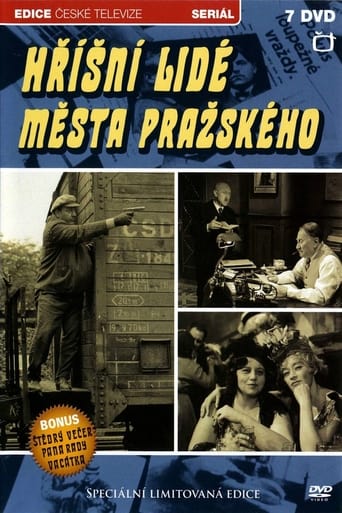
Hříšní lidé města pražského
1969
Film credits
1990s · 4 titles
 7.3
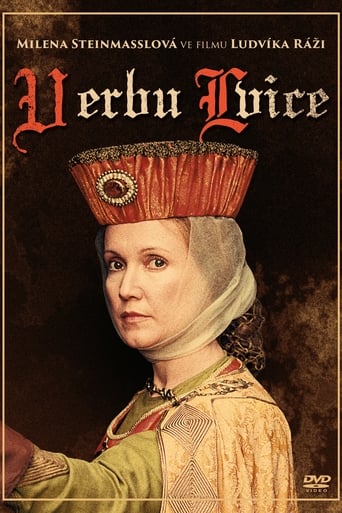
7.3The life story of Blessed Zdislava of Lemberk, about whom legends rather than sparse historical references tell us that she was a deeply religious woman with healing powers who devoted herself entirely to the humble service of her sick and suffering neighbors.
V erbu lvice
1995
 6.0
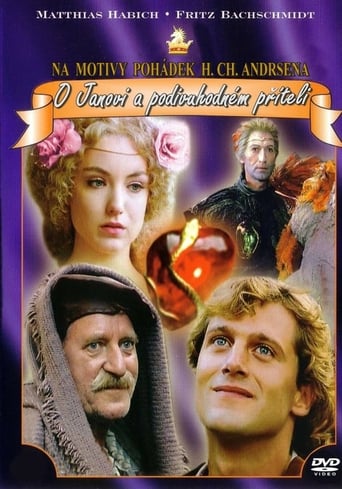
6.0H. Ch. Andersen's story was the basis for the narrative film 'Of John and the Wonderful Friend', in which the 'magic wand' plays an important plot-forming role. With its help, Jan overcomes the magician Magnus and rescues the princess Agnes.
O Janovi a podivuhodném příteli
1990
 5.8
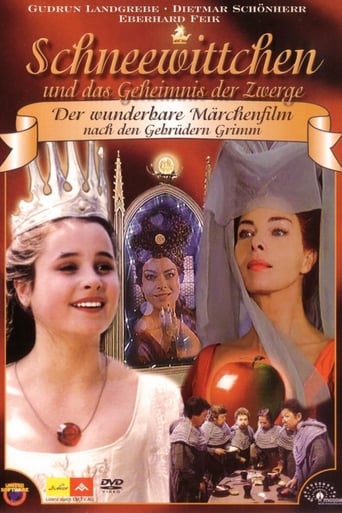
5.8A queen is so vain she needs the magical mirror the Black Knight forged to tell her daily she's the belle of the realm. When it adds Snowwhite, the king's heiress, has grown even more beautiful, the queen orders him and the shivering jester Andreas, who secretly loves the girl, to murder her step-daughter. However the knight fakes her death and seven dwarfs take her in at their magical mine. The dwarfs tell her various secrets, including true identities, and plot to save her, the disguised queen to murder her once the mirror betrays she's alive.
Snow White
1992
 6.2
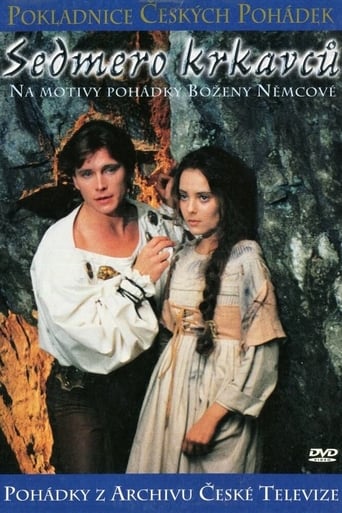
6.2The story of the film is based on the classical tale about seven naughty sons, whom their mother cursed in anger and thus turned into ravens. When their youngest sister grew up, she decides to find her brothers and to free them. However, she falls in love with a young Prince.
The Seven Ravens
1993
1980s · 7 titles
 8.0
8.0The water sprite Toníček fell in love with the beautiful and hard-working Andulka, but her father did not approve, so he sent her to Prague to work as a servant. Toníček did not give up and went to look for her. All the water sprites from Prague and the surrounding area helped him, but Andulka was nowhere to be found. Of course, she was eventually found, but it was not easy.
Pohádka o mokrosuchém štěstí
1982
No synopsis available yet.
Štědrý den bratří Mánesů
1981
 5.4
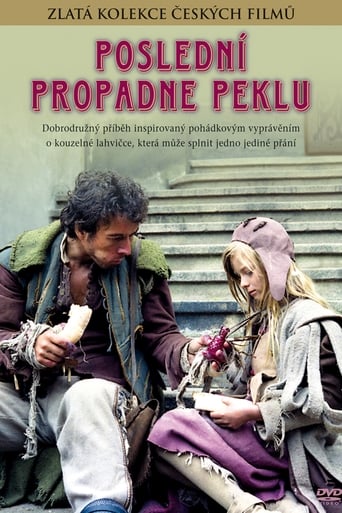
5.4A historical film that takes place on the eve of the thirty year war combines aspects of fairy-tales with historical dramas, fencing with a child heroes who find themselves in great dangers. We are in the year 1611 and mercenaries that had previously invaded Czech lands now have to withdraw before the Hungarian king's army. In this chaos a magical bottle, that fulfills the owner one single wish, appears among some fugitives - however after the fulfillment it has to be sold for half it's price to a new owner. The director Ludvík Ráža has created an attractive and surprisingly cruel film aimed not only at young viewers.
The Last One Will Go to Hell
1982
The story of an unhappy, childless princess, her loving husband and the poor villagers threatened by a terrible disease, who finally received help from above.
V zámku a podzámčí
1981
 4.0
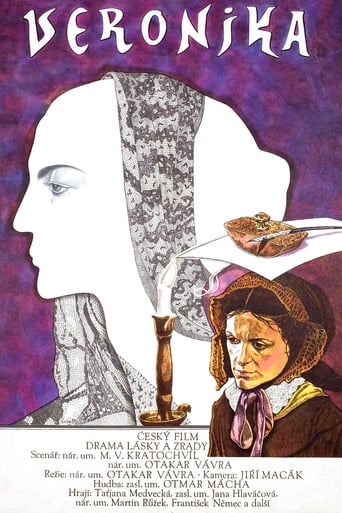
4.0Emperor Francis Joseph I is about to arrive in Prague, and among those who came to Stromovka to welcome him is Veronika Pavlitová. She wants to submit a request for clemency for her imprisoned father to the emperor, because she is barely able to support herself and her siblings on the meager salary of a seamstress. By chance, the girl meets Božena Němcová, whom she admires immensely. She becomes her friend and confidant for a while. However, police director Paümann, who has been following Božena Němcová for a long time, takes advantage of the naivety of the young girl. Veronika, in her simple-mindedness, tells him many things. Only later will she understand how she was abused.
Veronika
1986
 8.0
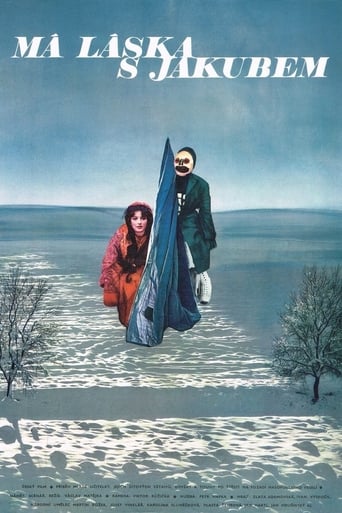
8.0A budding teacher comes from Prague to the South Bohemian district town where her fiancé Jakub, a young promising engineer at the local paper mill, lives. Petra is getting to know her new colleagues at school and the children in her new class, and is practicing hard with the Komenium music group, whose members she has known since her studies. She also gets to know Jakub's colleagues and the director of the paper mill, to whose position Jakub would like to be appointed after his retirement. It is this desire for a high position that leads Jakub to behave and act in a way that Petra cannot approve of.
Má láska s Jakubem
1982
No synopsis available yet.
Příjemce platí v dolarech
1981
1970s · 22 titles
 7.6
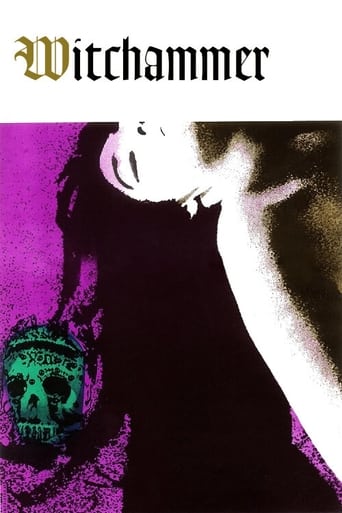
7.6In the 1600s, an overzealous clergy hauls innocent women in front of tribunals, forces them to confess to imaginary witchery, and engages in brutal torture and persecution of their subjects.
Witchhammer
1970
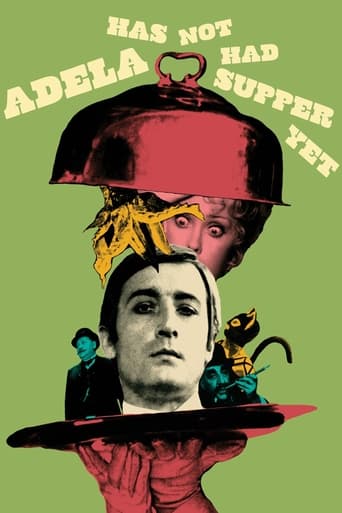 7.5
7.5When famous detective Nick Carter visits Prague, he becomes involved in strange case of a missing dog and even stranger carnivorous plant. He becomes convinced that he is standing against his greatest enemy, the Gardener, who supposedly died years ago in a swamp...
Adela Has Not Had Supper Yet
1978
Children play in a park.
Whale, Elahw
1977
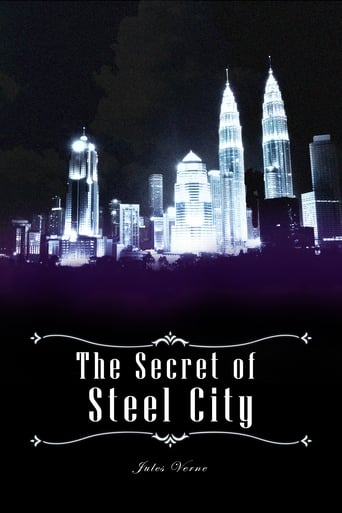 5.9
5.9The film is a metaphor for the Cold War. It depicts two neighbouring nations: peace loving Fortuna and the not so peaceful land of the Steel City.
The Secret of Steel City
1979
An astronomer, wooing the hand of King John's daughter, builds a royal puppet. King John considers it blasphemy, but when a puppet is shot and killed in an assassination attempt by an evil prince from a neighboring kingdom instead of King John, nothing stands in the way of the astronomer and Princess Korunca.
Král, kejklíř a hvězdář
1971
A comedy set in a circus setting. Artist Ivan Brabec visits the variety artist Bellinzon to ask for the hand of his daughter Dana. However, the old man throws him out because he promised his daughter's hand to the son of his old friend, a Hungarian magician. Moreover, he flaunts circus tradition and his family. But Brabec complains to the stagehand Šíša, who reveals a secret to him. Bellinzon does not actually come from a respected family of circus performers and his name is not even Bellinzon, but Kudláček...
Hop, děti, do života
1974
Father Harpagon is a terrible miser, for whom money is the greatest joy, it is closer to him than his own children. His son would like to marry Mariana, a girl from the neighborhood, while his daughter has fallen in love with Valéro, a young man who is Harpagon's steward. But Harpagon has decided to marry Mariana himself and choose rich counterparts for his descendants. So the servant who steals Harpagon's money box must do the young people a favor...
Lakomec
1978
No synopsis available yet.
Smrt císaře a krále Karla IV.
1979
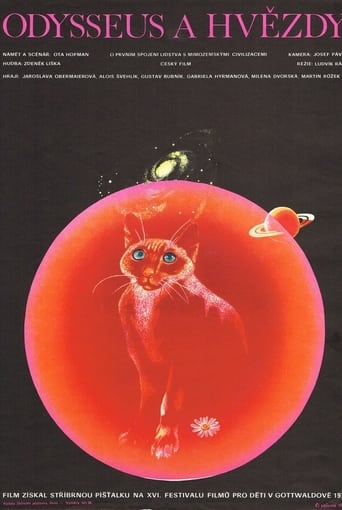 6.6
6.6A group of children are investigating a chain of mysterious events during the seventies.
Odysseus and the Stars
1976
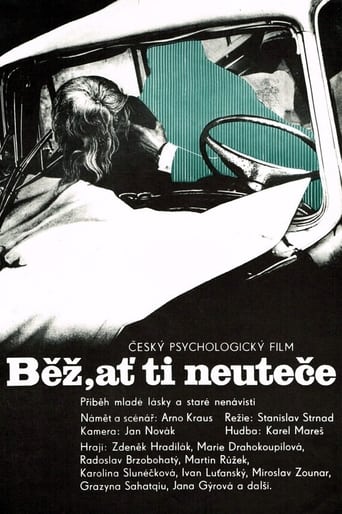 8.0
8.0The film from 1976, a film that is exemplary in its devotion to the canons of normalised cinema, is the work of director Stanislav Strnad. He brought to life the script of an unusual author - the secretary of the SČDU, Arno Kraus - in this psychological drama. The protagonist of the story also has his cadre materials in order according to the requirements of the time - he is a worker director Kabát, who besides problems at the workplace also copes successfully with difficulties in his private life - a break-up with his wife.
Běž, ať ti neuteče
1977
No synopsis available yet.
Silvestr na přání aneb Čí jsou hory Kavčí
1977
 4.5
4.5In the morning twilight of Prague, the dead body of the safe-breaker Toufar is found floating on the river Vltava with a knife in his back. Police inspectors visit Toufar's lover, the prostitute Anna Kulatá (Jirina Bohdalová), nicknamed Umbrella, and it is apparent that the moment before she opened the door of her flat, someone fled through the window. Umbrella is summoned for examination to the head of the criminal police - Police Councilman Vacátko Jaroslav Marvan, but although shocked by the photograph of the dead man, she does not confess to anything. Before Toufar, Umbrella lived with the safe-breaker Penicka (Radoslav Brzobohatý), who loved her very much and made her quit her street trade. But when he was sentenced to three years' imprisonment, Umbrella began to live with the brute Toufar, who chased her to street again. In the case of the murder, Penicka is therefore the prime suspect.
Burglar and Umbrella
1971
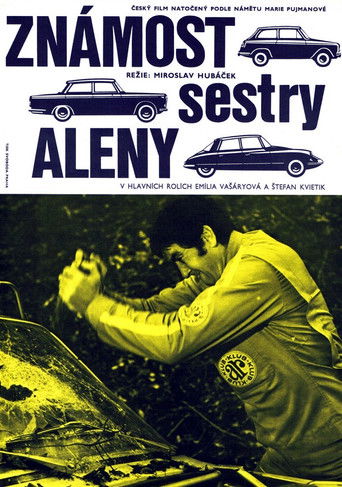 9.0
9.0A psychological drama about a nurse and a seriously ill car racer and factory driver...
Známost sestry Aleny
1973
No synopsis available yet.
Slečnám nic nevadí
1971
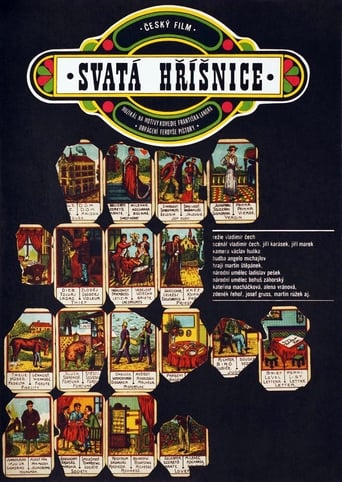 7.0
7.0In the Prague Old Town and the adjoining streets there is always plenty of life. Housewives shop, beggars arouse sympathy, the Salvation Army tries to put the godless on the road to salvation by hymns and sermons, and Ferdys Pistora hunts in the pockets of his fellow men and isn't even put off by the presence of an officer of the law. Ferdys sets off to burgle villa of the banker Rosenstok, but a fire breaks out in the house and Ferdys ends up saving the banker's two small children. For this he is celebrated as a hero and gets a place as an errand boy with the Rosenstoks. At home he is visited by representatives of the Salvation Army, Captain Kosterka and Terezka, with whom Ferdys instantly falls in love.
Svatá hříšnice
1970
No synopsis available yet.
Příští léto v Locarnu
1973
A drama set in a rural environment. In 1948, in the middle of a joyful wedding, the groom Tomáš Záruba stumbles among the wedding guests with a gun in his hand. He was shot by his own father, who disapproved of his choice of bride. The groom, Tomáš, is the son of the old kulak Záruba, who during the occupation denounced his neighbor Libor, who subsequently ended up in a concentration camp. However, Libor survived, and young Tomáš Záruba falls in love with his daughter Jana and marries her despite his father's protests.
Rána jistoty
1975
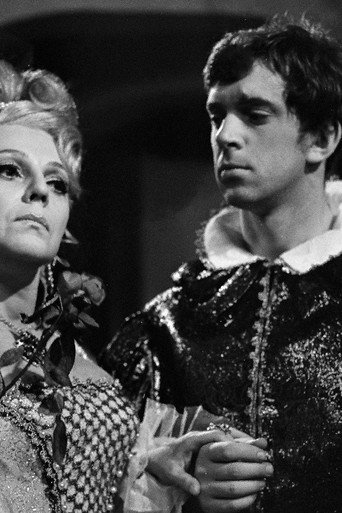 6.0
6.0No synopsis available yet.
Královna Černá růže
1972
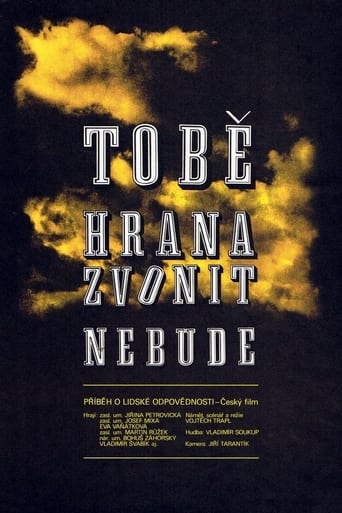 10.0
10.0At the end of August, a young woman is chased by an angry mob of hooligans under the windows of a bus because she decides to tear down a poster grossly insulting her husband, the staunch communist and deputy Balcar. She only gets a defence from the prosecutor Ronešová, who decides to convict and prosecute the perpetrators and bystanders of the unfortunate event. The principled Ronešová is oblivious to personal problems and sets out to fight against the relics of a happily extinguished social movement, with the right-wing defence lawyer Kahan being no match for her.
Tobě hrana zvonit nebude
1975
No synopsis available yet.
Obr z Černé skály
1970
No synopsis available yet.
Jak se dělá televizní soutěž
1971
 10.0
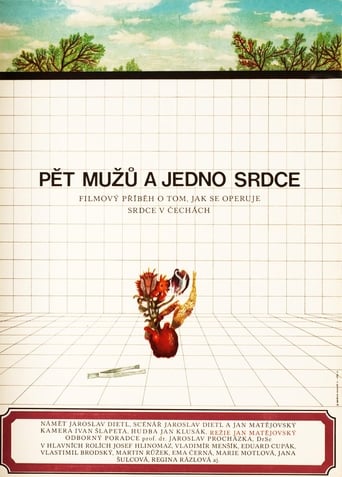
10.0In modern hospitals are carried out intensive cardiac surgery. Daily operations individually comments attendant Cajthaml ... Stylized ,, dream "scene are combined with documentary footage of actual operations, which were filmed at the University Hospital in Hradec Králové. The unique cinematic experiment theater and TV director after only a few years remind viewers.
Five Men and One Heart
1971
1960s · 18 titles
 7.8
7.8Mikolás and his brother Adam end up with a young German hostage of noble blood during a robbery. While their clan prepares for the wrath of the German king, Mikolás is sent to pressure his neighbor Lazar into a defense pact. Persuasion fails and he abducts Lazar's daughter Marketa on the eve of her initiation as a nun in an act of vengeance.
Marketa Lazarová
1967
 7.3
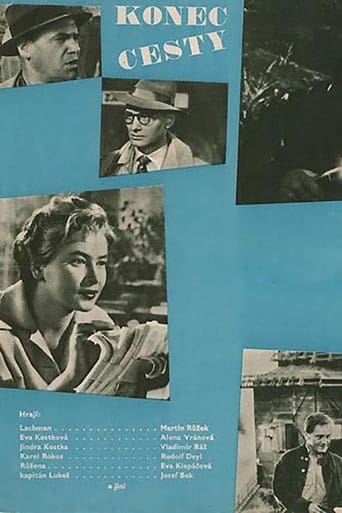
7.3Josef Lachman, once a security officer, serves twelve years for aiding an SS fugitive’s escape. Upon release, he works as a driver on a dam project, hunting buried English pounds Meyer told him about. With miner Rokos’s help, he retrieves the cash and hides it with his daughter Eva, but she spends some at Tuzex, Rokos blackmails him, and they discover the notes are WWII forgeries.
Konec cesty
1960
 10.0
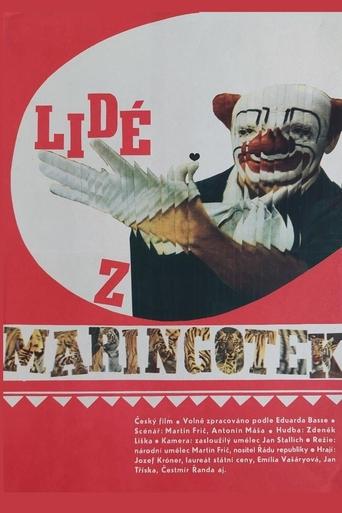
10.0Story about the people around the circus and the unfortunate love of a young man an acrobat. Before the dispute escalates so much that, according to the old clown, Vincek ends up with a noose on his back and Lotyš in a bass, fate intervenes and the young acrobat is called up to the war, where he serves with the dragoons. After serving his time and being released into civilian life, he sets out to find the National with his beloved Nina. However, she has not been with the circus for almost a whole year. Her parents took her away and Vincek, to the chagrin of his friends and the principal, decides to go looking for her. After a long journey, he finds his beloved in the Russian Kuznecki circus, but she has changed a lot during the years of separation. A simple girl in love has turned into a calculating, ambitious woman who desires money above all. But Vincek doesn't have you.
People From Caravans
1966
 7.5
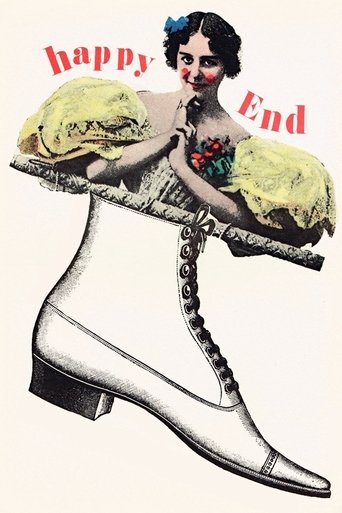
7.5A dark comedy about a murder and its consequences presented in a backwards manner, where death is actually a rebirth. The film starts with an "execution" of the main protagonist and goes back to explore his previous actions and motivations.
Happy End
1967
No synopsis available yet.
Ženitba
1967
 7.5
7.5A military base. An awkward soldier. A statue of Bach. And suddenly all guns in the area change into music instruments. Great mystery is immediately found by TV station. And soon the military base becomes a stage for huge TV show.
If a Thousand Clarinets
1965
No synopsis available yet.
Spravedlnosti se meze nekladou
1966
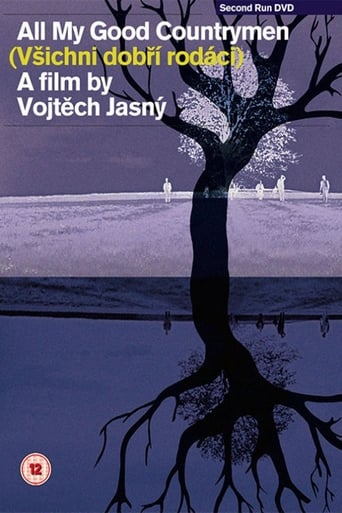 7.6
7.6The lives of 7 friends in a small Czech town from 1945 to some time after 1958.
All My Good Countrymen
1969
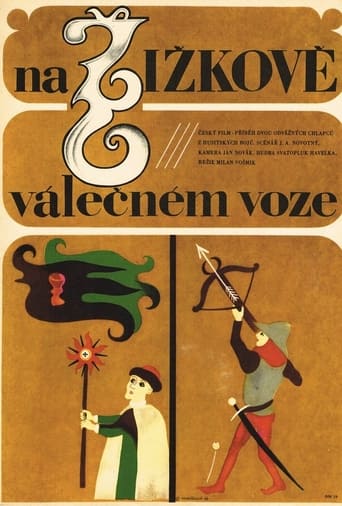 6.0
6.0Widowed yeoman Tuma and his household are on their way to help the town of Kourim, which is under attack by the papist troops. His son Ondra is secretly following his father. Miksík the castellan, who is responsible for Ondra, finds himself forced to set off after the boy. They are both captured by soldiers from Kutná Hora. Miksík sacrifices himself to give Ondra a chance to flee. On the way, Ondra runs into the orphan Sulík. The two boys become friends and begin to wander together.
On Zizka's Battle Waggon
1968
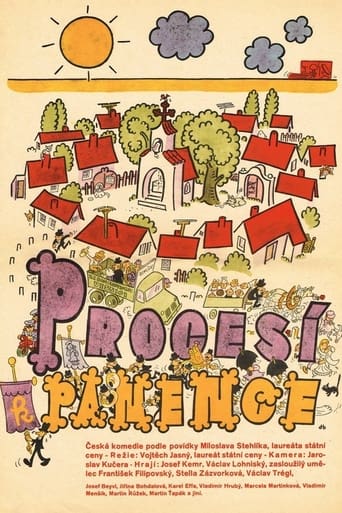 8.0
8.0Farmers get away from their arguments by embarking on a religious pilgrimage, enjoy a picnic en route, and on their return decide to form a cooperative.
The Pilgrimage to the Holy Virgin
1961
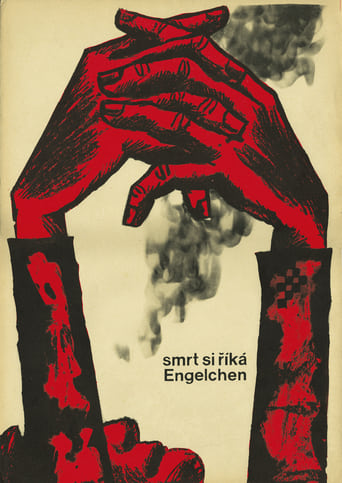 6.4
6.4Pavel is a Czech partisan fighter in the waning days of the war. Just as peace is declared, Pavel is shot in the spine and sent to the hospital emergency ward. As he fades in and out of consciousness, he recalls the events that led to his participation in the underground. Holding German occupation commander Engelchen responsible for all the horrors and deprivations heaped upon his comrades, Pavel is kept alive by the possibility of recovering and exacting vengeance upon the Nazi officer - no matter how long it takes.
Death Is Called Engelchen
1963
 10.0
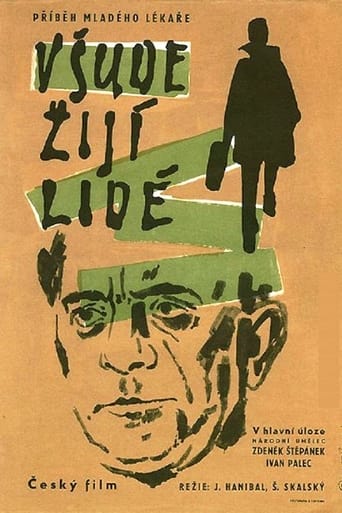
10.0Even if a person grumbles about difficulties, he should realize that he will find a place where he did not want to go at all. Such an exemplary realization is also reached by a budding doctor who was assigned a remote border village as his first posting - his fiancé did not want to go to such a backwater at all. But the example of the local doctor, who is about to retire, convinces him that a good doctor is needed everywhere.
Všude žijí lidé
1960
 6.5
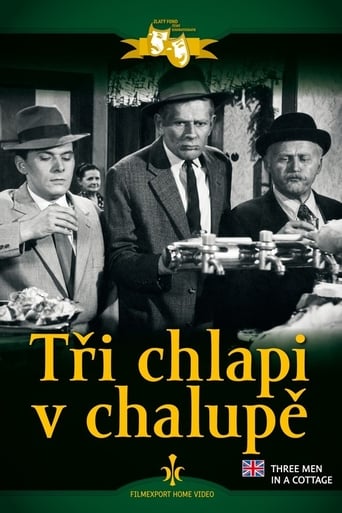
6.5The three Potůčks live in a house in Ouplavice: a widower grandfather, a son whose wife has run away, and a still unmarried grandson. The father works as chairman of the agricultural cooperative, the son leads the local youth and the pensioner grandfather supplies the two of them with lots of witty advice through the trumpet of his inseparable pipe. They've got a lot on their minds right now. Their village is in competition with neighbouring Piscory, and their opponents are using dishonest weapons to fight...
Tři chlapi v chalupě
1963
In 1965, the experienced director Jaroslav Mach made a documentary film with staged scenes, which dealt with the current problems of popular Czech sport. Behind the scenes of football, the playmakers looked through slavoje's team, which is preparing for the decisive match. If Coach Ram doesn't force his boys to perform convincingly, they're in danger of relegation to league two. After a series of dramatic peripeteias, Slavoj takes the field so weakened that he is caught up in the dreaded failure. Fortunately, the club's fans will eventually take their anger out on the loss of "their" team to an innocent referee. The film also features criticism of officials... In addition to actors Martin Růžek and Bohumil Šmída, Machov's film appeared real footballers Dukla and period sports stars (e.g. František Plánička).
Fotbal
1965
 5.9
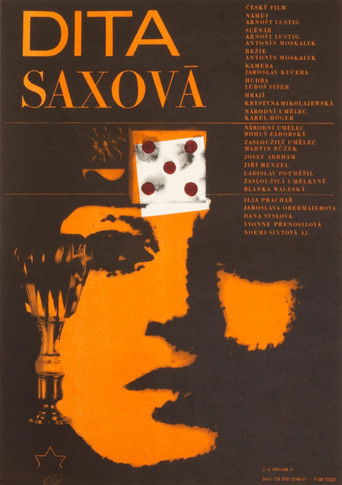
5.9In 1947 Prague, Holocaust survivor Dita lives in a hostel for orphans, acting as a protective mentor to a younger girl while failing to fix her own shattered life. Unable to form lasting bonds or find a place in a society that has moved on, she drifts through emotional isolation.
Dita Saxová
1968
 7.0
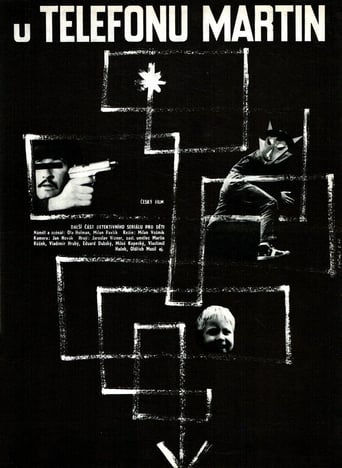
7.0The second installment of children's stories investigator Dr. Martin. The film has two stories:
Martin Speaking
1966
A group of wealthy American Jewish businessmen have been captured by the SS and are told that they are to be traded to the American army for several SS officers. However, these hostages are being required to pay bribes for their "transportation costs." In order to ensure that the businessmen will be more cooperative in paying up, a beautiful female singer is placed in their midst as a bargaining chip. The group of hostages are then placed on a train which is supposed to take them to the ship that will deliver them to freedom, but a series of "mishaps" delays their escape.
A Prayer for Katerina Horovitzova
1965
 6.2
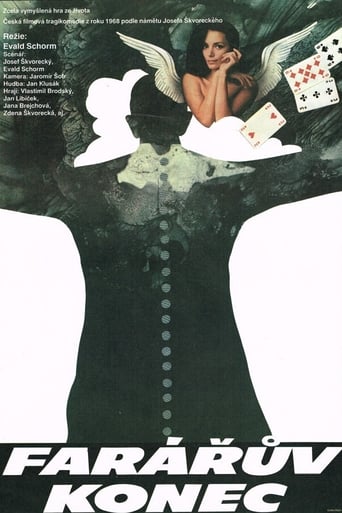
6.2A verger, who likes to dress as a priest, is invited, by one of the villagers, to be the pastor at a vacant church. The atheist teacher resents the pastor, and tries to embarrass him in various ways, including being caught with the local girl, Majka.
The End of a Priest
1969
1950s · 8 titles
 6.9
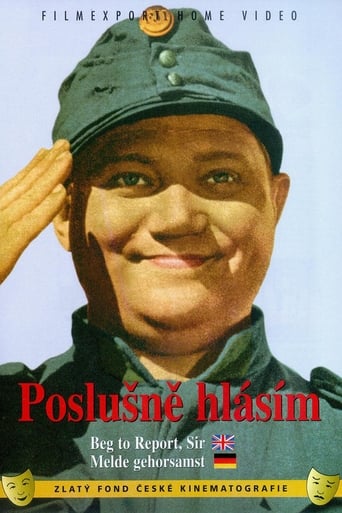
6.9A comedy based on the novel of Jaroslav Hašek's The Good Soldier Svejk happens during the World War I. I Dutifully Report: In the introduction to the second part of the film adaptation of Hašek's novel The Good Soldier Švějk presents his main character Josef Švejk. With the distinctive traditional Czech cartoon character of a soldier Svejk, this time you meet on the way to the front and eventually right in the firing line. You can look at his famous train events, and also probably the most famous episode of the novel, Švejk's Budějovice anabasis. Don't miss the scene with the secretly bought cognac, the episode with Svejk as a fake Russian prisoner of war, including the court scene, and the scene in which lieutenant Dub is caught in a brothel. Despite the criticism, Steklý's adaptation is undoubtedly the most famous and memorable at present.
I Dutifully Report
1958
 6.8
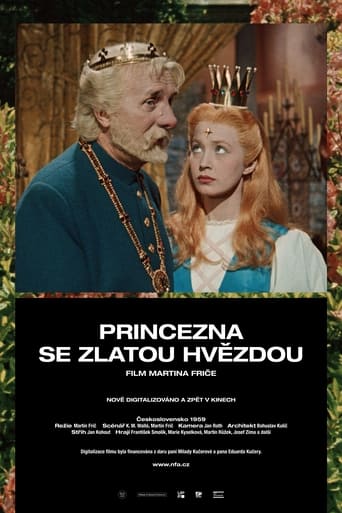
6.8A Czech fairy tale about a princess named Lada who runs away from home in a mouse fur disguise in order to escape an unwanted and forced marriage.
The Princess with the Golden Star
1959
 10.0
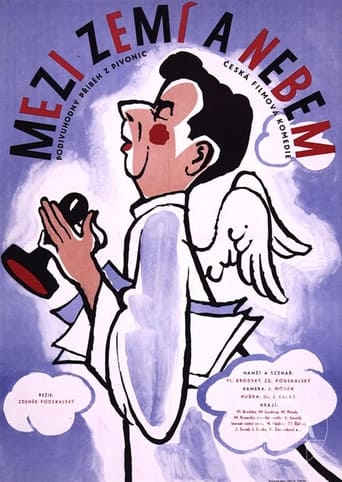
10.0Working in the city office is a bitter clerk who believes he has only 14 days to live and so he bravely stands up to his bureaucratic director.
Mezi nebem a zemí
1958
 4.0
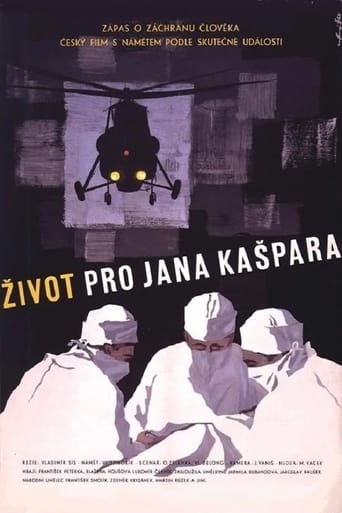
4.0The bridegroom Jan Kaspar is an officer in the Klement Gottwald's Nová Hut rolling-mill. After bidding farewell to his freedom, he accidentally takes a sip from the bottle of tetrachlore which he stores at home. He disregards the dizziness, but the next day, he faints in the factory and has a brain concussion. During her regular tests, doctor Dudková is shocked by a high percentage of residual nitrogen found in Kaspar's blood. Doctor Bohácek, with whom Dudková consults, thinks that it is a liver disease and informs the head physician Filip. The doctors know nothing about tetrachlore and are in the dark about the case. Despite that, they immediately start to fight for Kaspar's life and their struggle consequently affects their personal lives.
Life for Jan Kaspar
1959
 4.4
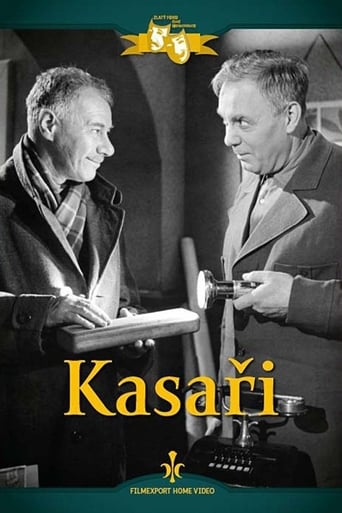
4.4A detective comedy about ex-cashiers who - except for one - have improved and lead a proper and peaceful life and mostly desperately resist the slightest reminder of their past. However, one of them, Josef Fiala, formerly known as Procházka, is one day asked to open a safe in the Sitex factory that has been slammed open with keys inside by careless employees. The operation goes well, but in time Fiala finds himself suspected of theft...
Kasaři
1958
 8.0
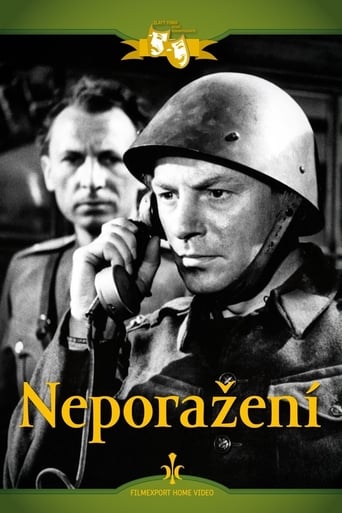
8.0As Nazi troops prepare to occupy the already truncated Czechoslovak Republic, a small military garrison made up of communists defies orders to abandon their post.
Neporažení
1956
 5.0
5.0The year is 1918. Toník returns home from the front. In Kladno, where he arrives, things are seething with discontent. The Social Democrats are in government, but nothing has changed. Socialization has not been implemented, there is hunger and food is still being skimped on. The first news about a socialist state arrives from Russia. On May 1st, the workers' Kladno manifests its loyalty to the ideals of the Great October Socialist Revolution. In December 1920, a general strike is declared in Kladno as well. The workers arm themselves, workers' councils take over the administration of the city and are also established in the surrounding villages. An armed uprising is being prepared. However, the right-wing leadership of the Social Democratic Party attacks the workers in the back. The army is sent to Kladno...
A red glow over Kladno
1956
The film responds to the housing shortage that young couples in particular have had to deal with. This problem is also addressed by the couple Slávka and Olda. The girl gets a sublet on Hradčanské náměstí, in the large flat of the widowed pensioner Benda. Benda lived almost his whole life there, and is bound to the apartment by a thousand memories and feelings. The strange and sickly old man has to overcome his crankiness and distrust of people before he fully accepts his lodger and her husband "as his own"...
První a poslední
1959
1940s · 1 titles
Series credits
7.0No synopsis available yet.
Bakaláři
1972
8.6No synopsis available yet.
Dobrodružství kriminalistiky
1989
7.3Thirty Cases of Major Zeman is a Czechoslovak action-drama television show intended as a political propaganda to support the official attitude of the communist party. The series were filmed in the 1970s. Each episode encompasses one year, and investigations are stylized to that year. Most are inspired by real cases. The series follows the life of police investigator Jan Zeman during his career from 1945 to 1975.
Thirty Cases of Major Zema
1976
6.7Hospital at the End of the City is a popular television series first released in Czechoslovakia in 1977, it featured an ensemble cast and received much viewer praise in central Europe. The series ran from 1977 to 1981 for a total of twenty episodes. The success of the series inspired the German television series The Black Forest Clinic.
Nemocnice na kraji města
1978
7.7No synopsis available yet.
Zirkus Humberto
1988
8.0No synopsis available yet.
Hříšní lidé města pražského
1969
 7.0
7.0No synopsis available yet.
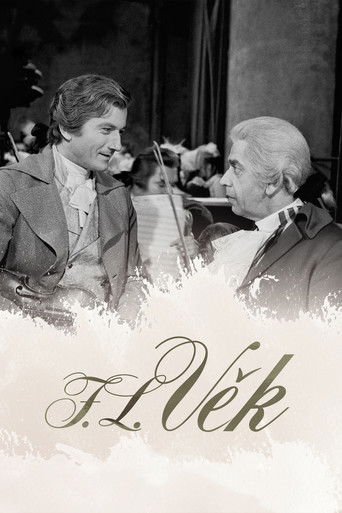
F. L. Věk
1971
 7.8
7.8No synopsis available yet.
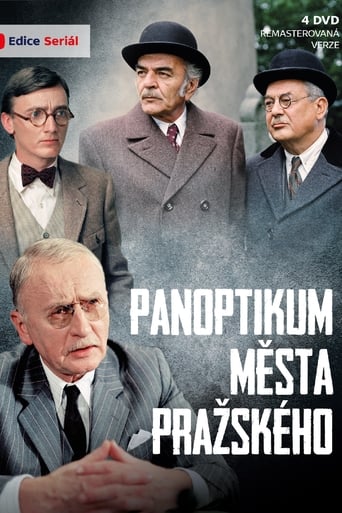
A Prague Underworld
1988
No synopsis available yet.
Dnes v jednom domě
1980
 6.6
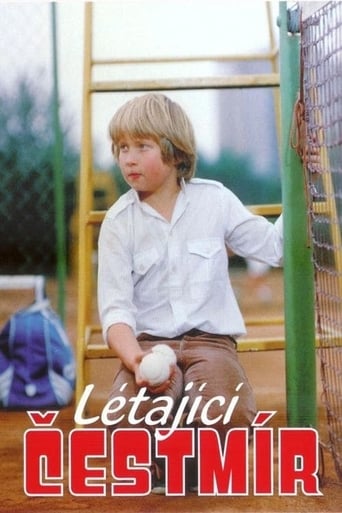
6.6Young boy Cestmir finds a magic rock which allows him to bring the seeds of the flowers which allow flying from Blue Planet...
The Flying Cestmir
1984
 NR
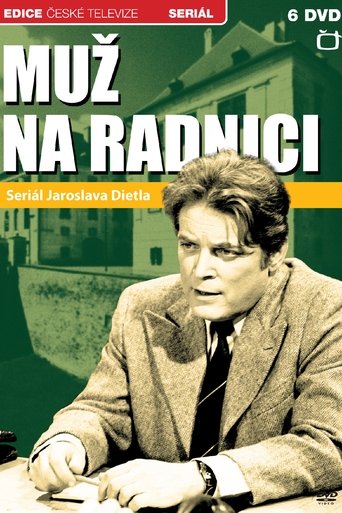
NRMuž na radnici was a Czechoslovak television program which was broadcast in 1976. The program was directed by Evžen Sokolovský. In 2011, it was announced that the program, along with 17 others, would be released on DVD within three years.
Muž na radnici
1976
No synopsis available yet.
Strom pohádek
1987
No synopsis available yet.
Zákony pohybu
1979
 9.0
9.0No synopsis available yet.
My z konce světa
1975
 8.0
8.0Okres na severu is a Czechoslovak/Czech TV series filmed by Evžen Sokolovský in 1981.
Okres na severu
1981
 8.3
8.3No synopsis available yet.
Krkonošská pohádka
1974
 5.2
5.2No synopsis available yet.
Ve znamení Merkura
1979
 NR
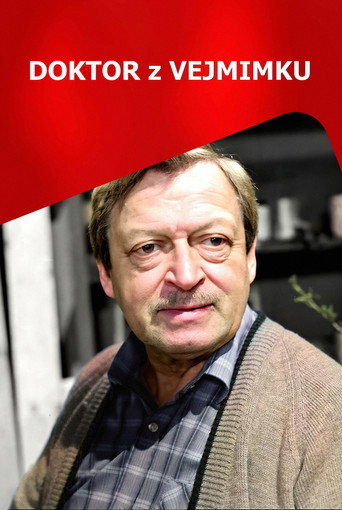
NRNo synopsis available yet.
Doktor z vejminku
1983
 7.0
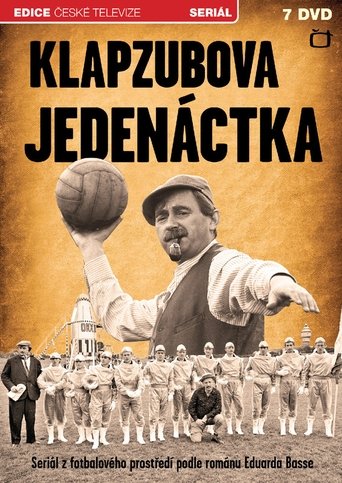
7.0No synopsis available yet.
Klapzubova jedenáctka
1968
No synopsis available yet.
Duhový luk
1973
No synopsis available yet.
Uctivá poklona, pane Kohn
1992
 8.0
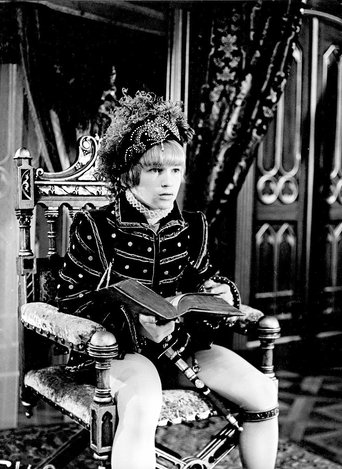
8.0A prince meets a young man to whom he bears a striking resemblance. The two exchange places and learn to be better people in the process.
Princ a chuďas
1971
No synopsis available yet.
Přísahám a slibuji
1990
No synopsis available yet.
Rozsudek
1971
 NR
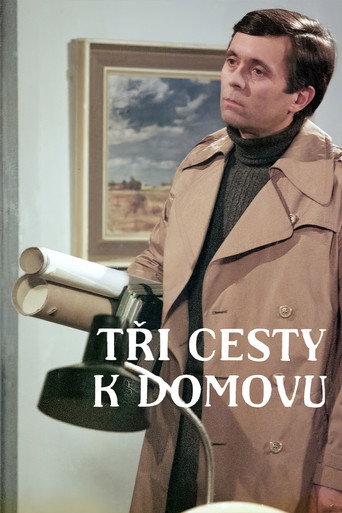
NRNo synopsis available yet.
Tři cesty k domovu
1983
No synopsis available yet.
Haldy
1974
 6.5
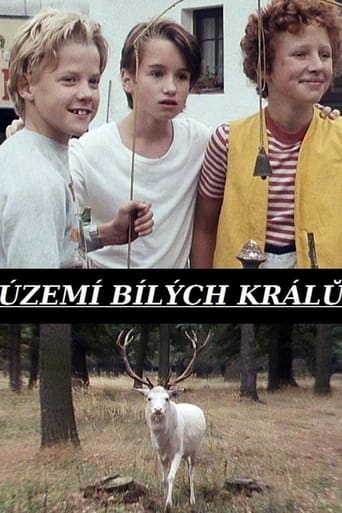
6.5The story centers around a group of children, led by Leontinka and Olda. Father of Leontinka manages the local Deer Park with an invaluable breed of white deer. A series of mysterious events unfolds, threatening the deer. Leontinka and Olda, who is in turn a son of a local police officer, search for the villain.
Territory of the White Kings
1991
 6.7
6.7No synopsis available yet.
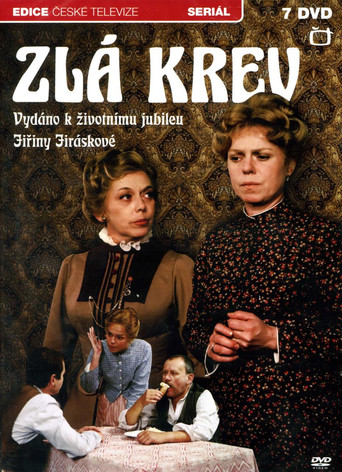
Zlá krev
1987
No synopsis available yet.
Pinocchiova dobrodružství
1967
No synopsis available yet.
Dášeňka
1979