

Directing
Ahmed Bedjaoui
Born
1943-01-01 (83)
Place of birth
Sebdou, Algeria
Known for
Directing
Credits
6 titles
Ahmed Bedjaoui (in arabic : أحمد بجاوي), born in 1943 in Sebdou in Algeria, is a journalist, host, director, writer and an emblematic figure, the “Mister” of Algerian cinema. He hosted the famous Télé Ciné Club from 1969 to 1989. With his particular tone, but above all content, he introduced Algerians to the classics of cinema. He knew, with pedagogy, and the guests he invited to the set, how to dissect a film. We could see, with relish, the works of Alfred Hitchcock, Ingmar Bergman, Salah Abou Seif, and, of course, Algerian films. Ahmed Bedjaoui has had a solid career in the press, cinema and television. Graduated from IDHEC in 1966, and held a P.H.D. since 1983. in American literature wit…
Known for
 10.0
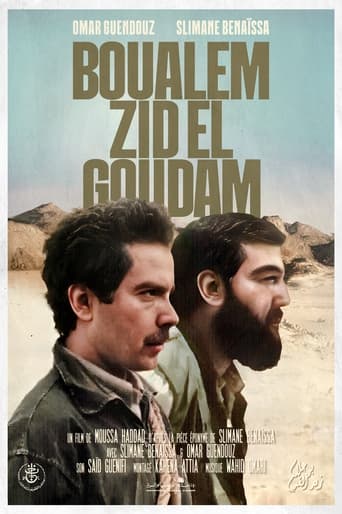
Two travelers, Boualem and Sekfali, cross the hostile and endless desert. Boualem pulls a cart on which old books, pictures, relics and memories of Sekfali are piled up. Two men, two attitudes towards life, two visions of the world. Where do they come from, where are they going? The journey would be completely calm and happy if each of them were not inhabited by their pasts, determining their different visions of the future. Boualem's childhood was marked by the Algerian war of liberation. His dream is to achieve a socialist society, which is for him the only path to salvation. Sekfali, who tries to dissuade Boualem from continuing the journey, has the attitude of an aristocrat. For him, socialism is a heresy and people do not like responsibility, they only act if a leader gives them the injunction.
Boualem Zid El Goudam
1980
 10.0
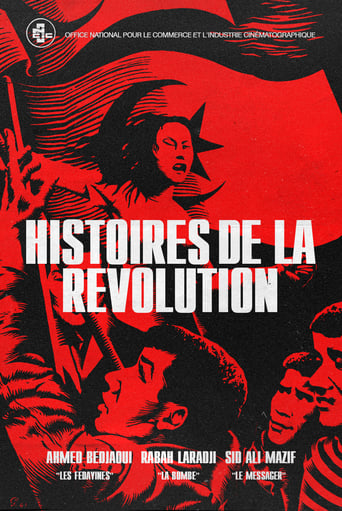
The film recounts in three parts by three different directors the Algerian people's struggle for independence after 130 years of French colonization: Ahmed Bedjaoui "Les Fedayines," Rabah Laradji "La Bombe," Sid Ali Mazif "Le Messager."
Stories of the Revolution
1969
 10.0
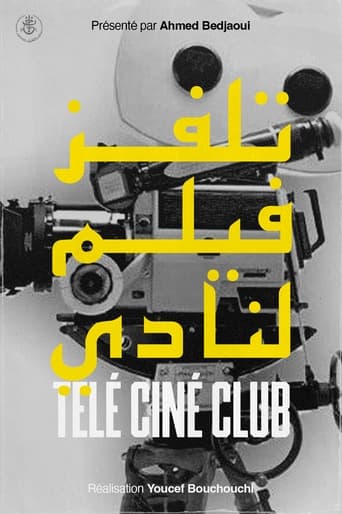
No synopsis available yet.
Télé Ciné Club
1969
 NR
The film critic and historian Ahmed Bedjaoui recounts how Algeria became a global centre for militant cinema after the country achieved independence from France in 1962. Zineb Sedira connects these histories to ideas of oral storytelling and collective memory in African culture. Sedira presents her film from a recreation of a mobile cinema.
Narration in Motion
2026
 10.0
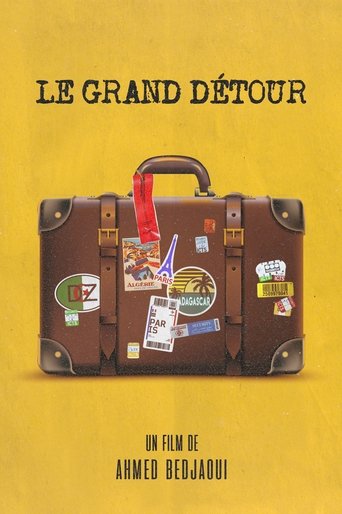
The young Amar, father of two children, lives on expedients and looks in vain for a job in Algiers. He decides to emigrate to France, and finds a job there, but quickly loses it after a roundup and custody for several days. Led by two shady Europeans he met in a café, he embarks with other unemployed people for well-paid work on the plantations of Madagascar. The boat that takes them finally docks in Algiers! This film had disappeared for almost fifty years. Ahmed Bedjaoui mourned it until the Berlin Cinematheque found the only copy of this work in its archives, restored it, subtitled it and screened it at the opening of its festival in 2015. The film was thrilled the large audience present, made up of professionals and knowledgeable film buffs. Due to the modesty of its self-produced means, but also by aesthetic choice, the film oscillates between neo-realist cinema and cinema vérité.
Le Grand Détour
1968
Film credits
Series credits
Behind the camera
10.0Two travelers, Boualem and Sekfali, cross the hostile and endless desert. Boualem pulls a cart on which old books, pictures, relics and memories of Sekfali are piled up. Two men, two attitudes towards life, two visions of the world. Where do they come from, where are they going? The journey would be completely calm and happy if each of them were not inhabited by their pasts, determining their different visions of the future. Boualem's childhood was marked by the Algerian war of liberation. His dream is to achieve a socialist society, which is for him the only path to salvation. Sekfali, who tries to dissuade Boualem from continuing the journey, has the attitude of an aristocrat. For him, socialism is a heresy and people do not like responsibility, they only act if a leader gives them the injunction.
Boualem Zid El Goudam
1980
10.0The film recounts in three parts by three different directors the Algerian people's struggle for independence after 130 years of French colonization: Ahmed Bedjaoui "Les Fedayines," Rabah Laradji "La Bombe," Sid Ali Mazif "Le Messager."
Stories of the Revolution
1969
10.0The young Amar, father of two children, lives on expedients and looks in vain for a job in Algiers. He decides to emigrate to France, and finds a job there, but quickly loses it after a roundup and custody for several days. Led by two shady Europeans he met in a café, he embarks with other unemployed people for well-paid work on the plantations of Madagascar. The boat that takes them finally docks in Algiers! This film had disappeared for almost fifty years. Ahmed Bedjaoui mourned it until the Berlin Cinematheque found the only copy of this work in its archives, restored it, subtitled it and screened it at the opening of its festival in 2015. The film was thrilled the large audience present, made up of professionals and knowledgeable film buffs. Due to the modesty of its self-produced means, but also by aesthetic choice, the film oscillates between neo-realist cinema and cinema vérité.
Le Grand Détour
1968