

Directing
Lynne Sachs
Born
1961-08-10 (65)
Place of birth
Memphis, Tennessee, USA
Known for
Directing
Credits
48 titles
Lynne Sachs makes films, performances, installations and web projects that explore the intricate relationship between personal observations and broader historical experiences by weaving together poetry, collage, painting, politics and layered sound design. Since 1994, her five essay films have taken her to Vietnam, Bosnia, Israel and Germany — sites affected by international war–where she tries to work in the space between a community’s collective memory and her own subjective perceptions. Strongly committed to a dialogue between cinematic theory and practice, Lynne searches for a rigorous play between image and sound, pushing the visual and aural textures in her work with each and every new…
Known for
What do filmmakers as disparate as Kevin Smith, Ed Burns, Rob Epstein, and Barbara Hammer have in common? A secret weapon known as Bob Hawk. As a veteran of the American independent film scene since its inception, the cinephile and consultant has been a regular, cherished presence at film festivals and markets for over three decades. Hawk saw promise in scrappy, independently produced films like Clerks and The Brothers McMullen when no one else even knew to look, and he brought these films to the attention of the Sundance Film Festival, thereby launching multiple careers in the process. An unsung champion of new voices, he has discovered innovative work, nurtured new talents, and brokered relationships with film festivals and critics alike, while staying out of the spotlight—until now. At 75, Bob Hawk looks back on a still-vibrant life in independent film, exploring how the rebellious gay son of a preacher found his calling as a behind-the-scenes film impresario.
Film Hawk
2016
 NR
NRIntimate confessions, paired with experimental choreography outside a woman’s clinic in Memphis, offer a glimpse into post Roe v. Wade America.
Contractions
2024
 6.0
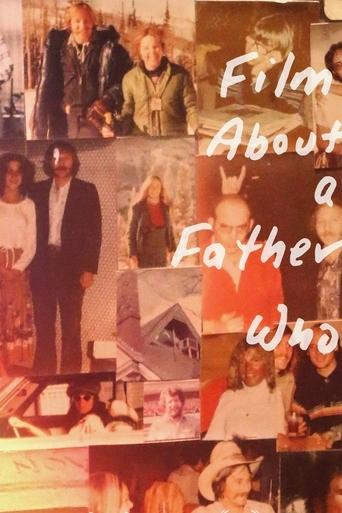
6.0From 1984 to 2019, Lynne Sachs shot film of her father, a bon vivant and pioneering businessman. This documentary is her attempt to understand the web that connects a child to her parent and a sister to her siblings. As the startling facts mount, Sachs as a daughter discovers more about her father than she had ever hoped to reveal.
Film About a Father Who
2020
 5.6
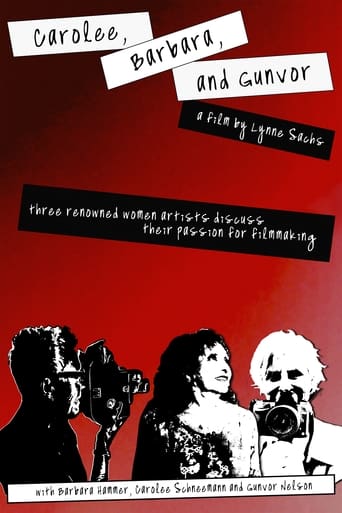
5.6From 2015 to 2017, Lynne Sachs visited with Carolee Schneemann, Barbara Hammer and Gunvor Nelson, three multi-faceted artists who have embraced the moving image throughout their lives.
Carolee, Barbara and Gunvor
2018
 5.5
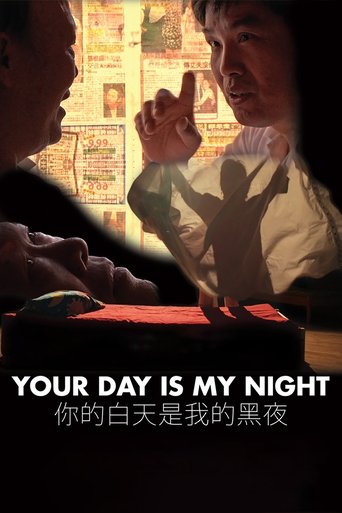
5.5Immigrant residents of a “shift-bed” apartment in the heart of New York City’s Chinatown share their stories of personal and political upheaval. As the bed transforms into a stage, the film reveals the collective history of the Chinese in the United States through conversations, autobiographical monologues, and theatrical movement pieces. Shot in the kitchens, bedrooms, wedding halls, cafés, and mahjong parlors of Chinatown, this provocative hybrid documentary addresses issues of privacy, intimacy, and urban life.
Your Day Is My Night
2014
 NR
NRA retelling of the age-old fairy tale of the beautiful princess in search of the perfect prince. In 1974, Marlo Thomas’ hip, liberal celebrity gang created a feminist version of the children’s parable for mainstream TV’s “Free to Be You and Me”. Now in 2006, Sachs dreamed up this new experimental film reworking, an homage to girl/girl romance.
Atalanta: 32 Years Later
2006
Film credits
2020s · 2 titles
6.0From 1984 to 2019, Lynne Sachs shot film of her father, a bon vivant and pioneering businessman. This documentary is her attempt to understand the web that connects a child to her parent and a sister to her siblings. As the startling facts mount, Sachs as a daughter discovers more about her father than she had ever hoped to reveal.
Film About a Father Who
2020
 NR
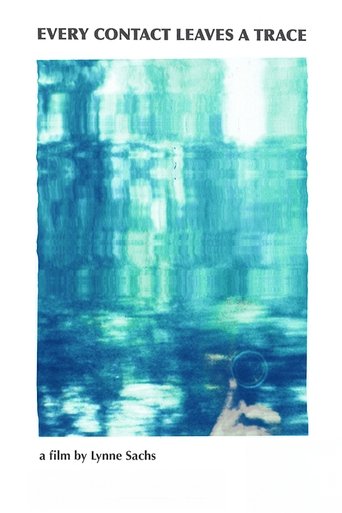
NRSince 1990, filmmaker Lynne Sachs has collected 600 business cards—from a hairdresser, a therapist, a textile artist. Together they form an archive of encounters.
Every Contact Leaves a Trace
2025
2000s · 2 titles
 NR
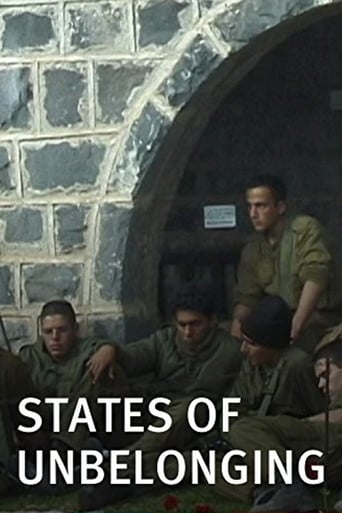
NRThe core of this haunting meditation on war, land, the Bible, and filmmaking is a portrait of Revital Ohayon, an Israeli filmmaker and mother killed near the West Bank. Director Lynne Sachs creates a film on the violence of the Middle East by exchanging letters with an Israeli friend. Together, they reveal Revital's story through her films, news reports, and interviews, culminating in heartbreaking footage of children discussing the violence they've witnessed. Without taking sides or casting blame, the film becomes a cine-essay on fear and filmmaking, tragedy and transformation, violence and the land of Israel/Palestine.
States of UnBelonging
2005
 4.0
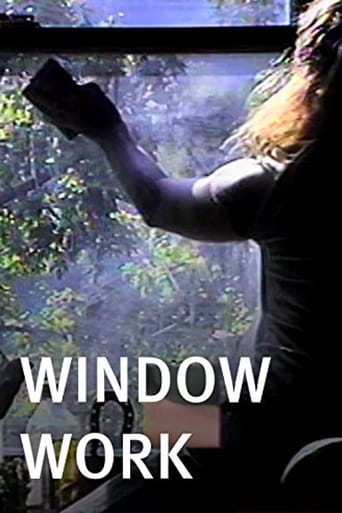
4.0A woman drinks tea, washes a window, reads the paper: simple tasks that somehow suggest a kind of quiet mystery within and beyond the image. Sometimes one hears the rhythmic, pulsing symphony of crickets in a Baltimore summer night. Other times jangling toys dissolve into the roar of a jet overhead, or children tremble at the sound of thunder. These disparate sounds dislocate the space temporally and physically from the restrictions of reality. The small home-movie boxes within the larger screen are gestural forms of memory, clues to childhood, mnemonic devices that expand on the sense of immediacy in her “drama.” These miniature image-objects represent snippets of an even earlier media technology: film. In contrast to the real time video image, they feel fleeting, ephemeral, imprecise.
Window Work
2000
1990s · 2 titles
 NR
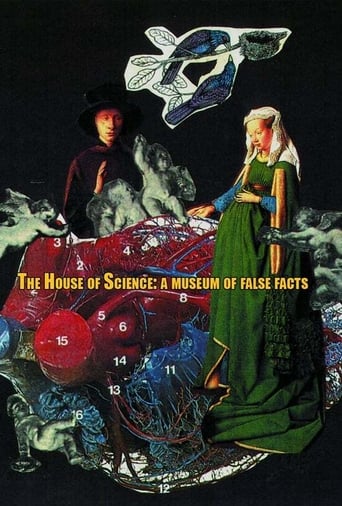
NRThe winner of numerous festival prizes, this early work by Lynne Sachs is a provocative film essay on women's perspectives on their bodies in a "man's world." It touches on everything from the female form's depiction in Renaissance art to the school of 19th century "scientific" thought equating "abnormal" physiognomy with criminality. This adventurous collage also features the filmmaker's own diaristic recollections (notably of being fitted for a diaphragm by a cold, intimidating doctor), poetical staged sequences, other women's audio testimonies, an old classroom instructional reel about menstruation, prose by Gertrude Stein and feminine "ideals" like the undulating young woman performing in fish-tail costumes at Florida's kitschy Weeki-Wachee Springs "Underwater Mermaid Theater." - Dennis Harvey
The House of Science: A Museum of False Facts
1991
 6.0
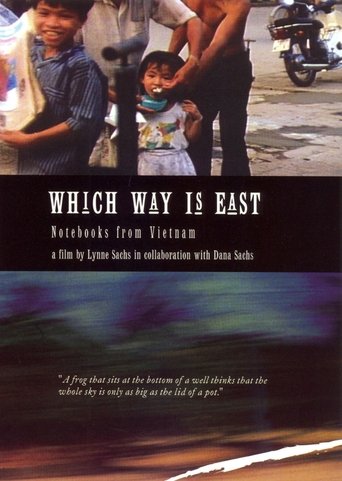
6.0In this illuminating study of cultural contrasts, American filmmaker Lynne Sachs and her sister, Dana, travel north from Ho Chi Minh City to Hanoi, recording conversations with Vietnamese strangers and friends. The sisters' expansive travel diary covers tourism, insights into city life, pervasive culture clashes and a bracing historic inquiry. What begins as a picaresque road trip soon blossoms into a richer social and political discourse.
Which Way Is East: Notebooks from Vietnam
1994
Behind the camera
NRIntimate confessions, paired with experimental choreography outside a woman’s clinic in Memphis, offer a glimpse into post Roe v. Wade America.
Contractions
2024
NRIntimate confessions, paired with experimental choreography outside a woman’s clinic in Memphis, offer a glimpse into post Roe v. Wade America.
Contractions
2024
6.0From 1984 to 2019, Lynne Sachs shot film of her father, a bon vivant and pioneering businessman. This documentary is her attempt to understand the web that connects a child to her parent and a sister to her siblings. As the startling facts mount, Sachs as a daughter discovers more about her father than she had ever hoped to reveal.
Film About a Father Who
2020
6.0From 1984 to 2019, Lynne Sachs shot film of her father, a bon vivant and pioneering businessman. This documentary is her attempt to understand the web that connects a child to her parent and a sister to her siblings. As the startling facts mount, Sachs as a daughter discovers more about her father than she had ever hoped to reveal.
Film About a Father Who
2020
5.6From 2015 to 2017, Lynne Sachs visited with Carolee Schneemann, Barbara Hammer and Gunvor Nelson, three multi-faceted artists who have embraced the moving image throughout their lives.
Carolee, Barbara and Gunvor
2018
5.5Immigrant residents of a “shift-bed” apartment in the heart of New York City’s Chinatown share their stories of personal and political upheaval. As the bed transforms into a stage, the film reveals the collective history of the Chinese in the United States through conversations, autobiographical monologues, and theatrical movement pieces. Shot in the kitchens, bedrooms, wedding halls, cafés, and mahjong parlors of Chinatown, this provocative hybrid documentary addresses issues of privacy, intimacy, and urban life.
Your Day Is My Night
2014
5.5Immigrant residents of a “shift-bed” apartment in the heart of New York City’s Chinatown share their stories of personal and political upheaval. As the bed transforms into a stage, the film reveals the collective history of the Chinese in the United States through conversations, autobiographical monologues, and theatrical movement pieces. Shot in the kitchens, bedrooms, wedding halls, cafés, and mahjong parlors of Chinatown, this provocative hybrid documentary addresses issues of privacy, intimacy, and urban life.
Your Day Is My Night
2014
NRA retelling of the age-old fairy tale of the beautiful princess in search of the perfect prince. In 1974, Marlo Thomas’ hip, liberal celebrity gang created a feminist version of the children’s parable for mainstream TV’s “Free to Be You and Me”. Now in 2006, Sachs dreamed up this new experimental film reworking, an homage to girl/girl romance.
Atalanta: 32 Years Later
2006
NRSince 1990, filmmaker Lynne Sachs has collected 600 business cards—from a hairdresser, a therapist, a textile artist. Together they form an archive of encounters.
Every Contact Leaves a Trace
2025
NRSince 1990, filmmaker Lynne Sachs has collected 600 business cards—from a hairdresser, a therapist, a textile artist. Together they form an archive of encounters.
Every Contact Leaves a Trace
2025
NRSince 1990, filmmaker Lynne Sachs has collected 600 business cards—from a hairdresser, a therapist, a textile artist. Together they form an archive of encounters.
Every Contact Leaves a Trace
2025
 NR
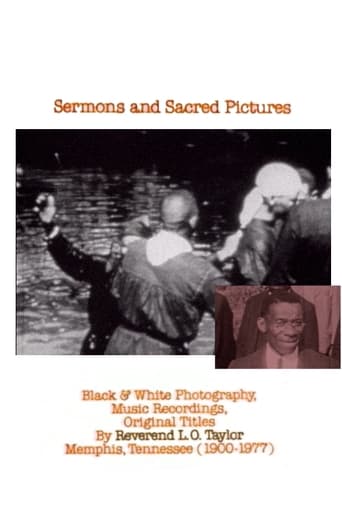
NR"An experimental documentary on Reverend L.O. Taylor, a black Baptist minister from Memphis, Tennessee who was also an inspired filmmaker with an overwhelming interest in preserving the social and cultural fabric of his own community in the 1930′s and 40s. I combine his films and music recordings with my own images of Memphis neighborhoods and religious gatherings" -Sachs
Sermons and Sacred Pictures
1989
 NR
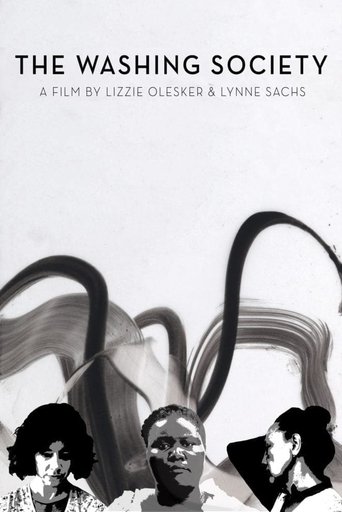
NRWhen you drop off a bag of dirty laundry, who's doing the washing and folding? The Washing Society brings us into New York City laundromats and the experiences of the people who work there by observing these disappearing neighborhood spaces and the continual, intimate labor that is performed there.
The Washing Society
2018
NRWhen you drop off a bag of dirty laundry, who's doing the washing and folding? The Washing Society brings us into New York City laundromats and the experiences of the people who work there by observing these disappearing neighborhood spaces and the continual, intimate labor that is performed there.
The Washing Society
2018
 NR
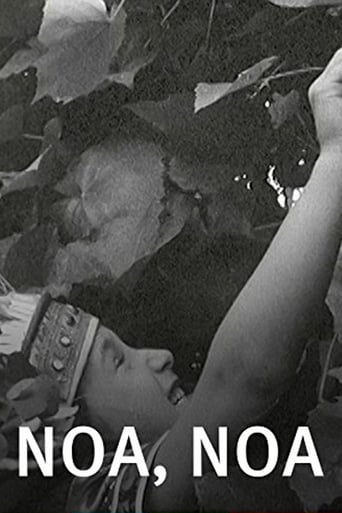
NROver the course of three years, Lynne Sachs collaborated with her daughter Noa (from 5 to 8 years old), criss-crossing the wooded landscapes of Brooklyn with camera and costumes in hand. Noa’s grand finale is her own rendition of the bluegrass classic “Crawdad Song”.
Noa, Noa
2006
 5.0
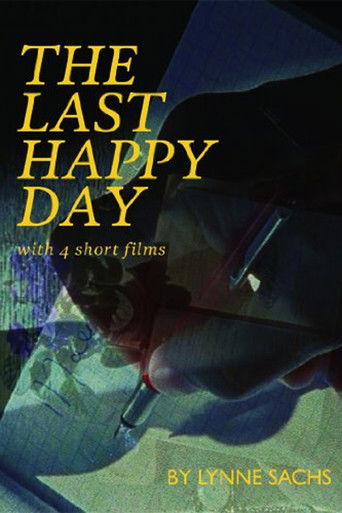
5.0THE LAST HAPPY DAY is an experimental documentary portrait of Sandor (Alexander) Lenard, a Hungarian medical doctor and a distant cousin of filmmaker Lynne Sachs. In 1938 Lenard, a writer with a Jewish background, fled the Nazis to a safe haven in Rome. Shortly thereafter, the U.S. Army Graves Registration Service hired Lenard to reconstruct the bones, small and large, of dead American soldiers. Eventually he found himself in remotest Brazil where he embarked on the translation of “Winnie the Pooh” into Latin, an eccentric task that catapulted him to brief world-wide fame. Sachs’ essay film uses personal letters, abstracted war imagery, home movies, interviews and a children’s performance to create an intimate meditation on the destructive power of war.
The Last Happy Day
2009
5.0THE LAST HAPPY DAY is an experimental documentary portrait of Sandor (Alexander) Lenard, a Hungarian medical doctor and a distant cousin of filmmaker Lynne Sachs. In 1938 Lenard, a writer with a Jewish background, fled the Nazis to a safe haven in Rome. Shortly thereafter, the U.S. Army Graves Registration Service hired Lenard to reconstruct the bones, small and large, of dead American soldiers. Eventually he found himself in remotest Brazil where he embarked on the translation of “Winnie the Pooh” into Latin, an eccentric task that catapulted him to brief world-wide fame. Sachs’ essay film uses personal letters, abstracted war imagery, home movies, interviews and a children’s performance to create an intimate meditation on the destructive power of war.
The Last Happy Day
2009
 NR
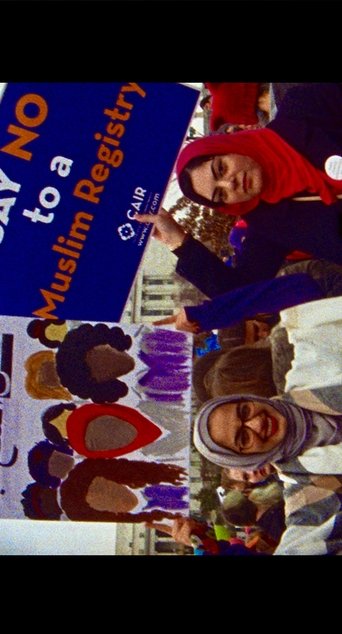
NRLynne shoots Super 8mm film of the Jan. 21 Women’s March in Washington, D.C. and intercuts this recent footage with archival material of early 20th Century Suffragists marching for the right to vote, 1960s antiwar activists and 1970s advocates for the Equal Rights Amendment.
And Then We Marched
2017
 NR
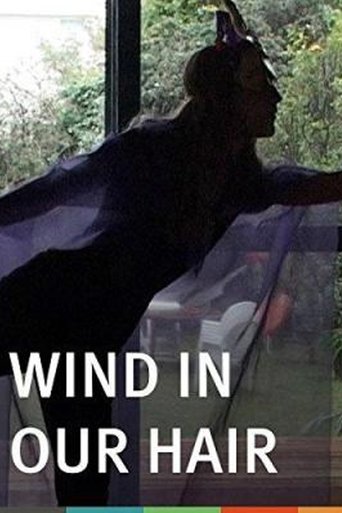
NRInspired by the short stories of Julio Cortázar, Lynne Sachs creates an experimental narrative about a group of girls on the verge of adolescence. While their lives are blissful and full of play, the political and social unrest of contemporary Argentina begins to invade their idyllic existence. Sachs’ brilliant mixture of film formats complements the shifts in mood from innocent amusement to protest
Wind in Our Hair
2010
 NR
NRA food market and playground in Queens, NY becomes the site for this film inspired by Paolo Javier’s Original Brown Boy poems. The film itself transforms into an ars poetica/cinematica—a meditation on writing and making images in the liminal space between a global pandemic and what might come next—as five New York City performers speak in verse while wandering through food stalls in search of a new sensation.
Swerve
2022
 NR
NRI began reading Virgil's Georgics, a 1st Century epic agricultural poem, and knew immediately that I needed to create a visual equivalent about my own relationship to the place where I live, New York City. Culled from material I collected at Coney Island, the Lower East Side, Socrates Sculpture Garden in Queens, a Brooklyn community garden and a place on Staten Island that is so dark you can see the three moons of Jupiter. An homage to a place many people affectionately and mysteriously call the Big Apple. - Lynne Sachs
Georgic for a Forgotten Planet
2009
NRThe core of this haunting meditation on war, land, the Bible, and filmmaking is a portrait of Revital Ohayon, an Israeli filmmaker and mother killed near the West Bank. Director Lynne Sachs creates a film on the violence of the Middle East by exchanging letters with an Israeli friend. Together, they reveal Revital's story through her films, news reports, and interviews, culminating in heartbreaking footage of children discussing the violence they've witnessed. Without taking sides or casting blame, the film becomes a cine-essay on fear and filmmaking, tragedy and transformation, violence and the land of Israel/Palestine.
States of UnBelonging
2005
NRThe core of this haunting meditation on war, land, the Bible, and filmmaking is a portrait of Revital Ohayon, an Israeli filmmaker and mother killed near the West Bank. Director Lynne Sachs creates a film on the violence of the Middle East by exchanging letters with an Israeli friend. Together, they reveal Revital's story through her films, news reports, and interviews, culminating in heartbreaking footage of children discussing the violence they've witnessed. Without taking sides or casting blame, the film becomes a cine-essay on fear and filmmaking, tragedy and transformation, violence and the land of Israel/Palestine.
States of UnBelonging
2005
NRThe core of this haunting meditation on war, land, the Bible, and filmmaking is a portrait of Revital Ohayon, an Israeli filmmaker and mother killed near the West Bank. Director Lynne Sachs creates a film on the violence of the Middle East by exchanging letters with an Israeli friend. Together, they reveal Revital's story through her films, news reports, and interviews, culminating in heartbreaking footage of children discussing the violence they've witnessed. Without taking sides or casting blame, the film becomes a cine-essay on fear and filmmaking, tragedy and transformation, violence and the land of Israel/Palestine.
States of UnBelonging
2005
 6.7
6.7In 1998, filmmaker Barbara Hammer had a one-month artist residency in the C Scape Duneshack which is run by the Provincetown Community Compact in Cape Cod, Massachusetts. The shack had no running water or electricity. While there, she shot 16mm film with her Beaulieu camera, recorded sounds with her cassette recorder and kept a journal. In 2018, Barbara began her own process of dying by revisiting her personal archive. She gave all of her Duneshack images, sounds and writing to filmmaker Lynne Sachs and invited her to make a film with the material.
A Month of Single Frames
2019
6.7In 1998, filmmaker Barbara Hammer had a one-month artist residency in the C Scape Duneshack which is run by the Provincetown Community Compact in Cape Cod, Massachusetts. The shack had no running water or electricity. While there, she shot 16mm film with her Beaulieu camera, recorded sounds with her cassette recorder and kept a journal. In 2018, Barbara began her own process of dying by revisiting her personal archive. She gave all of her Duneshack images, sounds and writing to filmmaker Lynne Sachs and invited her to make a film with the material.
A Month of Single Frames
2019
NRThe winner of numerous festival prizes, this early work by Lynne Sachs is a provocative film essay on women's perspectives on their bodies in a "man's world." It touches on everything from the female form's depiction in Renaissance art to the school of 19th century "scientific" thought equating "abnormal" physiognomy with criminality. This adventurous collage also features the filmmaker's own diaristic recollections (notably of being fitted for a diaphragm by a cold, intimidating doctor), poetical staged sequences, other women's audio testimonies, an old classroom instructional reel about menstruation, prose by Gertrude Stein and feminine "ideals" like the undulating young woman performing in fish-tail costumes at Florida's kitschy Weeki-Wachee Springs "Underwater Mermaid Theater." - Dennis Harvey
The House of Science: A Museum of False Facts
1991
 NR
NRThe village women of Mambai in Bali, Indonesia collect sand and stone from the river. Each woman sells what she has gathered for construction material. But the river is more than a place to work. It is a place to bathe, wash clothes, laugh and tell stories. "Fossil" is a collaborative performance piece crated by David Bronstein, Debbie Crowell, Ed Mitchell, Lynne Sachs, and Gede Tjok. The dance evolved through discussion and movement exercises as a collective response to the images from Mambai. This project was supported by an artist-in-residence grant from Downtown Community Television (New York, NY).
Fossil
1986
 NR
NRLynne Sachs films her daughter Maya in 16mm black and white film, at ages 6, 16 and 24. At each iteration, Maya runs around her mother, in a circle – clockwise – as if propelling herself in the same direction as time, forward. Conscious of the strange simultaneous temporal landscape that only film can convey, we watch Maya in motion at each distinct age.
Maya at 24
2021
 NR
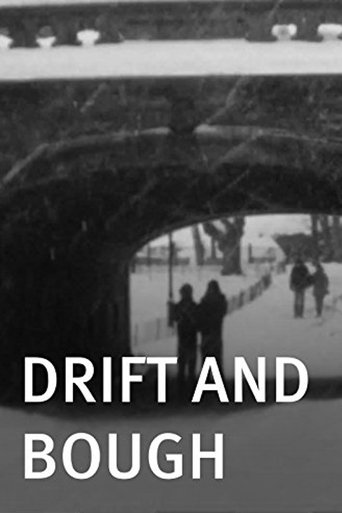
NRLynne Sachs spends a winter morning in Central Park shooting film in the snow. Holding her Super 8mm camera, she takes note of graphic explosions of dark and light and an occasional skyscraper. The stark black lines of the trees against the whiteness create the sensation of a painter's chiaroscuro. Woven into this cinematic landscape, we hear sound artist Stephen Vitiello's delicate yet soaring musical track which seems to wind its way across the frozen ground, up the tree trunks to the sky. — “I spent a morning this winter in Central Park shooting film in the snow. The stark black lines of the trees against the whiteness creates the sensation of a painter’s chiaroscuro, or a monochromatic ‘tableau-vivant.’ When I am holding my super 8mm camera, I am able to see these graphic explosions of dark and light” (Lynne Sachs).
Drift and Bough
2014
 NR
NRIn conversation with filmmaker Lynne Sachs, multi-disciplinary artist Jack Waters discusses his career and experiences as a part of the downtown New York City art scene from the early 80s to the present. Filmed in Jack’s home on the Lower East Side on February 15th, 2018.
A Morning with Jack Waters
2018
 NR
NROn June 28, 2018, laundry workers from El Barrio in New York City marched to the laundromat where they work. Their community and the Laundry Workers Center were there to support them.
¡Despertar!
2018
 NR
NRLike an animal in one of Eadweard Muybridge’s scientific photo experiments, five undramatic moments in a man’s life are observed by a woman. A study in visual obsession and a twist on the notion of the “gaze”.
Following the Object to Its Logical Beginning
1987
 NR
NRIn a cinema letter to Jean Vigo, Lynne Sachs ponders the French filmmaker’s 1933 classic Zéro de conduite, in which school boys wage an anarchist rebellion against their authoritarian teachers. Thinking about the January 6, 2021 assault on the US Capitol by right-wing activists, Sachs wonders how both innocent play and calculated protest can quickly turn into chaos and violence.
E•pis•to•lar•y: letter to Jean Vigo
2021
NRIn a cinema letter to Jean Vigo, Lynne Sachs ponders the French filmmaker’s 1933 classic Zéro de conduite, in which school boys wage an anarchist rebellion against their authoritarian teachers. Thinking about the January 6, 2021 assault on the US Capitol by right-wing activists, Sachs wonders how both innocent play and calculated protest can quickly turn into chaos and violence.
E•pis•to•lar•y: letter to Jean Vigo
2021
 NR
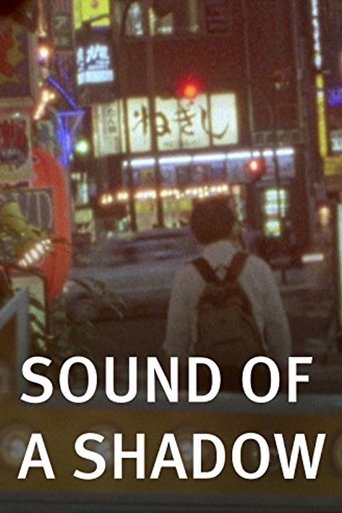
NRA wabi sabi summer in Japan: Observing that which is imperfect, impermanent and incomplete produces a series of visual haiku in teeming street life; Bodies in emotion, and leafprints in the mud.
Sound of a Shadow
2011
 NR
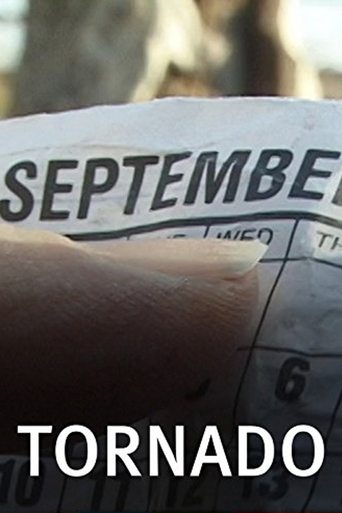
NRA tornado is a spinning cyclone of nature. It stampedes like an angry bull through a tranquil pasture of blue violets and upright blades of grass. A tornado kills with abandon but has no will. Lynne Sachs’ TORNADO is a poetic piece shot from the perspective of Brooklyn, where much of the paper and soot from the burning towers fell on September 11. Sachs’ fingers obsessively handle these singed fragments of resumes, architectural drawings and calendars, normally banal office material that takes on a new, haunting meaning.
Tornado
2002
 NR
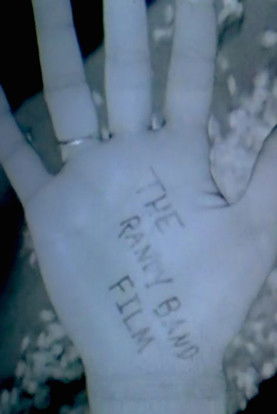
NRIn the mid 1980s, I heard Memphis's very own RANDY BAND and decided I would collaborate with their bass player Randy Chertow on a movie. Tommy Hull wrote this song "You" and I shot this Super 8 Movie to go with his great melody. In this movie, you will see band members Chertow, Tommy Hull and George Reineke. You will also see my wonderful sister Dana Sachs and great friend Kathy Steuer. I too have a small cameo you might catch. Some of the film is shot in the Fairgrounds in Memphis and some in the now long gone but dearly cherished MUSEUM OF THE UNKNOWN in Marin County, California.
The Randy Band Film
1988
Four Black women from the city of Syracuse, New York, reflect on sexuality, youthful regret, emotional vulnerability, raising a daughter, and working in reproductive health services. In a series of their own choreographed vignettes, each woman thoughtfully engages with the neighborhoods she's known all of her life. Two performers flip through classic 1960s titles by Black authors in a bookstore. Others sit in a hat store finding time to pour into each other, as mentors and confidantes. These are businesses that are owned by local Black women, and they know it. In Brady Market, a community grocery, they playfully shop and chat with ease and confidence. They dance to their own rhythms in the outdoor plaza of the Everson Museum of Art. Together they look down at the city from its highest point and ponder how to battle the inequities of the place that they call home.
This Side of Salina
2024
6.0In this illuminating study of cultural contrasts, American filmmaker Lynne Sachs and her sister, Dana, travel north from Ho Chi Minh City to Hanoi, recording conversations with Vietnamese strangers and friends. The sisters' expansive travel diary covers tourism, insights into city life, pervasive culture clashes and a bracing historic inquiry. What begins as a picaresque road trip soon blossoms into a richer social and political discourse.
Which Way Is East: Notebooks from Vietnam
1994