

Writing
Enn Vetemaa
Born — Died
1936-06-20 — 2017-03-28
Place of birth
Tallinn, Harju County, Estonia
Known for
Writing
Credits
12 titles
Enn Vetemaa (June 20, 1936 – March 28, 2017) was an Estonian writer sometimes referred to as a "forgotten classic", as well as "the unofficial master of the Estonian Modernist short novel".
Known for
 NR
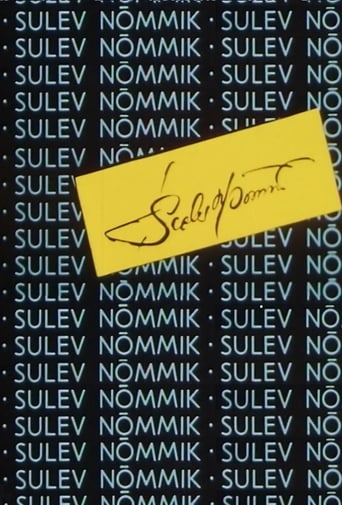
NREveryone has their own Sulev Nõmmik. To whom the director Sulev Nõmmik, to whom Kärna Ärni alias Ernst Kern, some remember him as a ballet dancer, others as a satirist. What these parts mean together and whether the whole can be divided, the film tries to answer.
Sulev Nõmmik
1987
 9.0
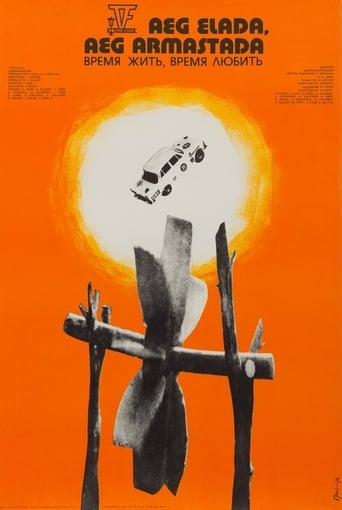
9.0Debora and Silver get into a serious car accident after a romantic night together. Silver escapes with a slight injury, but Debora's life is in danger and the doctors say there is no hope for her. Doctor Melts sees an opportunity in transplantation of dying Debora's kidneys to save the life of a professor who has a few weeks to live. However, the professor proposes a treatment for Debora that will exclude transplantation. The truth about the price of her life will change Debora's world.
Time to Live, Time to Love
1977
A silent comedy about a retired ballet artist who returns home to his first love twenty years later. It turns out that she had a child, who the man sets out to search for. Will the young pensioner find his child and will it be a girl or a boy?
A Young Retiree
1971
 6.1
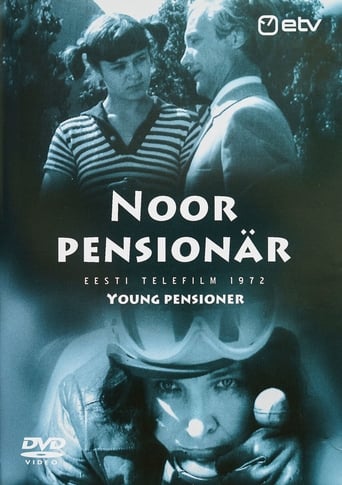
6.1One lovely day a young man, a former ballet dancer suddenly finds himself on a pension and begins searching for a new place in life. Fate brings him together with a rather mischievous young day for whom her mother has been trying to find a tutor. Many exciting events begin to take place.
Young Pensioner
1972
 6.3
6.3Fantastic film about the space trip of Klaabu, Ninni and Pessik, to their help to the habitats of other planet in a release from the yoke of ominous Mushroom and transformation of motherland in a flowering garden.
Klaabu in Space
1981
 NR
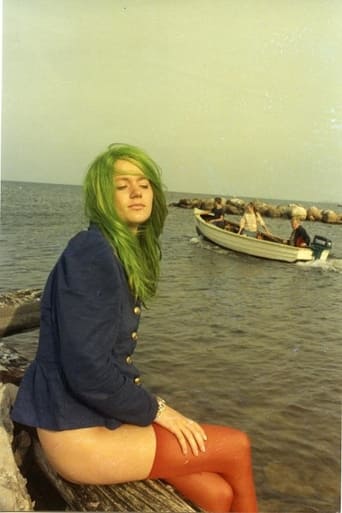
NRMermaids and humans have crossed paths throughout millennias.Their generally peaceful coexistence is described in naiadological literature, as well as in the folklore of many nations. Our mermaid people are poetic and mysterious - we meet these gentle and femininely charming creatures in nature and in the everyday life around us. The film follows the principles of scientific lyricism, and takes the viewer through the history of naiadology and introduces the main types of mermaids. The mermaids were captured in beautiful places in Estonian waters.
Uurimusfilm doktor Enn Vetemaa märkmeraamatute põhjal "Eesti näkid"
1993
Film credits
Behind the camera
NREveryone has their own Sulev Nõmmik. To whom the director Sulev Nõmmik, to whom Kärna Ärni alias Ernst Kern, some remember him as a ballet dancer, others as a satirist. What these parts mean together and whether the whole can be divided, the film tries to answer.
Sulev Nõmmik
1987
9.0Debora and Silver get into a serious car accident after a romantic night together. Silver escapes with a slight injury, but Debora's life is in danger and the doctors say there is no hope for her. Doctor Melts sees an opportunity in transplantation of dying Debora's kidneys to save the life of a professor who has a few weeks to live. However, the professor proposes a treatment for Debora that will exclude transplantation. The truth about the price of her life will change Debora's world.
Time to Live, Time to Love
1977
A silent comedy about a retired ballet artist who returns home to his first love twenty years later. It turns out that she had a child, who the man sets out to search for. Will the young pensioner find his child and will it be a girl or a boy?
A Young Retiree
1971
6.1One lovely day a young man, a former ballet dancer suddenly finds himself on a pension and begins searching for a new place in life. Fate brings him together with a rather mischievous young day for whom her mother has been trying to find a tutor. Many exciting events begin to take place.
Young Pensioner
1972
6.3Fantastic film about the space trip of Klaabu, Ninni and Pessik, to their help to the habitats of other planet in a release from the yoke of ominous Mushroom and transformation of motherland in a flowering garden.
Klaabu in Space
1981
NRMermaids and humans have crossed paths throughout millennias.Their generally peaceful coexistence is described in naiadological literature, as well as in the folklore of many nations. Our mermaid people are poetic and mysterious - we meet these gentle and femininely charming creatures in nature and in the everyday life around us. The film follows the principles of scientific lyricism, and takes the viewer through the history of naiadology and introduces the main types of mermaids. The mermaids were captured in beautiful places in Estonian waters.
Uurimusfilm doktor Enn Vetemaa märkmeraamatute põhjal "Eesti näkid"
1993
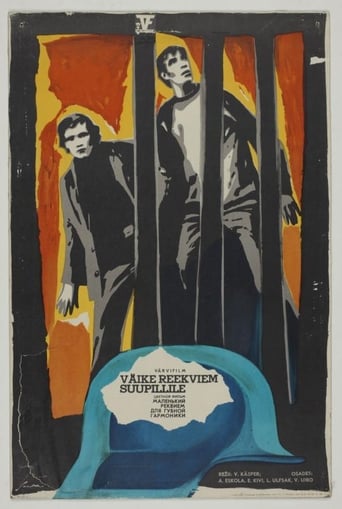 9.0
9.0Students Jaan and Heiki in 1972, inexplicably, cross the river of time and arrive in 1944, the year of the German occupation of Estonia. The film depicts the painful and conflicting contact between the two ages and mentality.
Little Requiem for Harmonica
1972
 7.0
7.0The film introduces a selection of various guest types in cafes and night clubs in late 1960s when old ladies still had some bourgeois manners from the first republic of Estonia and the youngsters of the Soviet regime were not served in a restaurant if they had no proper clothing. The guests of Tallinn's legendary cafes "Pearl" and "Moscow" were filmed in their own time. The uniqueness of the film is expressed through a strangely independent soundtrack that observes everyday bustle from the heights of melancholy poetry and remote uranography. Artur Alliksaar's poetry is read by Aarne Üksküla.
511 Best Photographs of Mars
1969
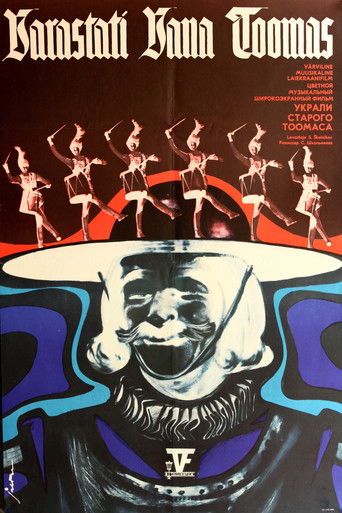 4.0
4.0A faithful city guardian the Old Thomas, who has stood on the top of the tower of Tallinn Town Hall for centuries, is suddenly gone. He has neglected his post in order to go and protect a couple in love. The adventures of the Old Thomas and the historians who are chasing him through the romantic Old Town of Tallinn and the newer district of Tallinn. The whole film has the mood of song celebrations and the characters are always accompanied by music, songs and dance.
The Old Thomas was Stolen
1970
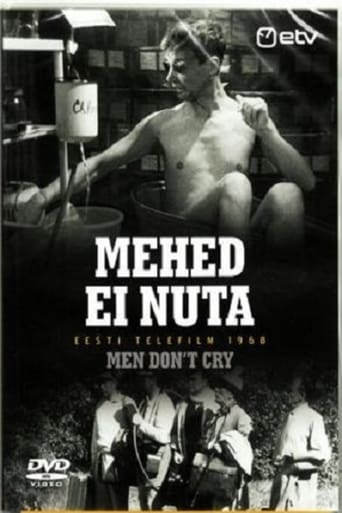 6.7
6.7A group of sleepless men should be taken into sanitarium for insomnia therapy. They are taken to a lonely island but no sanitarium is in sight. It turns out that the nurses have kidnapped the men and are about to give them the only useful medicine they need - fresh air and work. But the patients decide to disobey. There's only one solution - to escape.
Men Don't Cry
1969
 7.0
7.0On a nice summer day a funny little car rolls over a peaceful farm yard of Muhu island. The family that withdraws from the vehicle is quite odd-looking: an overbearing madam, a henpecked stammering husband and a mystical red-head. They announce that they want to spend their vacation in the farm ... "We are from capital, we will pay". This quiet vacation turns out to be a frantic day with romance, unexpected turns and fisticuffs between suitors.
Here We Are
1978