

Directing
István Szőts
Born — Died
1912-06-30 — 1998-11-06
Place of birth
Szentgyörgyválya
Known for
Directing
Credits
12 titles
Known for
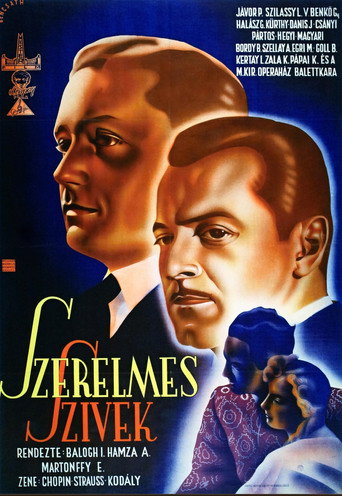 NR
1944 Hungarian-language anthology film featuring work by six directors. István Szöts directs the episode "Kádár Kata"
Szerelmes szívek
1944
 7.0
István Szöts short film based on Hungarian folk song, used in an anthology but commonly shown on its own
Kádár Kata
1944
 NR
Hallstätter Ballade refers to a celebrated 1961 Austrian documentary short film directed by István Szőts. The film is best known for poetically capturing the unique, centuries-old Alpine tradition of skull painting (Totenkult) in the village of Hallstatt.
Hallstatt Ballad
1961
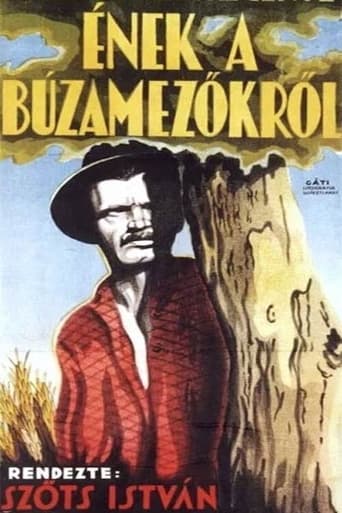 6.8
A Hungarian soldier returning from fighting in the Second World War marries the woman he believes to be the widow of a former comrade who he thinks died in the POW camp in which they were held.
Song of the Cornfields
1947
 10.0
János Apró, a widowed master bootmaker in Pest, is raising his nine small children on his own. They are so poor that, at Christmas, the only gift he can offer them is teaching them a cheerful song greeting the Baby Jesus—a song they can sing together. The melody rings out from the lips of the nine smiling children, filling the entire house; yet, the sound so disturbs the wealthy, solitary landlord living upstairs that he comes down to demand silence. Upon seeing their poverty, however, he abandons his intention; instead, he offers to adopt one of the boys—raising him to wealth so that he might later help the others.
Which of the Nine?
1957
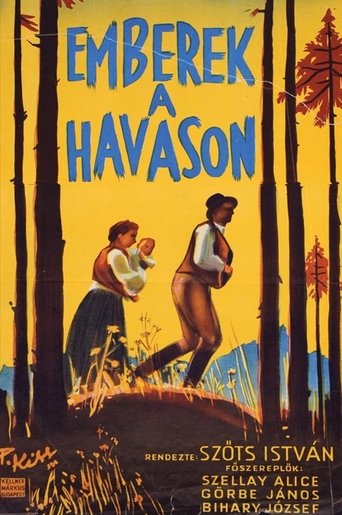 7.6
A simple, religious Hungarian woodcutter lives with his wife and boy child with a small community of squatters among the peaceful mountains of Transylvania until a lumber company claims their land and forces them all to become company workers or else leave the land. This 1942 Hungarian film takes a detailed and unflinching look at the hardships of mountain living, and the realistic approach proved influential to the Neorealist movement in Italian cinema. Hungarian master director Istvan Szots won the Biennale Cup at the Venice Film Festival for his auspicious debut, but the film was banned by the Nazis as "too Catholic" and not publicly exhibited until after World War II.
People of the Mountains
1942
Behind the camera
NR1944 Hungarian-language anthology film featuring work by six directors. István Szöts directs the episode "Kádár Kata"
Szerelmes szívek
1944
7.0István Szöts short film based on Hungarian folk song, used in an anthology but commonly shown on its own
Kádár Kata
1944
7.0István Szöts short film based on Hungarian folk song, used in an anthology but commonly shown on its own
Kádár Kata
1944
NRHallstätter Ballade refers to a celebrated 1961 Austrian documentary short film directed by István Szőts. The film is best known for poetically capturing the unique, centuries-old Alpine tradition of skull painting (Totenkult) in the village of Hallstatt.
Hallstatt Ballad
1961
NRHallstätter Ballade refers to a celebrated 1961 Austrian documentary short film directed by István Szőts. The film is best known for poetically capturing the unique, centuries-old Alpine tradition of skull painting (Totenkult) in the village of Hallstatt.
Hallstatt Ballad
1961
6.8A Hungarian soldier returning from fighting in the Second World War marries the woman he believes to be the widow of a former comrade who he thinks died in the POW camp in which they were held.
Song of the Cornfields
1947
6.8A Hungarian soldier returning from fighting in the Second World War marries the woman he believes to be the widow of a former comrade who he thinks died in the POW camp in which they were held.
Song of the Cornfields
1947
6.8A Hungarian soldier returning from fighting in the Second World War marries the woman he believes to be the widow of a former comrade who he thinks died in the POW camp in which they were held.
Song of the Cornfields
1947
10.0János Apró, a widowed master bootmaker in Pest, is raising his nine small children on his own. They are so poor that, at Christmas, the only gift he can offer them is teaching them a cheerful song greeting the Baby Jesus—a song they can sing together. The melody rings out from the lips of the nine smiling children, filling the entire house; yet, the sound so disturbs the wealthy, solitary landlord living upstairs that he comes down to demand silence. Upon seeing their poverty, however, he abandons his intention; instead, he offers to adopt one of the boys—raising him to wealth so that he might later help the others.
Which of the Nine?
1957
7.6A simple, religious Hungarian woodcutter lives with his wife and boy child with a small community of squatters among the peaceful mountains of Transylvania until a lumber company claims their land and forces them all to become company workers or else leave the land. This 1942 Hungarian film takes a detailed and unflinching look at the hardships of mountain living, and the realistic approach proved influential to the Neorealist movement in Italian cinema. Hungarian master director Istvan Szots won the Biennale Cup at the Venice Film Festival for his auspicious debut, but the film was banned by the Nazis as "too Catholic" and not publicly exhibited until after World War II.
People of the Mountains
1942
 NR
No synopsis available yet.
Stones, Castles and Men
1956