
Acting
Július Vašek
Born — Died
1926-12-29 — 2009-05-01
Place of birth
Nove Zamky, Slovakia
Known for
Acting
Credits
90 titles
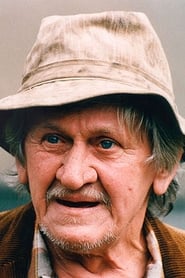
Július Vašek (* December 29, 1926, Nové Zámky - † May 1, 2009, Bratislava) was a Slovak actor. After finishing acting at the Bratislava Conservatory in 1954, he made his debut with the film Wooden Village, which was an adaptation of František Heček's novel. He has acted in more than fifty films. He mostly portrayed negative characters - nervous or emotional types of men in borderline situations, e.g. as well as the characters of guardsmen, German soldiers and, paradoxically, partisans in films from the Second World War, where his acting skills were most evident. Unforgettable was his performance in the films Captain Dabač, Romance for flugelhorn and Pacho, Hybské zbojník. However, he was mo…
Known for
 7.0
No synopsis available yet.
Bakaláři
1972
 8.0
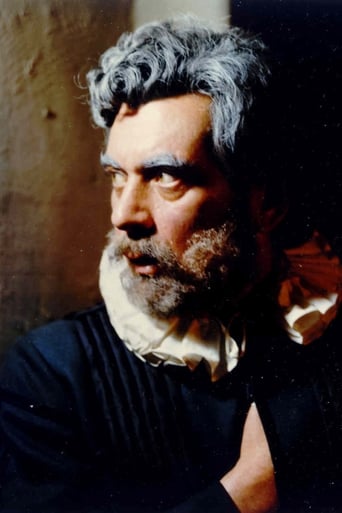
Series about the life of Renaissance anatomist, scholar and politic Johannes Jessenius. Already legendary series today, was produced by Czechoslovak Television Bratislava, directed by Slovak director Miroslav Luther in the first half of 80's in Barrandov Studios in Prague. The story and screenplay of the series wrote Czech writer Vladimír Körner. Five-episodes epic historical narration is a biographical story of distinguished Renaissance scholar, anatomist and politic of Slovak origin, Johannes Jessenius (Ján Jesenský, 1566–1621). It displays his life from the first studies and successes. In 1594 he became professor of surgery and anatomy on Wittenberg University, which he had attended years before. From that moment, his life went through social and personal wins and losses, to the sad end on the Prague Old Town Square gallows, among 27 noblemen, knights and burgenses, after lose Bohemian Revolt in 1621. His destiny was coupled with key events of Czech history in the break of 16th and 17th century, when Renaissance and European humanism slowly fade out.
The Physician of a Dying Time
1984
No synopsis available yet.
Rozprávky pätnástich sestier
1982
No synopsis available yet.
Americká tragédia
1977
No synopsis available yet.
Povstalecká história
1984
No synopsis available yet.
Svadba bez nevesty
1980
Film credits
1980s · 17 titles
No synopsis available yet.
Príživník
1988
No synopsis available yet.
Segment
1989
No synopsis available yet.
Jubelove deti
1981
 7.7
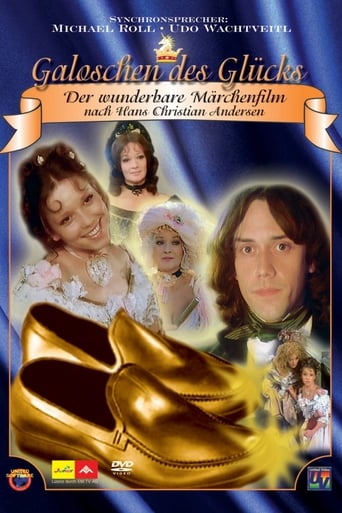
The Slippers of Happiness is another film made by the Slovak Film Production in co-production with West German companies based on classic world fairy tales. After Slovak folk tales [The Greatest Peck in the World, Salt Over Gold] and the works of German fairy tale writers Wilhelm Hauff [The False Prince] and the Brothers Grimm [The Land of the Thrush's Beard, Perinbaba], screenwriter Alex Koenigsmark and director Juraj Herz were inspired by the famous fairy tale by Hans Christian Andersen. It tells the story of slippers that the Fairy of Fortune enchanted so that they would fulfill every human wish and thus bring people happiness. The filmmakers humorously transferred the plot from Copenhagen to old Prague.
The Galoshes of Happiness
1987
A directors autobiography about his debut during the rise of socialism.
Narozeniny režiséra Z. K.
1988
No synopsis available yet.
Dirigent
1988
No synopsis available yet.
Pražská terčovnica
1982
No synopsis available yet.
Hlupákovo šťastie
1985
No synopsis available yet.
Mercadet
1988
No synopsis available yet.
Dnes platí regulačný stupeň č. 6
1980
Even a top athlete, a discus thrower, faces difficulties when she has to consider her future. She seems to lack nothing: the socialist physical education provides her with all the necessary facilities to prepare for the Olympics, she trusts a responsible coach. However, when she returns to her hometown, she still considers whether she made the right decision. When she becomes pregnant, she finds herself at a crucial moment.
Fénix
1981
No synopsis available yet.
Sudca vo vlastnej pasci
1988
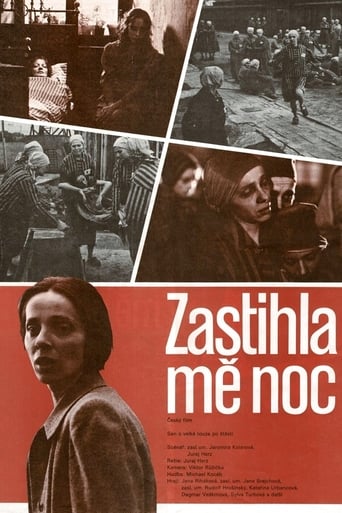 5.6
A communist journalist from Prague is sent to Ravensbruck concentration camp.
Caught by Night
1986
A teenager gets into a difficult situation due to several causes and tries to hide. His relations to others will decide his further life course.
Revenge
1980
No synopsis available yet.
Moliére
1986
No synopsis available yet.
Ťažký deň strigônika Ďura
1984
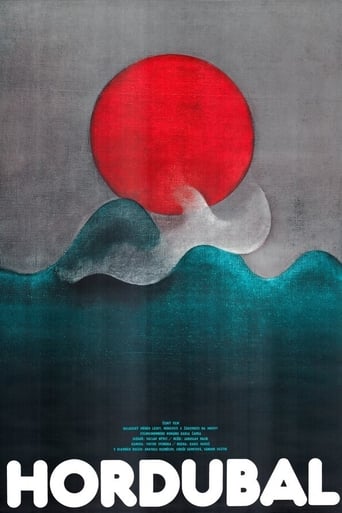 2.5
After five years of hard work in America Juraj Hordubal (Anatoliy Kuznetsov) returns back home. He is looking forward to his wife Polana (Libuse Geprtová) and his little daughter Hafie. The family and the village welcome him with hesitation. Everybody believed that Juraj died in America because Polana stopped receiving money from him already two years ago. Polana's farm was prospering first of all thanks to the young stable boy Stepán (Sándor Oszter). Men in the pub first indicate and then say to Juraj directly that Polana has been unfaithful to him with Stepán.
Hordubal
1980
1970s · 24 titles
No synopsis available yet.
Tereza
1976
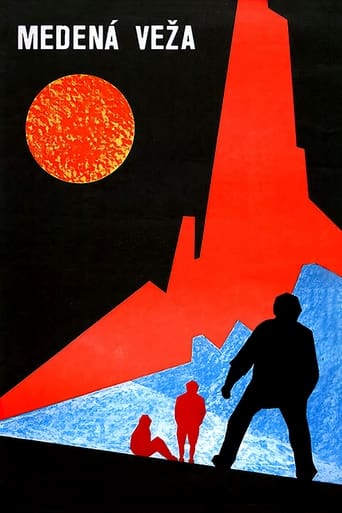 6.2
A dramatic story of three friends happily spending time on their own in a mountain cottage in the High Tatras. On the arrival of the wife of one of them their perfect friendship is put to a test.
The Copper Tower
1970
No synopsis available yet.
Do zbrane, kuruci
1974
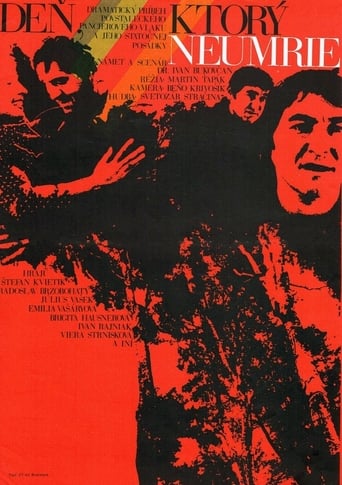 10.0
In the story of a partisan armored train crew operating in the rebel territory of Slovakia, the inner drama of Matúš Siroň, who hates war with a passion, unfolds. After managing to escape from the Eastern Front, he falls into German captivity. When he is liberated by partisans during a train transport, he initially refuses to fight. However, the circumstances of the Slovak National Uprising force him to change his mind...
Deň, ktorý neumrie
1974
 7.4
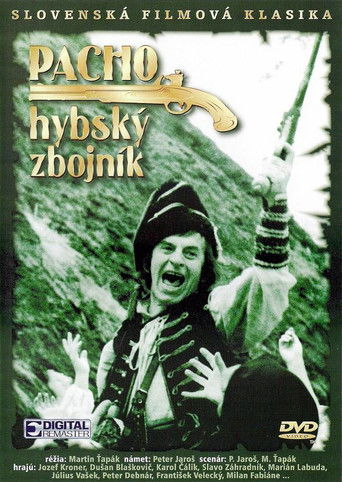
A funny outlaw tale inspired by traditional folk humour. Pacho is no ordinary outlaw. He detests injustice and feudal oppression and he copes with each troublesome situation with the help of his cleverness and wit.
Pacho, the Brigand of Hybe
1976
 6.0
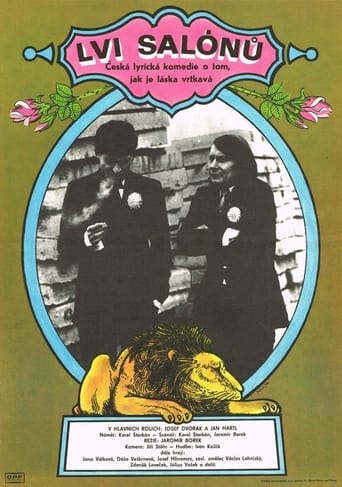
A marquee stands on a sprawling Prague housing estate and is home to two young bricklayers, who have all sorts of life experiences waiting for them in the city. Around the two rural bricklayers absorbed by the big city, the entertainment is more than a little embarrassing, toothless, revealing that at the height of normalisation, even the jolly genre of drama fared poorly, and any satirical allusions were especially undesirable. With no sense of humorous exaggeration and no wittily punctuated plots, the story unfolds, showing how the characters, living in a marquee standing on a sprawling estate, face all the pitfalls of the "big world"...
Lvi salónů
1978
A television film from the period of World War II, whose hero is Ondrej, living alone in his widow's house. The war has not yet touched him, he has only heard about it from people. One day, however, he learns that the Slovak National Uprising has broken out. Old Ondrej also begins to think about how to help the partisans in their difficult fight. He sets off on a journey to Prašiva with his only horse and a long-hidden rifle to give them to the partisans. The journey is long and Ondrej meets various people on it. By the time he reaches Prašiva, the destination of his journey, he realizes where his place is. And although he is not only at the end of his journey following the partisans, but also at the end of his life, his last words become the confession of a simple man who has realized on whose side truth and justice are.
Slnko vychádza nad Prašivou
1977
A television film, an adaptation of Vladimír Mináč's first novel. The dramatic story of two brothers during the Slovak National Uprising provides artistic testimony to authentic events from the Slovak mountains in 1944.
Smrť chodí po horách
1979
The plot takes place in the revolutionary year of 1848. It takes us to Príbelice, where Janko Kráľ returns from Pest after the March Revolution, to acquaint the Slovak people with the famous Twelve Points, together with his friend, teacher Ján Rotarides. They were voted on at the last Hungarian Diet in Bratislava with the promise of freedom and equality for Slovaks.
Príbelská vzbura Janka Kráľa
1978
 8.0
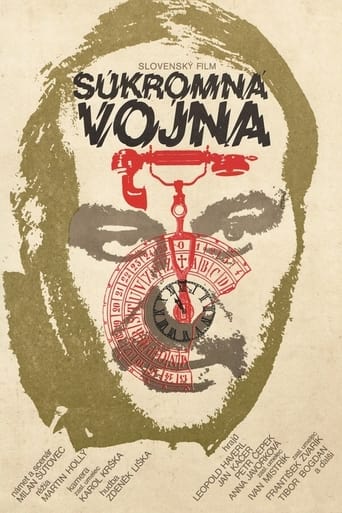
Slovak psychological drama from the end of World War II. The plot of the film takes place in a short period of time just before the outbreak of the uprising. It is the story of a man who wages his "private" war against the man who is responsible for the serious injury of his brother. The upcoming Slovak National Uprising becomes the backdrop for a model-built story that touches on stubborn personal revenge in a situation of war conflict, when human life loses all value. The actions of the main character thus sound like increasingly absurd actions, his motives and the impact of his actions are relativized, the very legitimacy of such a belief appears shaky.
Súkromná vojna
1978
 7.0
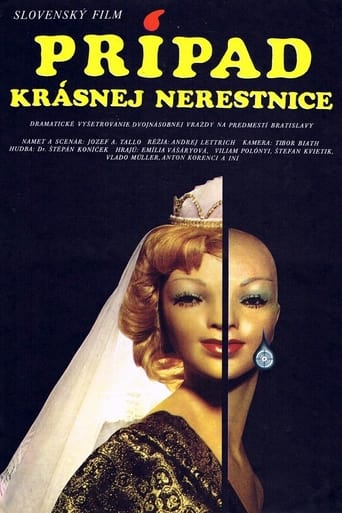
A crime story about a victim who was not entirely innocent. A fashion show is held on board a Danube steamer, where the star is the model Anna Vlčková, nicknamed "the beautiful harlot" because of her acquaintances with wealthy foreigners. Coincidentally, the young police captain Strelková and her older colleague Lieutenant Michalek are also among the spectators. Neither of them has any idea that Vlčková has a crush on the sick Swiss industrialist Langer. However, someone threatens her with death because of her intended marriage to him. Langer dies in the hospital before he can marry the beautiful harlot. However, someone still murders Vlčková with a shot from a hunting rifle. For Captain Strelková, this is the first major case of her career, and it is all the more difficult because the investigator has to make her mark in a world that has been the domain of men until now...
Prípad krásnej nerestnice
1974
No synopsis available yet.
Dni Turbinovcov
1976
 5.2
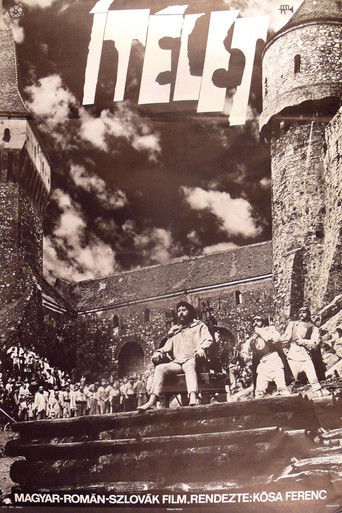
The film is a historic parable about the topicality of revolution. 1514. The peasants' uprising is over, Dózsa has been arrested. Werbőczy tries to get the imprisoned peasant leader deny the revolution and offers him the lives of his people in exchange.
Judgement
1970
No synopsis available yet.
Škola klebiet
1977
No synopsis available yet.
Strieborný prach
1975
The poverty of Slovak workers during the Great Depression during the Masaryk Republic reached such a level that it led to a well-organized strike. The capitalists and their minions tried by all means to break it. Even the workers who had not yet been elected soon recognized their place and supported the initiative of the communists, who selflessly led the strike movement. The poster-like, purely ideological story succumbs to paper-like dialogues and plots, and the narrative portrayal hardly convinces of the credibility of the whole story.
Nie
1978
 6.8
According to one Beskydy Mountains legend, if you do a good deed you will see silver trees. Little Ondra knows trees like that. In his family's cottage hangs a picture showing silver firs, a person falling from a height and a watch. In art lessons Ondra paints trees of the same kind. - One day Lojzek Hojgr, a man who climbs fir trees to gather the seeds, comes to see Ondra's parents. Long-ago Ondra's father has had such a job and Lojzek is his long-time friend. Hojgr moves into a half-ruined wood cabin. Ondra's father takes him on a visit to Lojzek and both demonstrate the beautiful but dangerous work of seed-gathering to the boy.
The Legend of the Silver Fir
1973
 5.2
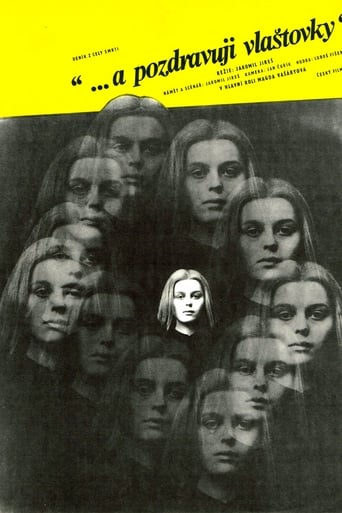
This film, chronicling the last days of Czech resistance fighter Maruska Kuderikova (played by Magda Vasaryova), is based on her diaries. Though she was tortured and eventually executed by the Nazis, her diaries indicate that she was optimistic for the humanity of her captors and did not by any means hate them. Told with simple dignity, this film makes clear why Maruska became a national hero.
And Give My Love to the Swallows
1972
No synopsis available yet.
Anglická blcha v cárskom Rusku
1972
 NR
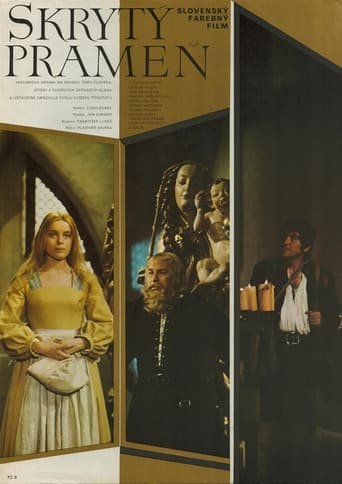
Levoča, first half of the 16th century. Master Paul creates his most famous work - a late Gothic altar in the Church of St. James. He has just recruited the carving companion Kristof into his service.
Skrytý prameň
1974
 4.5
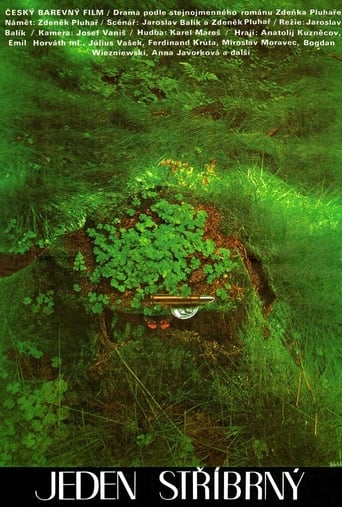
It is summer 1944. The war is far away from Slovak mountains for the time being. The head of forest management Borodác brings a new employee to complete the eight woodcutters work team of Czechs, Slovaks and one Pole - the young guy is Martin Uher, a former clerk form Prague. The eight tough men do not trust the newcomer at first, but as time is passing, they got used to him. After some time, Martin gets next to Julika, a young wife of the gamekeeper Tkác (Vlado Müller) and they begin to go out secretly. The gamekeeper knows that Martin had promised to cooperate with German Gestapo, after he had experienced a hard interrogation. In avoiding to be a grass, Martin leaves Prague to hide in Slovak mountains. Tkác wants Martin to inform on his colleagues who hide guns in the forest to ready to use them against Nazis.
One Silver Piece
1976
No synopsis available yet.
Pustý dvor
1979
 4.8
Three short stories. Prague finally sees the approval of the subway construction. Thousands of individuals took part in preparing, course and finalizing construction of subway and their lives crossed at certain points of this construction.
People from the Subway
1974
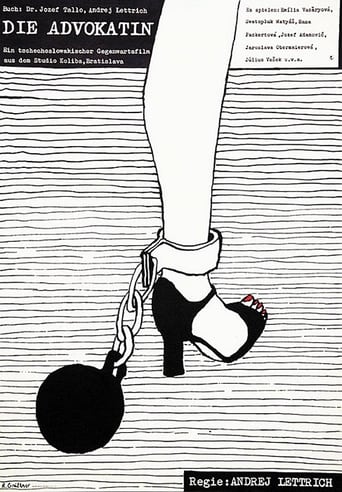 8.0
The story of a young lawyer who finds herself in a difficult situation when she encounters troubles in her burgeoning career and complications in private her life.
The Lawyer
1978
1960s · 16 titles
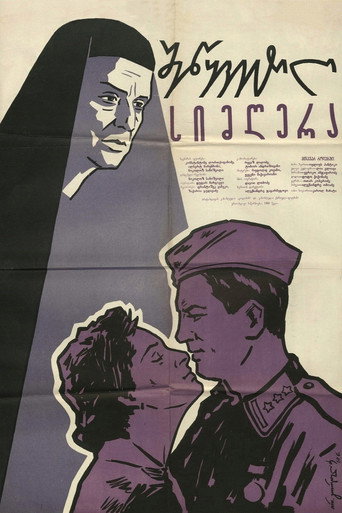 5.1
Young couple separated by World War 2, dream of being reunited years later.
Interrupted Song
1960
No synopsis available yet.
Pokorené rieky
1962
A two-part television film based on the novel of the same name by Rudolf Jašík, depicting a realistic picture of life and interpersonal relationships during World War II in the mixed Slovak-German environment of the town of Pravna and the nearby village of Planice, as well as life and relationships between soldiers on the Eastern Front. From this perspective, the plot follows a unit of Slovak soldiers, their realisation that they are fighting for foreign interests, their dissatisfaction and distrust of everything, especially their officers.
The Dead Don't Sing
1965
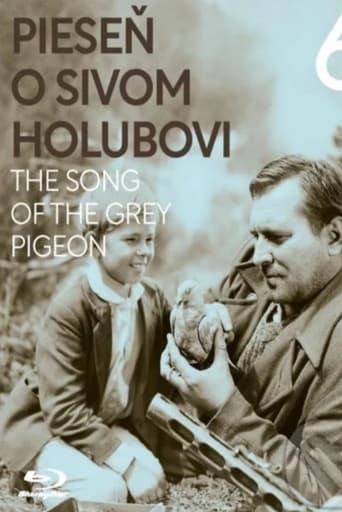 6.7
An unusual children's film set during World War II in Czechoslovakia, this compelling drama unfolds five different segments that present the war through the eyes of three youngsters. The three have a series of adventures which include saving a soldier from being captured by the Germans, helping out the resistance fighters, and meeting up with a young Russian woman trained in guerrilla warfare. As they learn more about life and danger, various circumstances constantly recall the reality of war itself. The title comes from a wounded pigeon under the care of one of the youngsters.
The Song of the Grey Pigeon
1961
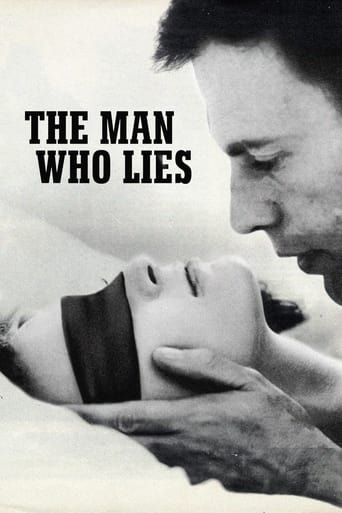 6.6
A man may or may not have betrayed a resistance fighter during World War II. He has supposedly been shot down by the Nazis and wanders into town. Mourning the death of an unseen comrade, he is taken in by the family of the dead rebel. He engages in a superfluous affair and witnesses the lesbian relationship between the man's sister and a female servant. When passions subside, the family has doubts about the reliability of the man's story.
The Man Who Lies
1968
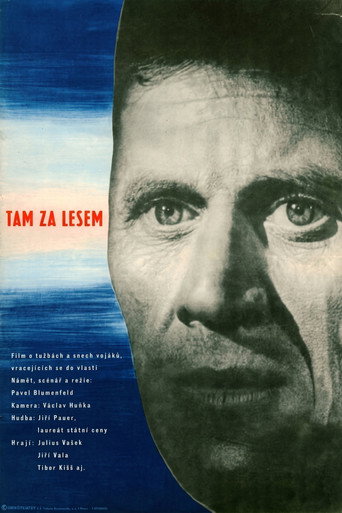 7.7
The brave soldiers, including a young Romani man determined to become a machine driver after the war, are preparing to fight for the Dukla Pass, and they must fight hard for every inch of land. They will redeem their success with their own blood.
There behind the forest
1962
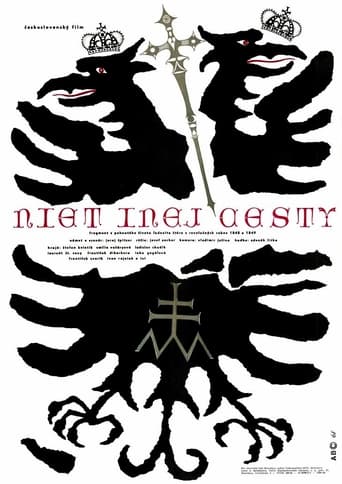 7.0
A biographical film about the Slovak nationalist Ľudovít Štúr. It captures the revolutionary events of 1848 in Austria-Hungary, when Štúr, as a member of the Diet, led the fight for the national rights of the Slovak people.
Niet inej cesty
1968
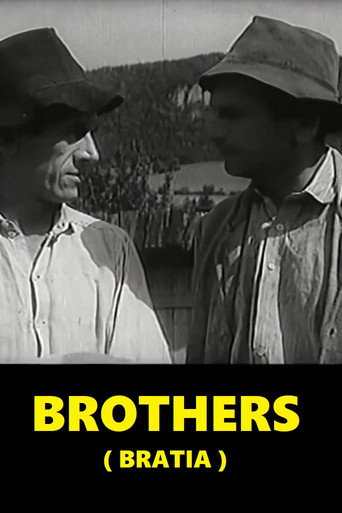 9.0
A bricklayer, Jozef Haviar, decides to live with his family on the small farm of his father through the difficult years of the economic crisis. But on his return to his father's house he gets into a conflict with his brother. The life-and-death conflict between the two brothers documents the difficult situation of Slovak country life in the 1930s, the time of economic depression.
Brothers
1962
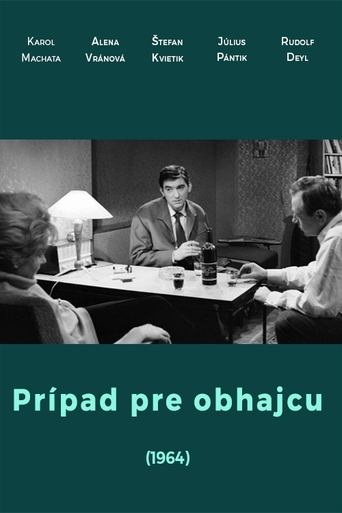 8.0
A psychological drama from the judiciary. Lawyer Kolár handles the case of the rape and murder of a fourteen-year-old girl and tries to remove the fifteen-year-old boy from suspicion and subsequent conviction based on discrepancies in the case file.
Prípad pre obhajcu
1964
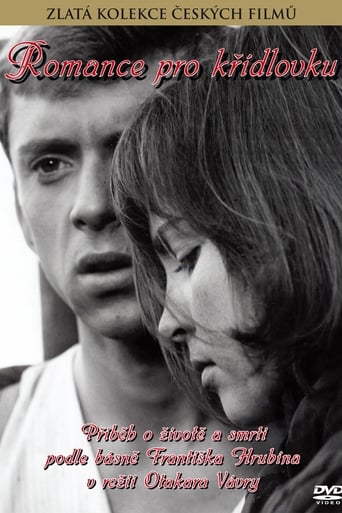 5.4
A lyrical story about first love, death and disappointment, based on a poem of the same title.
Romance for Bugle
1967
No synopsis available yet.
Symetrála
1969
No synopsis available yet.
Kto si bez viny...
1964
The television film based on the novel of the same name by Ladislav Mňaček draws on the period of World War II and the Slovak National Uprising. The film's story is composed of two intertwining time lines. In the images of the present that frame the entire narrative, the young partisan Voloďa - a hero with autobiographical features - recovers from a serious injury. In feverish reminiscences and in conversations with his nurse Eliška, he recapitulates the eventful events of his time in the partisan group in the village of Ploština, which the partisans abandoned under the pressure of events and left to the mercy of the German commando. Voloďa is haunted by visions of the burning Ploština, remorse and responsibility for the tragedy. In feverish reminiscences, he relives the meetings of the partisan detachment with the German commando. Memories of the mysterious Jewish girl Marta, a partisan liaison with whom Pavol had a passionate love affair, also return to him.
Smrť sa volá Engelchen
1960
Seven people waiting for their death. A group of assasins - three men and two women - and Gypsy thief spend their time in prison to be tucked up.
The Ballad of Seven Hanged Men
1968
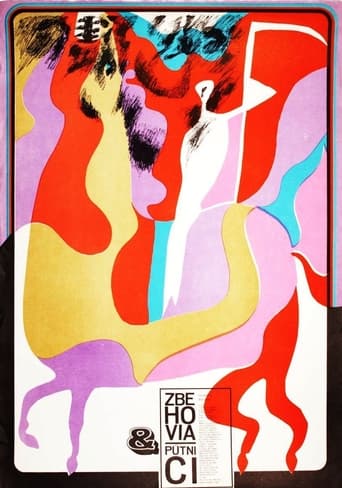 6.9
An apocalyptic story of three wars in three film tales encompassing the end of the WWI,WWII, as well as a vision of the world destroyed by nuclear weapons. This film was honored at the film festivals in Venice and Sorrento. Immediately after that the copy with Italian subtitles was locked in a safe as evidence of the anti-communist activities of the director, who used real footage of the Soviet invasion.
The Deserter and the Nomads
1968
No synopsis available yet.
Marína Havranová
1964
1950s · 2 titles
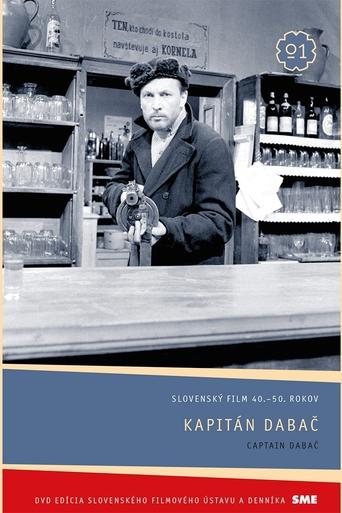 5.7
The drama of a young Slovak army officer who gradually realises the horrors of fascism during the fighting in Ukraine. On his return to Slovakia, he joins the SNP. However, he cannot overcome his loner attitude or his doubts about the meaning of partisan activity.
Kapitán Dabač
1959
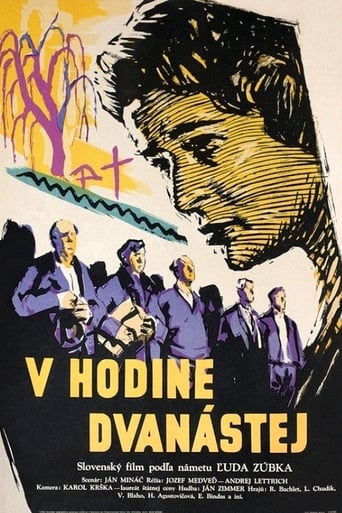 7.0
Nazi soldiers committed atrocities even when sober – and if they got drunk, they did even worse. The inhabitants of a Slovak village during the national uprising learn this when they have to accept an arrogant Hitlerite guard. When two soldiers go missing, the unit commander threatens to have five hostages executed for each of them as a warning. And he refuses to change his order, even when it turns out that drunkenness is to blame for the unfortunate incident. But the villagers get justifiably angry and take up arms.
V hodine dvanástej
1959
Series credits
7.0No synopsis available yet.
Bakaláři
1972
8.0Series about the life of Renaissance anatomist, scholar and politic Johannes Jessenius. Already legendary series today, was produced by Czechoslovak Television Bratislava, directed by Slovak director Miroslav Luther in the first half of 80's in Barrandov Studios in Prague. The story and screenplay of the series wrote Czech writer Vladimír Körner. Five-episodes epic historical narration is a biographical story of distinguished Renaissance scholar, anatomist and politic of Slovak origin, Johannes Jessenius (Ján Jesenský, 1566–1621). It displays his life from the first studies and successes. In 1594 he became professor of surgery and anatomy on Wittenberg University, which he had attended years before. From that moment, his life went through social and personal wins and losses, to the sad end on the Prague Old Town Square gallows, among 27 noblemen, knights and burgenses, after lose Bohemian Revolt in 1621. His destiny was coupled with key events of Czech history in the break of 16th and 17th century, when Renaissance and European humanism slowly fade out.
The Physician of a Dying Time
1984
No synopsis available yet.
Rozprávky pätnástich sestier
1982
No synopsis available yet.
Americká tragédia
1977
No synopsis available yet.
Povstalecká história
1984
No synopsis available yet.
Svadba bez nevesty
1980
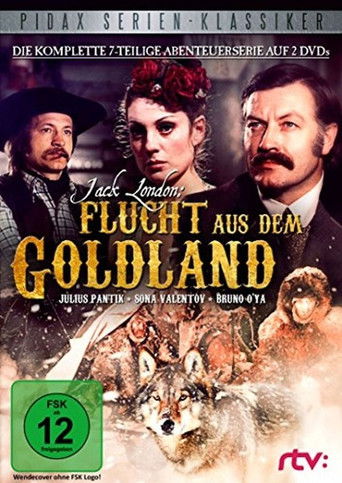 7.0
No synopsis available yet.
Útek zo zlatej krajiny
1979
No synopsis available yet.
To je váš prípad, Šetaffy.
1986
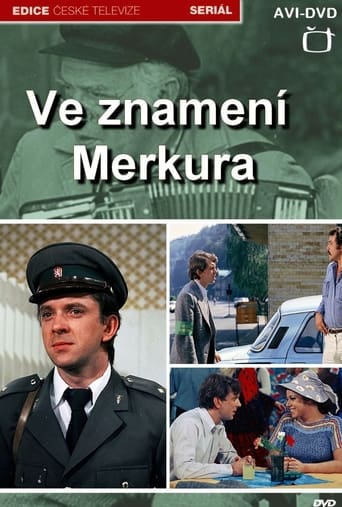 5.2
No synopsis available yet.
Ve znamení Merkura
1979
No synopsis available yet.
V službách zákona
1983
This three-part production about the life, work, and times of Slovak literary classic Jozef Gregor Tajovský focuses on Tajovský's childhood. Jozef Gregor Tajovský was born in Tajov in 1874 and died in Bratislava in 1940. A large part of the life of the prose writer and playwright Jozef Gregor Tajovský is connected with his native Tajov, Banská Bystrica, and the surrounding villages of Pohorelá, Lopej, Horná Lehota, and Podlavice. He spent his childhood in Tajov with his grandparents. He speaks of it as the most beautiful period of his life. After completing elementary school in Tajov, he studied at a grammar school in Banská Bystrica and at a teacher training college in Kláštor pod Znievom. He was particularly attached to Tajov, to which he returned throughout his life.
Tá tajovská voda mútna
1987
 9.0
No synopsis available yet.
Sám vojak v poli
1964
No synopsis available yet.
Hĺbkový rekord
1985
No synopsis available yet.
Na baňu klopajú
1981
No synopsis available yet.
Sršne v úli
1985
No synopsis available yet.
Moje kone vrané
1981
No synopsis available yet.
Reťazenie
1984
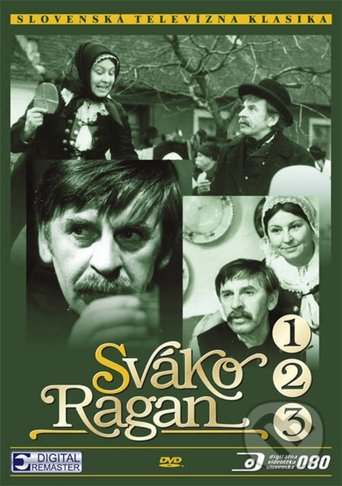 10.0
Resourceful tanner Sváko Ragan travels Myjava’s fairs and markets, using wit and dialect to spin both wins and misadventures into profit.
Sváko Ragan
1976
No synopsis available yet.
Bašta
1970
 NR
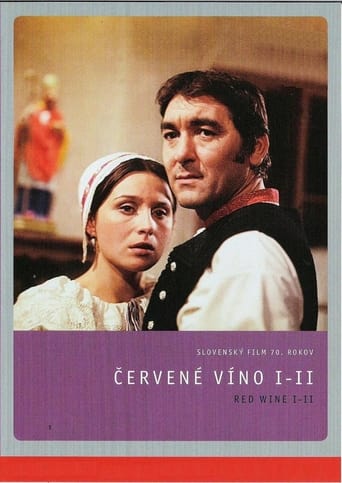
An epic saga of the Habdza family of vineyard keepers set in western Slovakian countryside at the beginning of the 20th century. Director Andrej Lettrich's novel adaptation talks of plotting, forbidden love. family discord, and struggle for heritage and power. The story is engaging thanks to the impressive performances of popular actors, dramatic situations, and sensitive music. Red Wine is not so much inventive in terms of auteurship as it is a work of excellent craftsmanship. The resulting picture is a costume production neatly adapted to the character of Slovak rural life in the past.
Red Wine
1972
No synopsis available yet.
Generácia
1969
No synopsis available yet.
My sme malí muzikanti
1976
No synopsis available yet.
Jedenáste prikázanie
1977
No synopsis available yet.
Dobrí ľudia ešte žijú
1979
No synopsis available yet.
Vzbúrené mesto
1984
No synopsis available yet.
Louis Pasteur
1979
A handsome young man trades his soul so that his portrait ages while he stays eternally young.
The Portrait of Dorian Gray
1970
No synopsis available yet.
Mŕtvi nespievajú
1964
No synopsis available yet.
Prípad jasnovidca Hanussena
1970
No synopsis available yet.
Šiel tovariš svetom
1981