
Directing
Julien Bryan
Born — Died
1899-05-22 — 1974-10-20
Place of birth
Titusville, Pennsylvania, USA
Known for
Directing
Credits
23 titles
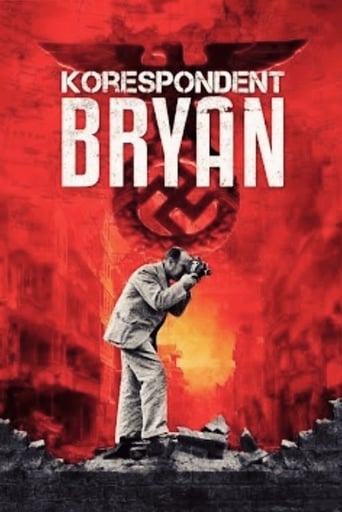
Julien Hequembourg Bryan was an American photographer, filmmaker, and documentarian. He is best known for documenting the daily life in Poland, Soviet Union, and Nazi Germany between 1935 and 1939.
Known for
One of the first American film introductions to Israel, this vitally interesting country - both objective and thought-provoking. Philip Stapp's animation carries us back 3000 years into Biblical times. Modern photography takes us into Israel, facing its new challenges, through 1964, as seen through the daily lives of several Israeli families.
Israel: The Story of the Jewish People
1965
 NR
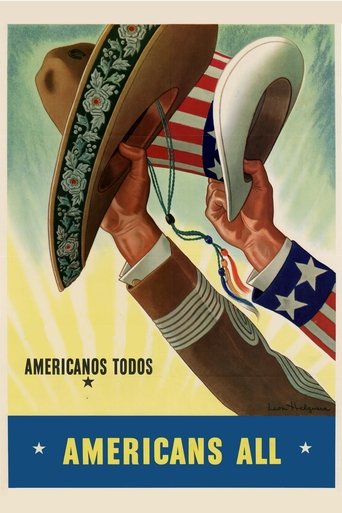
NRA film sponsored by the U.S. Office of the Coordinator of Inter-American Affairs to promote friendly relations with American countries just before World War II. Stresses the importance of the Good Neighbor Policy and Western Hemisphere cooperation in the face of Europe's disintegration. The first half is an historical summary of the American continent. Postulating that youth will build a new world, the last half considers youth at work, youth at school, health conditions, defense, and ends with a plea for American solidarity.
Americans All
1943
Depicts the Japanese occupation of Manchukuo. Describes the mechanization of industry. Includes scenes showing coal and iron mines, steel mills, railroads, government buildings, new housing, native Chinese life, shops and trade, the Russian influence in Harbin, the raising of soy beans, schools, and hospitals.
Manchukuo
1938
Focuses on the life of the Guarditas family as representatives of Uruguay's middle class. Shows their house; the father, Manuel, leaving for his work as a woolbroker; the boy at school; the girl doing her homework; the maid cleaning the house; and the mother working in the garden. Gives a very good impression of what middle-class life was like in Montevideo in the 1940's. (Jane M. Loy, Latin American Research Review, vol.12 no.3, 1977)
Montevideo Family
1943
A film about life on the small island of Likiep in the Marshall Islands in Micronesia.
Pacific Island
1949
A survey of early African civilizations. Imaginative maps by Philip Stapp set the scene for live photography of the ancient kingdoms of Kush, Axum, Ghana, Mali, Songhai and the dramatic stone ruins of Zimbabwe. The exciting art of Benin and Ashanti allow the viewer to compare ancient Africa with life today. Archaeologist at work help raise questions about who the ancient Africans were and how they lived. Consultant, Richard Ford, Professor of African History, Clark University.
Ancient Africans
1970
Film credits
1940s · 2 titles
NRA film sponsored by the U.S. Office of the Coordinator of Inter-American Affairs to promote friendly relations with American countries just before World War II. Stresses the importance of the Good Neighbor Policy and Western Hemisphere cooperation in the face of Europe's disintegration. The first half is an historical summary of the American continent. Postulating that youth will build a new world, the last half considers youth at work, youth at school, health conditions, defense, and ends with a plea for American solidarity.
Americans All
1943
 6.1
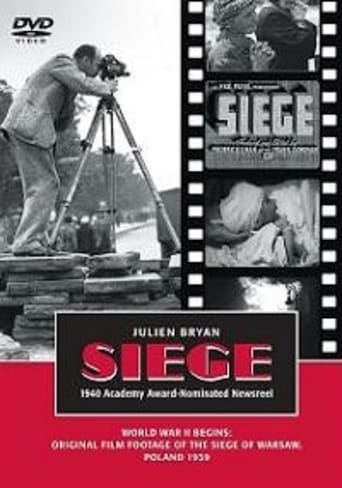
6.1Siege is a 1940 documentary short about the Siege of Warsaw by the Wehrmacht at the start of World War II. It was shot by Julien Bryan, a Pennsylvanian photographer and cameraman who later established the International Film Foundation. Siege was nominated for an Oscar for Best One-reel Short at the 13th Academy Awards in 1941, and in 2006, it was named to the National Film Registry by the Librarian of Congress as "a unique, horrifying record of the dreadful brutality of war."
Siege
1940
Behind the camera
One of the first American film introductions to Israel, this vitally interesting country - both objective and thought-provoking. Philip Stapp's animation carries us back 3000 years into Biblical times. Modern photography takes us into Israel, facing its new challenges, through 1964, as seen through the daily lives of several Israeli families.
Israel: The Story of the Jewish People
1965
One of the first American film introductions to Israel, this vitally interesting country - both objective and thought-provoking. Philip Stapp's animation carries us back 3000 years into Biblical times. Modern photography takes us into Israel, facing its new challenges, through 1964, as seen through the daily lives of several Israeli families.
Israel: The Story of the Jewish People
1965
NRA film sponsored by the U.S. Office of the Coordinator of Inter-American Affairs to promote friendly relations with American countries just before World War II. Stresses the importance of the Good Neighbor Policy and Western Hemisphere cooperation in the face of Europe's disintegration. The first half is an historical summary of the American continent. Postulating that youth will build a new world, the last half considers youth at work, youth at school, health conditions, defense, and ends with a plea for American solidarity.
Americans All
1943
Depicts the Japanese occupation of Manchukuo. Describes the mechanization of industry. Includes scenes showing coal and iron mines, steel mills, railroads, government buildings, new housing, native Chinese life, shops and trade, the Russian influence in Harbin, the raising of soy beans, schools, and hospitals.
Manchukuo
1938
Focuses on the life of the Guarditas family as representatives of Uruguay's middle class. Shows their house; the father, Manuel, leaving for his work as a woolbroker; the boy at school; the girl doing her homework; the maid cleaning the house; and the mother working in the garden. Gives a very good impression of what middle-class life was like in Montevideo in the 1940's. (Jane M. Loy, Latin American Research Review, vol.12 no.3, 1977)
Montevideo Family
1943
A film about life on the small island of Likiep in the Marshall Islands in Micronesia.
Pacific Island
1949
A survey of early African civilizations. Imaginative maps by Philip Stapp set the scene for live photography of the ancient kingdoms of Kush, Axum, Ghana, Mali, Songhai and the dramatic stone ruins of Zimbabwe. The exciting art of Benin and Ashanti allow the viewer to compare ancient Africa with life today. Archaeologist at work help raise questions about who the ancient Africans were and how they lived. Consultant, Richard Ford, Professor of African History, Clark University.
Ancient Africans
1970
A Documentary surrounding the activities of a sampan fisherman and his family along the Min River in China's Fukien Province.
Sampan Family
1949
 5.2
5.2Heretic is a modern dance work by Martha Graham performed to Tetus Breton, an old folk tune from Brittany.
Heretic
1931
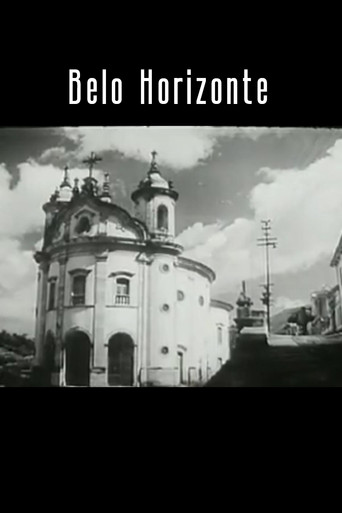 NR
NRA film about the planned city of Belo Horizonte in Brazil.
Belo Horizonte
1946
 NR
NRNo synopsis available yet.
Yeni Türkiye
1936
NRNo synopsis available yet.
Yeni Türkiye
1936
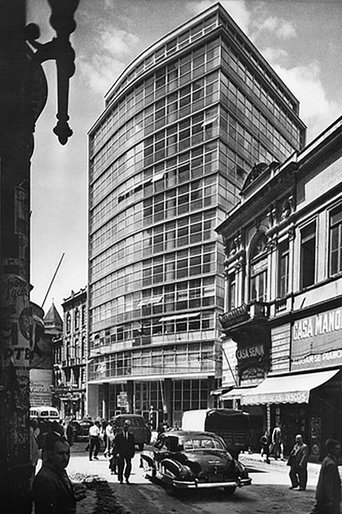 NR
NRA film sponsored by the U.S. Office of the Coordinator of Inter-American Affairs to promote friendly relations with South American countries just before World War II.
São Paulo: The Fastest Growing City in the World
1944
An educational documentary film detailing the role of the Christian church in communities across the globe, including West Germany, Russia, Syria, India, the Philippines, and South Korea.
A People Without Fear
1953
6.1Siege is a 1940 documentary short about the Siege of Warsaw by the Wehrmacht at the start of World War II. It was shot by Julien Bryan, a Pennsylvanian photographer and cameraman who later established the International Film Foundation. Siege was nominated for an Oscar for Best One-reel Short at the 13th Academy Awards in 1941, and in 2006, it was named to the National Film Registry by the Librarian of Congress as "a unique, horrifying record of the dreadful brutality of war."
Siege
1940
6.1Siege is a 1940 documentary short about the Siege of Warsaw by the Wehrmacht at the start of World War II. It was shot by Julien Bryan, a Pennsylvanian photographer and cameraman who later established the International Film Foundation. Siege was nominated for an Oscar for Best One-reel Short at the 13th Academy Awards in 1941, and in 2006, it was named to the National Film Registry by the Librarian of Congress as "a unique, horrifying record of the dreadful brutality of war."
Siege
1940
Documentary featuring the lives of 'ordinary' Russians prior to World War 2
How Russians Play
—
Presents highlights of Chinese history, focusing on major dynasties. Relates eminent achievements of each period to the present. Tells of the influence of ancient Chinese tradition on contemporary Chinese life-styles. Winner of the Chris Award.
The Ancient Chinese
1974
A film shot in the early 1930s and revised in 1952 which covers Moscow, the tribal areas of the Caucasus Mountains, avant-garde and Jewish theatre preformances, dance festivals, the newly established U.S. Embassy, as well as local daily life.
Peoples of the Soviet Union
1952