
Acting
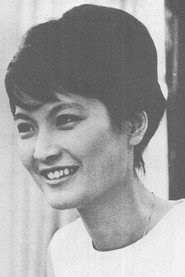
Keiko Natsu
Born
1943-08-01 (83)
Place of birth
Tokyo Metropolis, Japan
Known for
Acting
Credits
20 titles
Known for
 8.5
8.5Love Generation revolves around the relationship of the two leading protagonists, Katagiri Teppei and Uesugi Riko, who begin their relationship as squabbling colleagues before falling in love.
Love Generation
1997
 NR
NRNo synopsis available yet.
New York Love Story
1988
 9.0
9.0"Young People" is a story about the lives of four brothers and a sister, Sato. After the death of his parents, the older brother, Taro, who works in construction, decides to replace them. The second brother, Jiro, is a truck driver. The third, Saburo, is a student, dreams of a better future for the whole family are connected with him, with his career. Brothers and sisters are fighting to give him a higher education. And, finally, the youngest of the brothers, Suekichi, is also going to enter the university after graduation. The life of the Sato family is complicated. Taro is kind, but limited, not always able to find a common language with his brothers and sister Orie. The girl cannot stand the despotism of her brother, leaves her home and goes to work at the factory. With her departure, everything in the house goes upside down. Suekichi fails her university entrance exams, Orie is forced to return to her family.
Young People
1968
 NR
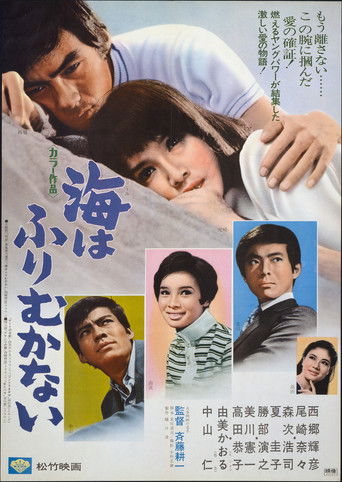
NRIn stark contrast to his elder brother, who is racing along the fast track to success, his younger brother, Reiji, leads a carefree life in Yokohama. He feels sympathy for Mie, whom his brother had dumped in pursuit of a career, but upon learning that she is suffering from a terminal illness and has little time left to live, his sympathy turns into intense love.
The Sea Doesn't Look Back
1969
 NR
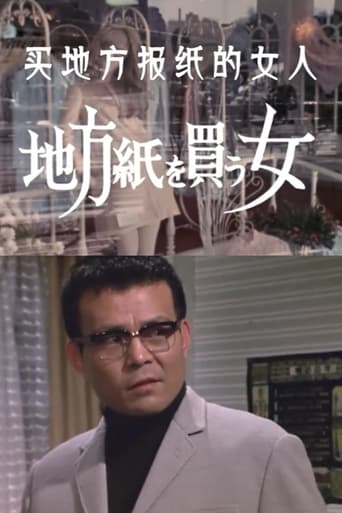
NRBased on the original mystery novel by Seicho Matsumoto. Novelist Ryuji Sugimoto is publishing his serial in a local newspaper when a woman from Tokyo subscribes, saying she’s interested in his work—only to abruptly cancel weeks later. Suspicious, he realizes her true interest may not be the fiction at all, but a real double suicide reported in the same paper.
The Woman Who Took the Local Paper
1973
 9.0
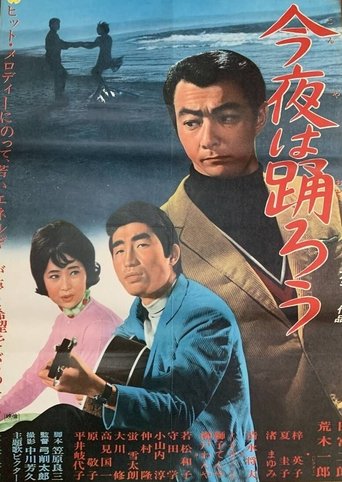
9.0A drama about the sex industry.
Let's Dance Tonight
1967
Film credits
1980s · 2 titles
 NR
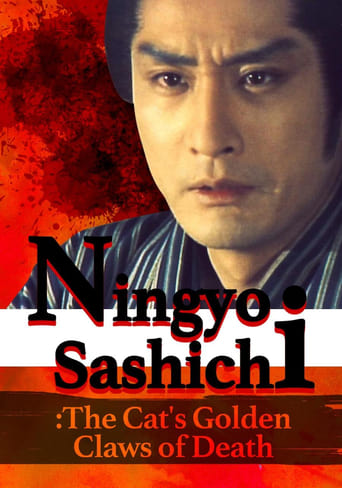
NRSashichi is a dapper and handsome man. He is called a doll Sashichi because he is "a nice man like a doll." On top of that, he is a considerable young boss. This is a story in that Kanda solves the murder spree in Edo where a famous boss of Otamaga pond, Sashichi lives in.
Ningyo Sashichi: The Cat’s Golden Claws of Death
1984
Yoko Takahashi's directorial debut.
Alone in the Rain
1983
1970s · 6 titles
NRBased on the original mystery novel by Seicho Matsumoto. Novelist Ryuji Sugimoto is publishing his serial in a local newspaper when a woman from Tokyo subscribes, saying she’s interested in his work—only to abruptly cancel weeks later. Suspicious, he realizes her true interest may not be the fiction at all, but a real double suicide reported in the same paper.
The Woman Who Took the Local Paper
1973
 NR
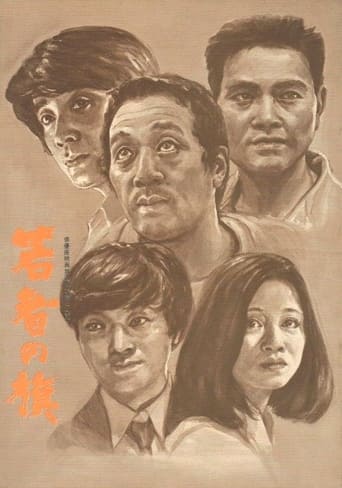
NRThe final part of the trilogy. It is about a younger brother, Suekichi. He learned well the lessons that life taught his older brothers. Therefore, he does not think to study, but strives for material well-being alone. To make a career, he ruthlessly pushes his colleagues with his elbows. For him, the high ideals of trade union activists Jiro and Saburo are an example of old-fashioned thinking, naive behavior.
Banner of the Young
1970
 NR
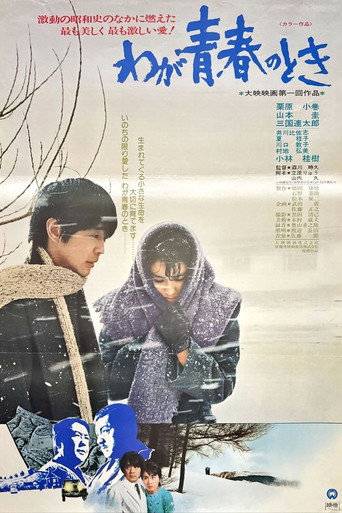
NRNo synopsis available yet.
Waga seishun no toki
1975
 10.0
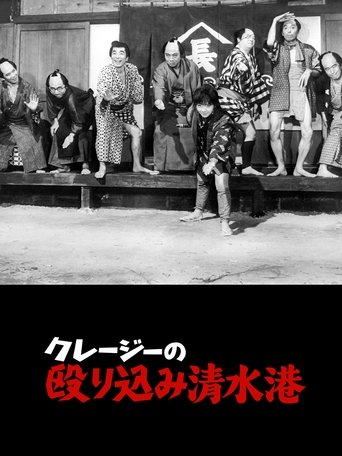
10.0The 14th and final "Crazy" feature. The Crazy Cats reunited (minus Ishibashi, who had by then retired from the team) for one last feature, Jun Ichikawa's odd Memories of You (Kaisha mono-gatari, 1988) released by Shochiku. Most of the cast of Crazy lrresponsibles at Shimizu Harbor (1966) return in this sequel.
Crazy Violence at Shimizu Harbor
1970
 NR
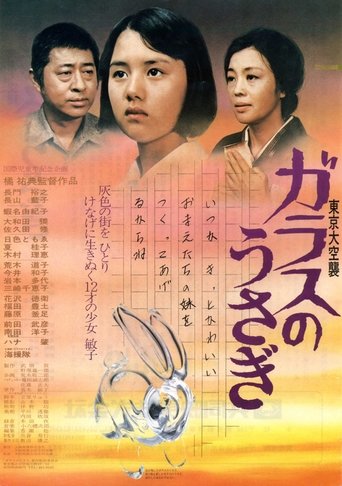
NRBased on an autobiographical novel by Toshiko Takagi, set close to the end of World War II
Tokyo Air Raid Glass Rabbit
1979
 10.0
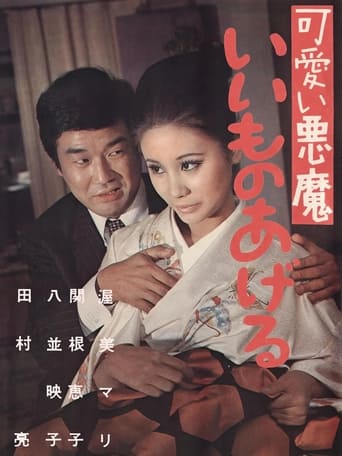
10.0Yumi Ishikawa (Mari Atsumi) is nineteen and a popular geisha. Orphaned when a child, Yumi she was raised by Shizuko, the madame of a geisha house. Yumi is impulsive, out-going. And although she cannot claim to be good at Japanese dancing or playing musical instruments so necessary to a geisha, she is a whizz at go-go and will dance the hula at parties. But before becoming a full-fledged geisha, Yumi must go through the ceremony of the "mizuage", when a budding geisha surrenders her virginity to an experienced man who makes her a woman. Takida, a rich money-lender, is chosen for Yumi's mizuage but she offers herself first to Keiichi (Ryo Tamura), who she really loves although she knows that his world and hers are too far apart for a successful marriage.
Just for You
1970
1960s · 10 titles
9.0"Young People" is a story about the lives of four brothers and a sister, Sato. After the death of his parents, the older brother, Taro, who works in construction, decides to replace them. The second brother, Jiro, is a truck driver. The third, Saburo, is a student, dreams of a better future for the whole family are connected with him, with his career. Brothers and sisters are fighting to give him a higher education. And, finally, the youngest of the brothers, Suekichi, is also going to enter the university after graduation. The life of the Sato family is complicated. Taro is kind, but limited, not always able to find a common language with his brothers and sister Orie. The girl cannot stand the despotism of her brother, leaves her home and goes to work at the factory. With her departure, everything in the house goes upside down. Suekichi fails her university entrance exams, Orie is forced to return to her family.
Young People
1968
NRIn stark contrast to his elder brother, who is racing along the fast track to success, his younger brother, Reiji, leads a carefree life in Yokohama. He feels sympathy for Mie, whom his brother had dumped in pursuit of a career, but upon learning that she is suffering from a terminal illness and has little time left to live, his sympathy turns into intense love.
The Sea Doesn't Look Back
1969
9.0A drama about the sex industry.
Let's Dance Tonight
1967
 NR
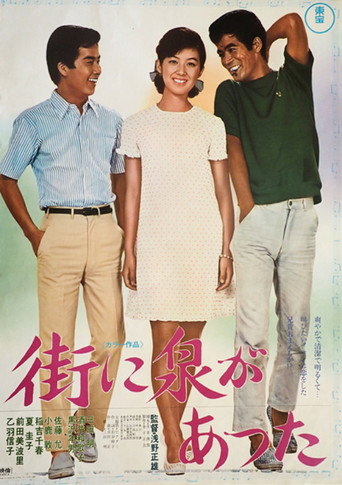
NRA romantic triangle comprised of two brothers in love with the same woman.
Where Love Springs
1968
 NR
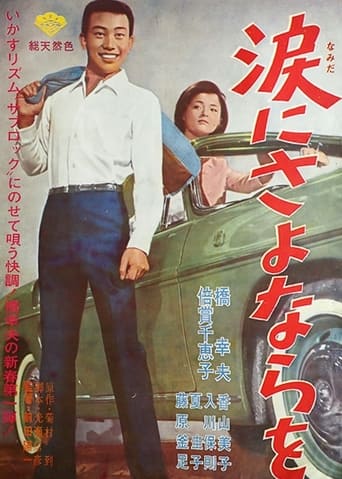
NRA musical romance.
Che, Che, Che with Love
1965
 10.0
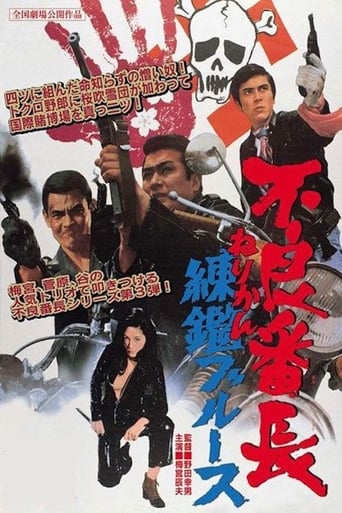
10.0A story of rivalry between two gambling clans.
The Bad Boss 3
1969
 7.0
7.0The film portrays a satirical view of today's heartless money-oriented society.
The Funeral Racket
1968
 NR
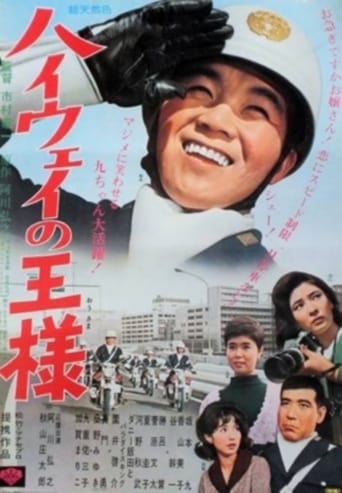
NRNo synopsis available yet.
King of the Highway
1965
 7.1
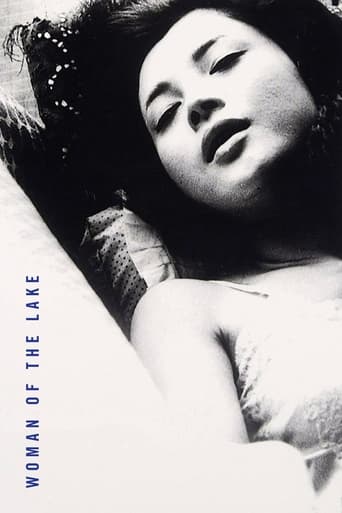
7.1A married woman lets her lover take naked pictures of her. The photos end up in possession of a man who starts blackmailing the couple.
Woman of the Lake
1966
 8.0
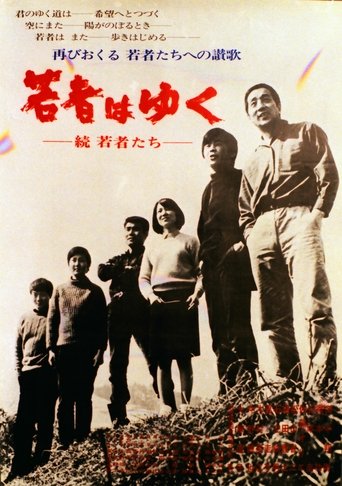
8.0The second film tells about the life of matured brothers and sister Sato. Taro became a foreman. He saves every yen to fulfill his dream of building his own house with stone gates. Jiro continues to work in the transportation office, he dreams of getting married. Saburo faces a moral problem: in order to get a good position, he must answer the questions of the entrance test differently than his conscience tells him. At the exam, Saburo does not hide his views on life and is deprived of the promised position. Orie and Suekiti believe that he did wrong and betrayed his older brothers. But the anxiety in the Sato family is not limited to these events. Orie was being asked to marry a handsome, well-established young man, but she suddenly announced her decision to marry Tozaka, who was suffering from radiation sickness. Sato's peaceful home is falling apart...
Forward, Young People!
1969