
Acting
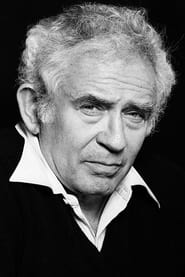
Norman Mailer
Born — Died
1923-01-31 — 2007-11-10
Place of birth
Long Branch, New Jersey, USA
Known for
Acting
Credits
65 titles
Norman Kingsley Mailer (January 31, 1923 – November 10, 2007) was an American novelist, journalist, essayist, playwright, activist, filmmaker and actor. In a career spanning over six decades, Mailer had 11 best-selling books, at least one in each of the seven decades after World War II—more than any other post-war American writer. His novel The Naked and the Dead was published in 1948 and brought him early renown. His 1968 nonfiction novel Armies of the Night won the Pulitzer Prize for non-fiction as well as the National Book Award. His best-known work is widely considered to be The Executioner's Song, the 1979 winner of the Pulitzer Prize for fiction. Mailer is considered an innovator of …
Known for
 7.6
7.6The Tonight Show Starring Johnny Carson is a talk show hosted by Johnny Carson under The Tonight Show franchise from 1962 to 1992. It originally aired during late-night. For its first ten years, Carson's Tonight Show was based in New York City with occasional trips to Burbank, California; in May 1972, the show moved permanently to Burbank, California. In 2002, The Tonight Show Starring Johnny Carson was ranked #12 on TV Guide's 50 Greatest TV Shows of All Time.
The Tonight Show Starring Johnny Carson
1962
 7.9
7.9Set in the charming town of Stars Hollow, Connecticut, the series follows the captivating lives of Lorelai and Rory Gilmore, a mother/daughter pair who have a relationship most people only dream of.
Gilmore Girls
2000
 6.8
6.8No synopsis available yet.
The Merv Griffin Show
1962
 6.6
6.6No synopsis available yet.
NDR Talk Show
1979
 9.0
9.0Political talk show on current topics presented by Maybrit Illner.
maybrit illner
1999
 6.8
6.8The Dick Cavett Show has been the title of several talk shows hosted by Dick Cavett on various television networks.
The Dick Cavett Show
1968
Film credits
2020s · 2 titles
 5.9
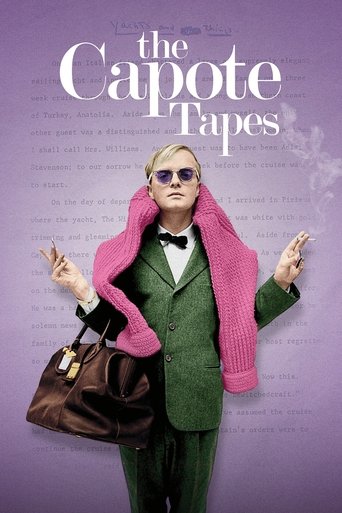
5.9A portrait of the brilliant American writer Truman Capote (1924-84) and the New York high society of his time.
The Capote Tapes
2021
 NR
NRFrom Brooklyn beginnings to literary pantheon, Norman Mailer's unorthodox trajectory spans marriages, offspring, and accolades. An unprecedented glimpse into the preeminent 20th-century author's private and public worlds through intimate biography.
How to Come Alive with Norman Mailer
2023
2010s · 4 titles
 7.2
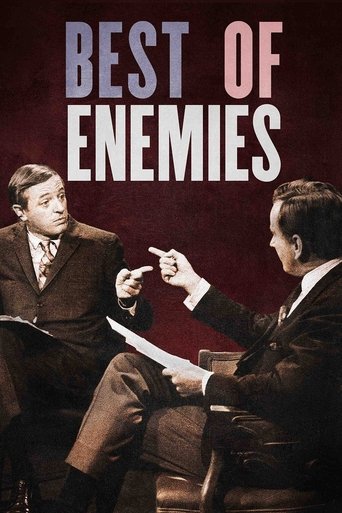
7.2A documentary about the legendary series of nationally televised debates in 1968 between two great public intellectuals, the liberal Gore Vidal and the conservative William F. Buckley Jr. Intended as commentary on the issues of their day, these vitriolic and explosive encounters came to define the modern era of public discourse in the media, marking the big bang moment of our contemporary media landscape when spectacle trumped content and argument replaced substance. Best of Enemies delves into the entangled biographies of these two great thinkers, and luxuriates in the language and the theater of their debates, begging the question, "What has television done to the way we discuss politics in our democracy today?"
Best of Enemies
2015
 6.7
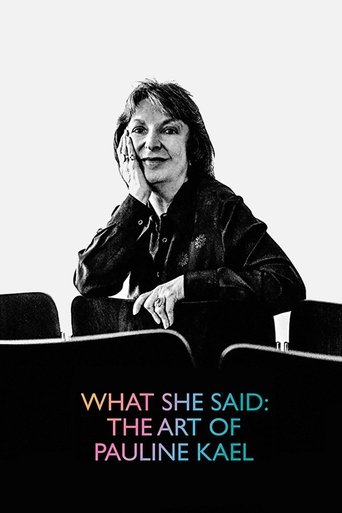
6.7Pauline Kael (1919–2001) was undoubtedly one of the greatest names in film criticism. A Californian native, she wrote her first review in 1953 and joined ‘The New Yorker’ in 1968. Praised for her highly opinionated and feisty writing style and criticised for her subjective and sometimes ruthless reviews, Kael’s writing was refreshingly and intensely rooted in her experience of watching a film as a member of the audience. Loved and hated in equal measure – loved by other critics for whom she was immensely influential, and hated by filmmakers whose films she trashed - Kael destroyed films that have since become classics such as The Sound of Music and raved about others such as Bonnie and Clyde. She was also aware of the perennial difficulties for women working in the movies and in film criticism, and fiercely fought sexism, both in her reviews and in her media appearances.
What She Said: The Art of Pauline Kael
2019
 6.6
6.6Follows the waves of literary, political, and cultural history as charted by the The New York Review of Books, America’s leading journal of ideas for over 50 years. Provocative, idiosyncratic and incendiary, the film weaves rarely seen archival material, contributor interviews, excerpts from writings by such icons as James Baldwin, Gore Vidal, and Joan Didion along with original verité footage filmed in the Review’s West Village offices.
The 50 Year Argument
2014
 7.0
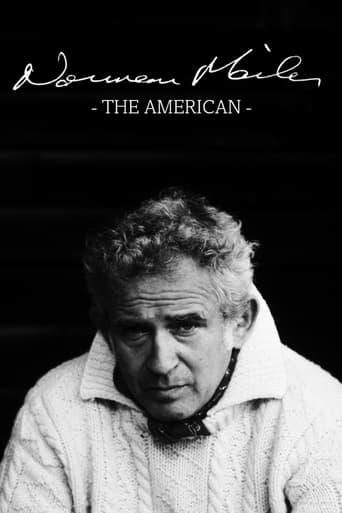
7.0A provocateur, a rebel, a performer, and a true American, Norman Mailer never stopped giving people something to talk about. This documentary goes beyond the Mailer of the bookshelves and NY Times best seller list to Mailer the social critic, family man, filmmaker, and lover. Here's a look into the life of a complex, intellectual, working class hero. With never before seen footage of Adele Morales Mailer's startling revelations after being stabbed by her husband. Featuring unseen footage and interviews from wives and lovers, enemies and admirers, his children and the man himself.
Norman Mailer: The American
2012
2000s · 12 titles
 6.4
6.4In 1972, a seemingly typical shoestring budget pornographic film was made in a Florida hotel: "Deep Throat," starring Linda Lovelace. This film would surpass the wildest expectation of everyone involved to become one of the most successful independent films of all time. It caught the public imagination which met the spirit of the times, even as the self-appointed guardians of public morality struggled to suppress it, and created, for a brief moment, a possible future where sexuality in film had a bold artistic potential. This film covers the story of the making of this controversial film, its stunning success, its hysterical opposition along with its dark side of mob influence and allegations of the on set mistreatment of the film's star.
Inside Deep Throat
2005
 6.8
6.8Nicholas Jarecki follows director James Toback on the 12-day shoot of his thriller, When Will I Be Loved -- a movie made without a script or distribution deal.
The Outsider
2005
 8.7
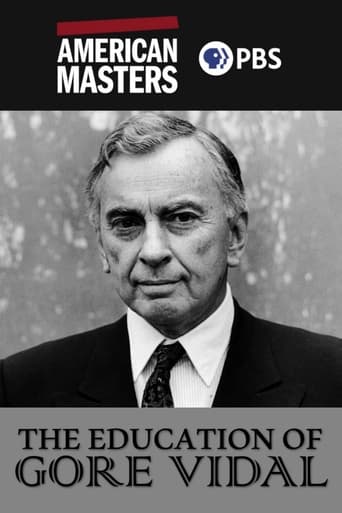
8.7A contrarian and wickedly funny man, this PBS American Masters special explores Gore Vidal's extraordinary life and work, joining him at his cliff-side villa in Ravello, Italy.
The Education of Gore Vidal
2003
 10.0
10.0This exhibition focuses on Jonas Mekas’ 365 Day Project, a succession of films and videos in calendar form. Every day as of January 1st, 2007 and for an entire year, as indicated in the title, a large public (the artist's friends, as well as unknowns) were invited to view a diary of short films of various lengths (from one to twenty minutes) on the Internet. A movie was posted each day, adding to the previously posted pieces, resulting altogether in nearly thirty-eight hours of moving images.
365 Day Project
2007
 6.0
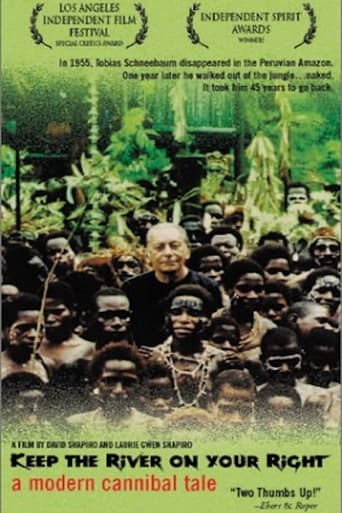
6.0In 1955, Tobias Schneebaum disappeared into the depths of the Peruvian Amazon. He had no guide, no map, and only the vaguest of instructions: Keep the river on your right. A year later Schneebaum emerged from the jungle…naked, covered in body paint, and a modern-day cannibal. Titled after Schneebaum’s 1969 cult classic memoir about his formative experiences living in the Amazon, Keep The River On Your Right is the extraordinary stranger-than-fiction story of Schneebaum’s return to the jungle, 45 years after his original visit, to reunite with the very tribesmen he loved and who gave him nightmares for nearly half a century. A deeply affecting and searing portrait, sibling filmmakers Laurie and David Shapiro capture a man in utter conflict, a fearless adventurer, and one of the most charming, enigmatic, and perplexing men ever captured on screen.
Keep the River on Your Right: A Modern Cannibal Tale
2000
 8.0
8.0Though Henry Kissinger is often giving short statements to the media, he refuses detailed interviews about his own life. Now he has agreed to answer questions about his person in an extensive documentary.
Henry Kissinger: Secrets of a Superpower
2008
A documentary about the film, I am Curious-Yellow (1967), and how it made it into the USA and changed film in USA forever by breaking the USA Obscenity Codes.
The Battle for 'I Am Curious-Yellow'
2003
New York in the Fifties is the story of a unique time and place, when New York was the hotbed of new artistic expressions, free love, drinking, hot jazz, and radical politics. The film combines stunning archival footage of New York with interviews and footage of icons of the day-Kerouac, Ginsberg, Baldwin, Mailer, Basie, etc. Offering modern day perspective and reminiscences are writers, actors, and artists such as Joan Didion, Robert Redford, Nat Hentoff, Gay and Nan Talese, John Gregory Dunne, William F. Buckley, and Calvin Trillin-all part of the rich cultural and artistic scene of the time. Based on the best-selling book by Dan Wakefield, the film also traces Wakefield's restless rebellion in conformist Indianapolis, and his escape to New York with dreams of writin ga novel, falling in love, meeting like-minded souls and questioning the meaning of life.
New York in the Fifties
2001
Documentary produced and broadcast in the show "Court Circuit" on Arte.
L'étrange festival
2001
 5.0
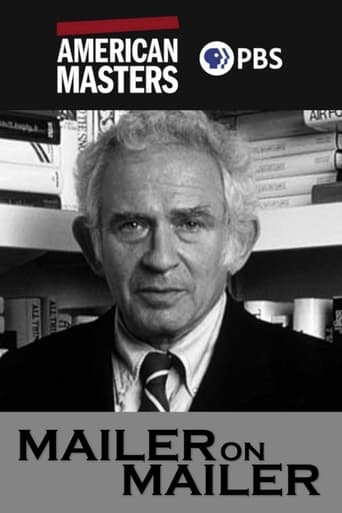
5.0Norman Mailer frankly discusses American culture, politics, literature, and his own tumultuous life.
Mailer on Mailer
2000
 NR
NRSurvey Marilyn Monroe’s life through photographs, from Hollywood stills to candid pictures snapped on the streets of New York.
Marilyn Monroe: Still Life
2006
Norman Mailer profiles life in America since the Second World War. Farewell to the Fifties. Mailer fought for his country in the Second World War- an experience that inspired his novel The Naked and the Dead. But, disappointed by post-war America, he grew to despise the fifties.
Oh My America
2000
1990s · 4 titles
 7.6
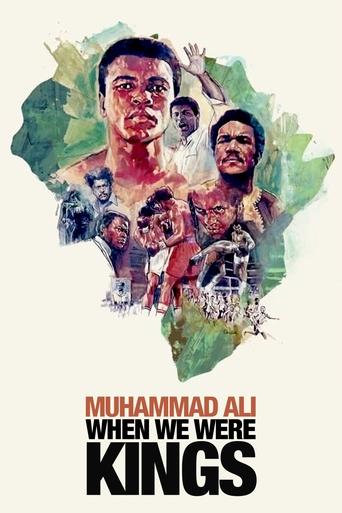
7.6It's 1974. Muhammad Ali is 32 and thought by many to be past his prime. George Foreman is ten years younger and the heavyweight champion of the world. Promoter Don King wants to make a name for himself and offers both fighters five million dollars apiece to fight one another, and when they accept, King has only to come up with the money. He finds a willing backer in Mobutu Sese Suko, the dictator of Zaire, and the "Rumble in the Jungle" is set, including a musical festival featuring some of America's top black performers, like James Brown and B.B. King.
When We Were Kings
1996
 5.7
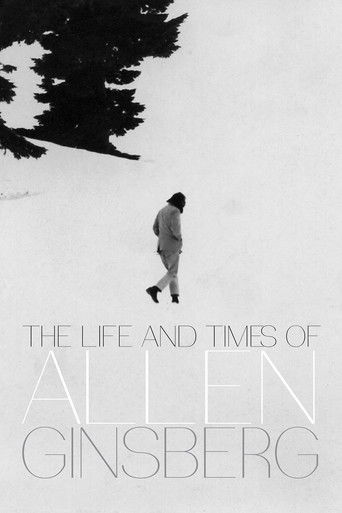
5.7Visionary, radical, spiritual seeker, renowned poet, founding member of a major literary movement, champion of human rights, Buddhist, political activist and teacher. Extensive archival footage, interviews, and home movies cover Allen Ginsberg's life, activism, and influence on American culture through the Beat era, the 1960s, and beyond.
The Life and Times of Allen Ginsberg
1994
 NR
NRMalga Kubiak stars in her exploration of sex and self. One woman's love to her own body interlaced with maggots; mixes x-rated porn. Voyeuristically titillating this avant-garde study of horrors of sex.
Baby Trouble Hole
1996
 6.3
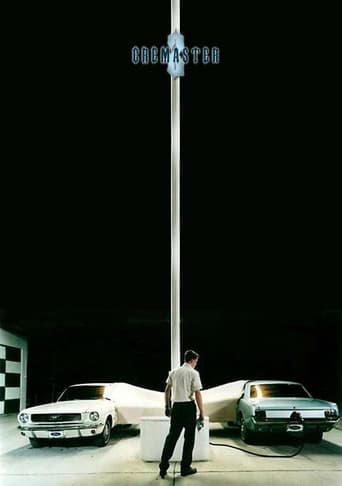
6.3CREMASTER 2 is rendered as a gothic Western that introduces conflict into the system. On the biological level it corresponds to the phase of fetal development during which sexual division begins. In Matthew Barney's abstraction of this process, the system resists partition and tries to remain in the state of equilibrium imagined in Cremaster 1.
Cremaster 2
1999
1980s · 5 titles
 7.0
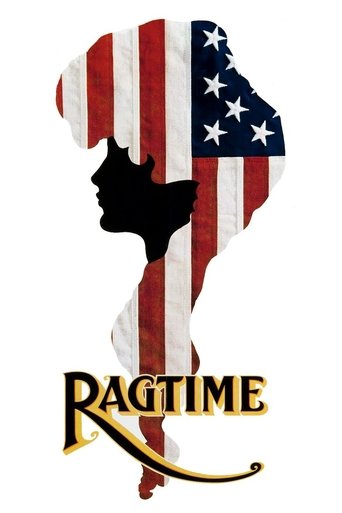
7.0A young black pianist becomes embroiled in the lives of an upper-class white family set among the racial tensions, infidelity, violence, and other nostalgic events in early 1900s New York City.
Ragtime
1981
 6.5
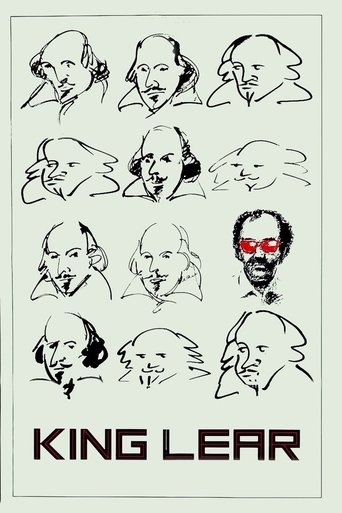
6.5A descendant of Shakespeare tries to restore his plays in a world rebuilding itself after the Chernobyl catastrophe obliterates most of human civilization.
King Lear
1988
 6.7
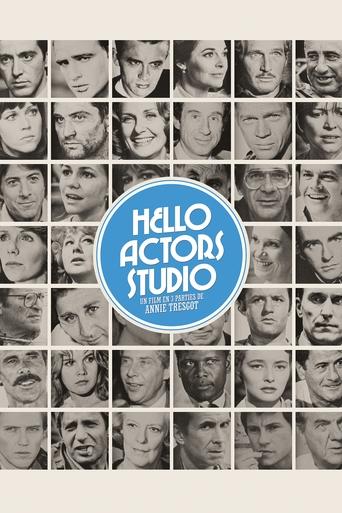
6.7After Lee Strasberg’s death in 1982, the most prestigious talents from the Actors Studio assumed the leadership of this exceptional organization. For the first time ever, filmmakers have been allowed to film their work.
Hello Actors Studio
1988
 9.0
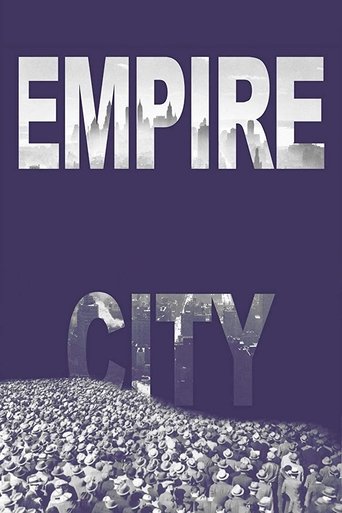
9.0A film essay contrasting the modern metropolis with its "golden age" from 1830-1930, with the participation of some of New York's leading political and cultural figures. Made at a time when the city was experiencing unprecedented real estate development on the one hand and unforeseen displacement of population and deterioration on the other. Empire City is the story of two New Yorks. The film explores the precarious coexistence of the service-based midtown Manhattan corporate headquarters with the peripheral New York of undereducated minorities living in increasing alienation.
Empire City
1985
 8.0
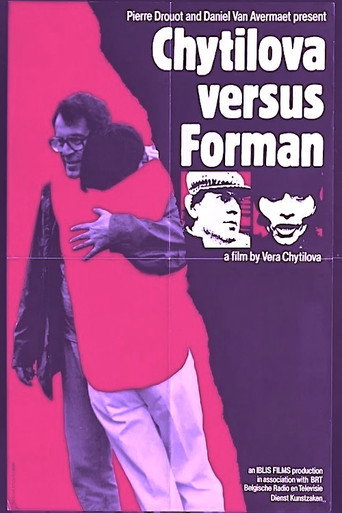
8.0An intellectual match between two dramatically different artists, one permanently unsure and frustrated and questioning everything, the other an astonishing storyteller perfectly at peace, unacquainted with introspection and reliant on intuition.
Chytilová Versus Forman
1981
1970s · 5 titles
 9.0
9.0Utitlising humour, fantasy, animation, poetry and theatrics, Hochman and her crew challenge the male establishment for ignoring the first meeting of the National Women's Political Caucus and Shirley Chisholm's bid for US vice-president.
Year of the Woman
1973
 4.2
4.2Over a booze-fueled, increasingly hectic five-day shoot in East Hampton, Norman Mailer and his cast and crew spontaneously unloaded onto film the lurid and loony chronicle of U.S. presidential candidate and filmmaker Norman T. Kingsley debating and attacking his hangers-on and enemies. This gonzo narrative, “an inkblot test of Mailer’s own subconscious” (Time), becomes something like a documentary on its own making when costar Rip Torn breaks the fourth wall in one of cinema’s most alarming on-screen outbursts.
Maidstone
1971
 NR
NROne of the human trio is Dick Fontaine, the director, a thin, long-haired youth who has put together this highly personal exercise on something or other that runs, mercifully, for 58 minutes and comes from an English group of movie folk called the Tattooists. The second visitor to the animal abattoir is a pretty girl. The third is a porky, middle-aged man addicted to the expression, "Ya know?" The two men carry on a running argument about whether they should make a picture about pigs. "Are we making a movie, ya know?" says Fatso. "Where is it, ya know?" Then a bit later: "I'm making a movie about pigs, ya know?"
Double Pisces, Scorpio Rising
1970
 NR
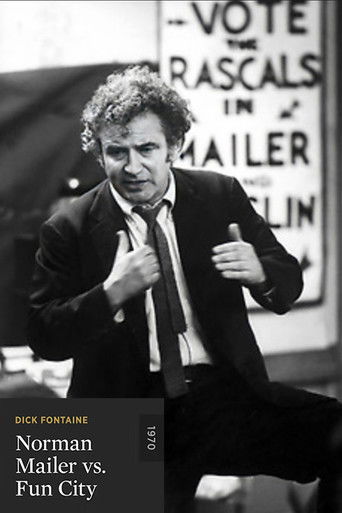
NRDick Fontaine documents Norman Mailer’s 1969 bid for the Mayor’s office in New York City. Accompanied by his running mate, Jimmy Breslin, Mailer charismatically works the press and the public with a provocative platform that ultimately fails.
Norman Mailer vs. Fun City
1970
 5.8
5.8On the evening of April 30, 1971, a standing room only audience of local literati and feminists packed New York City’s Town Hall to watch Norman Mailer, who had just written “The Prisoner of Sex,” grapple with a panel of passionate feminists. The subject was Women’s Liberation, an issue on which Mailer seemed like the devil’s own advocate.
Town Bloody Hall
1979
1960s · 4 titles
 7.3
7.3Also known as Walden, Jonas Mekas’s first diary film is a six-reel chronicle of his life in 1960s New York, interweaving moments with family, friends, lovers, and artistic idols. Blending everyday encounters with portraits of the avant-garde art scene, it forms an epic, personal meditation on community, creativity, and the passage of time.
Diaries, Notes, and Sketches
1968
 5.6
5.6Takes place over the course of one feverish night in a Manhattan police precinct and neighboring bar.
Beyond the Law
1968
 NR
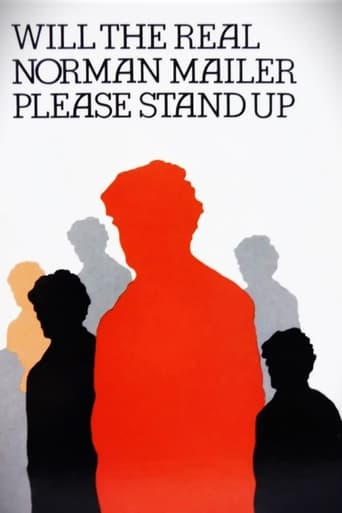
NRPortrait of Norman Mailer at the time of the Pentagon demonstrations in 1967, documenting Mailer's involvement and arrest, together with two TV appearances and shooting on the set of his second film 'Beyond the Law'.
Will the Real Norman Mailer Please Stand Up?
1968
 5.7
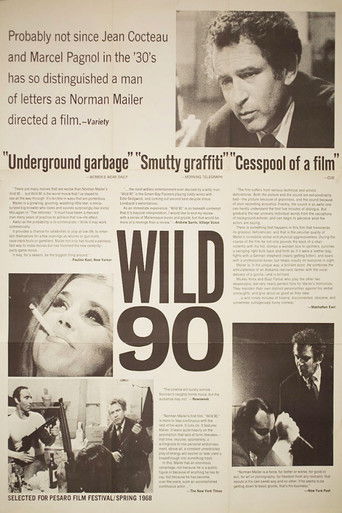
5.7Norman Mailer’s first feature filmmaking effort stars the director and his two longtime collaborators Buzz Farbar and Mickey Knox as a trio of gangsters holed up in a ramshackle New York apartment, drinking, braying, and fighting.
Wild 90
1968
Series credits
7.6The Tonight Show Starring Johnny Carson is a talk show hosted by Johnny Carson under The Tonight Show franchise from 1962 to 1992. It originally aired during late-night. For its first ten years, Carson's Tonight Show was based in New York City with occasional trips to Burbank, California; in May 1972, the show moved permanently to Burbank, California. In 2002, The Tonight Show Starring Johnny Carson was ranked #12 on TV Guide's 50 Greatest TV Shows of All Time.
The Tonight Show Starring Johnny Carson
1962
7.9Set in the charming town of Stars Hollow, Connecticut, the series follows the captivating lives of Lorelai and Rory Gilmore, a mother/daughter pair who have a relationship most people only dream of.
Gilmore Girls
2000
6.8No synopsis available yet.
The Merv Griffin Show
1962
6.6No synopsis available yet.
NDR Talk Show
1979
9.0Political talk show on current topics presented by Maybrit Illner.
maybrit illner
1999
6.8The Dick Cavett Show has been the title of several talk shows hosted by Dick Cavett on various television networks.
The Dick Cavett Show
1968
 5.6
5.6The South Bank Show is a television arts magazine show produced by ITV between 1978 and 2010. A new series began on Sky Arts from 27 May 2012. Presented by Melvyn Bragg, the show aims to bring both high art and popular culture to a mass audience.
The South Bank Show
1978
 8.5
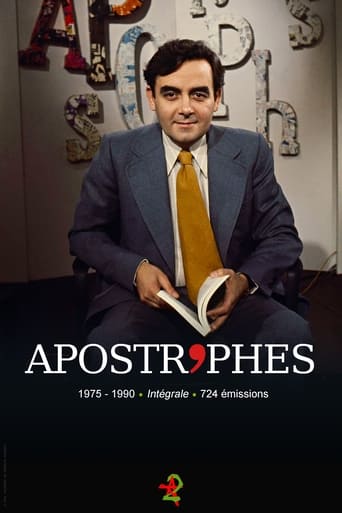
8.5Apostrophes was a live, weekly, literary, prime-time, talk show on French television created and hosted by Bernard Pivot. It ran for fifteen years (724 episodes) from January 10, 1975, to June 22, 1990, and was one of the most watched shows on French television (around 6 million regular viewers). It was broadcast on Friday nights on the channel France 2 (which was called "Antenne 2" from 1975 to 1992). The hourlong show was devoted to books, authors and literature. The format varied between one-on-one interviews with a single author and open discussions between four or five authors.
Apostrophes
1975
 5.6
5.6Today is a daily American morning television show that airs on NBC. The program debuted on January 14, 1952. It was the first of its genre on American television and in the world, and is the fifth-longest running American television series. Originally a two-hour program on weekdays, it expanded to Sundays in 1987 and Saturdays in 1992. The weekday broadcast expanded to three hours in 2000, and to four hours in 2007. Today's dominance was virtually unchallenged by the other networks until the late 1980s, when it was overtaken by ABC's Good Morning America. Today retook the Nielsen ratings lead the week of December 11, 1995, and held onto that position for 852 consecutive weeks until the week of April 9, 2012, when it was beaten by Good Morning America yet again. In 2002, Today was ranked #17 on TV Guide's 50 Greatest Television Shows of All Time.
Today
1952
 7.1
7.1An annual American awards ceremony honoring cinematic achievements in the film industry. The various category winners are awarded a copy of a statuette, officially the Academy Award of Merit, that is better known by its nickname Oscar.
The Oscars
1953
 5.7
5.7America's first and longest running hour-long nightly news broadcast known for its in-depth coverage of issues and current events.
PBS News Hour
1975
 7.6
7.6Showcasing the best in international documentaries, Storyville has developed an enviable reputation since its inception more than a decade ago. Screening over 340 films, from some 70 different countries, the strand has garnered a staggering array of awards: five Oscars, 15 Griersons, three Peabodys and two International Emmys. In true, unique, Storyville style, the new series promises to deliver the strand's usual eclectic mix of compelling stories from across the globe.
Storyville
1997
No synopsis available yet.
Gero von Boehm begegnet...
2002
 7.0
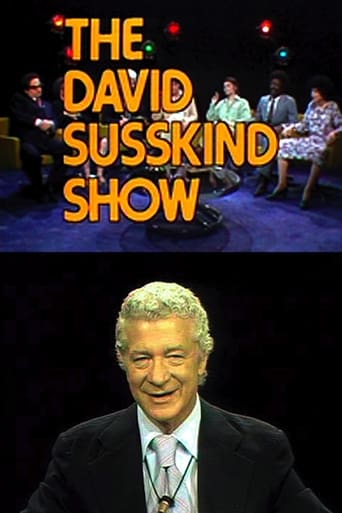
7.0The David Susskind Show is an American television talk show hosted by David Susskind. The program began its existence in 1958 as Open End, and was broadcast by WNTA-TV in New York City. The title referred to the fact that the program continued until Susskind or his guests were too tired to continue late on a Sunday night.
The David Susskind Show
1959
 7.3
7.3Monitor was a BBC arts programme that was launched on 2 February 1958 and ran until 1965. Huw Wheldon was the first editor from 1958 to 1965. He was also the principal interviewer and anchor. Wheldon set about moulding a team of talents, including John Schlesinger, Ken Russell, Patrick Garland, David Jones, Humphrey Burton, John Berger, Peter Newington, Melvyn Bragg, Nancy Thomas and Alan Tyrer. Monitor ranged in subject over all the arts. Wheldon's Monitor lasted until he had "interviewed everyone I am interested in interviewing", and he was succeeded by Jonathan Miller for the series' last season.
Monitor
1958
Behind the camera
 4.7
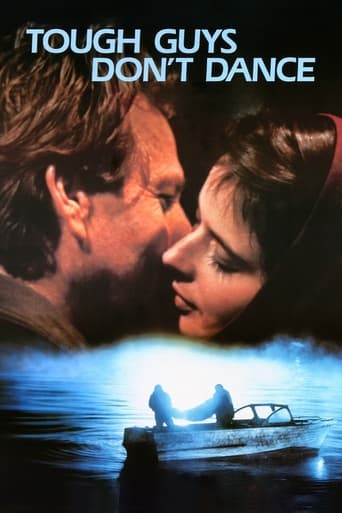
4.7Tim Madden awakens one morning to discover a fresh tattoo on his arm, his car covered in blood, his girlfriend in bed with the town sheriff, and a woman's severed head in his weed stash. Sensing a setup and in desperate need to clear his name, he begins an investigation that soon begins to expose a web of corruption in the small coastal community of Provincetown.
Tough Guys Don't Dance
1987
4.7Tim Madden awakens one morning to discover a fresh tattoo on his arm, his car covered in blood, his girlfriend in bed with the town sheriff, and a woman's severed head in his weed stash. Sensing a setup and in desperate need to clear his name, he begins an investigation that soon begins to expose a web of corruption in the small coastal community of Provincetown.
Tough Guys Don't Dance
1987
 5.8
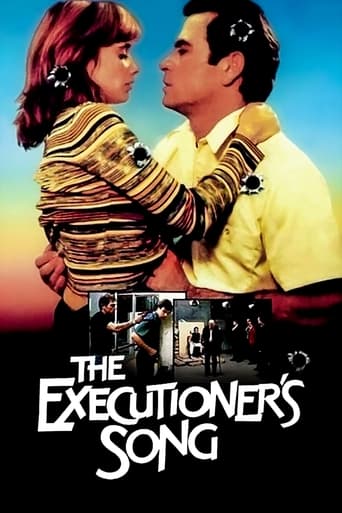
5.8In this fact-based made-for TV film, Gary Gilmore, an Indiana man who just finished serving a lengthy stay in prison, tries to start anew by moving to Utah. Before long, Gary begins an ill-advised romance with the troubled Nicole Baker, a teenage single mother. As their relationship quickly deteriorates, Gary goes on a murderous rampage, leaving two dead. During his trial, he demands capital punishment; a media circus ensues and outsiders look to profit from his story.
The Executioner's Song
1982
 4.8
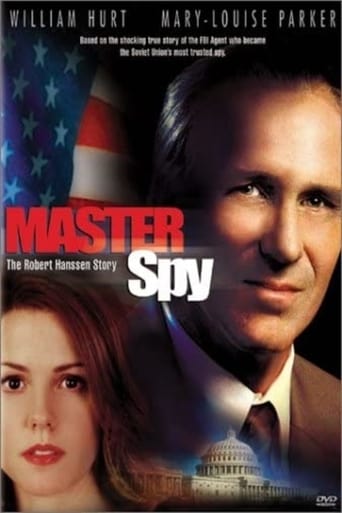
4.8True story about the cat and mouse game between the FBI trying to find a Soviet mole in their ranks and Robert Hanssen, one of the top FBI agents and said mole
Master Spy: The Robert Hanssen Story
2002
4.2Over a booze-fueled, increasingly hectic five-day shoot in East Hampton, Norman Mailer and his cast and crew spontaneously unloaded onto film the lurid and loony chronicle of U.S. presidential candidate and filmmaker Norman T. Kingsley debating and attacking his hangers-on and enemies. This gonzo narrative, “an inkblot test of Mailer’s own subconscious” (Time), becomes something like a documentary on its own making when costar Rip Torn breaks the fourth wall in one of cinema’s most alarming on-screen outbursts.
Maidstone
1971
4.2Over a booze-fueled, increasingly hectic five-day shoot in East Hampton, Norman Mailer and his cast and crew spontaneously unloaded onto film the lurid and loony chronicle of U.S. presidential candidate and filmmaker Norman T. Kingsley debating and attacking his hangers-on and enemies. This gonzo narrative, “an inkblot test of Mailer’s own subconscious” (Time), becomes something like a documentary on its own making when costar Rip Torn breaks the fourth wall in one of cinema’s most alarming on-screen outbursts.
Maidstone
1971
4.2Over a booze-fueled, increasingly hectic five-day shoot in East Hampton, Norman Mailer and his cast and crew spontaneously unloaded onto film the lurid and loony chronicle of U.S. presidential candidate and filmmaker Norman T. Kingsley debating and attacking his hangers-on and enemies. This gonzo narrative, “an inkblot test of Mailer’s own subconscious” (Time), becomes something like a documentary on its own making when costar Rip Torn breaks the fourth wall in one of cinema’s most alarming on-screen outbursts.
Maidstone
1971
 5.8
5.8Johnnie Cochran defends O.J. Simpson who is on trial for his wife's murder.
American Tragedy
2000
5.6Takes place over the course of one feverish night in a Manhattan police precinct and neighboring bar.
Beyond the Law
1968
5.6Takes place over the course of one feverish night in a Manhattan police precinct and neighboring bar.
Beyond the Law
1968
5.6Takes place over the course of one feverish night in a Manhattan police precinct and neighboring bar.
Beyond the Law
1968
 NR
NRNovelist Norman Mailer’s assured first foray into surrealist cinema, starring Millicent Brower.
Untitled (Millicent's Dream)
1947
5.7Norman Mailer’s first feature filmmaking effort stars the director and his two longtime collaborators Buzz Farbar and Mickey Knox as a trio of gangsters holed up in a ramshackle New York apartment, drinking, braying, and fighting.
Wild 90
1968
5.7Norman Mailer’s first feature filmmaking effort stars the director and his two longtime collaborators Buzz Farbar and Mickey Knox as a trio of gangsters holed up in a ramshackle New York apartment, drinking, braying, and fighting.
Wild 90
1968