
Known for
 6.4
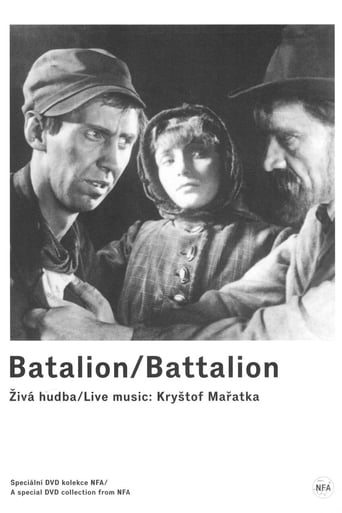
6.4Skid-row epic about a lawyer's decline.
Battalion
1927
 6.7
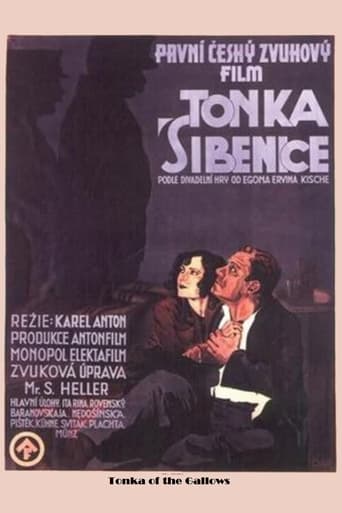
6.7Melodramatic story of an innocent country girl (Ita Rina) who struggles to make a living in the city as a prostitute. As she provides last service to a murderer sentenced to death (Josef Rovenský), society condemns her and leads her to despair. This groundbreaking film directed by Karel Anton was made in 1930 as the first Czech feature movie with post-synchronised soundtrack, recorded in France. International star cast, sensitive adaptation of Egon Erwin Kisch’s short story and innovative combination of silent and sound film features make this movie an artwork of European significance.
Tonka of the Gallows
1930
No synopsis available yet.
Král ulice
1935
 5.5
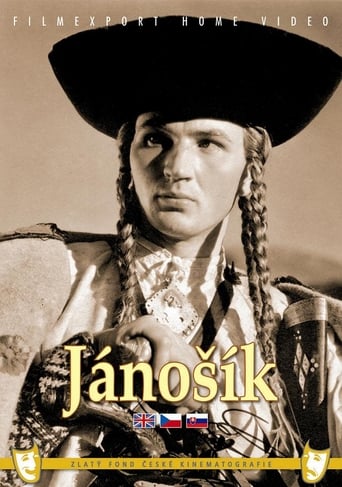
5.5Jánošík has been topic of many Slovak and Polish legends, books and films. According to the legend, he robbed nobles and gave the loot to the poor. The legend were also known in neighboring Silesia, the Margraviate of Moravia and later spread to the Kingdom of Bohemia. The actual robber had little to do with the modern legend, whose content partly reflects the ubiquitous folk myths of a hero taking from the rich and giving to the poor. However, the legend was also shaped in important ways by the activists and writers in the 19th century when Jánošík became the key highwayman character in stories that spread in the north counties of the Kingdom of Hungary (present Slovakia) and among the local Gorals and Polish tourists in the Podhale region north of the Tatras.
Jánošík
1936
No synopsis available yet.
Ahasver
1915
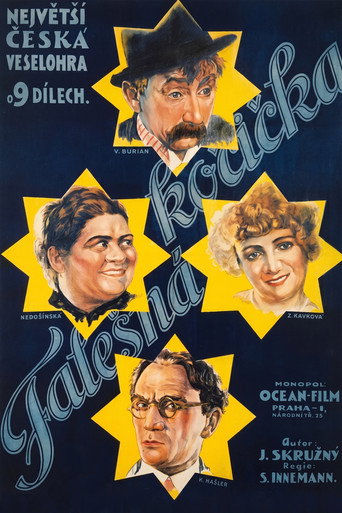 9.0
9.0The film depicts the troubles of Herr Verner (Karel Hasler), a middle-aged bachelor dentist who wants to marry.
The Fake Sweetheart
1926
Film credits
1940s · 4 titles
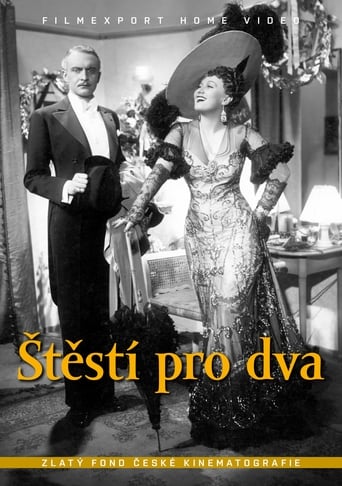 7.0
7.0The famous operetta singer Jarmila Kšírová tries to hide her marital status from the sensationalist public. The heroine of the story is the star of the big operetta scene Soňa Jansová. For advertising reasons, it is claimed that she is still single and that she even avoids men. In reality, however, the operetta soubrette has been happily married to Dr. Karel Svoboda for several years and even has a four-year-old daughter, Evička. Her husband pretends to be only her legal representative and only sneaks into her apartment secretly...
Štěstí pro dva
1940
 6.0
6.0Country man Josef Bezoušek has gone to Prague for an extended visit to his lawyer son's family. His son, daughter-in-law and granddaughters have welcomed him with open arms, so the grandfather quickly gets used to them and really likes the metropolis. He enjoys walks and city attractions, and in the process he inadvertently gets involved in the story of his son's sister-in-law's forbidden love. She has lost her mind for a poor young man, her father does not want her to know him and imprisons the girl at home. The scoundrel Bezoušek inadvertently finds himself right in the center of the affair - and trouble is already coming his way. He himself could have endured it, but before leaving Prague he wants to settle the whole matter to the benefit of the unfortunate lovers...
Pantáta Bezoušek
1941
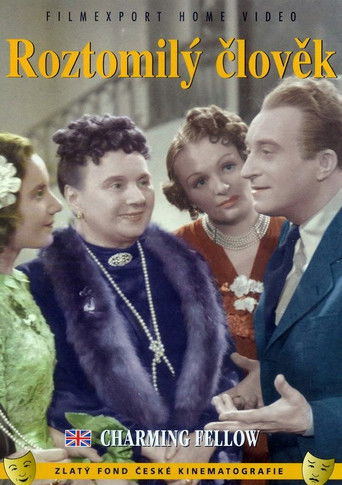 6.8
6.8The main hero of the story is the editor Viktor Bláha, who likes to invent crazy mystifications, during which he has a good time at the expense of those around him. Not only friends pay for his jokes, especially his roommate Jan Valtera, but also completely unknown people who "get involved in his wound" and have no idea that the slightest mistake on their part will trigger an avalanche of Bláh's eloquence. But as they say, everything takes time... The film was shown for the first time at the Film Festival in Zlín on July 30, 1941.
A Charming Man
1941
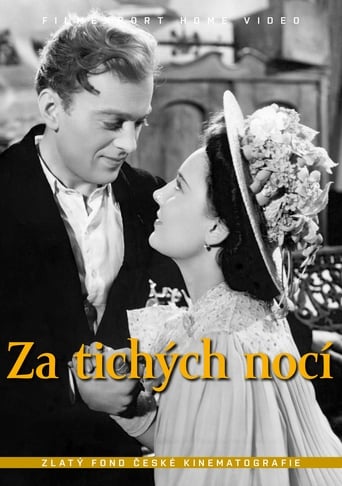 6.5
6.5Jana's beautiful niece arrives in Prague to live with two spinster aunts. Both women wish to marry her off. The son of the court councilor Petr is courting her. However, Jana has met a young official Záviš and the two fall in love. But Záviš is poor and cannot marry yet. They keep it a secret from Jana that he composes songs. Coincidentally, Petr is his friend and both men talk about the girls they love, unaware that in both cases it is Jana...
Za tichých nocí
1941
1930s · 12 titles
6.7Melodramatic story of an innocent country girl (Ita Rina) who struggles to make a living in the city as a prostitute. As she provides last service to a murderer sentenced to death (Josef Rovenský), society condemns her and leads her to despair. This groundbreaking film directed by Karel Anton was made in 1930 as the first Czech feature movie with post-synchronised soundtrack, recorded in France. International star cast, sensitive adaptation of Egon Erwin Kisch’s short story and innovative combination of silent and sound film features make this movie an artwork of European significance.
Tonka of the Gallows
1930
No synopsis available yet.
Král ulice
1935
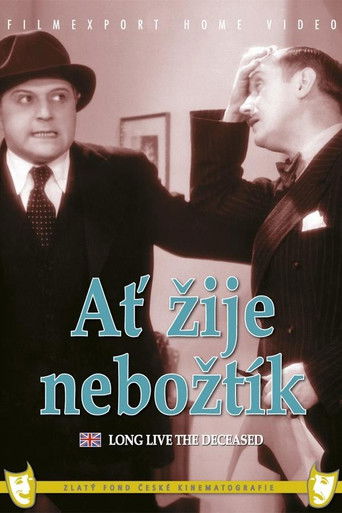 7.0
7.0Wealthy and ill Petr Kornel (Karel Hasler) is not pleased with the carousing lifestyle of his nephew. He stops supporting him financially and demands that he change his name. Out of gratitude Kornel bequeaths a substantial sum of money to his nurse Alice (Adina Mandlová) with the condition that she marries. Petr Suk (Hugo Haas), as the nephew is now named, visits the doctor. In the waiting room his X-ray is mistakenly switched with one of another patient's. On the basis of this he presently learns that he is seriously ill and has only one day of life left to him.
Long Live the Dead Man
1935
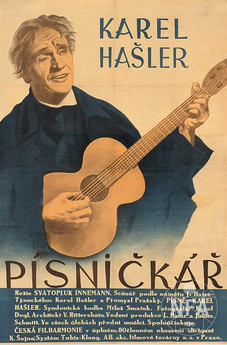 9.0
9.0No synopsis available yet.
Ballad-Singer
1932
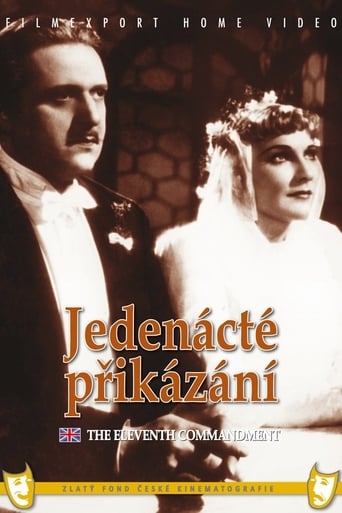 6.8
6.8During the New Year's Eve celebration of the arrival of the twentieth century, three friends meet in a nightclub. Notary Jiří Voborský, clerk Emanuel Střela and Lieutenant Miloslav Jičínský.
The Eleventh Commandment
1935
No synopsis available yet.
Jarní písnička
1938
No synopsis available yet.
Jindra, the Countess Ostrovín
1934
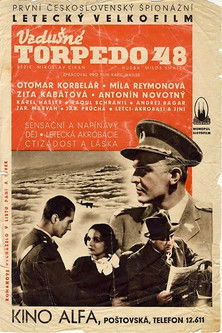 8.0
8.0No synopsis available yet.
Vzdušné torpédo 48
1937
No synopsis available yet.
Srdce za písničku
1933
 6.7
6.7No synopsis available yet.
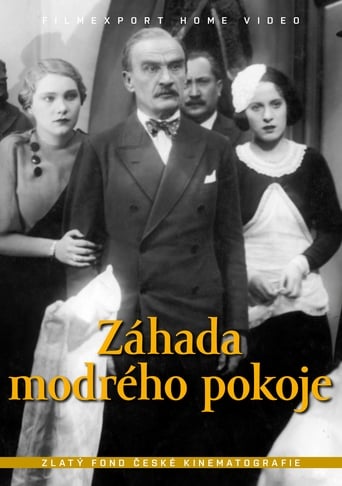
Záhada modrého pokoje
1933
 10.0
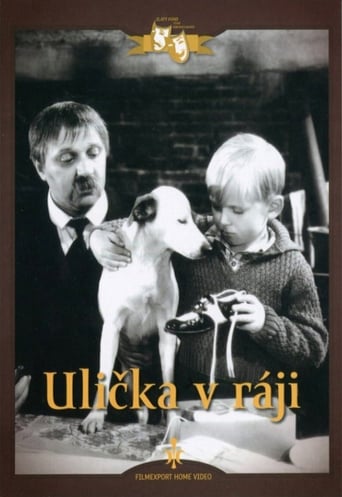
10.0Orphan Petr lives with his dog Puntja with his aunt. His uncle Gustav wants to get rid of Peter and puts him in an orphanage. Peter escapes from there and looks for his Punt. He finds him with the cool Tobias, but he doesn't want to give him back to Peter. Only when he sees how much the boy and the dog love each other does he let them both stay with him...
Passage in the Paradise
1936
No synopsis available yet.
Za ranních červánků
1934
1920s · 5 titles
6.4Skid-row epic about a lawyer's decline.
Battalion
1927
9.0The film depicts the troubles of Herr Verner (Karel Hasler), a middle-aged bachelor dentist who wants to marry.
The Fake Sweetheart
1926
No synopsis available yet.
Kennst du das kleine Haus am Michigansee?
1929
 5.6
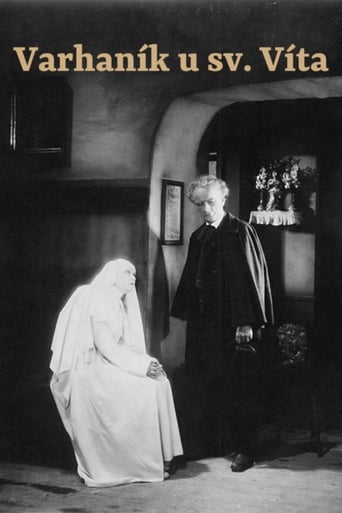
5.6The most important silent film by director Martin Frič. Poet Vitezslav Nezval did scenographic modifications to the original story by Václav Wasserman. Film producer Jaroslav Stransky didn’t witness premier; because of fear of financial collapse, he killed himself.
The Organist at St. Vitus Cathedral
1929
No synopsis available yet.
Adjunkt Vrba
1929
1910s · 2 titles
No synopsis available yet.
Ahasver
1915
 6.0
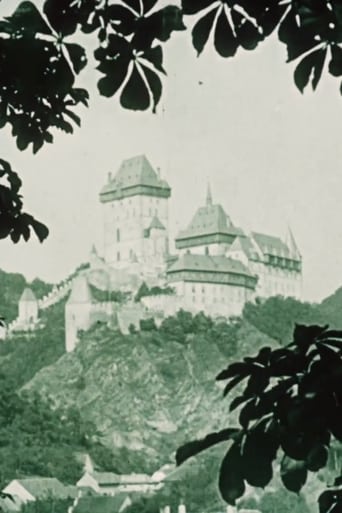
6.0The film begins with shots of the castles of Bezděz, Točník and Karlštejn. In a restaurant at Karlštejn the guests remind Hašler that he is performing at the Varieté club. Hašler misses the train so he starts walking along the main road in the hope of getting a lift. In despair he forces a car to stop and makes the chauffeur to drive backwards to Prague. They stop at the wharf but, because he misses the steamboat , he uses a motorboat. The rest of the journey is spent on a tram. Hašler then quickly changes his clothes in his flat he reaches the Varieté club across the rooftops.
Czech Castles and Palaces
1916
Behind the camera
No synopsis available yet.
Král ulice
1935
5.5Jánošík has been topic of many Slovak and Polish legends, books and films. According to the legend, he robbed nobles and gave the loot to the poor. The legend were also known in neighboring Silesia, the Margraviate of Moravia and later spread to the Kingdom of Bohemia. The actual robber had little to do with the modern legend, whose content partly reflects the ubiquitous folk myths of a hero taking from the rich and giving to the poor. However, the legend was also shaped in important ways by the activists and writers in the 19th century when Jánošík became the key highwayman character in stories that spread in the north counties of the Kingdom of Hungary (present Slovakia) and among the local Gorals and Polish tourists in the Podhale region north of the Tatras.
Jánošík
1936
No synopsis available yet.
Švanda dudák
1937
 7.0
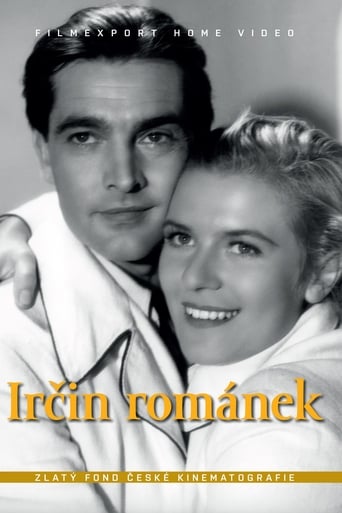
7.0Irča Miňovská, the daughter of a car factory director, meets mechanic Lexa Hora by chance. They fall in love, but Irča's father does not want his daughter's unequal relationship and decides to send Irča to a boarding school so that she cannot see Lexa. Lexa leaves the plans for her new engine with her boyfriend Harry Peters at the factory, resigns, and leaves to forget about Irča. Director Miňovský would like to produce a new type of engine, but Lexa is nowhere to be found...
Irca's Romance
1936
7.0Irča Miňovská, the daughter of a car factory director, meets mechanic Lexa Hora by chance. They fall in love, but Irča's father does not want his daughter's unequal relationship and decides to send Irča to a boarding school so that she cannot see Lexa. Lexa leaves the plans for her new engine with her boyfriend Harry Peters at the factory, resigns, and leaves to forget about Irča. Director Miňovský would like to produce a new type of engine, but Lexa is nowhere to be found...
Irca's Romance
1936
No synopsis available yet.
V tom domečku pod Emauzy
1934
9.0No synopsis available yet.
Ballad-Singer
1932
6.0The film begins with shots of the castles of Bezděz, Točník and Karlštejn. In a restaurant at Karlštejn the guests remind Hašler that he is performing at the Varieté club. Hašler misses the train so he starts walking along the main road in the hope of getting a lift. In despair he forces a car to stop and makes the chauffeur to drive backwards to Prague. They stop at the wharf but, because he misses the steamboat , he uses a motorboat. The rest of the journey is spent on a tram. Hašler then quickly changes his clothes in his flat he reaches the Varieté club across the rooftops.
Czech Castles and Palaces
1916
6.0The film begins with shots of the castles of Bezděz, Točník and Karlštejn. In a restaurant at Karlštejn the guests remind Hašler that he is performing at the Varieté club. Hašler misses the train so he starts walking along the main road in the hope of getting a lift. In despair he forces a car to stop and makes the chauffeur to drive backwards to Prague. They stop at the wharf but, because he misses the steamboat , he uses a motorboat. The rest of the journey is spent on a tram. Hašler then quickly changes his clothes in his flat he reaches the Varieté club across the rooftops.
Czech Castles and Palaces
1916
No synopsis available yet.
Jarní písnička
1938
No synopsis available yet.
Jarní písnička
1938
8.0No synopsis available yet.
Vzdušné torpédo 48
1937
 6.6
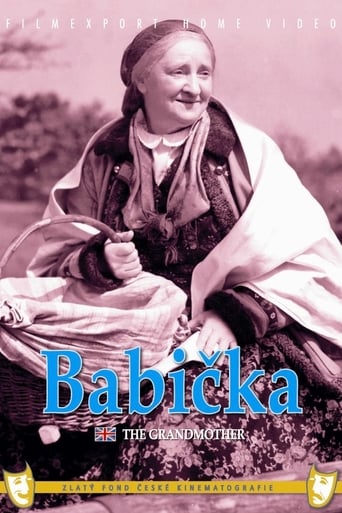
6.6A highly romanticized autobiographical novel by a Czech 19th century writer, Bozena Nemcova. It's a classical, compulsory reading in Czech schools, about a wise, working-class woman, happier in her simplicity and good heart than the nobles whom she serves.
Grandmother
1940
Juraj Hordubal returns from America after eight years, where he has earned enough money to improve his farm. However, his daughter Hafia does not recognize him and his wife Polana does not show any joy at his return. Štěpán Manya has been a farmhand on the farm all these years, and people claim that he has become Polana's lover. Juraj denies the accusations and believes that his wife's distance from him is only due to the long separation...
The Hordubals
1938
No synopsis available yet.
Srdce za písničku
1933
No synopsis available yet.
Srdce za písničku
1933
6.7No synopsis available yet.
Záhada modrého pokoje
1933
No synopsis available yet.
Za ranních červánků
1934
Antonín Havel was unhappily in love with Madlena. She married the rich Sedlák Vojnar, and Havel went to war. But Madlena soon became a widow. Madlena is forced by her brother-in-law Jakub into a second marriage. She refuses this not only because of her son Jeník, but also because of her memories of Antonín.
Vojnarka
1936