
Known for
 5.1
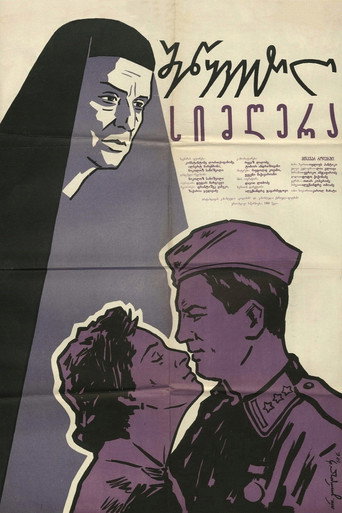
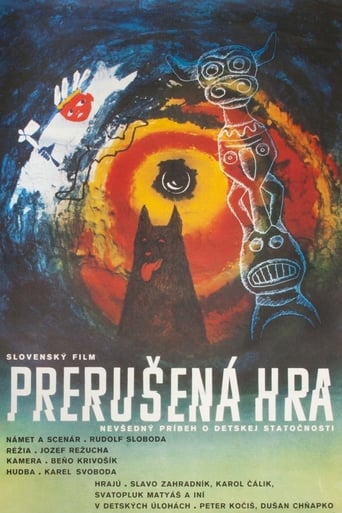
5.1Young couple separated by World War 2, dream of being reunited years later.
Interrupted Song
1960
No synopsis available yet.
Oco, mama a ja
1981
No synopsis available yet.
Na pochode sa vždy nespieva...
1961
 7.0
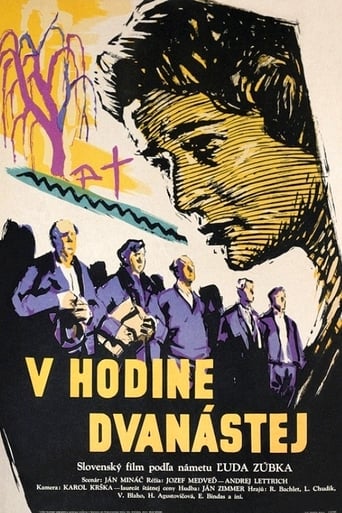
7.0Nazi soldiers committed atrocities even when sober – and if they got drunk, they did even worse. The inhabitants of a Slovak village during the national uprising learn this when they have to accept an arrogant Hitlerite guard. When two soldiers go missing, the unit commander threatens to have five hostages executed for each of them as a warning. And he refuses to change his order, even when it turns out that drunkenness is to blame for the unfortunate incident. But the villagers get justifiably angry and take up arms.
V hodine dvanástej
1959
 7.4
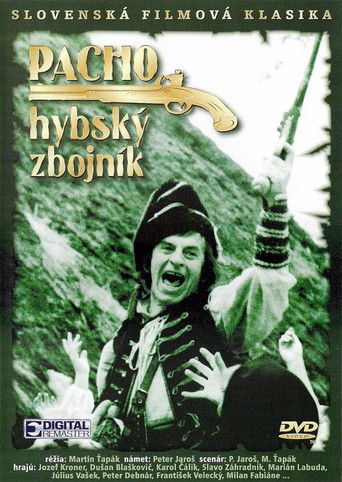
7.4A funny outlaw tale inspired by traditional folk humour. Pacho is no ordinary outlaw. He detests injustice and feudal oppression and he copes with each troublesome situation with the help of his cleverness and wit.
Pacho, the Brigand of Hybe
1976
 7.2
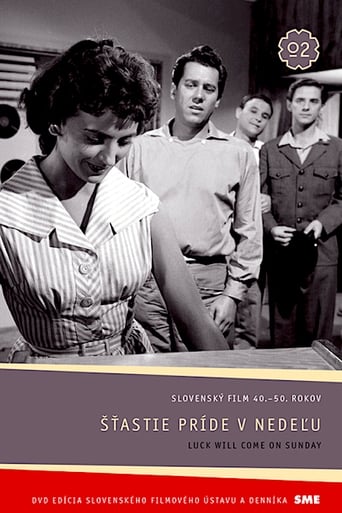
7.2Three friends, Emil, Vrabec and Mišo, spend every Sunday playing the lottery, each nursing a personal dream: Emil wants a Jawa 250 motorcycle, Vrabec hopes for a Pionier scooter and Mišo imagines funding a world tour. Frustrated by constant losses, they decide to maximize their stake in the next draw, convinced that more money will tip the odds in their favor. Their plan takes an unexpected turn when they meet attractive Eva Dvorčíková on a televised variety show - Eva has long been Mišo’s unspoken crush. To determine who will have the right to win her affection, the friends agree to draw lots, putting their bonds and ambitions to the test.
Šťastie príde v nedeľu
1959
Film credits
1980s · 1 titles
1970s · 5 titles
7.4A funny outlaw tale inspired by traditional folk humour. Pacho is no ordinary outlaw. He detests injustice and feudal oppression and he copes with each troublesome situation with the help of his cleverness and wit.
Pacho, the Brigand of Hybe
1976
 7.0
7.0A coming of age story of a thirteen years old teenager and a summer of his first love.
Boyfriends and Girlfriends
1979
 NR
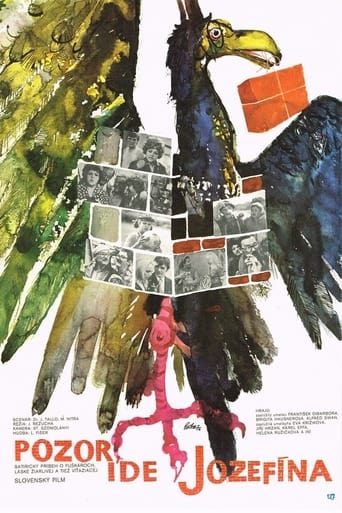
NRA satirical story about a young teacher, Josefína, who resolutely embarks on a fight against a group of bricklayers who demand exorbitant prices for their dubious and poor-quality services and, under the pretext of helping, rob the inhabitants of a western Slovak village...
Pozor, ide Jozefína...
1977
No synopsis available yet.
Blízke diaľavy
1979
A contemporary story from the winegrowers' environment about the merger of the JRD. There are mutual conflicts between supporters and opponents of the new project. Šimon Príboj's successful efforts to merge the two farms lose their meaning when he discovers that his wife is having a melodramatic love affair with the flighty Pavel Dian.
Zlatá réva
1977
1960s · 5 titles
5.1Young couple separated by World War 2, dream of being reunited years later.
Interrupted Song
1960
No synopsis available yet.
Na pochode sa vždy nespieva...
1961
 6.7
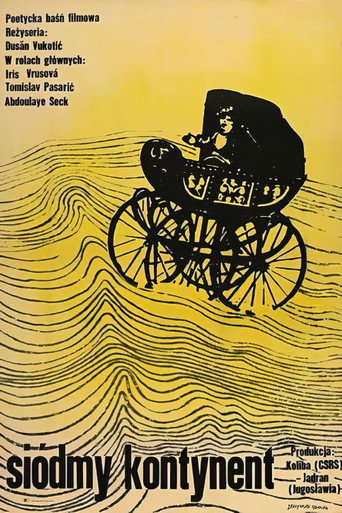
6.7A group of children discover the new continent of the world, uninhabited by adults. Soon, many other children are joining them in that new paradise, leaving their parents and other adults baffled on all remaining continents.
The Seventh Continent
1966
 5.2
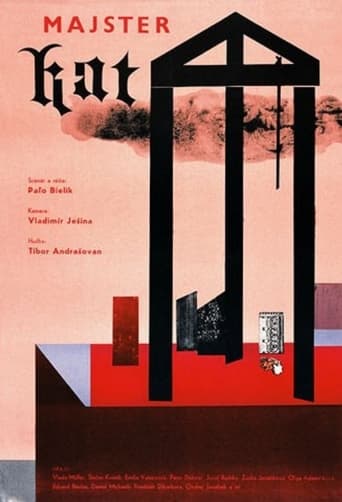
5.2A dramatic story about two friends - fisherman Richardus and municipal executioner Emil Targo takes place at the river Danube, in places that used to be targets of Ottoman raids. But their attraction to the same woman and Emil’s betrayal change their indissoluble friendship to an equally strong hatred. And as it usually goes - after twenty years by a trick of fate Richardus’ daughter Agajka becomes the wife ofthe sun of his sworn enemy.
Master Executioner
1966
No synopsis available yet.
Pred súdom
1966
1950s · 6 titles
7.0Nazi soldiers committed atrocities even when sober – and if they got drunk, they did even worse. The inhabitants of a Slovak village during the national uprising learn this when they have to accept an arrogant Hitlerite guard. When two soldiers go missing, the unit commander threatens to have five hostages executed for each of them as a warning. And he refuses to change his order, even when it turns out that drunkenness is to blame for the unfortunate incident. But the villagers get justifiably angry and take up arms.
V hodine dvanástej
1959
7.2Three friends, Emil, Vrabec and Mišo, spend every Sunday playing the lottery, each nursing a personal dream: Emil wants a Jawa 250 motorcycle, Vrabec hopes for a Pionier scooter and Mišo imagines funding a world tour. Frustrated by constant losses, they decide to maximize their stake in the next draw, convinced that more money will tip the odds in their favor. Their plan takes an unexpected turn when they meet attractive Eva Dvorčíková on a televised variety show - Eva has long been Mišo’s unspoken crush. To determine who will have the right to win her affection, the friends agree to draw lots, putting their bonds and ambitions to the test.
Šťastie príde v nedeľu
1959
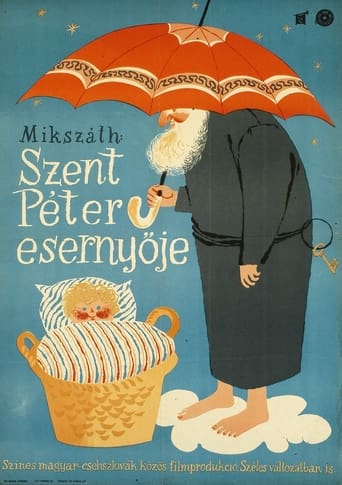 6.3
6.3A comedy about a lost inheritance, love and a red umbrella, which, according to a local legend, belonged to St. Peter himself.
St. Peter's Umbrella
1958
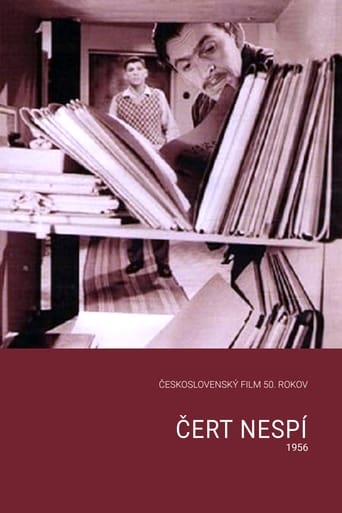 5.4
5.4Episodic film consisting of three satirical shorts ('Smutný káder', 'Typický prípad' and 'Vel'korysá kampaň') comically exposing the shortcomings of society. In the interval between each short, a committee recognising themselves in the characters on screen, voice their approval or disapproval of each film.
The Devil Does Not Sleep
1957
Slovak movie is based on the novel by the prominent representative of Slovak prose František Hečka, who was in 1952 awarded the State Prize. The novel and the movie successfully capture the development of Slovak village after the liberation in 1945. The narrative is centred around the characters of the old Púplava, who after the liberation begins to organise a new village life, and his struggle for the construction of settlements Mrzáčky, burnt by the fascists. It is centred around the conflict, greatly reflecting the situation of the countryside at this time: the conflict between the rural poor and the rural rich. In the movie, a rich personal and emotional life of other heroes pulsate besides the main storyline. The movie ends with the final defeat of the reactionary forces by Communists in February 1948, taking over all power in the state of workers and peasants. - "The Wooden Village" is released in celebration of the 7th anniversary of the Communist February Victory.
The Wooden Village
1955
A dramatic story of a young woman, Mária Kedrová, who gradually breaks free from her humiliating position in her family and society in the post-war years. Tired of the inhumane work and tyranny on behalf of her husband's kulak family, after endless humiliation, she leaves the Kedrová house with her son Martin to start living her own life.
Žena z Vrchov
1956