
Directing
Vladimír Zimmer
Born — Died
1921-06-26 — 1990-01-20
Known for
Directing
Credits
27 titles
Known for
 9.0
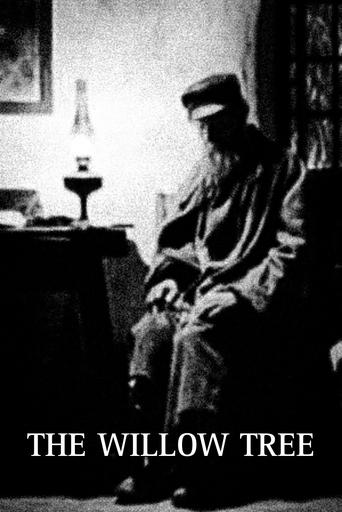
9.0An elderly man lives a solitary and rhythmic life by a dilapidated mill near a river. His days are spent almost entirely in silence, fishing under the shade of a massive, ancient willow tree that seems as old and weathered as he is. One Sunday, while fishing, he witnesses a murder.
The Willow Tree
1984
 5.7
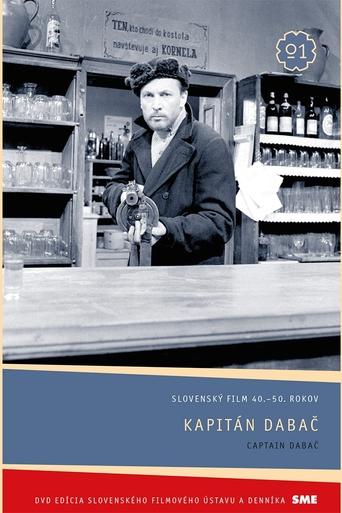
5.7The drama of a young Slovak army officer who gradually realises the horrors of fascism during the fighting in Ukraine. On his return to Slovakia, he joins the SNP. However, he cannot overcome his loner attitude or his doubts about the meaning of partisan activity.
Kapitán Dabač
1959
 6.3
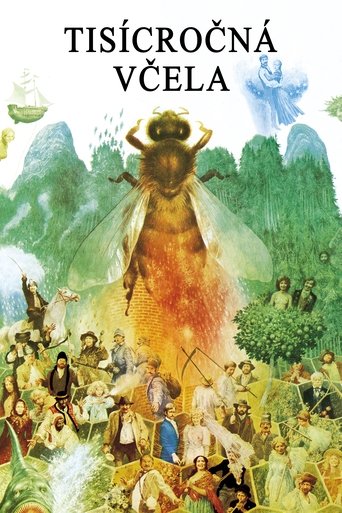
6.3A family saga taking place mostly in a small Slovak village over a period of thirty years (1887–1917). The first part captures the life of Martin Pichandu in the development of his craft, masonry; in the second part, his son is center stage living in a period of socio-political crisis, which ultimately results in the first World War. After originally airing on Czechoslovakian television in 1983 as a four-part 226-minute mini-series, this production received a 163-minute theatrical release in 1984.
The Millennial Bee
1983
No synopsis available yet.
Devín
1945
 5.2
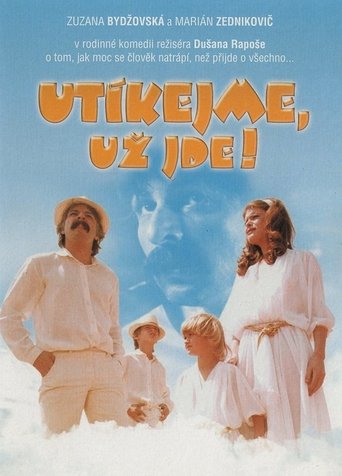
5.2A comedy about happiness, Indian magic and adultery. One day Mr and Mrs Sysel happen to solve the problem of lacking enough room in their tiny flat. They break through the wall into their neighbour's comfortable flat, from which they borrow not only additional square feets of space, but things of his personal property as well.
Run, He Is Coming!
1987
 10.0
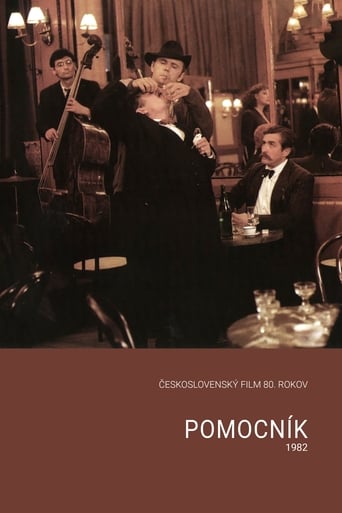
10.0A story of a family that after WWII moved to the south of Slovakia and acquired a prosperous butcher business left behind by a Hungarian emigrant. From the previous owner, the family also inherited a self-assured, greedy assistant who does not like to observe any firm moral principles. He assists the family in gaining wealth but in the long run, he causes the family's moral dissolution. In his most successful feature film, director Zoro Záhon combined a complex drama with excellent acting performances, especially that of Hungarian actor Gábor Koncz in the lead role.
The Assistant
1982
Film credits
1980s · 7 titles
9.0An elderly man lives a solitary and rhythmic life by a dilapidated mill near a river. His days are spent almost entirely in silence, fishing under the shade of a massive, ancient willow tree that seems as old and weathered as he is. One Sunday, while fishing, he witnesses a murder.
The Willow Tree
1984
6.3A family saga taking place mostly in a small Slovak village over a period of thirty years (1887–1917). The first part captures the life of Martin Pichandu in the development of his craft, masonry; in the second part, his son is center stage living in a period of socio-political crisis, which ultimately results in the first World War. After originally airing on Czechoslovakian television in 1983 as a four-part 226-minute mini-series, this production received a 163-minute theatrical release in 1984.
The Millennial Bee
1983
5.2A comedy about happiness, Indian magic and adultery. One day Mr and Mrs Sysel happen to solve the problem of lacking enough room in their tiny flat. They break through the wall into their neighbour's comfortable flat, from which they borrow not only additional square feets of space, but things of his personal property as well.
Run, He Is Coming!
1987
10.0A story of a family that after WWII moved to the south of Slovakia and acquired a prosperous butcher business left behind by a Hungarian emigrant. From the previous owner, the family also inherited a self-assured, greedy assistant who does not like to observe any firm moral principles. He assists the family in gaining wealth but in the long run, he causes the family's moral dissolution. In his most successful feature film, director Zoro Záhon combined a complex drama with excellent acting performances, especially that of Hungarian actor Gábor Koncz in the lead role.
The Assistant
1982
 4.6
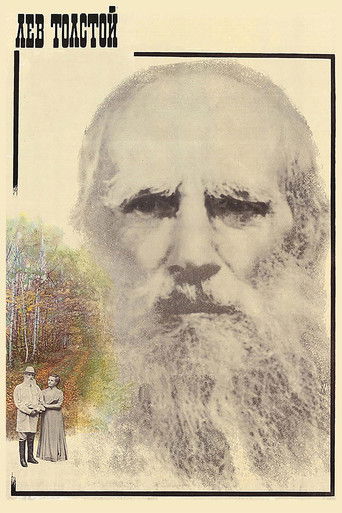
4.6This is the story of last years of Leo Tolstoy's life at his mansion in Yasnaya Polyana. He is surrounded by his family, friends, acquaintances and absolute strangers who are coming to the great man and artist from all over the world. But in his sleepless nights he dreams about his happy youthful years and the crucial, hard ones. And everything ends with his tragic departure from Yasnaya Polyana and his death at an obscure little station of Astapovo.
Lev Tolstoy
1984
The dramatic story of the life of Slovak boatmen on the Danube during World War II is depicted through the eyes of a six-year-old boy who is forced by the events of the war to spend a dark time with his grandparents in the village. Despite the fairy-tale-sounding title, this film takes place at the end of the war in the Slovak countryside during World War II, and its child hero is the son of a Danube boatman who experiences incredible adventures. The Little Lifeguard's Lamp ranks among children's films that seek speciality in the realities of war. It explores both a children's world with a shifted lens of perception and the impact of battles interfering in the lives of the youngest.
Lampáš malého plavčíka
1984
A lyrical picture of student life. A romantic story of first student love seen through the eyes of an aging writer's memories. In the last years of his life, National Artist Štefan Králík, in addition to his theatrical work, also worked for television. A Trip to Youth takes place in the environment of a current class of high school graduates who have invited a famous writer to a discussion. Shortly before his arrival, however, something happens that contradicts the majority's opinion about morality. And so the planned official discussion suddenly becomes a sincere, open exchange of views, in which the writer becomes one of the actors in the story. A story that happened to him fifty years ago.
Výlet do mladosti
1984
1970s · 1 titles
1960s · 2 titles
 7.0
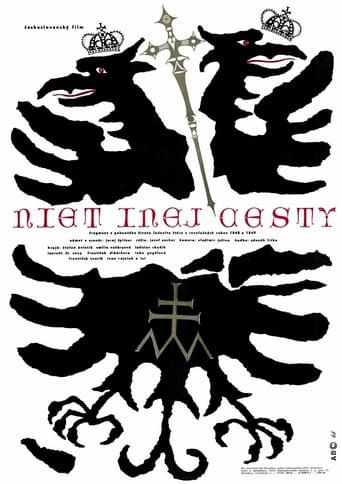
7.0A biographical film about the Slovak nationalist Ľudovít Štúr. It captures the revolutionary events of 1848 in Austria-Hungary, when Štúr, as a member of the Diet, led the fight for the national rights of the Slovak people.
Niet inej cesty
1968
 9.0
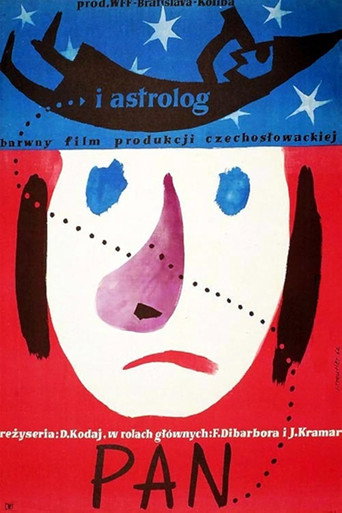
9.0On this naive and awkwardly narrated fairy tale it is remarkable that it also established the tradition of fairy tale stories in Slovakia. A certain refinement is the framing of the whole story with a puppet show that moves into the played scenes. The film carries out a folk tale of a stupid castle lord who lives in a ruined castle, a fraudulent painter and a lazy shepherd.
Pán a hvezdár
1960
1950s · 5 titles
5.7The drama of a young Slovak army officer who gradually realises the horrors of fascism during the fighting in Ukraine. On his return to Slovakia, he joins the SNP. However, he cannot overcome his loner attitude or his doubts about the meaning of partisan activity.
Kapitán Dabač
1959
 6.3
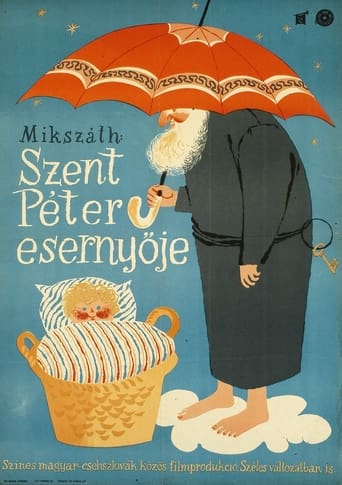
6.3A comedy about a lost inheritance, love and a red umbrella, which, according to a local legend, belonged to St. Peter himself.
St. Peter's Umbrella
1958
 7.0
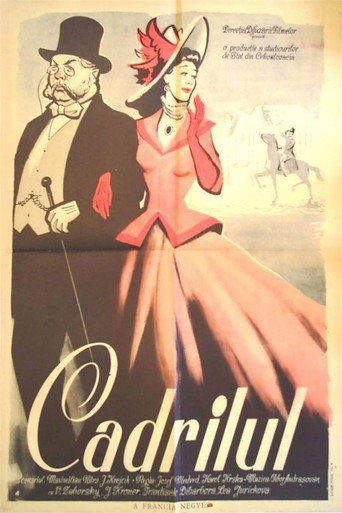
7.0A comedy film taking an ironic view of the bourgeois period prior to the First World War.
Štvorylka
1955
No synopsis available yet.
Náš školník
1959
 5.4
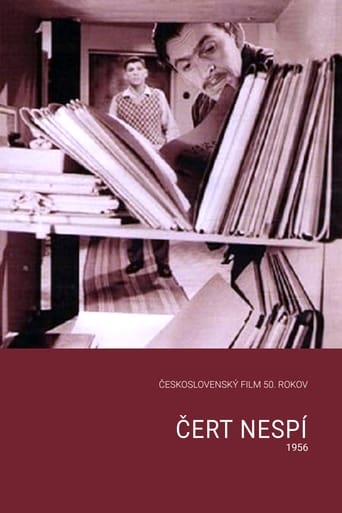
5.4Episodic film consisting of three satirical shorts ('Smutný káder', 'Typický prípad' and 'Vel'korysá kampaň') comically exposing the shortcomings of society. In the interval between each short, a committee recognising themselves in the characters on screen, voice their approval or disapproval of each film.
The Devil Does Not Sleep
1957
Behind the camera
No synopsis available yet.
Devín
1945
No synopsis available yet.
Devín
1945
No synopsis available yet.
Svet najmenších
1949
No synopsis available yet.
Svet najmenších
1949
No synopsis available yet.
Bratislava 4. IV. 1946
1946
No synopsis available yet.
Čierne umenie
1944
No synopsis available yet.
Čierne umenie
1944
No synopsis available yet.
Kvapka slnka
1947
Documentary about the emergence of the strike movement in the iron ore mines of Rudňa in Slovakia. The miner Michal Ogurčák introduced a new way of mining iron ore here, overcame initial misunderstandings, and eventually inspired 160 followers to perform striking feats by his example.
Úderník
1950
Documentary about the emergence of the strike movement in the iron ore mines of Rudňa in Slovakia. The miner Michal Ogurčák introduced a new way of mining iron ore here, overcame initial misunderstandings, and eventually inspired 160 followers to perform striking feats by his example.
Úderník
1950
Documentary about the ethnographic museum in Turčanský sv. Martin, which represents the way of life of the Slavs, living in what used to be today's territory of Slovakia.
Odkazy minulosti
1950
Documentary about the ethnographic museum in Turčanský sv. Martin, which represents the way of life of the Slavs, living in what used to be today's territory of Slovakia.
Odkazy minulosti
1950