
Acting
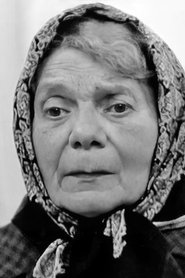
Oľga Adamčíková
Born — Died
1903-02-17 — 1992-08-16
Place of birth
Kremnica, Austria-Hungary [now Slovakia]
Known for
Acting
Credits
50 titles
Known for
 7.0
7.0No synopsis available yet.
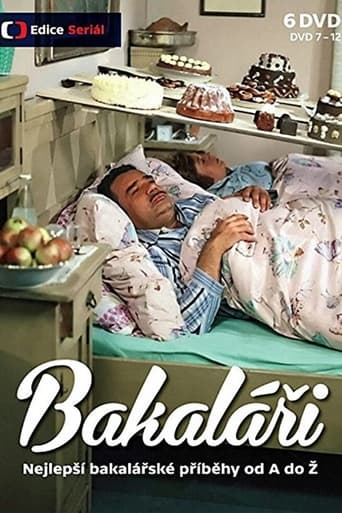
Bakaláři
1972
No synopsis available yet.
Ľudia z kanálovej štvrte
1975
 NR
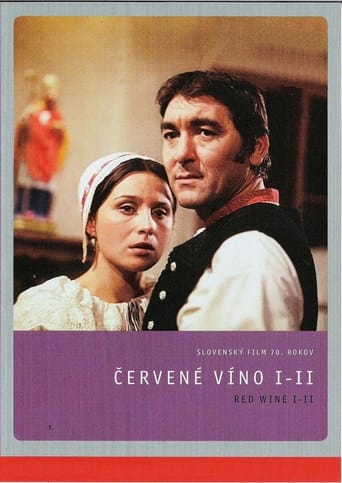
NRAn epic saga of the Habdza family of vineyard keepers set in western Slovakian countryside at the beginning of the 20th century. Director Andrej Lettrich's novel adaptation talks of plotting, forbidden love. family discord, and struggle for heritage and power. The story is engaging thanks to the impressive performances of popular actors, dramatic situations, and sensitive music. Red Wine is not so much inventive in terms of auteurship as it is a work of excellent craftsmanship. The resulting picture is a costume production neatly adapted to the character of Slovak rural life in the past.
Red Wine
1972
No synopsis available yet.
Generácia
1969
 7.4
7.4The first Slovakian colour film. A celebration of traditional Slovakian folklore and creativity expressed through a story of young love .
Homeland
1954
No synopsis available yet.
Škriatok
1974
Film credits
1980s · 2 titles
 7.1
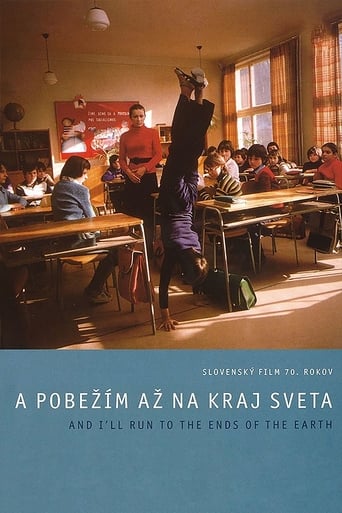
7.1Majka "Chatterbox" is a girl entering adolescence. She was born with a minor disability. While her mother keeps scolding her for the way she walks, her classmates mock her and call her a "duck". Along an innocent first love affair and a secret friendship, she receives little understanding from her parents and lots of malice from her schoolmates. Majka finds refuge with her grandmother and in her own fantasy world.
And I'll Run to the Ends of the Earth
1980
No synopsis available yet.
Hra na telo
1980
1970s · 14 titles
No synopsis available yet.
Škriatok
1974
No synopsis available yet.
Svetská krása
1975
No synopsis available yet.
Dobrý deň, stará mama
1977
No synopsis available yet.
Klinko a Kompit kráľ
1971
No synopsis available yet.
Nemám čo povedať
1975
No synopsis available yet.
Zorenka
1974
No synopsis available yet.
Vládca Oidipus
1978
Krista Bendová's original television comedy set in a village setting, Revenge, directed by Ján Roháč, is the story of the secretary of the Local National Committee and his energetic octogenarian grandmother, who is actually hiding behind everything that happens in the village of Bumbaľany. The immense comedic talent of Nadi Hejná contributed significantly to the audience's appeal of this great comedy.
Pomsta
1975
No synopsis available yet.
Bambusová dievčina
1978
No synopsis available yet.
Drotárova svadba
1974
No synopsis available yet.
Kazko Vlasko
1978
No synopsis available yet.
Žabí ženích
1978
No synopsis available yet.
Serenáda pre Martinu
1976
No synopsis available yet.
Lesanka
1979
1960s · 20 titles
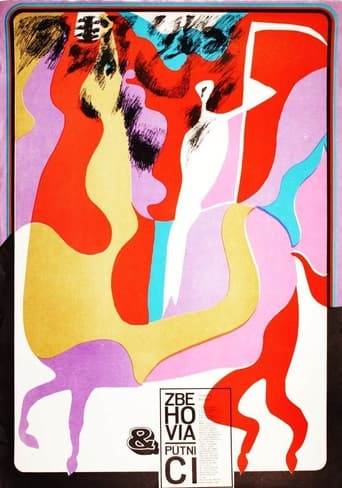 6.9
6.9An apocalyptic story of three wars in three film tales encompassing the end of the WWI,WWII, as well as a vision of the world destroyed by nuclear weapons. This film was honored at the film festivals in Venice and Sorrento. Immediately after that the copy with Italian subtitles was locked in a safe as evidence of the anti-communist activities of the director, who used real footage of the Soviet invasion.
The Deserter and the Nomads
1968
No synopsis available yet.
Symetrála
1969
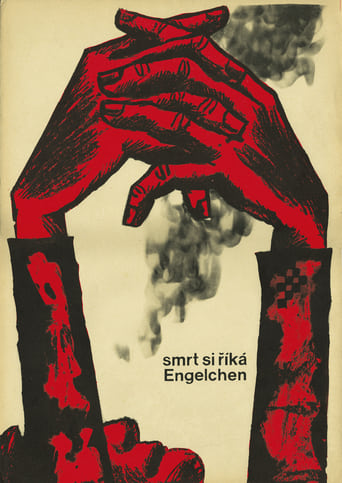 6.4
6.4Pavel is a Czech partisan fighter in the waning days of the war. Just as peace is declared, Pavel is shot in the spine and sent to the hospital emergency ward. As he fades in and out of consciousness, he recalls the events that led to his participation in the underground. Holding German occupation commander Engelchen responsible for all the horrors and deprivations heaped upon his comrades, Pavel is kept alive by the possibility of recovering and exacting vengeance upon the Nazi officer - no matter how long it takes.
Death Is Called Engelchen
1963
On Christmas Eve, 1944, in Nazi-occupied Slovakia, the Kubiš family grapples with survival amidst brutal reprisals. Marián collaborates as a fascist guard leader, while his sister Angela has an affair with their Nazi lodger, Major Brecker. The situation escalates when their younger son, Juraj, a former partisan fighter, returns home wounded. As Germans search homes for escapees, Juraj hides in the attic, while an unsettling Christmas dinner unfolds below with Major Brecker present.
Midnight Mass
1962
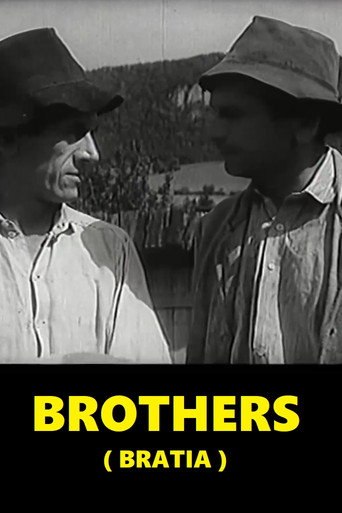 9.0
9.0A bricklayer, Jozef Haviar, decides to live with his family on the small farm of his father through the difficult years of the economic crisis. But on his return to his father's house he gets into a conflict with his brother. The life-and-death conflict between the two brothers documents the difficult situation of Slovak country life in the 1930s, the time of economic depression.
Brothers
1962
No synopsis available yet.
Tisíc podpisov za obžalovaného
1964
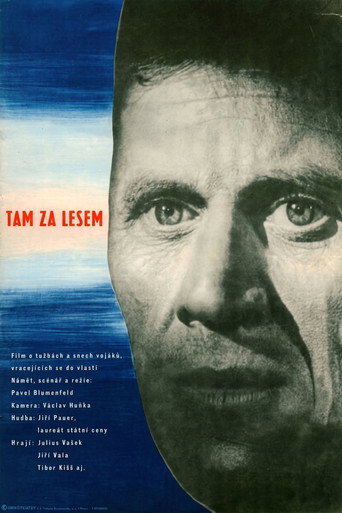 7.7
7.7The brave soldiers, including a young Romani man determined to become a machine driver after the war, are preparing to fight for the Dukla Pass, and they must fight hard for every inch of land. They will redeem their success with their own blood.
There behind the forest
1962
During the Slovak National Uprising, even ordinary people were determined to perform heroic deeds, even though they knew they were exposing themselves to great danger. The heroine of this film, a simple country woman, has a hard time paying for her bravery: she is sentenced to death, postponed for now so that she can nurse her recently born baby. She is even offered salvation if she betrays, but the presence of a member of the Soviet army infuses her with determination and hope. Early Spring belongs to the usual schematic, lifeless staged views of the subject that the communist regime has elevated to the level of sacred matter.
Predjarie
1961
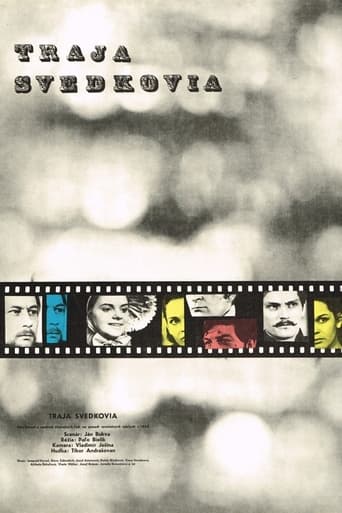 10.0
10.0A historical drama set in the revolutionary times of 1848.
Traja svedkovia
1969
An outdated fireclay factory is due to close, but its long-time employees can't imagine stopping what has fed them all their lives and what they do best...
Bez svatozáře
1964
In southern Moravia, in the native village of Velka Samota, a ministry official returns from Prague to lift the declining JZD he helped establish.
Great Solitude
1960
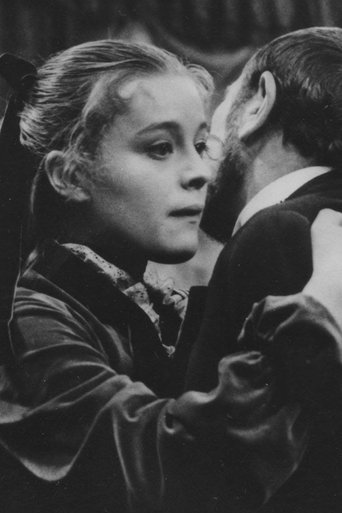 6.5
6.5A tragic story of an uneasy marriage between a young girl and an elderly, crotchety man who cannot understand or approach her.
A Gentle Spirit
1967
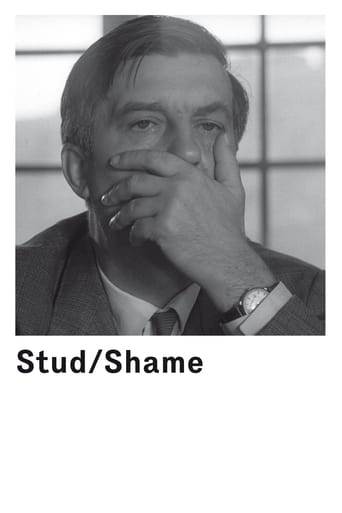 6.4
6.4The drama offers Arnošt Pánek, chairman of the National Committee, as the protagonist of the story. Pánek is disturbed by news of the arrest of his protégé Kvasil – chairman of a JZD agricultural cooperative in the nearby village of Spádová. He is responsible for the revival of a neglected village, but is now accused of theft, fraud, and – on top of that – the rape of an under-aged girl.
Stud
1968
The film presents a parade of customs, music, songs and dances of the Slovak people in four seasons, based on a theatre play by I. Teren and K.L. Zachar from the first years after the liberation.
Rok na dedine
1968
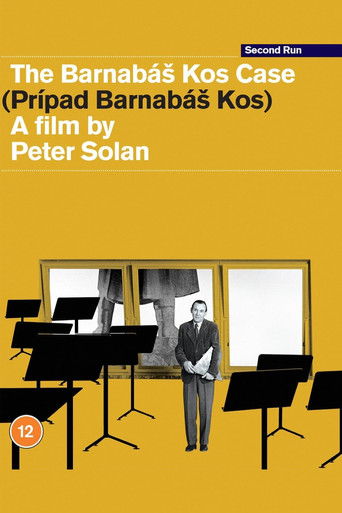 7.0
7.0Barnabáš Kos, a meek and modest triangle-player in a state orchestra finds himself unfathomably promoted to musical director. Now drunk with power, the once timid musician turns into a poised, commanding peacock and seeks to transform the orchestra to suit his own agenda and inflated vision.
The Barnabáš Kos Case
1965
 5.2
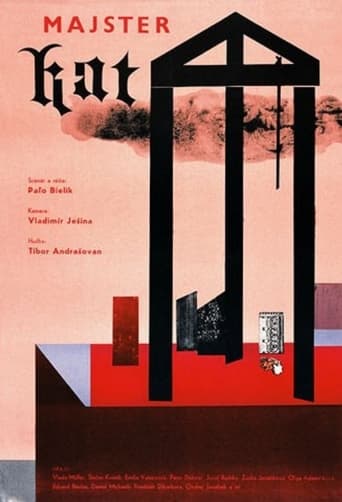
5.2A dramatic story about two friends - fisherman Richardus and municipal executioner Emil Targo takes place at the river Danube, in places that used to be targets of Ottoman raids. But their attraction to the same woman and Emil’s betrayal change their indissoluble friendship to an equally strong hatred. And as it usually goes - after twenty years by a trick of fate Richardus’ daughter Agajka becomes the wife ofthe sun of his sworn enemy.
Master Executioner
1966
No synopsis available yet.
Čisté ruky
1968
No synopsis available yet.
Keď chybí trombón
1962
No synopsis available yet.
Román o base
1968
No synopsis available yet.
Smoliarka
1964
1950s · 9 titles
7.4The first Slovakian colour film. A celebration of traditional Slovakian folklore and creativity expressed through a story of young love .
Homeland
1954
The film adaptation of the novel of the same name by Peter Jilemnický is a drama about the life of poor Kysuce miners, which takes place in the thirties during the economic crisis. During the peak wave of emigration, the dream of a better life drives thousands of people to America for work. Others, in order to support their families, leave for the surrounding towns. Produced by the Bratislava Art Film Studio, studios and laboratories Bratislava - Koliba.
Unploughed Field
1954
 6.3
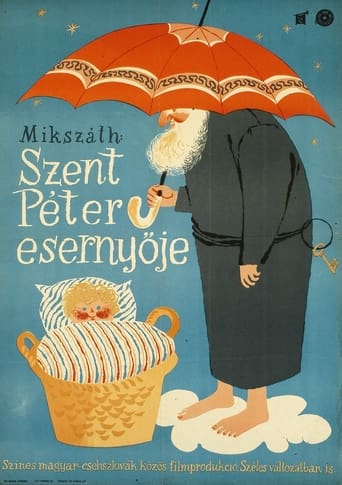
6.3A comedy about a lost inheritance, love and a red umbrella, which, according to a local legend, belonged to St. Peter himself.
St. Peter's Umbrella
1958
No synopsis available yet.
Nie je Adam ako Adam
1956
No synopsis available yet.
Komu dôverovať?
1954
After his retirement, Jozef Rebro, a former chief state clerk, finds himself in a new situation. No longer able to overwork his subordinates, he becomes bored and begins to terrorize his family, his wife and daughter Olga and son František. The domestic tyrant can't stand resistance, he wants to manage and control everything. However, the frost comes on the dog and even the frightened wife rebels against the ribs...
V piatok, trinásteho...
1954
 6.5
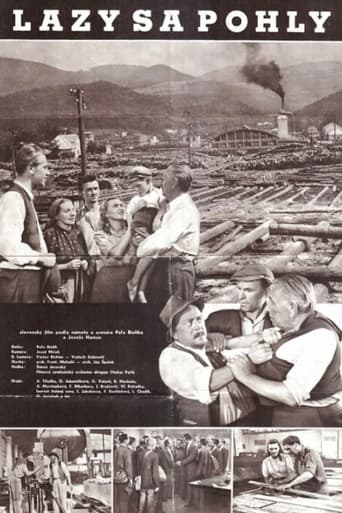
6.5The life on the poor Slovak hills, the lazy hills, where agriculture is at a primitive stage and where the shelves give a small harvest. Meanwhile, socialist industrialization is reaching an amazing boom in the valleys. Therefore, it is necessary to solve the problem of small farmers on poor farms and the lack of labor in ever-growing industrial enterprises. The film, based on the fate of Matěj Rendek, who returns to Slovakia after 18 years from America, and on the fate of his family, who have toiled for years on poor fields and slaved for a rich farmer, shows how this problem must be solved: an agricultural cooperative is established on the lazy hills, which, with the help of machines, can handle agricultural work better and with a significantly smaller number of laborers, and most of the lazy villagers leave to work at a large sawmill.
Lazy sa pohly
1952
Slovak movie is based on the novel by the prominent representative of Slovak prose František Hečka, who was in 1952 awarded the State Prize. The novel and the movie successfully capture the development of Slovak village after the liberation in 1945. The narrative is centred around the characters of the old Púplava, who after the liberation begins to organise a new village life, and his struggle for the construction of settlements Mrzáčky, burnt by the fascists. It is centred around the conflict, greatly reflecting the situation of the countryside at this time: the conflict between the rural poor and the rural rich. In the movie, a rich personal and emotional life of other heroes pulsate besides the main storyline. The movie ends with the final defeat of the reactionary forces by Communists in February 1948, taking over all power in the state of workers and peasants. - "The Wooden Village" is released in celebration of the 7th anniversary of the Communist February Victory.
The Wooden Village
1955
No synopsis available yet.
Guľometný pás
1959
Series credits
7.0No synopsis available yet.
Bakaláři
1972
No synopsis available yet.
Ľudia z kanálovej štvrte
1975
NRAn epic saga of the Habdza family of vineyard keepers set in western Slovakian countryside at the beginning of the 20th century. Director Andrej Lettrich's novel adaptation talks of plotting, forbidden love. family discord, and struggle for heritage and power. The story is engaging thanks to the impressive performances of popular actors, dramatic situations, and sensitive music. Red Wine is not so much inventive in terms of auteurship as it is a work of excellent craftsmanship. The resulting picture is a costume production neatly adapted to the character of Slovak rural life in the past.
Red Wine
1972
No synopsis available yet.
Generácia
1969
No synopsis available yet.
Sloník medzi zvieratkami
1976