
Known for
 9.0
Documentary portrays the crisis following the resignation of Brazilian President Jânio Quadros and the attempted coup to prevent João Goulart from taking office, which was contained with the adoption of parliamentarism.
1961
2025
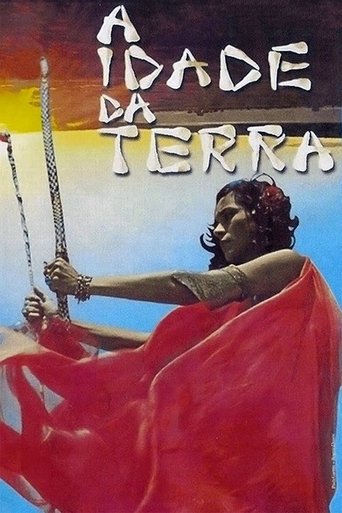 6.0
Drawing inspiration from a poem penned by Castro Alves, this film vividly captures the political, cultural, and intellectual climate of Brazil during the late 1970s. At its core, the story revolves around four distinctive embodiments of Christ's image: a black man, a soldier, an Indian, and a guerrilla fighter. These courageous individuals, hailed as the harbingers of doom in the tupiniquim lands, valiantly combat the insatiable avarice and oppressive "civilizing" brutality propagated by the formidable John Brahms—a foreign exploiter devoid of morals.
The Age of the Earth
1980
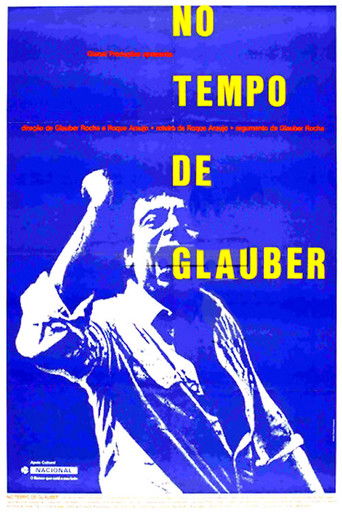 NR
No synopsis available yet.
No Tempo de Glauber
1987
"Impressões" rescues the history of the Brazilian press since 1808, when the "Correio Brasiliense" clandestinely reached Rio de Janeiro after being edited in London by Hipólito José da Costa, and spans until 1986. It's the first documentary to depict the history of the Brazilian journalistic press.
Impressões do Brasil
1987
 9.0
Passages from the life of former Alagoan senator Teotônio Vilela, with emphasis on the process of his formation as a public figure, from his childhood as a mill boy to the final stage, with his famous campaign for the democratic restoration of the country. At this point, he was a man on the brink of death, already victimized by the cancer that would kill him.
O Evangelho Segundo Teotônio
1984
A behind-the-scenes look at the making of Glauber Rocha's 1980 production "A Idade da Terra" (The Age of Earth), including unedited clips taken from the sixty hours of recovered raw footage.
Anabazys: O Terceiro Testamento de Glauber Rocha
2007
Film credits
1980s · 4 titles
6.0Drawing inspiration from a poem penned by Castro Alves, this film vividly captures the political, cultural, and intellectual climate of Brazil during the late 1970s. At its core, the story revolves around four distinctive embodiments of Christ's image: a black man, a soldier, an Indian, and a guerrilla fighter. These courageous individuals, hailed as the harbingers of doom in the tupiniquim lands, valiantly combat the insatiable avarice and oppressive "civilizing" brutality propagated by the formidable John Brahms—a foreign exploiter devoid of morals.
The Age of the Earth
1980
NRNo synopsis available yet.
No Tempo de Glauber
1987
"Impressões" rescues the history of the Brazilian press since 1808, when the "Correio Brasiliense" clandestinely reached Rio de Janeiro after being edited in London by Hipólito José da Costa, and spans until 1986. It's the first documentary to depict the history of the Brazilian journalistic press.
Impressões do Brasil
1987
9.0Passages from the life of former Alagoan senator Teotônio Vilela, with emphasis on the process of his formation as a public figure, from his childhood as a mill boy to the final stage, with his famous campaign for the democratic restoration of the country. At this point, he was a man on the brink of death, already victimized by the cancer that would kill him.
O Evangelho Segundo Teotônio
1984