
Acting
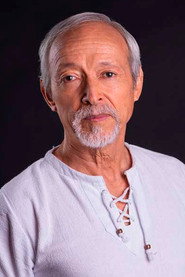
Augusto Casafranca
Known for
Acting
Credits
6 titles
Augusto Casafranca is an actor with a distinguished career spanning more than five decades. In addition to his acting work, he is a teacher and performing arts researcher with extensive experience in artistic training and creation. His career began in 1973 with his participation in the René Ramírez Cultural Group in Cusco. In 1975, he joined the emblematic cultural group Yuyachkani, where he has participated in numerous works, both original and collaborative, including: Allpa Rayku (For the Land) (1978), The Traveling Musicians (1983), Encounter of Foxes (1985), Goodbye Ayacucho (solo performance, 1990), Santiago (2000), Made in Peru (2001), Untitled, mixed media (2004), Letters from Chimbot…
Known for
 NR
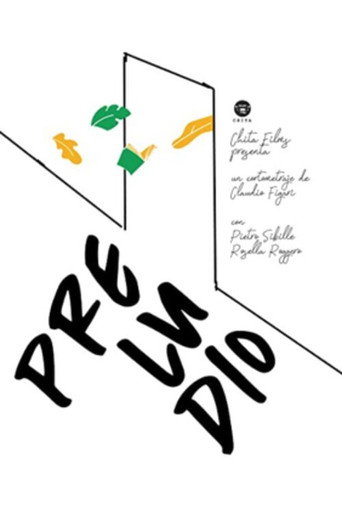
NRAt the end of the working day, Ruben, a discouraged bookstore clerk, meets a strange client who refuses to leave the store, leading him to experience new emotions
Prelude
2020
 6.0
6.0When a hardworking girl in a chicken costume meets a troubled schoolboy, the walls she has built around herself will be put to the test.
empathetic
2022
 NR
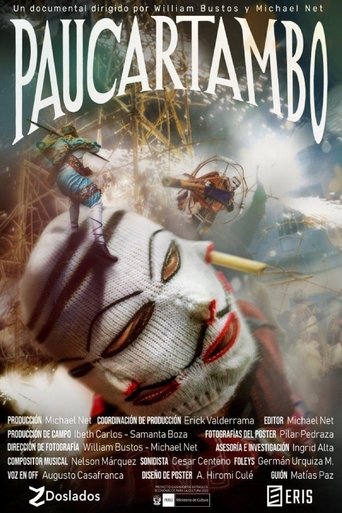
NRNo synopsis available yet.
Paucartambo
2024
 10.0
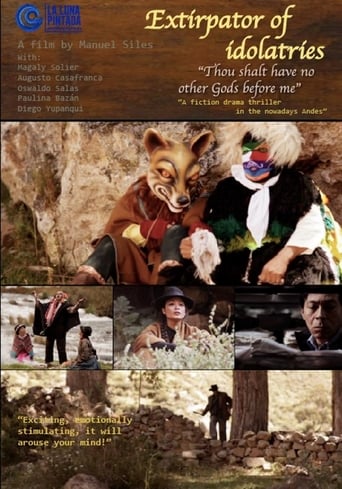
10.0The police detective Waldo, of immersed and circumspect disposition and temper, investigates several crimes associated with indigenous rituals that occur in some regions of the Peruvian Andes. There we find a boy and a girl who are about to enter puberty and begin to interact with certain mythical beings, a supernatural belief very common in many Andean villages. A sinister character, pretending to be on a mission of faith, but imbued with religious dogmatism and intolerance, interrupts this peaceful scene as he casts an ominous shadow over these ancient Peruvian beliefs. Although Waldo's boss considers him inferior and distrusts his methods (a form of discrimination), the policeman continues his efforts to capture the "Extirpator of Idolatries.¨ At the same time, Waldo will resolve his own inner conflict which has troubled him all his life.
Extirpator of Idolatries
2016
 NR
NRIn 1424, the Chancas tried to conquer a small kingdom: the Incas. In this war, the destiny of the Andean world was decided with the rise of Pachacutec as the leader in Cusco, and the genesis of the Incan Empire and its expansion under his rule. This short narrates the decisive battle between the two factions, along with mythological elements.
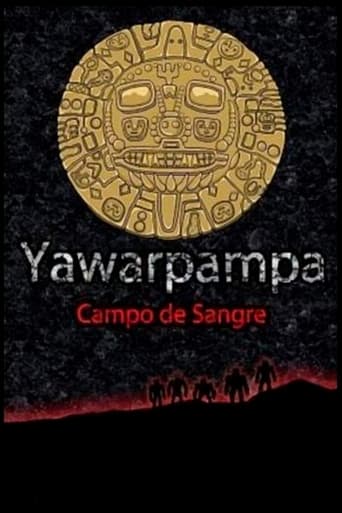
Yawarpampa: campo de sangre
2009
 NR
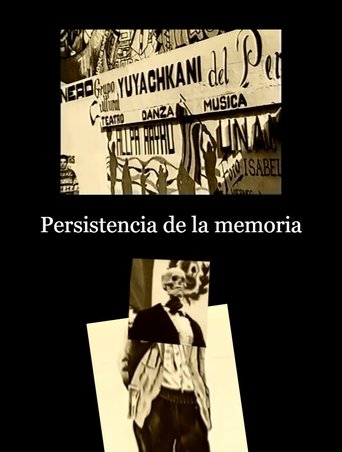
NRIn 1971, some young Peruvian playwrights founded the group Yuyachkani, a Quechua word which means: "I am thinking, I am remembering. 25 years later, in 1996, the group celebrates its anniversary, performing a retrospective of its most important works, which allows them to think and remember about the scene they have traveled
Persistence of the memory
1998
Film credits
2020s · 3 titles
NRAt the end of the working day, Ruben, a discouraged bookstore clerk, meets a strange client who refuses to leave the store, leading him to experience new emotions
Prelude
2020
6.0When a hardworking girl in a chicken costume meets a troubled schoolboy, the walls she has built around herself will be put to the test.
empathetic
2022
NRNo synopsis available yet.
Paucartambo
2024