

Acting
Beatriz Costa
Born — Died
1907-12-14 — 1996-04-15
Place of birth
Mafra, Portugal
Known for
Acting
Credits
5 titles
Beatriz Costa (born Beatriz da Conceição, 14 December 1907 – 15 April 1996) was a Portuguese actress, the best-known actress of the golden age of Portuguese cinema. She was the author of several books.
Known for
José Maria, whom they always confuse with someone, ends up convincing himself that he is like everyone else, enjoying the pleasure of getting settled in the lives of others.
O Trevo de Quatro Folhas
1936
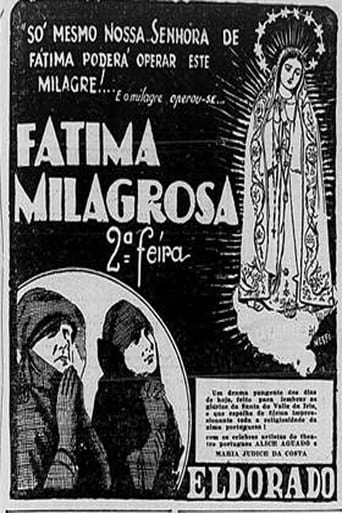 8.0
8.0Aninhas (Aida Lupo), a paralyzed girl, asks for a miracle from the saint of her devotion, Our Lady of Lourdes, at the chapel of Penha (Guimarães), but her prayer is not heard - She turns her devotion to the Blessed Virgin directly, and joins the multitude that goes on a pilgrimage to the village where, ten years before, the Virgin Mary is said to have appeared to three child sheepherders.
Fátima Milagrosa
1928
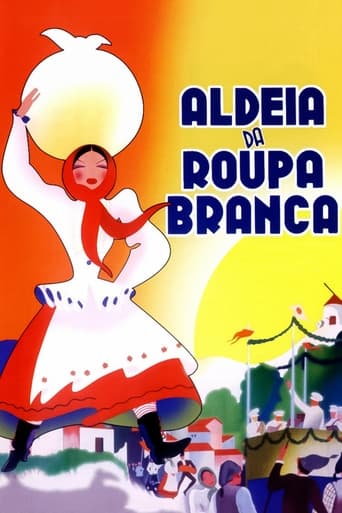 7.4
7.4Gracinda is a young laundress who works with Uncle Jacinto, but life hasn't been going well for them. Therefore, she decides to go to the city to convince Chico, her cousin with whom she has fallen in love, to return to the village to help on the business...
Aldeia da Roupa Branca
1939
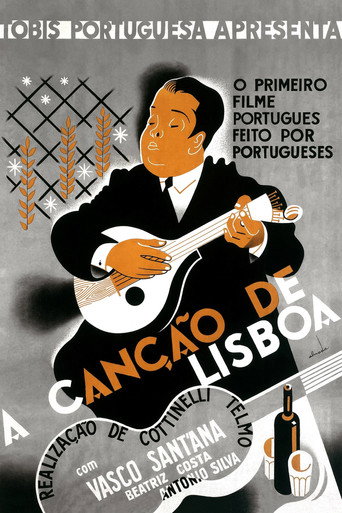 8.5
8.5Vasco is a medical student in Lisbon, supported by his rich aunts, whom he had falsely told he had already graduated. In fact, he devotes himself to a bohemian life, preferring the popular fairs and pretty women, especially Alice, a seamstress from the Castelinhos quarter, which rather upsets her ambitious father, tailor Caetano, who is familiar with Vasco's debts. After failing yet another final exam, he is surprised by his aunts' announcement that they will visit him in Lisbon to see his practice.
A Song of Lisbon
1933
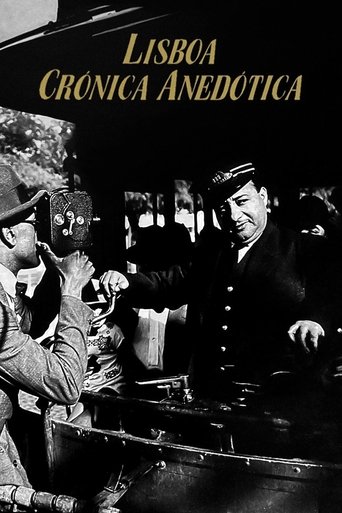 6.3
6.3Caleidoscope of documentary-like scenes and re-enacted episodes of a day in the life of a large port town – Lisbon, from the old district around Saint George's Castle down to the docks and the 'Sagres' on the Tagus river, to the new commercial districts.
Lisbon, Anecdotal Chronicle
1930
Film credits
1930s · 4 titles
José Maria, whom they always confuse with someone, ends up convincing himself that he is like everyone else, enjoying the pleasure of getting settled in the lives of others.
O Trevo de Quatro Folhas
1936
7.4Gracinda is a young laundress who works with Uncle Jacinto, but life hasn't been going well for them. Therefore, she decides to go to the city to convince Chico, her cousin with whom she has fallen in love, to return to the village to help on the business...
Aldeia da Roupa Branca
1939
8.5Vasco is a medical student in Lisbon, supported by his rich aunts, whom he had falsely told he had already graduated. In fact, he devotes himself to a bohemian life, preferring the popular fairs and pretty women, especially Alice, a seamstress from the Castelinhos quarter, which rather upsets her ambitious father, tailor Caetano, who is familiar with Vasco's debts. After failing yet another final exam, he is surprised by his aunts' announcement that they will visit him in Lisbon to see his practice.
A Song of Lisbon
1933
6.3Caleidoscope of documentary-like scenes and re-enacted episodes of a day in the life of a large port town – Lisbon, from the old district around Saint George's Castle down to the docks and the 'Sagres' on the Tagus river, to the new commercial districts.
Lisbon, Anecdotal Chronicle
1930