
Acting
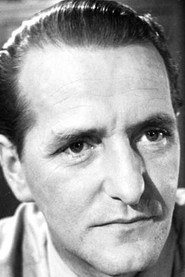
Preben Lerdorff Rye
Born — Died
1917-05-23 — 1995-06-15
Place of birth
Rudkøbing, Denmark
Known for
Acting
Credits
63 titles
Preben Lerdorff Rye was a prolific actor in Danish cinema during the mid-to-late 20th century. After varied educations in physical labor jobs, Rye debuted at Odenste Teater in 1938 and later got admitted to Det Kgl. Teater as a student in 1940, where he later became an actor, and was performing on stage up until 1961. Rye then took a brief break from the stage and acting and went on to live as a "civilian", until 1973, where he took up acting full time again, both in film and in theaters.
Known for
 7.2
7.2A French housekeeper with a mysterious past brings quiet revolution in the form of one exquisite meal to a circle of starkly pious villagers in late 19th century Denmark.
Babette's Feast
1987
 7.9
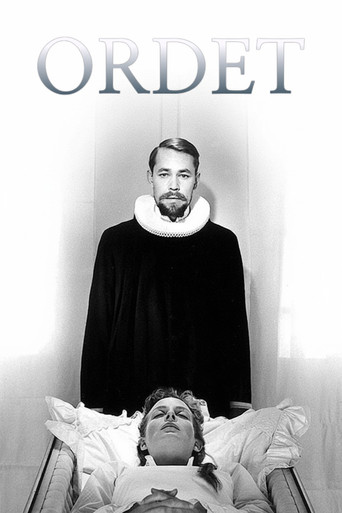
7.9The three sons of devout Danish farmer Morten have widely disparate religious beliefs. Youngest son Anders shares his father's religion, but eldest son Mikkel has lost his faith, while middle child Johannes has become delusional and proclaims that he is Jesus Christ himself. When Mikkel's wife, Inger goes into a difficult childbirth, everyone's beliefs are put to the test.
Ordet
1955
 6.4
6.4Fisher, an ex-detective, decides to take one final case when a mysterious serial killer claims the lives of several young girls. Fisher, unable to find the culprit, turns to Osbourne, a writer who was once respected for his contributions to the field of criminology. Fisher begins to use Osbourne's technique, which involves empathizing with serial killers; however, as the detective becomes increasingly engrossed in this method, things take a disturbing turn.
The Element of Crime
1984
 8.5
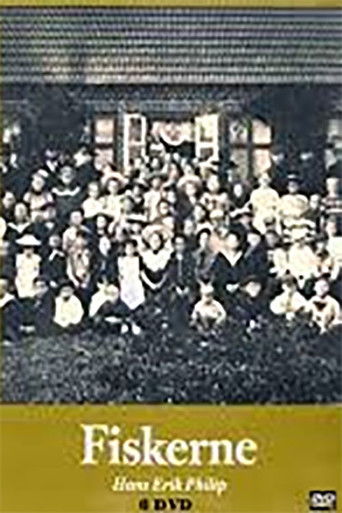
8.5A mini series based upon the book by Hans Kirk. A classic television drama and a delightful series about life in a remote community on the west coast in a bygone era. A group of fishermen and their families move across the fjord and settle in a small community. Here they thrive and become more and more established, setting the standard for how life should be lived. But not everyone in the families wants to live in this community and tries to break out.
The Fishermen
1977
 10.0
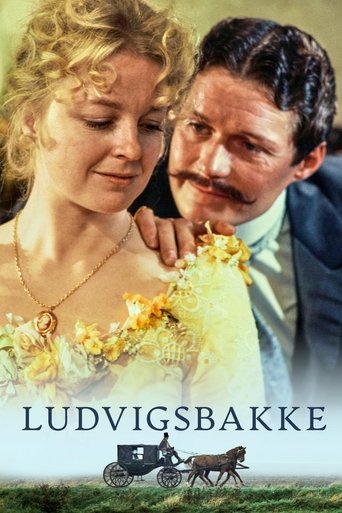
10.0No synopsis available yet.
Ludvigsbakke
1978
 8.0
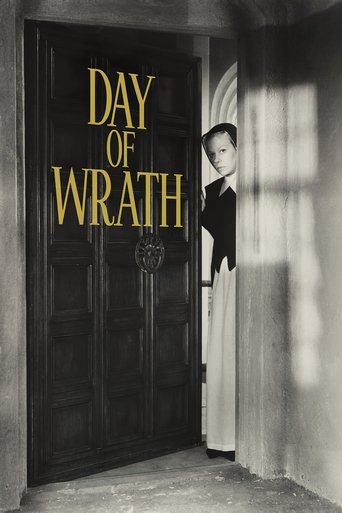
8.0In a Danish village in the early 1600s, a young woman named Anne, whose mother was thought to be a witch, develops sympathy toward an old woman, Marte, who is accused of witchcraft. The intervention of Anne's older but kindly husband, Pastor Absalon saved her mother -- but now, urged on by his overbearing mother, he refuses to help Marte. When Absalon's son returns home and is attracted to Anne, it's a matter of time before her family destiny catches up with her.
Day of Wrath
1943
Film credits
1980s · 10 titles
7.2A French housekeeper with a mysterious past brings quiet revolution in the form of one exquisite meal to a circle of starkly pious villagers in late 19th century Denmark.
Babette's Feast
1987
6.4Fisher, an ex-detective, decides to take one final case when a mysterious serial killer claims the lives of several young girls. Fisher, unable to find the culprit, turns to Osbourne, a writer who was once respected for his contributions to the field of criminology. Fisher begins to use Osbourne's technique, which involves empathizing with serial killers; however, as the detective becomes increasingly engrossed in this method, things take a disturbing turn.
The Element of Crime
1984
 6.5
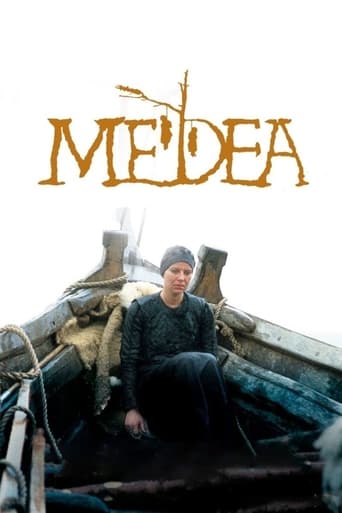
6.5Medea after having helped the man she loves, Jason, and given him to birth two children, is driven into fury and vengeful madness after he decides to abandon her to become successor to the throne by marring Glauce, the daughter of Creon, king of Corinth.
Medea
1989
 5.1
5.1The life and times of the Scandinavian artists' colony who lived in Skagen on the Danish coast during the 1890s. Not so much a biographical account, rather a portrait of a way of life. The painters became famous for the way they used the light in their work, and this has also been mirrored in the cinematography.
Hip Hip Hurrah!
1987
 10.0
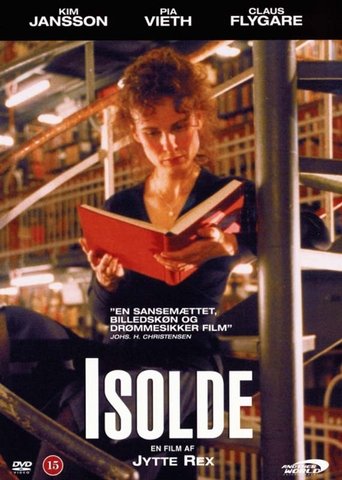
10.0After librarian Isolde attempts suicide, she leaves her politician husband for a younger student with a dark past. Isolde's former husband, however, has something else in mind for the young man.
Isolde
1989
 9.0
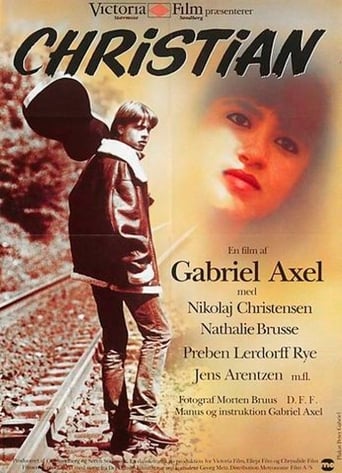
9.0Nikolaj Christensen is a popular Danish folk-rock artist. In this teen-oriented film, Christian (Christensen) is a young man in search of love, who restlessly leaves his home in Denmark to search for it all over Europe, finally finding some semblance of it in Morocco. This slight film is directed by Gabriel Axel, who also directed Babette's Feast. It is likeliest to be of interest to fans of the star and his music, which is used throughout.
Christian
1989
 3.7
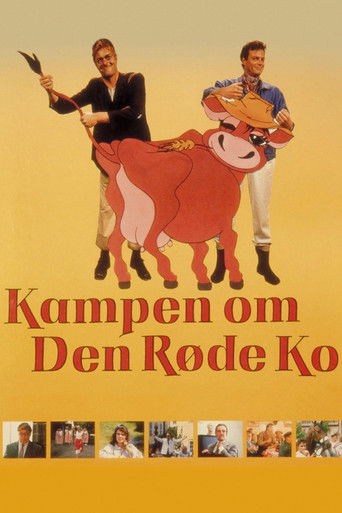
3.7The evil lawyer wants to take over the estate, and the evil farmer Esben helps him. But if the good farmer Svend Åge gets the red cow Rosa to bellow while Niels Peder yodels, then the horse that the stable boy Morten is riding on the trotting track will run faster and win the race. Then the lawyer will no longer be able to take over the estate, but it could all go down the drain if he steals Rosa.
The Fight For The Red Cow
1987
No synopsis available yet.
Hærvejen
1983
 NR
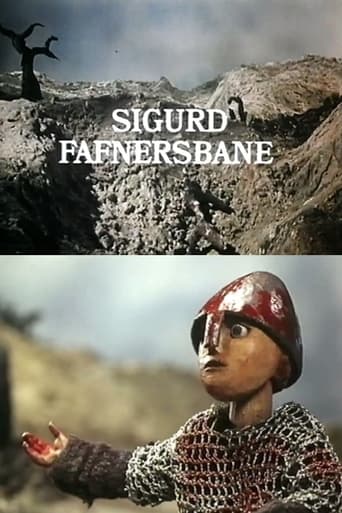
NRAn animated retelling of the legendary hero Sigurd of Norse folklore.
Sigurd Fafnersbane
1981
 5.2
5.2Susanne, a journalist, and Morten, a cellist, desperately want a child, but are unsuccessful. The situation leads to desperate acts, occasional drunkenness, and solace for her with a discreet lover.
It's a World Full of Children
1980
1970s · 10 titles
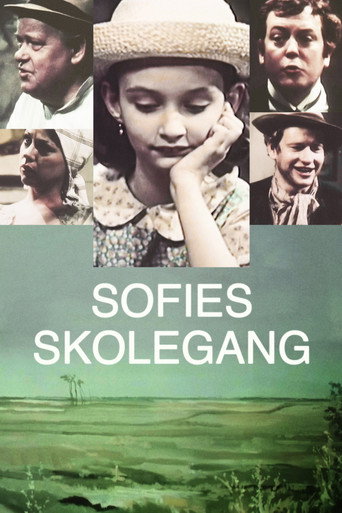 NR
NRTV drama about Christen Kold and his ideas for independent schools, by Bent Grasten and Kirsten Stenbæk. The story is set in the village of Roemark in the latter half of the 19th century and recounts the events surrounding farmer Valdemar's establishment of the first independent school in Denmark, based on an idea conceived by Christen Kold.
Sofies skolegang
1977
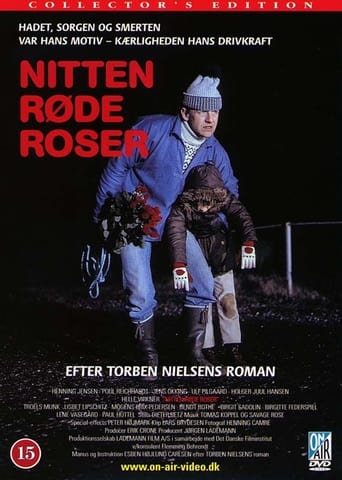 7.7
7.7After his girlfriend is killed in an automobile accident, a man decides the best revenge on those responsible is to murder their loved ones.
Nineteen Red Roses
1974
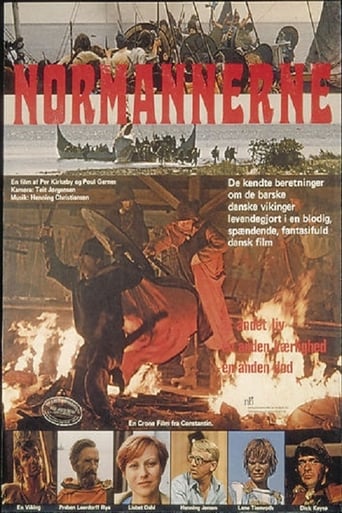 8.5
8.5With "The Normans," painters Paul Gernes and Per Kirkeby wanted to make a film about the Viking Age, but not a traditional fiction film set in that period. Instead, the film has a contemporary setting, in which a guide shows various historical sites and tries to bring the past to life, even though she has only one interested listener. Within this framework, episodes from Danish mythology are brought to life: King Skjold, Rolf Krake, Regnar Lodbrog, the Battle of Svold, etc. The film mainly follows the account in Saxo's chronicle, but also dramatizes a story by the Arab author Ibn Fadlan. He described the cremation of a Viking chieftain in Russia around the year 900, where, among other things, a slave woman was sacrificed after ritual intercourse. The film is based on a number of historical and archaeological studies. The loose form is intended to emphasize how fragmentary our knowledge of the Viking Age actually is.
Normannerne
1976
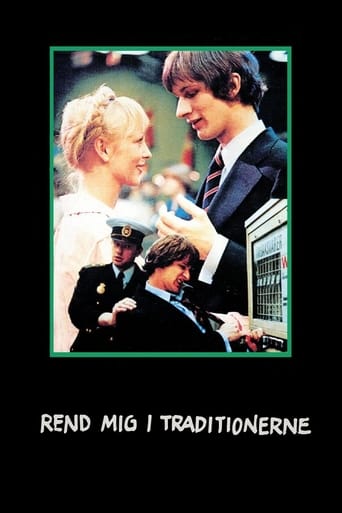 6.5
6.5Based on Leif Panduro's 1958 satire classic. David, a senior high-school student, aims a swift kick at his principal's behind and is committed to a psychiatric ward from the perspective of which he takes a close look at his allegedly sane family. They, of course, are the real loonies. The psychiatrists are worse. Only lovely class-mate Lis is down-to-earth and trustworthy.
Kick Me in the Traditions!
1979
 5.8
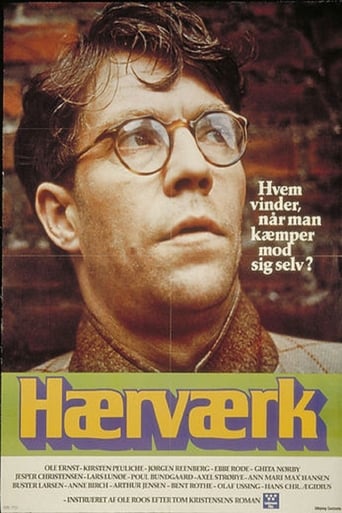
5.8Based upon the novel "Hærværk" by Tom Kristensen about the self destructive person. The literary reviewer Ole Jastrau chooses to free himself from his well-ordered middle class life. He allow the seriously left-wing writer Steffensen move in with himself which soon causes disintegration of his home an marriage.
Vandalism
1977
 8.5
8.5Heavily influenced by the French stage sensation La Cage Aux Folles (which was filmed the very same year) a drag-queen comedy about a group of homosexuals sharing an apartment with a naive but straight country boy did not live up to expectations. The lead characters lead boring lives during the day and, as depicted here, downright pathetic existences at night, all decked out in peacock plumes and high heels and with nowhere to go.
Mirror, Mirror
1978
 7.2
7.2Sometime in the 1700s, Mikkel, a farmer from Jutland, wants to marry off his daughter Cecil to the wealthy Mads Egelund, but she is in love with the haberdasher Esben. Mads proposes, but does not receive a definitive answer. Shortly afterwards, Esben leaves for Holsten on business, and Cecil vows to wait for him. A couple of years pass. After an attempt to force Cecil to marry Mads, she is now in a state of insanity. Esben returns home happy and prosperous, but Cecil does not recognize him and, in a fit of madness, she cuts his throat during the night. Some time passes and Cecil regains her sanity. She does not know what she has done and is still waiting for Esben. Mads comes to visit, and after Cecil has rejected yet another marriage proposal, he reveals the truth to her, and with a wild scream she falls back into insanity.
The Woolen Stocking Peddler
1971
 7.3
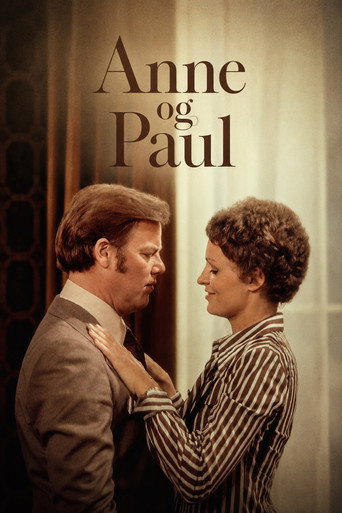
7.3Paul is a calm and sympathetic lawyer who senses from the outset that his wife Anne has found herself a boyfriend. But he doesn't say anything—not until she says something.
Anne og Paul
1975
 6.5
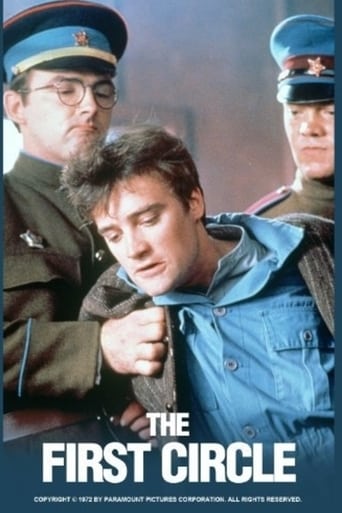
6.5The story of the life of a political prisoner in a Russian gulag. Based on the book by Aleksandr Solzhenitsyn
The First Circle
1973
 7.8
7.8After a stay in a sanatorium due to violent behavior during an arrest, Detective Karl Jørgensen is transferred to the fraud department. Here, Karl discovers a case involving his ex-wife and her new husband. When Karl begins to investigate the case, he is stopped by the police chief. Karl teams up with journalist John Bullnes. They gradually get closer to the truth, but are stopped when a suspect commits suicide. Karl is suspended and Bullnes is sent to Berlin on an assignment. Karl then takes the case into his own hands and arrests the city's mayor and a major contractor.
Copper
1976
1960s · 6 titles
 8.0
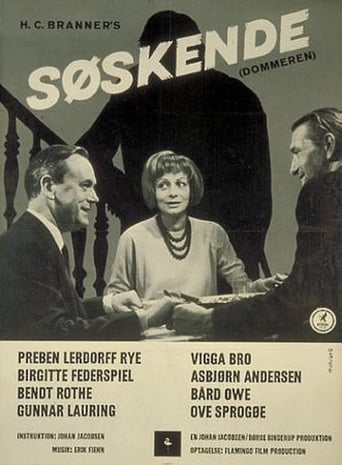
8.0Three siblings see each other again after many years at their father's deathbed. The eldest, Arthur, a lawyer, has everything under control – or so it seems, as the middle child, Irene, is struggling with her abusive husband, while little brother Michael is the outsider, living a sleepless life of booze and prostitutes. When their father is close to death, the three are called together, and a major family drama unfolds in their father's living room. Gradually, they agree that they should stand together instead of arguing about old affairs. But when their sick father suddenly falls down the stairs, it is as if all good intentions fall to the floor again.
Søskende
1966
 6.8
6.8No synopsis available yet.
Cinéastes de notre temps : Carl Th. Dreyer
1965
No synopsis available yet.
Grænseland
1965
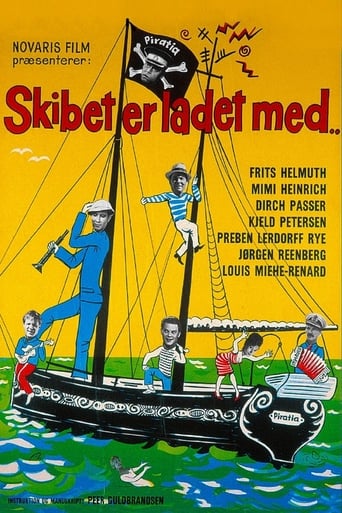 5.2
5.2"The ship is loaded with" four angry young men, an original skipper, a fashion model, a radio station, a pirate flag and various musical instruments. And the ship is at anchor in international waters and can not sail forward or backward. On the other hand it can emit radio advertising, and it does.
Skibet er ladet med..
1960
 6.6
6.6The princess of Illyria, who has rejected all the fine suitors who have proposed to her, begins to take an interest in a gypsy who wanders around near the castle and who is in fact none other than the prince of Denmark with his friend, Kasper Røghat. The prince entices her with his magical toys, a rattle and a copper kettle, the price being a kiss and a night in the princess's chamber. Casper the Dwarf makes sure that the king is informed of the 'affair', and the princess is thrown out by her father.
Der var engang
1966
 6.7
6.7Hans Nielsen Hauge was a Norwegian reformer in the early 1800's both financially and spiritually.
Hans Nielsen Hauge
1961
1950s · 21 titles
7.9The three sons of devout Danish farmer Morten have widely disparate religious beliefs. Youngest son Anders shares his father's religion, but eldest son Mikkel has lost his faith, while middle child Johannes has become delusional and proclaims that he is Jesus Christ himself. When Mikkel's wife, Inger goes into a difficult childbirth, everyone's beliefs are put to the test.
Ordet
1955
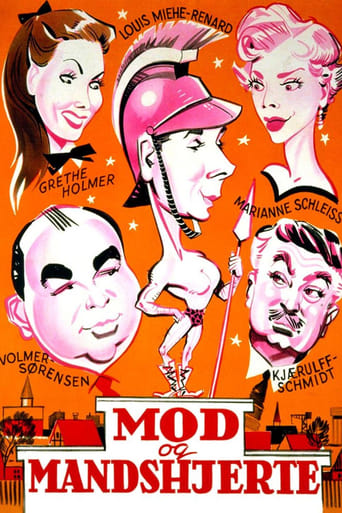 7.0
7.0The young bank assistant Harald Løve is not particularly suited to sharing his name with the king of beasts. At least, courage and decisiveness have not been his strongest qualities thus far; quite the contrary. Løve is a timid man who is afraid of almost everything and everyone, not least his boss, the arrogant and somewhat eccentric provincial director, bank director Nikolajsen.
Mod og mandshjerte
1955
 7.6
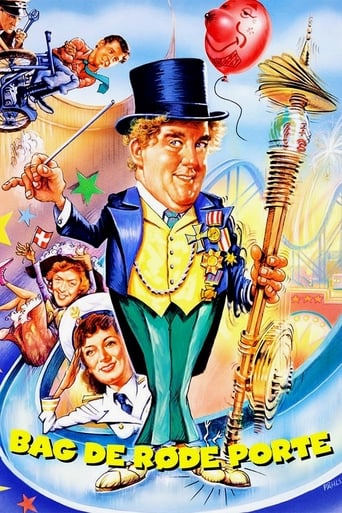
7.6Behind the red gates lies Dyrehaven with the green beeches and the famous zoo hill - the motley world of clowns. Professor Labardi is behind the popular singer pavilion, where his young daughter, Gulnare, performs. After a rainy summer, there is an economic low tide on Bakken, and the family is tempted to seek help from Gulnare's enterprising suitor, Carlo Petersen. But Professor Labardi carries a secret: the clown family has family ties to the fine legal world outside the gates. There is conflict, money transactions, love, hypocrisy and villainous streaks when the fine world and the hill folk meet. Behind the Red Gates is a terrific folk comedy that takes us behind the attractions at the traditional amusement park in Klampenborg.
Behind the red gates
1951
 6.0
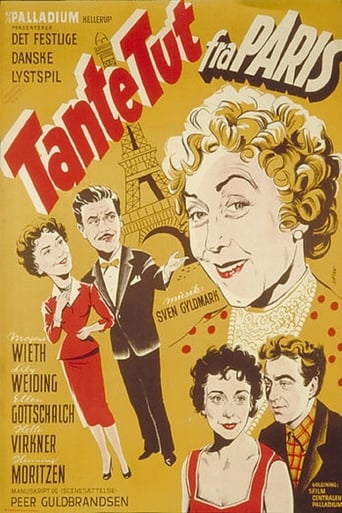
6.0Mogens Wieth is a songwriter who lives beyond his means. He is expecting to inherit a fortune from his Aunt Tut in Paris, who is old and filthy rich. He has been corresponding with her for many years. In reality, Aunt Tut is dead, and it is her daughter who writes the letters. A young singer who wants to ingratiate himself with the songwriter claims that he knows the aunt and that she is coming to Copenhagen. He has persuaded an older actress to play the role of Aunt Tut. Unfortunately, the aunt's charming daughter also arrives in Copenhagen at the same time, setting the stage for costly episodes and amusing complications...
Tante Tut fra Paris
1956
 7.2
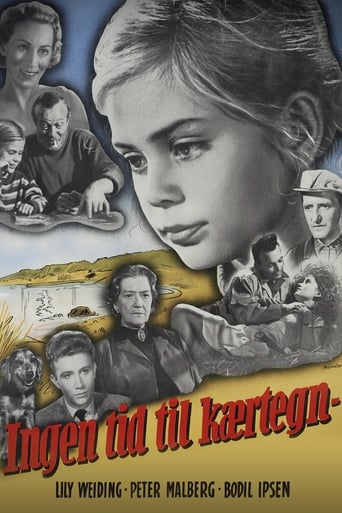
7.2The Danish Ingen tid til Kaertegn (Be Dear to Me) is heavily reliant on the appeal of its star, 8-year-old Eva Cohn. Our heroine is the neglected child of a businessman father and actress mother. Feeling that happiness lies well outside her own backyard, Eva goes on a search for that happiness. The longer she stays away, the more her parents realize that they've unfairly ignored her. The plot is nothing new: it's what is done with it that pleases the eye and ear. Ingen tid til Kaertegn was one of the more popular entries in the 1957 Berlin Film Festival.
Be Dear to Me
1957
 8.0
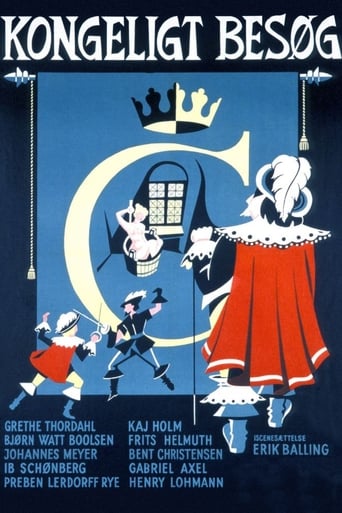
8.0In the year 1646, Denmark is at peace. Only recently have the last occupying troops left Jutland, leaving behind the sad traces of iron heels. The administration has partially collapsed, the kingdom is short of money, and what money there is is unevenly distributed. This is the unusual and sad background to this unpretentious account.
Kongeligt besøg
1954
 6.7
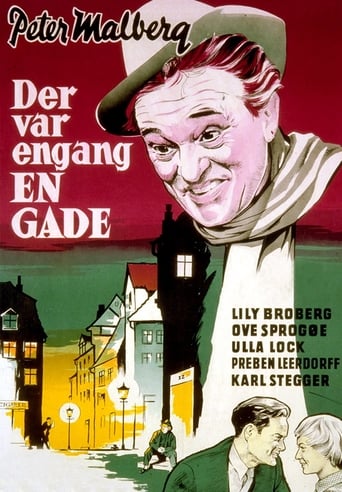
6.7In the charming old Copenhagen neighborhood of Nyboder lives a group of quirky and distinctive characters. Among them is Albertine, who one day is visited by her young niece Ditte, who has run away from a strict upbringing at home. She has fallen in love with her dance teacher Johny, who, however, is not very keen on surrendering to the young woman's charms. Fortunately, circumstances bring the two closer together.
Der var engang en gade
1957
 4.1
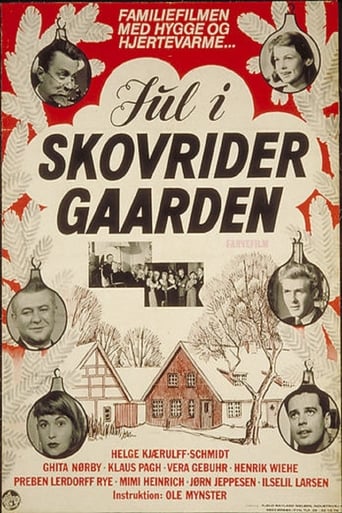
4.1Finn and Claus are best friends and both have a thing for their cute friend Eva. They both go to Copenhagen to study law but Claus would rather study music/piano and takes private lessons and Finn isn't the academic type. Who gets Eva?
Jul i Skovridergaarden
1957
 6.5
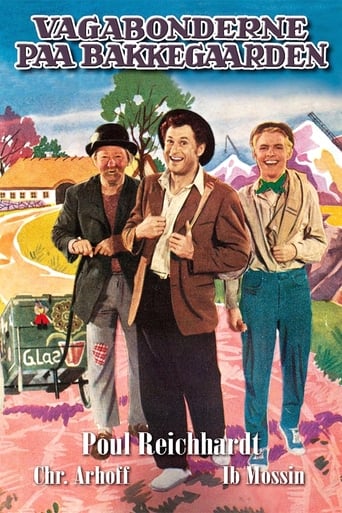
6.5Martin the vagabond is cheerful and musical like few others. Together with his new friend Anders, he sings his way to a meal and a place to sleep. During a performance, Anders meets the daughter of Bakkegaarden, whose mother has been a widow for a long time and may have a past with Martin. But not all the local farmers are equally fond of the two wandering charmers.
Vagabonderne paa Bakkegaarden
1958
 6.0
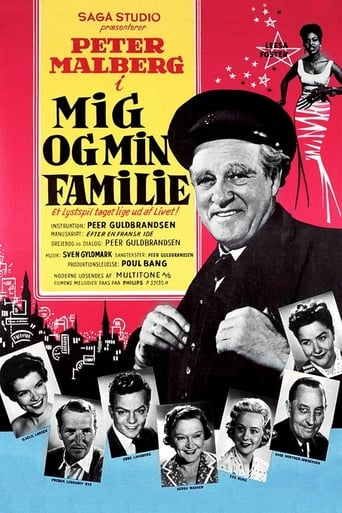
6.0What would you do if you found 20,000 Danish kroner? Just like that? In a woman's purse? And what if no one was looking for it? In other words, if you had the chance to pocket 20,000 Danish kroner, tax-free? Wouldn't you be tempted? The main character in this film is tempted. He is a taxi driver and has a happy family life, but he is struggling financially.
Mig og min familie
1957
 5.9
5.9One day a strange man comes by and, seeing the lonely situation, invites himself in out of the rain. The woman is quietly hospitable and allows him to remain overnight. He stays on the next day and the next day. Pretty soon the woman begins to fall in love.
A Stranger Knocks
1959
 5.1
5.1A film director sends his director and two screenwriters out into the city to find out what a film should contain in order for the person in question to want to see it. This results in many different episodes. The film includes the famous scene where Dirch Passer and Kjeld Petersen wallpaper a room.
Hvad vil De ha'?
1956
 6.3
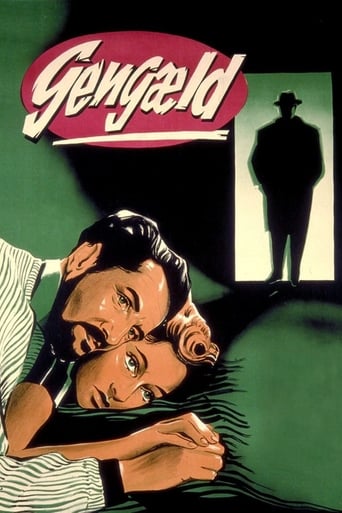
6.3In one of Copenhagen's suburbs stands a large house, a villa-like property. The house is owned by the widow Elise Thomsen, who lives on the ground floor with her adult son, Eigil. Mrs. Thomsen rents out most of the villa. On the first floor lives the author Stefan Donner with his wife Lili and their 9-year-old son, Peter. Donner is talented but poor. The financial pressure on him and his family is getting on his nerves.
Gengæld
1955
 8.3
8.3Among the many guests at the Rebild festival is Andreas Andersen, a man in his early 30s. But he has not come to Denmark to attend the big festival. Seventeen years ago, he was a poor farmhand at "Hovgården," but he fled the country because the farmer's wife, the authoritative Martha Larsen, accused him of a theft that was actually committed by her son, Henrik. Andreas came to America and led a turbulent life here before becoming a farmer and earning a lot of money.
Karen, Maren og Mette
1954
 5.7
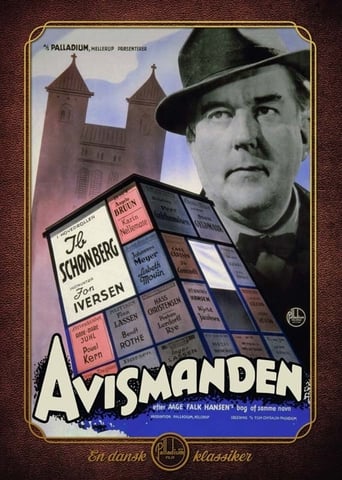
5.7At Vesterbros Torv in Copenhagen, Olsen has his newspaper kiosk. Here comes high and low in society: Homeless, a district attorney with pain in marriage, a barmaid and a writer. They all fight with theirs, while Olsen's good heart makes him interfere in everything he can.
Avismanden
1952
 7.0
7.0Niels Pind is a drunkard who is exploited by some of the town's residents. This comes to an end when his son, Jens, returns from America with a lot of money. Jens buys the local estate and starts extracting gravel from the ground. He quickly gains a bad reputation in the area because he only thinks about money. Niels Pind disowns his son. However, Jens changes as he falls more and more in love with Ingrid.
Sønnen fra Amerika
1957
 7.3
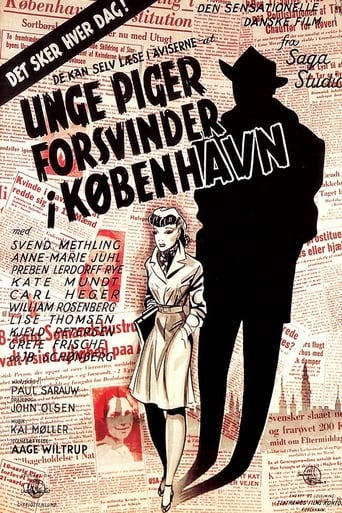
7.3We follow two randomly selected destinies: two young girls whose data could have been taken straight from the police files, which contain so many human documents—many sad, but also many joyful, because a large proportion of those who were initially weak and frivolous are saved from the temptations of the big city.
Unge piger forsvinder i København
1951
 5.2
5.2Jørgen von Hejden is very distinguished, but poor. He is something of a fortune hunter. He dreams of getting rich quick. But his skills are not up to the radio quiz show, so he sticks to gambling, roulette, and dice games. When he marries the beautiful and wealthy Marianne, he also gambles. He has married her for her money! But Marianne is not only wealthy, she is also strong-willed. She inherited this trait from her father, shipowner John Christensen.
Mariannes bryllup
1958
 7.3
7.3Leo Paulsen hires Oscar, who lives south of the border, to drive a transit load to Sweden. Oscar is stopped by customs and arrested. Leo seeks out his boss, Otto Hermansen, who explains that he can help Leo if Leo takes the blame for him—in exchange, Leo is offered a job in Jutland after his release. When Leo is released, Otto wants nothing to do with him: there is no job waiting for him. Together with his uncle, Mads, and the young office lady Ida, Leo plans revenge on Otto Hermansen.
Lyssky transport gennem Danmark
1958
 6.0
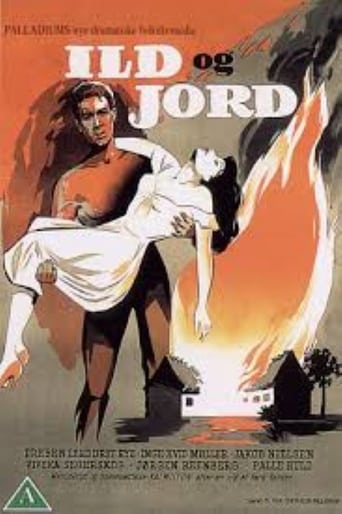
6.0As a young man, Martin married the daughter of the farm, removed his grandfather from the board of directors, and, with his energy and willingness to work, turned the farm around so that it is now the largest and best-maintained farm in the entire region. No one likes being around Martin. Ruthlessness and stubbornness are fundamental elements of his character. He cannot tolerate anyone else around him. His grandfather and wife have long since resigned themselves to the situation, but now something must be done.
Ild og jord
1955
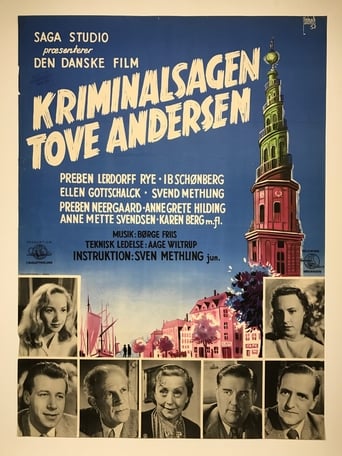 8.0
8.0Tove Andersen's problem ends in Christianshavn's moat, and this is where the film begins. The body has a noose around its neck. The homicide division is called in, and it turns out that shortly before her death, she had undergone an illegal operation. An unscrupulous womanizer had abandoned the young student from the countryside when the relationship had consequences. The doctor rejects her after a beautiful lecture on the sanctity of life, and she must therefore rely on "private" help.
The Tove Andersen Criminal Case
1953
1940s · 12 titles
8.0In a Danish village in the early 1600s, a young woman named Anne, whose mother was thought to be a witch, develops sympathy toward an old woman, Marte, who is accused of witchcraft. The intervention of Anne's older but kindly husband, Pastor Absalon saved her mother -- but now, urged on by his overbearing mother, he refuses to help Marte. When Absalon's son returns home and is attracted to Anne, it's a matter of time before her family destiny catches up with her.
Day of Wrath
1943
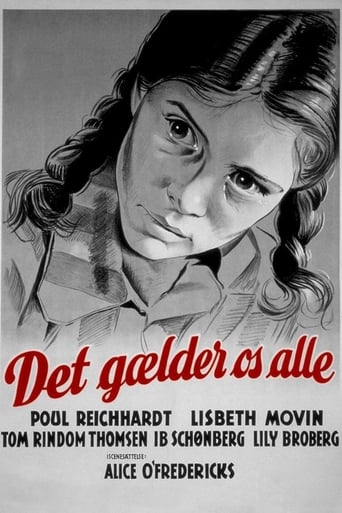 7.0
7.0After World War II, Europe lies in ruins and help is desperately needed everywhere. One person trying to make a difference is Dr. Jørgen Vedel, who travels with the Red Cross to Vienna to vaccinate children. There he meets Leni, a girl who has been to Auschwitz, where she lost her mother. Jørgen arranges for Leni to come to Denmark, where she can start a whole new life.
Det gælder os alle
1949
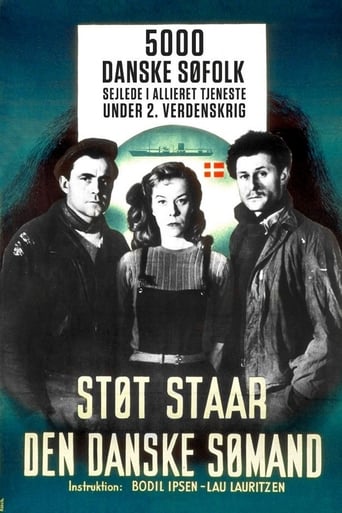 6.0
6.0On the 9th of April 1940, the crew of a Danish merchant ship receives the news of Germany's invasion of Denmark. Instead of returning home, they vote in favor of setting course for England. The crew will undergo much hardship over the next five years ...
The Viking Watch of the Danish Seaman
1948
 6.7
6.7The film could just as well have been called "Where there is room in the heart, there is also room in the house," because it is actually about an old, seasoned people person's solution to the housing problem. He solves it in his own – admittedly unusual – way, but he solves it! Had he been a little more discreet, his invention would never have been discovered – and he could have lived the rest of his life carefree. But this experienced judge of character – whom we call "the Professor" – had one major flaw: his overly big heart for the small and unfortunate members of society in general and the homeless in particular. It is this unfortunate heart that sets the film in motion and accelerates the events.
Det hændte i København
1949
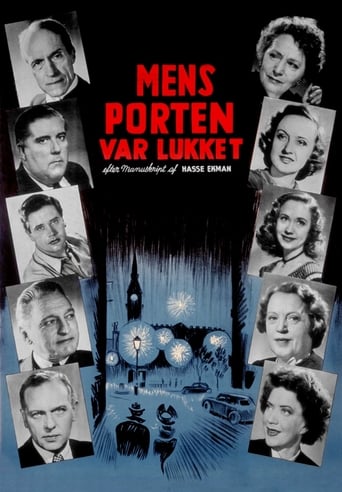 7.0
7.0The film depicts a series of events that take place in a Copenhagen apartment building while the gate is closed, specifically between 10 p.m. and 7 a.m., and we encounter a number of human destinies, happy and unhappy, just as in real life.
While the Gate was Locked
1948
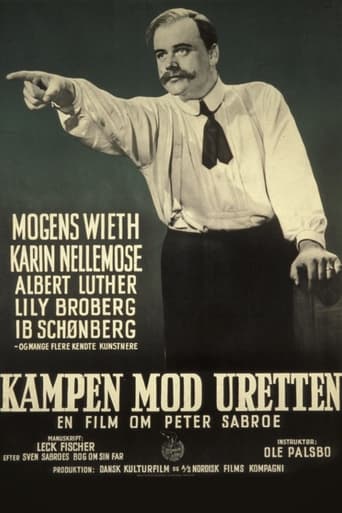 6.2
6.2Depiction of the social democratic activist and politician Peter Sabroe, who in the time around the turn of the century went to fight for the oppressed, oppressed and abused existences.
Kampen mod uretten
1949
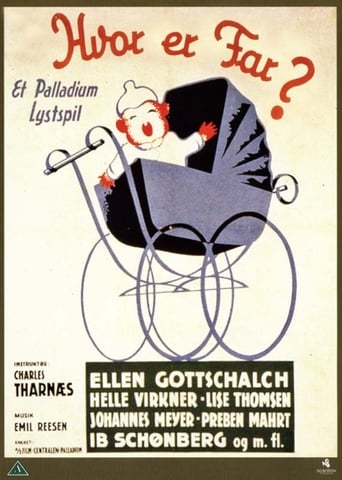 7.0
7.0Manufacturer Mads Juehl, who together with his partner Møller owns the pram factory "Fortuna", is a man with an appreciation for life's many small pleasures. Despite the fact that the company's foundations are gradually becoming unstable, he does not deny himself large personal expenses, and Møller is keen to sell his share in the company. However, his friendly feelings for Juehl keep him tied to the company, and the young clerk, Victor Pethersen, believes that the company now needs to undergo a rejuvenation process.
Hvor er Far
1948
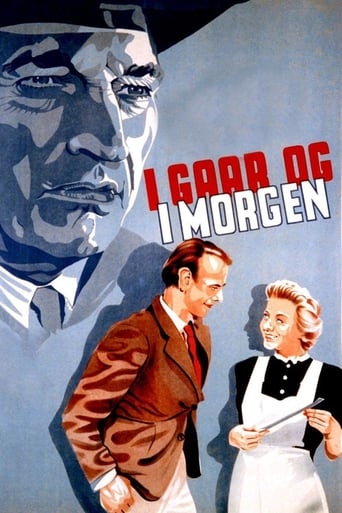 7.3
7.3Director Albrechtsen, who heads a large construction company, is a tough and ruthless businessman. He does not shy away from dubious transactions when they serve his interests, and it is precisely on this basis that he comes into sharp conflict with his employee of many years, civil engineer Humlegaard, and the conflict leads to Humlegaard leaving the company. In the film, we now follow the far-reaching consequences of Albrechtsen's brutal actions.
I gaar og i morgen
1945
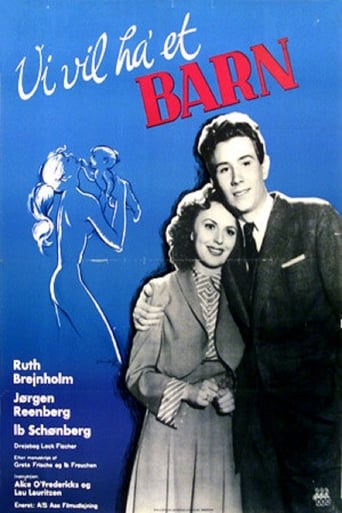 6.7
6.7Else and her husband want a child but Else can't have one following an abortion performed before she got married. When Jytte, her friend, a salesgirl who is the mistress of a married man, tells her she is pregnant, Else thinks she has worked things out: along with her husband she will adopt the unwanted child. But things turn out differently since Jytte decides to keep the newborn the moment she sets eyes on it.
We Want a Child
1949
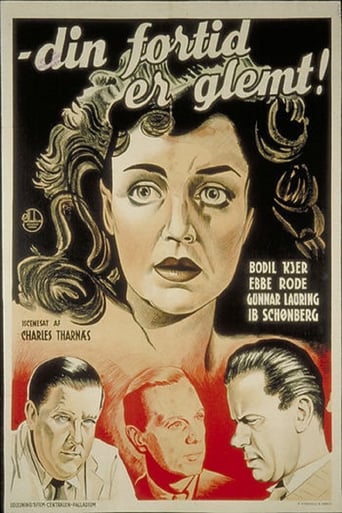 6.7
6.7Paul a young, newlywed writer returns home from abroad with his sweet, young wife, Anna, whom he has met in the South of France. After their honeymoon Poul is looking forward to start his new job as a screenwriter.
Din fortid er glemt
1949
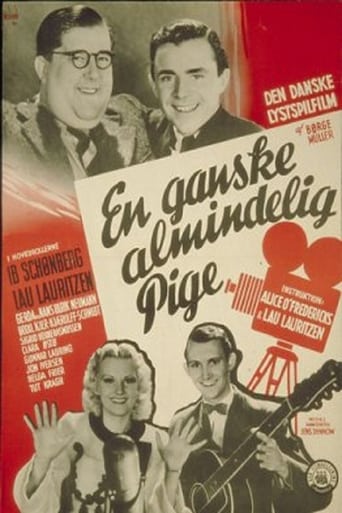 7.5
7.5Tove (Bodil Kjer) is a modest and ordinary girl dreaming of winning the competition to become the next big movie star. She applies with a photo of her more beautiful sister Grete (Gerda Neumann). The competition, however, is already rigged.
En ganske almindelig pige
1940
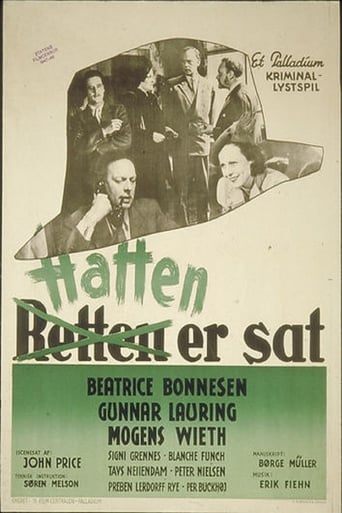 5.5
5.5Detective Peter Smeth and his young and charming wife, Louise, visit Magasin Heiberg, where, at his wife's express request, he is to buy himself a new hat. He is not amused by the idea, but there is no getting out of it. Suddenly, however, an event occurs that causes the couple to change their minds. The daughter of the store's owner, Inge Heiberg, is found unconscious in the store's courtyard, and Peter and Louise rush to her aid. The fainting spell turns out to be shrouded in mystery.
Hatten er sat
1947
Series credits
8.5A mini series based upon the book by Hans Kirk. A classic television drama and a delightful series about life in a remote community on the west coast in a bygone era. A group of fishermen and their families move across the fjord and settle in a small community. Here they thrive and become more and more established, setting the standard for how life should be lived. But not everyone in the families wants to live in this community and tries to break out.
The Fishermen
1977
10.0No synopsis available yet.
Ludvigsbakke
1978
No synopsis available yet.
Opfinderkontoret
1982