

Directing
Frank Hurley
Born — Died
1885-10-15 — 1962-01-16
Place of birth
Glebe, Sydney, New South Wales, Australia
Known for
Directing
Credits
50 titles
James Francis "Frank" Hurley (1885–1962) was an Australian photographer and filmmaker. He served as the official cinematographer on multiple polar expeditions, capturing raw footage that resulted in early documentary films such as Home of the Blizzard (1913) and South (1919). Hurley also worked as an official military photographer and cinematographer during both WWI and WWII, documenting campaigns across Europe, the Middle East, and North Africa. His broader filmography includes directing ethnographic documentaries and serving as a principal cinematographer on Australian narrative feature films.
Known for
 7.0
7.0A century after Shackleton's Endurance sank beneath the ice, explorers uncover the legendary shipwreck and an amazing tale of survival.
Endurance
2024
 7.3
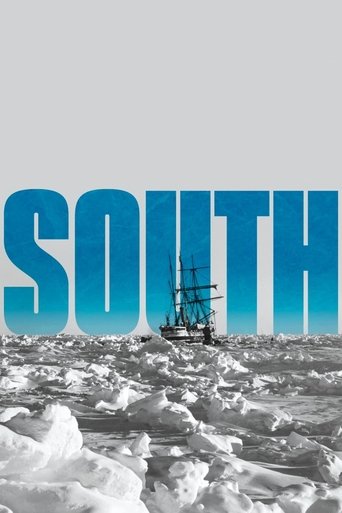
7.3The story of the 1914-1916 Antarctic exploration mission of Sir Ernest Shackleton.
South
1919
Commissioned to promote South Australia's 100th anniversary, this film documents the landscape, rural industries and Indigenous people throughout Central Australia and the Northern Territory. Following a route from Port Lincoln to Alice Springs, it shows iron-ore mines, cattle stations, the MacDonnell Ranges, and contrasting ethnographic footage of communities maintaining traditional ways of life in Palm Valley and those living within the Hermannsburg Mission. It was produced as a wilderness companion to the urban-focused film, Here is Paradise.
Oasis
1936
A short newsreel capturing active siege conditions, daily frontline trench life, and material destruction in Tobruk, Libya, during World War II. Guided by a firsthand account of the embedded war correspondent Jan H Yindrich, this film highlights the reality of the Allied forces defending the blockaded port city.
Inside Tobruk
1941
Filmed over six years, this documentary records the daily life, cultural traditions, wartime impacts, landscape and reconstruction across the Middle East and North Africa during WWII. Some locations include: Cairo markets, the Nile, the pyramids, Khartoum in the Sudan, and the liberation of Cyrenaica.
Mid-East
1945
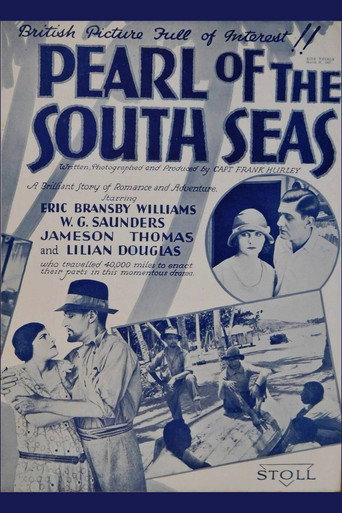
Englishman Martin South (Eric Bransby Williams) is leading an expedition into the Dutch New Guinea hinterland to search for gold, being joined by George Mardyke (Jameson Thomas), who he thinks is his friend. The expedition is attacked by headhunters and Mardyke leaves Martin for dead so he can pursue the latter's fiancee, Eleanor (Lillian Douglas), the daughter of a plantation manager. Meanwhile, Martin is nursed back to health by native girl, Hurana (Grace Savieri), who falls in love with him and helps him escape from some angry natives. Hurana is bitten by a snake and dies, and Martin arrives back to civilisation in time to rescue Eleanor from Mardyke. Was partially filmed back to back on Thursday Island with 'The Hounds of The Deep'
Jungle Woman
1926
Film credits
1930s · 6 titles
 NR
NRDirected and filmed by Frank Hurley for Cinesound, this short industrial documentary captures the realities of 1930s mining in Broken Hill. This film opens with dramatised historical re-enactments of Captain Charles Sturt’s 1844 expedition and Charles Rasp’s 1883 silver lode discovery. Utilising extensive cable networks and specialised camera filters to overcome extreme dark and heat, Hurley takes his camera 2,000 ft below the surface. The footage captures miners drilling rock, pit ponies hauling ore cars, and an explosive rock blasting arrangement. Above ground, it documents men operating heavy machinery to extract zinc, lead, and silver deposits, and the refining of the raw minerals.
Silver City
1936
An Australian travelogue documenting the landscapes, rodent-control efforts, local community and workers on Lord Howe Island.
Jewel of the Pacific
1932
 10.0
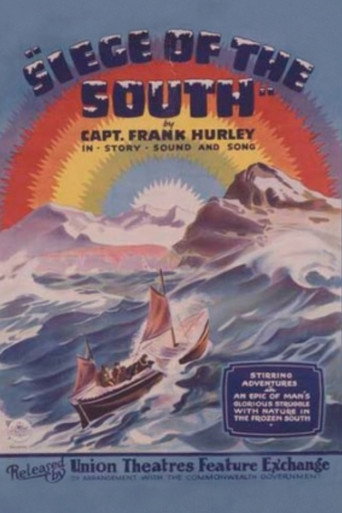
10.0Siege of the South is a 1931 Australian documentary film by Frank Hurley. It featured Douglas Mawson. It was based on footage taken on the BANZ Expedition to Antarctica in 1930–31. The film debuted in Brisbane in 1931.
Siege of the South
1930
A short documentary showing the construction and opening of the Sydney Harbour Bridge. Narrated by Frank Hurley, it also features aerial views and scenic locations around Sydney. This film is believed to be lost.
A Symphony in Steel
1932
This short travel documentary showcases the natural landscapes, water systems, and historic sites of Tasmania. Produced on behalf of the Australian National Travel Association, it serves to promote regional tourism by illustrating the area's scenic and industrial appeal.
Isle of Many Waters
1939
 NR
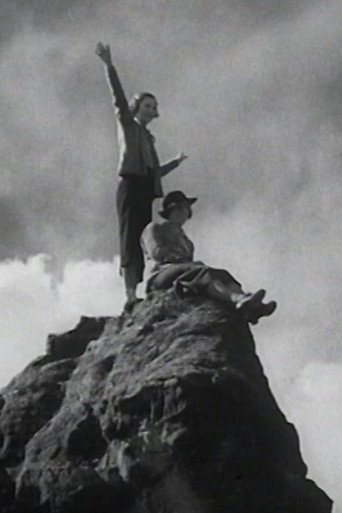
NRCommissioned to promote tourism, this dramatised travelogue follows couple Jack and Jill as they travel from Sydney to the Blue Mountains in search of a hidden £500 cheque. Accompanied by a group of fellow participants, their quest takes them across the landmarks of Katoomba.
Treasures of Katoomba
1936
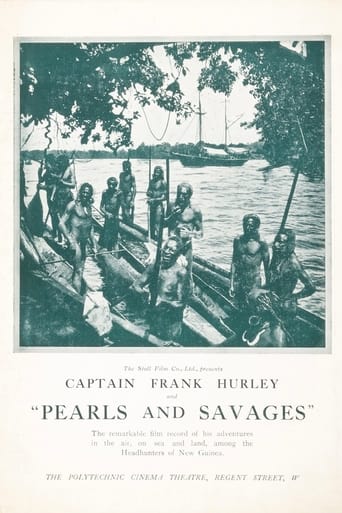
Behind the camera
7.3The story of the 1914-1916 Antarctic exploration mission of Sir Ernest Shackleton.
South
1919
Commissioned to promote South Australia's 100th anniversary, this film documents the landscape, rural industries and Indigenous people throughout Central Australia and the Northern Territory. Following a route from Port Lincoln to Alice Springs, it shows iron-ore mines, cattle stations, the MacDonnell Ranges, and contrasting ethnographic footage of communities maintaining traditional ways of life in Palm Valley and those living within the Hermannsburg Mission. It was produced as a wilderness companion to the urban-focused film, Here is Paradise.
Oasis
1936
Commissioned to promote South Australia's 100th anniversary, this film documents the landscape, rural industries and Indigenous people throughout Central Australia and the Northern Territory. Following a route from Port Lincoln to Alice Springs, it shows iron-ore mines, cattle stations, the MacDonnell Ranges, and contrasting ethnographic footage of communities maintaining traditional ways of life in Palm Valley and those living within the Hermannsburg Mission. It was produced as a wilderness companion to the urban-focused film, Here is Paradise.
Oasis
1936
A short newsreel capturing active siege conditions, daily frontline trench life, and material destruction in Tobruk, Libya, during World War II. Guided by a firsthand account of the embedded war correspondent Jan H Yindrich, this film highlights the reality of the Allied forces defending the blockaded port city.
Inside Tobruk
1941
Filmed over six years, this documentary records the daily life, cultural traditions, wartime impacts, landscape and reconstruction across the Middle East and North Africa during WWII. Some locations include: Cairo markets, the Nile, the pyramids, Khartoum in the Sudan, and the liberation of Cyrenaica.
Mid-East
1945
Filmed over six years, this documentary records the daily life, cultural traditions, wartime impacts, landscape and reconstruction across the Middle East and North Africa during WWII. Some locations include: Cairo markets, the Nile, the pyramids, Khartoum in the Sudan, and the liberation of Cyrenaica.
Mid-East
1945
Englishman Martin South (Eric Bransby Williams) is leading an expedition into the Dutch New Guinea hinterland to search for gold, being joined by George Mardyke (Jameson Thomas), who he thinks is his friend. The expedition is attacked by headhunters and Mardyke leaves Martin for dead so he can pursue the latter's fiancee, Eleanor (Lillian Douglas), the daughter of a plantation manager. Meanwhile, Martin is nursed back to health by native girl, Hurana (Grace Savieri), who falls in love with him and helps him escape from some angry natives. Hurana is bitten by a snake and dies, and Martin arrives back to civilisation in time to rescue Eleanor from Mardyke. Was partially filmed back to back on Thursday Island with 'The Hounds of The Deep'
Jungle Woman
1926
Englishman Martin South (Eric Bransby Williams) is leading an expedition into the Dutch New Guinea hinterland to search for gold, being joined by George Mardyke (Jameson Thomas), who he thinks is his friend. The expedition is attacked by headhunters and Mardyke leaves Martin for dead so he can pursue the latter's fiancee, Eleanor (Lillian Douglas), the daughter of a plantation manager. Meanwhile, Martin is nursed back to health by native girl, Hurana (Grace Savieri), who falls in love with him and helps him escape from some angry natives. Hurana is bitten by a snake and dies, and Martin arrives back to civilisation in time to rescue Eleanor from Mardyke. Was partially filmed back to back on Thursday Island with 'The Hounds of The Deep'
Jungle Woman
1926
Englishman Martin South (Eric Bransby Williams) is leading an expedition into the Dutch New Guinea hinterland to search for gold, being joined by George Mardyke (Jameson Thomas), who he thinks is his friend. The expedition is attacked by headhunters and Mardyke leaves Martin for dead so he can pursue the latter's fiancee, Eleanor (Lillian Douglas), the daughter of a plantation manager. Meanwhile, Martin is nursed back to health by native girl, Hurana (Grace Savieri), who falls in love with him and helps him escape from some angry natives. Hurana is bitten by a snake and dies, and Martin arrives back to civilisation in time to rescue Eleanor from Mardyke. Was partially filmed back to back on Thursday Island with 'The Hounds of The Deep'
Jungle Woman
1926
NRDirected and filmed by Frank Hurley for Cinesound, this short industrial documentary captures the realities of 1930s mining in Broken Hill. This film opens with dramatised historical re-enactments of Captain Charles Sturt’s 1844 expedition and Charles Rasp’s 1883 silver lode discovery. Utilising extensive cable networks and specialised camera filters to overcome extreme dark and heat, Hurley takes his camera 2,000 ft below the surface. The footage captures miners drilling rock, pit ponies hauling ore cars, and an explosive rock blasting arrangement. Above ground, it documents men operating heavy machinery to extract zinc, lead, and silver deposits, and the refining of the raw minerals.
Silver City
1936
NRDirected and filmed by Frank Hurley for Cinesound, this short industrial documentary captures the realities of 1930s mining in Broken Hill. This film opens with dramatised historical re-enactments of Captain Charles Sturt’s 1844 expedition and Charles Rasp’s 1883 silver lode discovery. Utilising extensive cable networks and specialised camera filters to overcome extreme dark and heat, Hurley takes his camera 2,000 ft below the surface. The footage captures miners drilling rock, pit ponies hauling ore cars, and an explosive rock blasting arrangement. Above ground, it documents men operating heavy machinery to extract zinc, lead, and silver deposits, and the refining of the raw minerals.
Silver City
1936
NRDirected and filmed by Frank Hurley for Cinesound, this short industrial documentary captures the realities of 1930s mining in Broken Hill. This film opens with dramatised historical re-enactments of Captain Charles Sturt’s 1844 expedition and Charles Rasp’s 1883 silver lode discovery. Utilising extensive cable networks and specialised camera filters to overcome extreme dark and heat, Hurley takes his camera 2,000 ft below the surface. The footage captures miners drilling rock, pit ponies hauling ore cars, and an explosive rock blasting arrangement. Above ground, it documents men operating heavy machinery to extract zinc, lead, and silver deposits, and the refining of the raw minerals.
Silver City
1936
 8.0
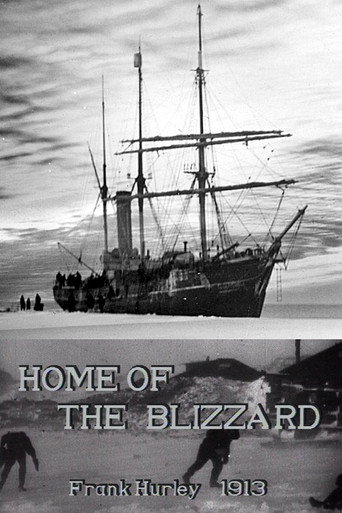
8.0Serving as the official record of Sir Douglas Mawson's Australasian Antarctic Expedition (AAE), this film records the 600-mile expedition to the Magnetic South Pole between December 1911 and March 1913. It documents the SY Aurora's departure from Hobart, wildlife at Macquarie Island and Cape Denison, the building of Mawson's Huts, and the daily hardships endured by the team. As one of the world's earliest surviving feature-length documentaries, the footage stands as a foundational milestone in polar cinematography and non-fiction filmmaking.
Home of the Blizzard
1913
8.0Serving as the official record of Sir Douglas Mawson's Australasian Antarctic Expedition (AAE), this film records the 600-mile expedition to the Magnetic South Pole between December 1911 and March 1913. It documents the SY Aurora's departure from Hobart, wildlife at Macquarie Island and Cape Denison, the building of Mawson's Huts, and the daily hardships endured by the team. As one of the world's earliest surviving feature-length documentaries, the footage stands as a foundational milestone in polar cinematography and non-fiction filmmaking.
Home of the Blizzard
1913
 NR
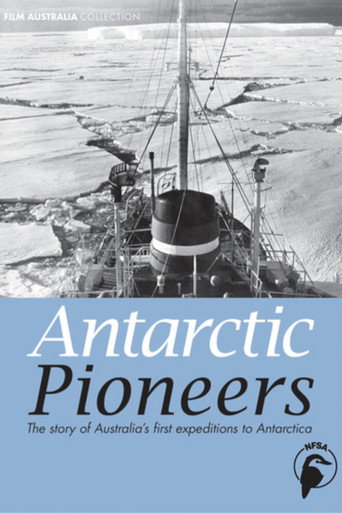
NRPresented by explorer Frank Hurley in his final film appearance, this documentary chronicles Australia's role in the scientific exploration of Antarctica and the hardships the pioneers endured. Using archival footage, this film spans from 1911, following Sir Douglas Mawson's first expedition, to Phillip Law establishing the continent's first permanent research station in 1954.
Antarctic Pioneers
1963
A short film documenting the massive Allied overland operation managed by PAIFORCE (Persia and Iraq force) during WWII. This film captures the brutal conditions faced by the convoys as they transport oil and military supplies from the Persian Gulf to Russia, tracking their 1,200 mile journey across the desert heat, snow and mountain passes.
The Road to Russia
1944
 NR
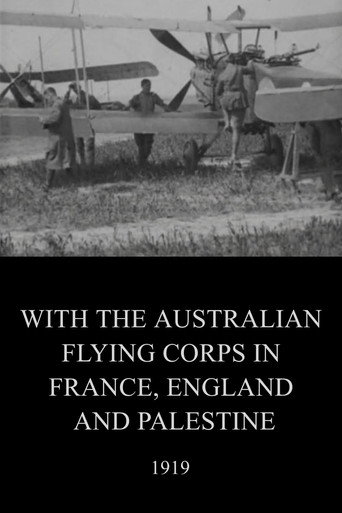
NRA silent documentary showing the pilots, mechanics and operations of the Australian Flying Corps. It highlights military aviation activities across France, Palestine and England during and immediately after the First World War.
With the Australian Flying Corps in France, England and Palestine
1919
 7.0
7.0To claim his inheritance, John Strong travels to Thursday Island with an ultimatum to locate a valuable pearl within two years. If he fails, his late uncle's pearling station will be forfeited to a rival pearler, "Black" Darley.
The Hound of the Deep
1926
7.0To claim his inheritance, John Strong travels to Thursday Island with an ultimatum to locate a valuable pearl within two years. If he fails, his late uncle's pearling station will be forfeited to a rival pearler, "Black" Darley.
The Hound of the Deep
1926
7.0To claim his inheritance, John Strong travels to Thursday Island with an ultimatum to locate a valuable pearl within two years. If he fails, his late uncle's pearling station will be forfeited to a rival pearler, "Black" Darley.
The Hound of the Deep
1926
 NR
NRThis silent travelogue chronicles Francis Birtles' and Frank Hurley's 6,000-mile motorized expedition through the unmapped Australian wilderness. Filmed over four months in 1914, it serves as a historic natural and ethological study across Central Queensland, the Gulf of Carpentaria, and the Northern Territory. The surviving written records detail outback landscapes, swamps, and water-lily lagoons. In addition to flora, it extensively records fauna including crocodiles, alligators, snakes, wallabies, wild boars, camel teams, lizards, pelicans, and various bird species. This documentary also provides footage of Indigenous people and their practices, capturing ceremonial dances, fish spearing, hunting methods, traditional corroborees and a native tree burial. This film is considered entirely lost.
Australia's Unknown
1915
 NR
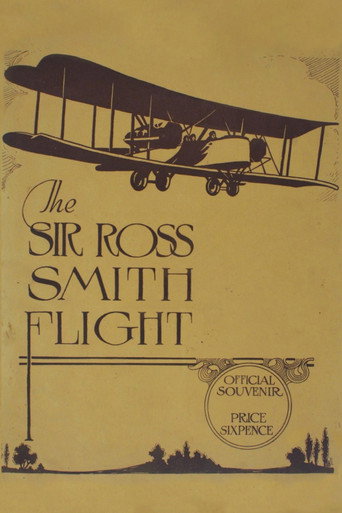
NRA silent documentary of Australian aviators Ross and Keith Smith making their historic 1919 flight from England to Australia, captured on the final legs of the journey by filmmaker Frank Hurley.
Ross Smith’s Flight from London to Australia
1920
This industrial short film provides a visual survey of the local timber industry, documenting the scale, infrastructure, and manufacturing pipelines of the pine plantations across New Zealand's North Island volcanic plateau. It follows the lifecycle of the forest from seedlings to maturity across 170,000 acres, and explores the commercial utilisation of wood pulp, detailing its transition into consumer goods like plastics, textiles, and structural materials for construction.
The Keeper of the Trees
1937
A short wartime propaganda film documenting the initial progress of the AIF 6th Division during the Western Desert Campaign of WWII. The film records the rapid allied advance across the desert before the fall of Bardia. Released as a "newsreel scoop", it was heavily cut down beforehand as the government prioritised fast-paced propaganda over Hurley's cinematic approach. Some of this cut footage was later distributed into global newsreels, such as British Pathé's "Rapid Advance in Libya".
Advance to Libya
1941
 NR
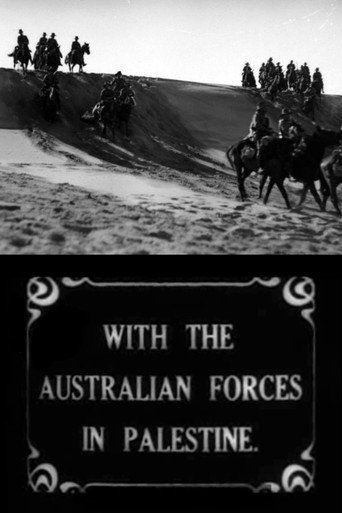
NRA silent actuality documentary compiling footage captured by official war photographer Frank Hurley during the Sinai and Palestine Campaign of World War I. The film documents key military milestones from 1916 to 1918, including the capture of Beersheba, the Australian Light Horse maneuvers, and General Allenby's historic entry into Jerusalem. It serves as a historical archival record of tactical transport logistics and the Allied forces' push toward Damascus.
With the Australian forces in Palestine
1919
An Australian travelogue documenting the landscapes, rodent-control efforts, local community and workers on Lord Howe Island.
Jewel of the Pacific
1932
 NR
NRThis promotional travelogue showcases the Great Barrier Reef as an ideal holiday destination, taking viewers on a tour of its scenic islands. The film highlights the natural environment and wildlife, featuring newly hatched chicks nesting in the bush, newborn turtles making their trek from the sand to the sea, traditional spear fishing, and underwater scenes capturing the diverse marine life.
Follow the Sun
1938
NRThis promotional travelogue showcases the Great Barrier Reef as an ideal holiday destination, taking viewers on a tour of its scenic islands. The film highlights the natural environment and wildlife, featuring newly hatched chicks nesting in the bush, newborn turtles making their trek from the sand to the sea, traditional spear fishing, and underwater scenes capturing the diverse marine life.
Follow the Sun
1938
 NR
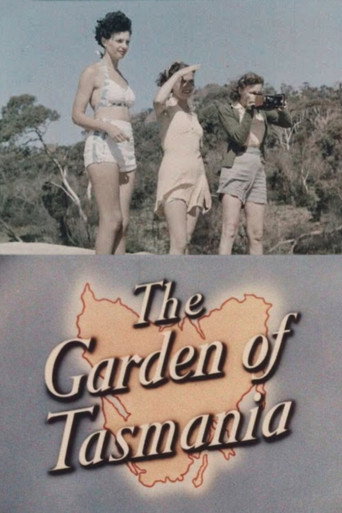
NRA post-war travelogue capturing landscapes, national parks and key industries of Tasmania. The film highlights popular holiday destinations ranging from the shores of the Freycinet Peninsula and lakes surrounding Cradle Mountain, to key trades such as the region's agricultural farmlands, timber logging, and apple orchards.
The Garden of Tasmania
1951
10.0Siege of the South is a 1931 Australian documentary film by Frank Hurley. It featured Douglas Mawson. It was based on footage taken on the BANZ Expedition to Antarctica in 1930–31. The film debuted in Brisbane in 1931.
Siege of the South
1930
 NR
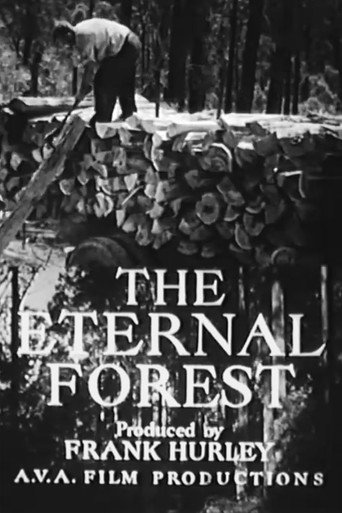
NRCommissioned by Australian Paper Manufacturers, this documentary shows the process of paper manufacturing in the Boola Boola State Forest region of Gippsland, Victoria. It chronicles sustainable forestry methods and logging procedures alongside the replanting of seedling pines for future generation use. It features the residential area of Traralgon, the manufacturing process at the Maryvale Mill, and the everyday use of the final products.
The Eternal Forest
1950
NRCommissioned by Australian Paper Manufacturers, this documentary shows the process of paper manufacturing in the Boola Boola State Forest region of Gippsland, Victoria. It chronicles sustainable forestry methods and logging procedures alongside the replanting of seedling pines for future generation use. It features the residential area of Traralgon, the manufacturing process at the Maryvale Mill, and the everyday use of the final products.
The Eternal Forest
1950
A short documentary showing the construction and opening of the Sydney Harbour Bridge. Narrated by Frank Hurley, it also features aerial views and scenic locations around Sydney. This film is believed to be lost.
A Symphony in Steel
1932
This short travel documentary showcases the natural landscapes, water systems, and historic sites of Tasmania. Produced on behalf of the Australian National Travel Association, it serves to promote regional tourism by illustrating the area's scenic and industrial appeal.
Isle of Many Waters
1939
NRCommissioned to promote tourism, this dramatised travelogue follows couple Jack and Jill as they travel from Sydney to the Blue Mountains in search of a hidden £500 cheque. Accompanied by a group of fellow participants, their quest takes them across the landmarks of Katoomba.
Treasures of Katoomba
1936
NRCommissioned to promote tourism, this dramatised travelogue follows couple Jack and Jill as they travel from Sydney to the Blue Mountains in search of a hidden £500 cheque. Accompanied by a group of fellow participants, their quest takes them across the landmarks of Katoomba.
Treasures of Katoomba
1936
An industrial documentary commissioned by the State Electricity Commission of Victoria, this film chronicles the engineering and mining operations at Yallourn. It follows open-cut mining methods, industrial power generation, briquette manufacturing, and the infrastructure of the planned employee township. Introduced in April 1936, the standalone short film served as a long-term educational tool in schools, then was later expanded into a four part miniseries in 1949.
Pageant of Power
1936
 7.0
7.0At a picnic to celebrate Australia's 150th 'birthday', a family discusses significant events that shaped the nation. From re-enacting the arrival of the First Fleet and the birth of John Macarthur's wool-producing enterprise, the film then turns to the present, focusing on rural production, industrial efficiency and the splendid urban landscape of Sydney. As the introductory title grandly proclaims: "From so small a beginning has sprung the virile Australian Nation." Frank Hurley, at the peak of his fame as a photographer, film maker and adventurer, was the obvious choice to direct the film and he delivered spectacular imagery and patriotic commentary with gusto.
A Nation is Built
1938
7.0At a picnic to celebrate Australia's 150th 'birthday', a family discusses significant events that shaped the nation. From re-enacting the arrival of the First Fleet and the birth of John Macarthur's wool-producing enterprise, the film then turns to the present, focusing on rural production, industrial efficiency and the splendid urban landscape of Sydney. As the introductory title grandly proclaims: "From so small a beginning has sprung the virile Australian Nation." Frank Hurley, at the peak of his fame as a photographer, film maker and adventurer, was the obvious choice to direct the film and he delivered spectacular imagery and patriotic commentary with gusto.
A Nation is Built
1938
An industrial short film documenting metallurgical smelting and refining processes at the Port Pirie works in South Australia. Serving as the immediate companion film to 1936's "Silver City" it follows the arrival of raw silver-lead concentrates by rail before moving through automated roasting plants and active blast furnaces. The documentary finishes behind the locked doors of the high-security silver and gold rooms, showcasing the final creation of pure bullion bars.
Vulcan's Crucible
1937