
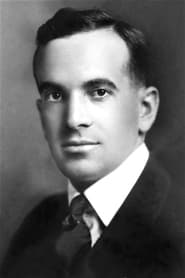
Acting
Al Jolson
Born — Died
1886-05-26 — 1950-10-23
Place of birth
Sredniki, Kovno Governorate, Russian Empire [now Seredžius, Lithuania]
Known for
Acting
Credits
46 titles
From Wikipedia, the free encyclopedia Al Jolson (born Asa Yoelson; May 26, 1886 – October 23, 1950) was a Lithuanian-born American singer, comedian, actor, and vaudevillian. In his heyday, he was dubbed "The World's Greatest Entertainer". He was born in the Russian Empire (the part of which is now in Lithuania) and emigrated to America at the age of five with his Jewish parents. His performing style was brash and extroverted, and he popularized a large number of songs that benefited from his "shamelessly sentimental, melodramatic approach". Numerous well-known singers were influenced by his music, including Bing Crosby Judy Garland, rock and country entertainer Jerry Lee Lewis, and Bob Dy…
Known for
 5.6
5.6The South Bank Show is a television arts magazine show produced by ITV between 1978 and 2010. A new series began on Sky Arts from 27 May 2012. Presented by Melvyn Bragg, the show aims to bring both high art and popular culture to a mass audience.
The South Bank Show
1978
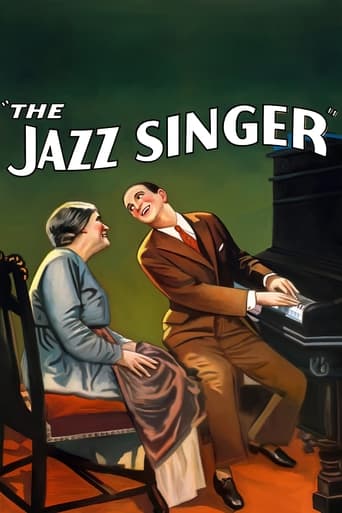 6.1
6.1A young Jewish man is torn between tradition and individuality when his old-fashioned family objects to his career as a jazz singer. This is the first full length feature film to use synchronized sound, and is the original film musical.
The Jazz Singer
1927
 7.7
7.7A look at the life and work of Charlie Chaplin in his own words featuring an in-depth interview he gave to Life magazine in 1966.
The Real Charlie Chaplin
2021
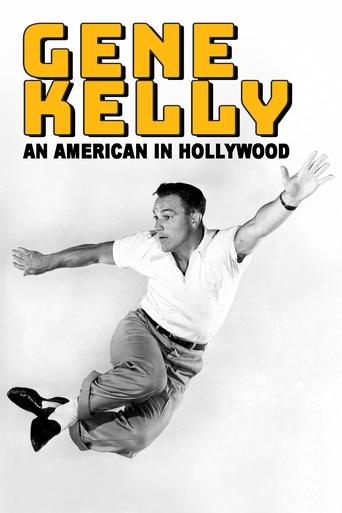 6.5
6.5Gene Kelly is a legend of the heyday of the Hollywood musical. His name stands for masterpieces such as "Singin' in the Rain" and "An American in Paris". As a singer, dancer, actor, choreographer and director, he was a true all-round artist who revolutionized the world of dance in particular. Kelly, who loved to experiment, explored new forms of dance expression and helped a whole generation of young talents to fame. From his beginnings in cabarets and on Broadway to his recognition as a choreographer and director, the documentary shows how the good-looking star with a charming smile expanded the boundaries of dance expression: He danced in the open air in the streets of New York, with a cartoon character or his own reflection. But this dazzling entertainer image should not obscure the fact that Kelly, as a staunch supporter of the American civil rights movement, also saw dancing as a political statement.
Gene Kelly: An American in Hollywood
2025
 6.3
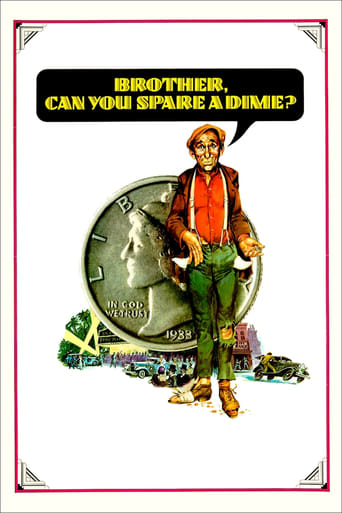
6.3Period music, film clips and newsreel footage combined into a visual exploration of the American entertainment industry during the Great Depression.
Brother, Can You Spare a Dime?
1975
 6.6
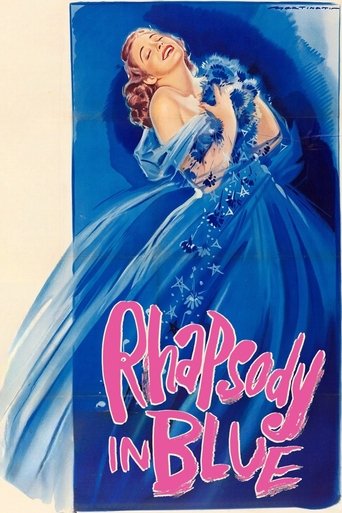
6.6Fictionalized biography of George Gershwin and his fight to bring serious music to Broadway.
Rhapsody in Blue
1945
Film credits
2020s · 5 titles
7.7A look at the life and work of Charlie Chaplin in his own words featuring an in-depth interview he gave to Life magazine in 1966.
The Real Charlie Chaplin
2021
6.5Gene Kelly is a legend of the heyday of the Hollywood musical. His name stands for masterpieces such as "Singin' in the Rain" and "An American in Paris". As a singer, dancer, actor, choreographer and director, he was a true all-round artist who revolutionized the world of dance in particular. Kelly, who loved to experiment, explored new forms of dance expression and helped a whole generation of young talents to fame. From his beginnings in cabarets and on Broadway to his recognition as a choreographer and director, the documentary shows how the good-looking star with a charming smile expanded the boundaries of dance expression: He danced in the open air in the streets of New York, with a cartoon character or his own reflection. But this dazzling entertainer image should not obscure the fact that Kelly, as a staunch supporter of the American civil rights movement, also saw dancing as a political statement.
Gene Kelly: An American in Hollywood
2025
 8.0
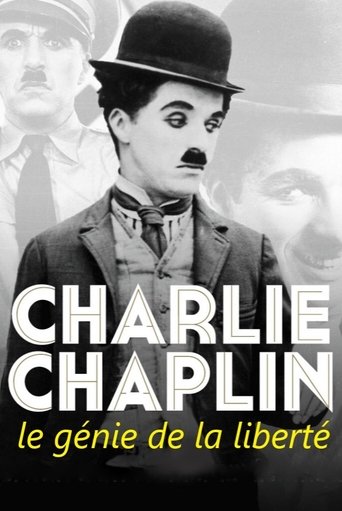
8.0The whole world knows him. Burlesque comedy genius, popular actor, author, director, producer, composer, choreographer, Charlie Chaplin (1889-1977) used his talent to serve an ideal of justice and freedom. But his best scenario was his own destiny, a story written into the political and artistic history of the 20th century.
Charlie Chaplin, The Genius of Liberty
2020
 NR
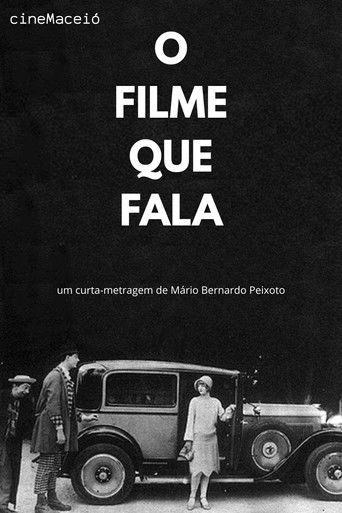
NRA documentary about the production of the first Brazilian sound film.
O Filme que Fala
2026
 NR
NRSteve McQueen’s first new artwork since his major commission Year 3 at Tate Britain in 2019, Sunshine State is a two-channel video projection shown on both sides of two screens placed one next to the other. Opening with footage of a burning sun, the work unfolds exploring images from the musical drama The Jazz Singer (1927), starring the famous singer Al Jolson. The film is known as the first "talkie" in the history of cinema that uses synchronised dialogue.
Sunshine State
2022
1990s · 2 titles
 8.0
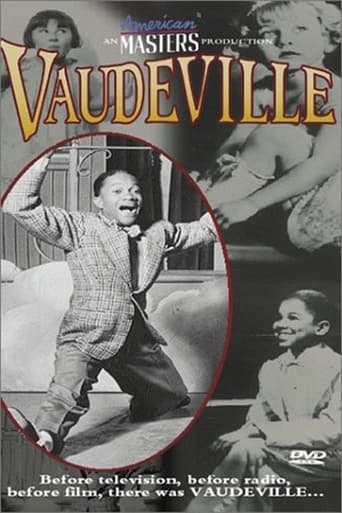
8.0Vaudeville is a 1997 PBS documentary under its American Masters program. Using film clips and photos, the art and history of vaudeville (1890-1930s) is illustrated.
Vaudeville
1997
 8.5
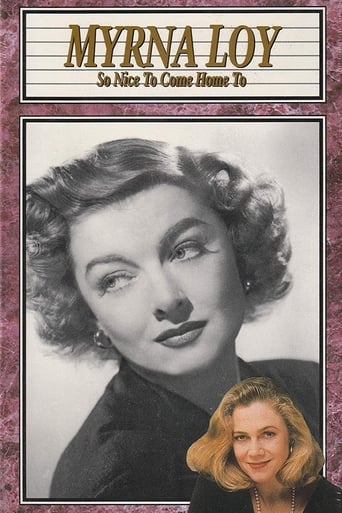
8.5This tribute to Myrna Loy is organized chronologically with a few photographs, many film clips, a handful of personal appearances, and a detailed commentary delivered on camera by Kathleen Turner. Turner walks us through Loy's career as a dancer and an actress miscast as an exotic. She comes into her own as a grown-up women: shrewd, funny, decorous, and sexy - in "Manhattan Melodrama" and "The Thin Man." Her volunteer work during World War II, later stage work, and progressive politics come in for admiration as well. It's her style - seen best in her roles as a wife of charm and independence - that's captured and celebrated here.
Myrna Loy: So Nice to Come Home To
1990
1980s · 2 titles
 10.0
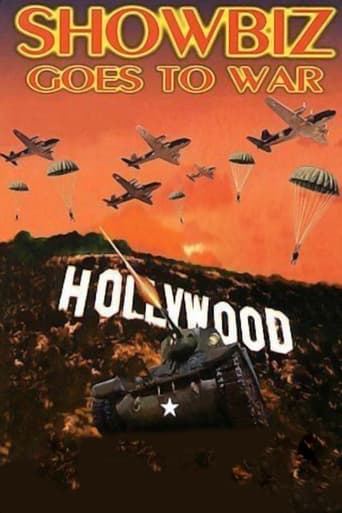
10.0While a few Hollywood celebrities such as James Stewart and Clark Gable saw combat during World War II, the majority used their talents to rally the American public through bond sales, morale-boosting USO tours, patriotic war dramas and escapist film fare. Comedian David Steinberg plays host for this star-studded, 90-minute documentary, which looks at the way Tinseltown helped the United States' war effort.
Showbiz Goes to War
1982
 9.0
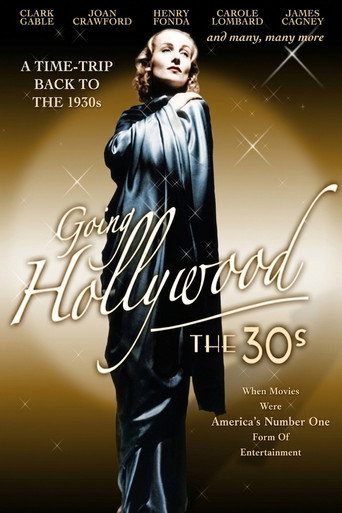
9.0Robert Preston hosts this documentary that shows what people of the 1930s were watching as they were battling the Depression as well as eventually getting ready for another World War.
Going Hollywood: The '30s
1984
1970s · 2 titles
6.3Period music, film clips and newsreel footage combined into a visual exploration of the American entertainment industry during the Great Depression.
Brother, Can You Spare a Dime?
1975
 10.0
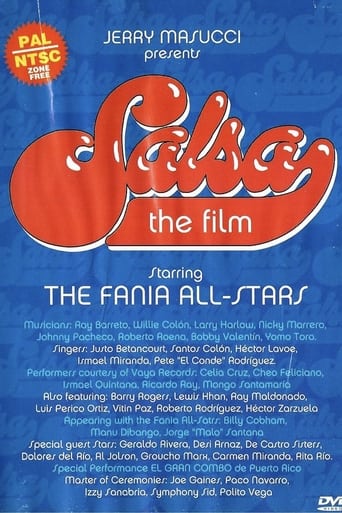
10.0The Fania All Stars perform for 44,000 fans at Yankee stadium in New York. Besides concert footage, there's also included a history of Salsa, and vintage film clips of Hollywood's portrayal of Latinos in movies during the 1930's and 40's.
Salsa
1976
1950s · 3 titles
 7.0
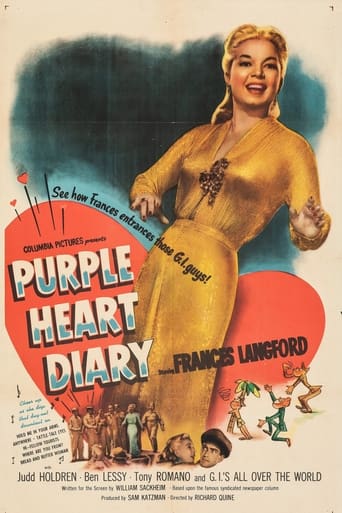
7.0A trio of singers entertaining hospitalized soldiers during WWII encourage a wounded soldier in his love for a nurse.
Purple Heart Diary
1951
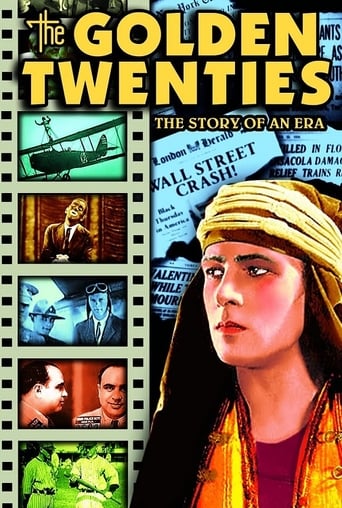 7.0
7.0Feature-length compilation of 1920s newsreel footage, with commentary about news, sports, lifestyles, and historical figures.
The Golden Twenties
1950
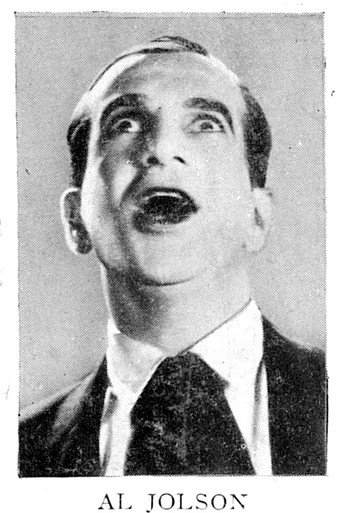 7.0
7.0Jack Benny narrates the Screen Snapshots that, utilizing archive footage, traces the career of Al Jolson, and rare off-stage shots of Jolson with stars such as Bob Hope, Eddie Cantor and Pat O'Brien.
Screen Snapshots: Memorial to Al Jolson
1952
1940s · 7 titles
6.6Fictionalized biography of George Gershwin and his fight to bring serious music to Broadway.
Rhapsody in Blue
1945
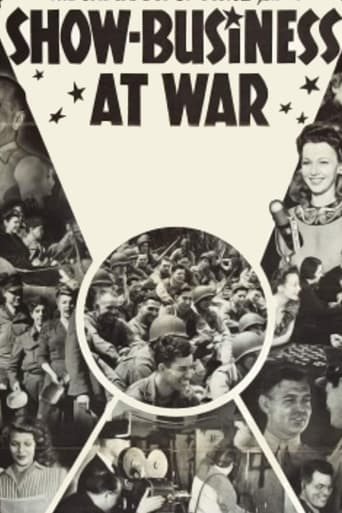 7.0
7.0A multi-studio effort to show the newsreel audience the progress of the Hollywood war effort.
Show-Business at War
1943
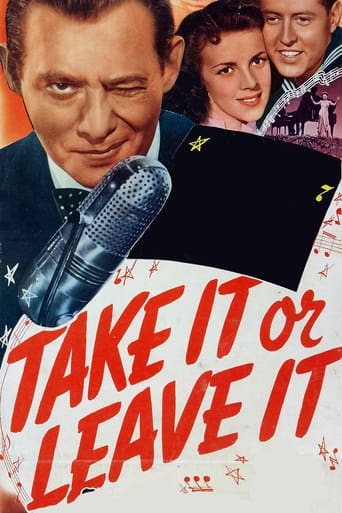 6.0
6.0A young husband becomes a game-show participant in the hopes of winning the cash to pay his pregnant wife's doctor.
Take It or Leave It
1944
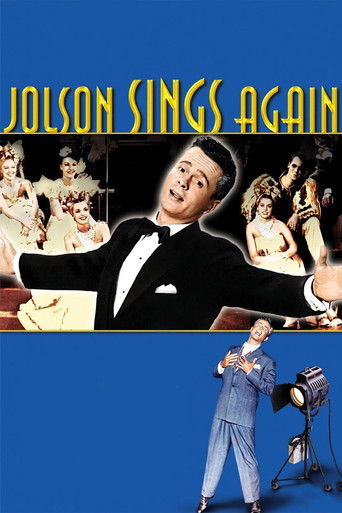 6.4
6.4In this sequel to The Jolson Story, we pick up the singer's career just as he has returned to the stage after a premature retirement. But his wife has left him and the appeal of the spotlight isn't what it used to be. This time Jolson trades in the stage for life in the fast lane: women, horses, travel. It takes the death of Moma Yoelson and World War II to bring Jolson back to earth - and to the stage. Once again teamed with manager Steve Martin, Jolson travels the world entertaining troops everywhere from Alaska to Africa. When he finally collapses from exhaustion it takes young, pretty nurse Ellen Clark to show him there's more to life than "just rushing around".
Jolson Sings Again
1949
 6.0
6.0This short traces the history of sound in the movies, beginning with French scientist Leon Scott's experiments in 1857. Featured are snippets from early sound pictures.
The Voice That Thrilled the World
1943
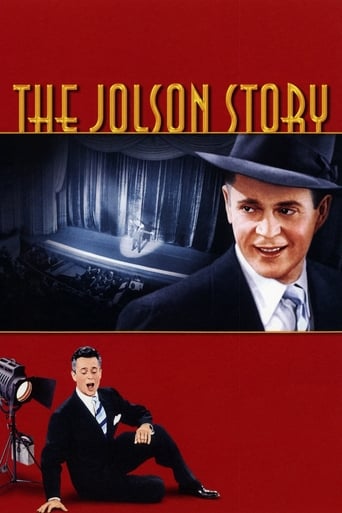 6.8
6.8At the turn of the 20th century, young Asa Yoelson decides to go against the wishes of his cantor father and pursue a career in show business. Gradually working his way up through the vaudeville ranks, Asa — now calling himself Al Jolson — joins a blackface minstrel troupe and soon builds a reputation as a consummate performer. But as his career grows in size, so does his ego, resulting in battles in business as well as in his personal life.
The Jolson Story
1946
 6.7
6.7This short was released in connection with the 20th anniversary of Warner Brothers' first exhibition of the Vitaphone sound-on-film process on 6 August 1926. The film highlights Thomas A. Edison and Alexander Graham Bell's efforts that contributed to sound movies and acknowledges the work of Lee De Forest. Brief excerpts from the August 1926 exhibition follow. Clips are then shown from a number of Warner Brothers features, four from the 1920s, the remainder from 1946/47.
Okay for Sound
1946
1930s · 15 titles
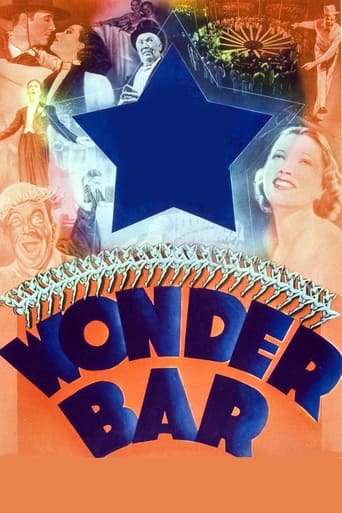 6.0
6.0Harry and Inez are a dance team at the Wonder Bar. Inez loves Harry, but he is in love with Liane, the wife of a wealthy business man. Al Wonder and the conductor/singer Tommy are in love with Inez. When Inez finds out that Harry wants to leave Paris and is going to the USA with Liane, she kills him.
Wonder Bar
1934
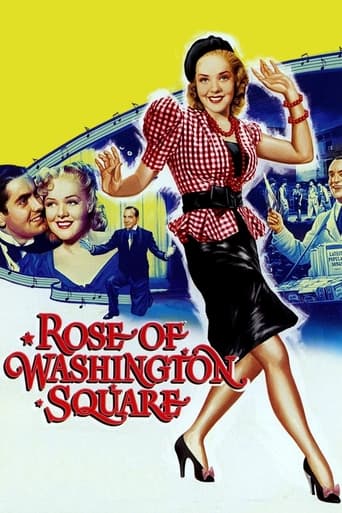 6.7
6.7Rose Sargent, a Roaring '20s singer, becomes a Ziegfeld Follies star as her criminal husband gets deeper in trouble.
Rose of Washington Square
1939
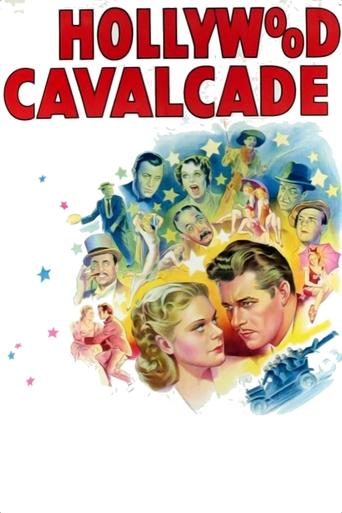 6.2
6.2Starting in 1913 movie director Connors discovers singer Molly Adair. As she becomes a star she marries an actor, so Connors fires them. She asks for him as director of her next film. Many silent stars shown making the transition to sound.
Hollywood Cavalcade
1939
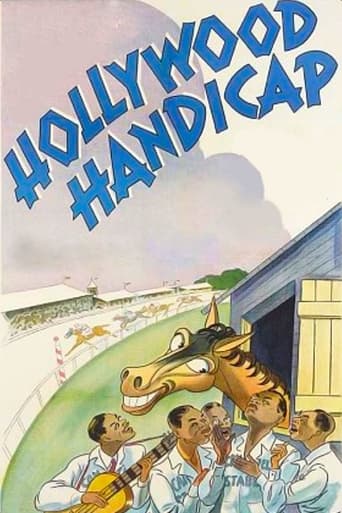 4.8
4.8A group of stable hands is given a race horse when its owner retires from the business. They raise money to run the horse in the Hollywood Derby at Santa Anita race track. Many Hollywood personalities attend the event.
Hollywood Handicap
1938
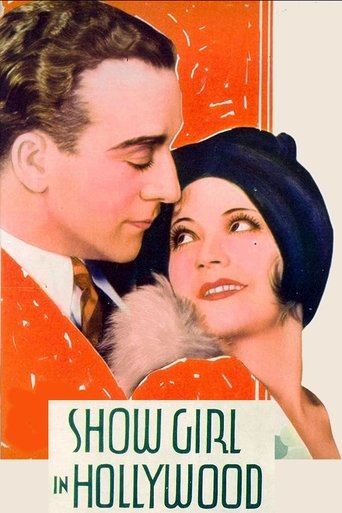 5.8
5.8Broadway actress leaves New York to become a star in Hollywood, and succeeds despite sleazy directors and her own ego.
Show Girl in Hollywood
1930
 4.0
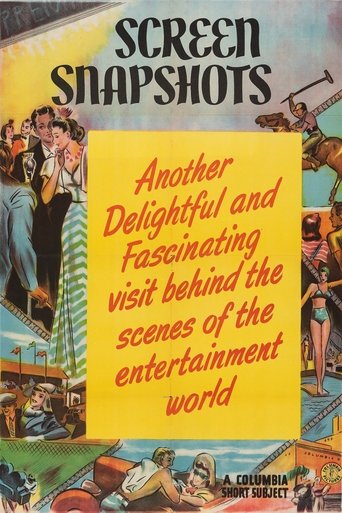
4.0Ice skating is the theme; at the Tropical Ice Garden, in Westwood Hills, are seen a flock of skating stars including Irene Dare and Phyllis Ann Thomoson, as well as Hollywood luminaries such as Franklyn Pangborn, Norma Shearer, Rita Hayworth, Mickey Rooney, Dick Purcell and Ann Sheridan.
Screen Snapshots Series 18, No. 8
1939
5.0A tour of Hollywood, featuring such star frequented spots as the Vendome, the Lakeside Golf Club, the West Side Tennis Club, the Santa Anita Racetrack, the Ambassador Hotel's Cocoanut Grove, the Biltmore Bowl, and the American Legion Stadium.
Screen Snapshots: Series 16, No. 12
1937
 6.0
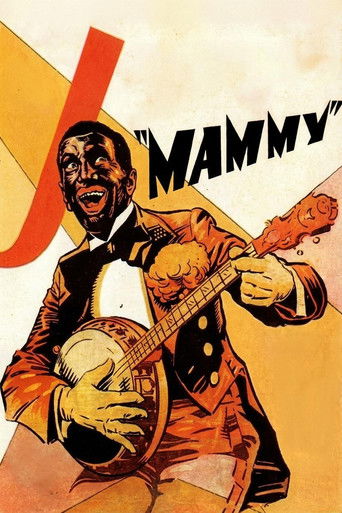
6.0Mammy features Al Jolson as the star of a travelling minstrel show, appearing in cities and towns across the U.S. Jolson falls in love with an actress in the troupe (Lois Moran), but she loves another (Lowell Sherman). Sherman is shot onstage as part of a comedy bit, and it is assumed that Jolson is guilty of putting the bullet in the gun.
Mammy
1930
 7.6
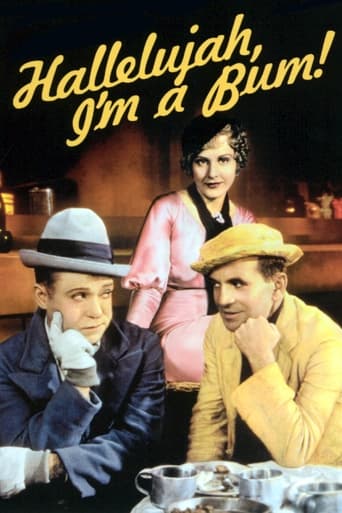
7.6A New York tramp falls in love with the mayor's amnesiac girlfriend after rescuing her from a suicide attempt.
Hallelujah, I'm a Bum
1933
 7.0
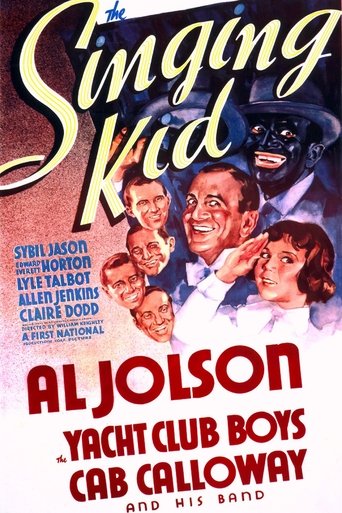
7.0Neurotic Broadway star Al Jackson faces professional ruin when he loses his voice. While recuperating in the country, he falls in love with farm girl Ruth Haines, the pretty aunt of precocious little Sybil Haines.
The Singing Kid
1936
 7.2
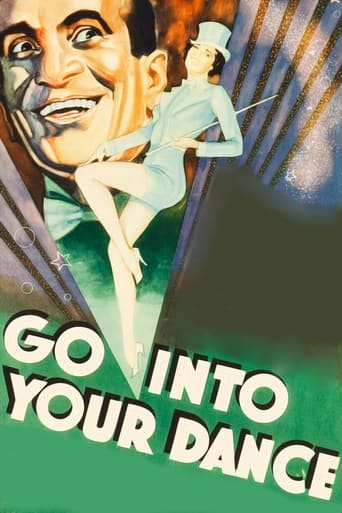
7.2An irresponsible Broadway star gets mixed up with gambling and gangsters.
Go Into Your Dance
1935
A short promotional film about Ruby Keeler and her upcoming film "Flirtation Walk." It provides a brief look at her career on Broadway, early films, and personal life away from the studio before showing a trailer for the new film.
Studio Highlights
1934
 6.0
6.0Orphaned horse-trainer's little daughter has reciprocated bond with horse, which needs her presence to win races.
A Day at Santa Anita
1937
 5.2
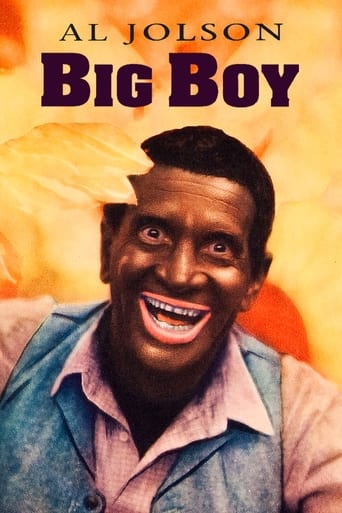
5.2Gus, the trusty family retainer, has hopes of riding his boss' horse, Big Boy, to victory at the Kentucky Derby.
Big Boy
1930
 7.0
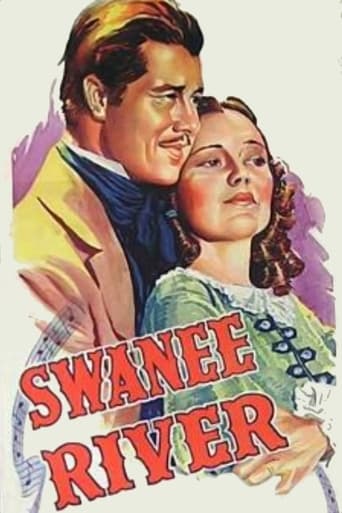
7.0Swanee River is a 1940 American biopic about Stephen Foster, a songwriter from Pittsburgh who falls in love with the South, marries a Southern girl, then is accused of sympathizing when the Civil War breaks out. Typical of 20th Century Fox biopics of the time, the film is more fictional than factual biography.
Swanee River
1939
1920s · 5 titles
6.1A young Jewish man is torn between tradition and individuality when his old-fashioned family objects to his career as a jazz singer. This is the first full length feature film to use synchronized sound, and is the original film musical.
The Jazz Singer
1927
 5.5
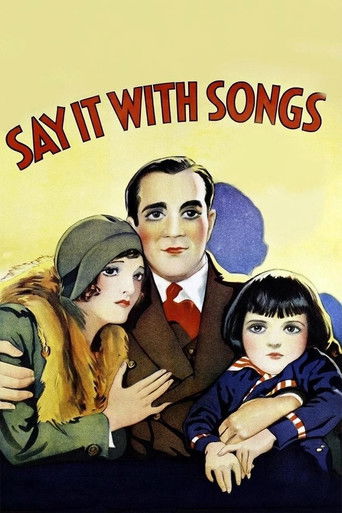
5.5Joe Lane, radio entertainer and songwriter, learns that the manager of the studio, Arthur Phillips, has made improper advances to his wife, Katherine. Infuriated, Lane engages him in a fight, and the encounter results in Phillips' accidental death. Joe goes to prison for a few years, and when he is released he visits his son, Little Pal, at school and is begged by him to run away together.
Say It with Songs
1929
 5.0
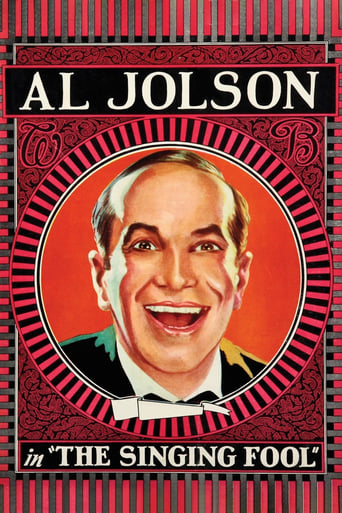
5.0After years of hopeful struggle, waiter and aspiring singer-songwriter Al Stone is on his way. He gets his huge break on a magical night when his song wows big-time producer Louis Marcus and gold-digging showgirl Molly, whom Al fancies. Broadway success and marriage follow, but sure enough, hard times are on the way.
The Singing Fool
1928
 5.5
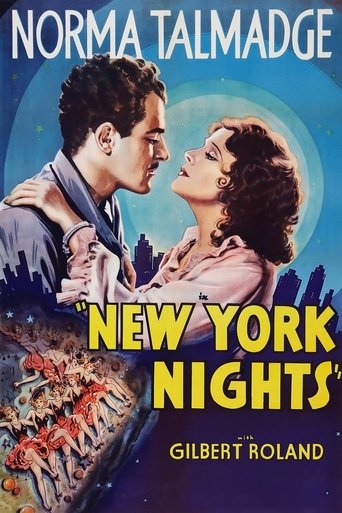
5.5Show girl Jill Deverne is married to song writer Fred Deverne, and everyone is involved in the Broadway night life and endless parties. Jill is being pursued by a gangster, and she leaves her husband after he spends the night with a floozie. Jill ends up as the gangster's moll, but she soon gets tired of the lifestyle.
New York Nights
1929
 4.6
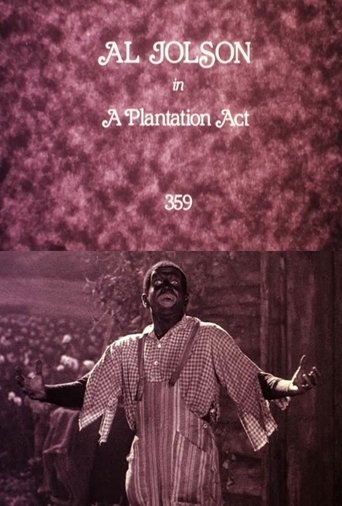
4.6Al Jolson's first sound film. Dressed in overalls and wearing black-face makeup, he sings three of his hit songs: "When the Red, Red, Robin Comes Bob, Bob, Bobbin' Along ", "April Showers", and "Rock-a-Bye Your Baby with a Dixie Melody ".
A Plantation Act
1926