
Directing
Mona Hatoum
Born
1952-01-01 (74)
Place of birth
Beirut, Lebanon
Known for
Directing
Credits
17 titles
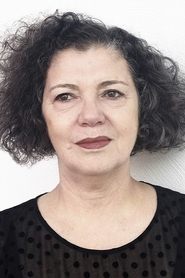
Mona Hatoum (منى حاطوم) is a Palestinian artist born in 1952 to a Palestinian family living in exile in Beirut, Lebanon. From 1970 to 1972, she studied graphic design at the Beirut College for Women. She traveled to London, England in 1975 and was inexpectedly forced to stay long than planned due to the Lebanese Civil War. She attended the Byam Shaw School of Art, London, followed by the Slade School of Fine Art, London. She explores the relationship between politics and the individual through her art installations and sculptures.
Known for
 6.0
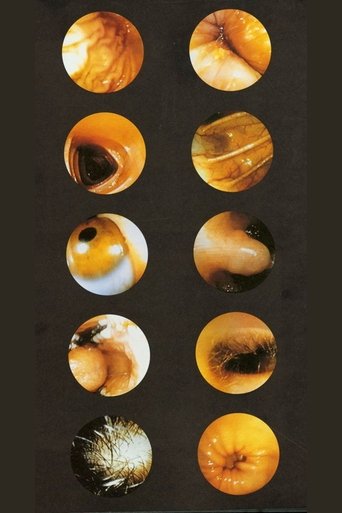
6.0This complex piece is composed of a cylindrical space with padded walls where the viewer is invited to enter and see a video of Hatoum’s internal body. As such, she makes use of indispensable medical imaging technology (that without, the work would not exist). Hatoum uses the strategy of abjection in displaying the internal cavities in a way that has the effect of swallowing up the viewer. The abject destabilizes boundaries.
Corps Étranger
1994
 NR
NRDocumentation of an hour-long performance in which the artist walks barefoot through the streets of Brixton, South London, with Dr. Martens boots tied to her ankles. The work was made in response to the Brixton's uprisings of 1981 and 1983 and in solidarity with Black communities.
Roadworks
1985
 10.0
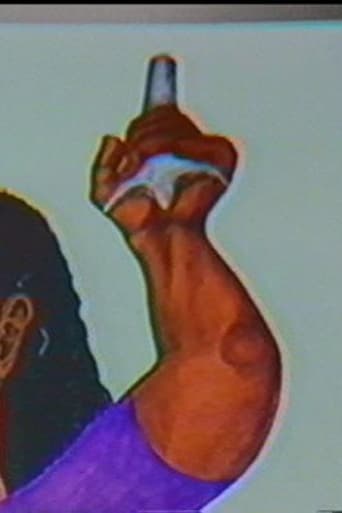
10.0Four Black and Third World women artists, among them African American feminist poet Audre Lorde and Palestinian performance artist Mona Hatoum, speak forcefully through their art and writing.
Emergence
1986
 NR
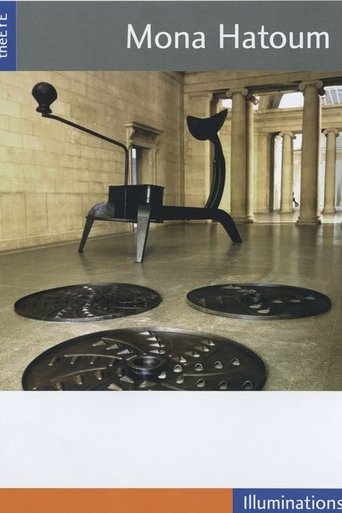
NRIn this interview, illustrated with these works and with other key installations including Socle du Monde and Corps étranger, Mona Hatoum explores the diverse sources of her work and her engagement with a wide range of often surprising materials. The artist talks vividly about the centrality of the body to her installations, and the ways in which her work employs changes of scale, intimations of restriction and constraint, and contradictory ideas of attraction and repulsion.
The Eye
2005
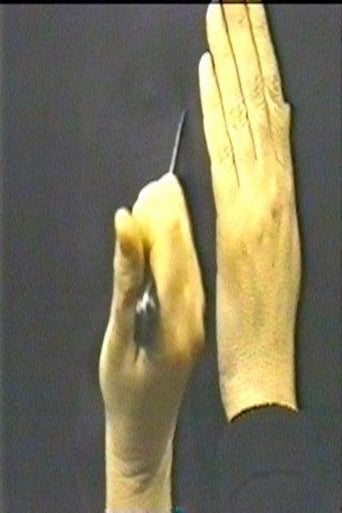
It operates through the juxtaposition of two strands of ambiguously contrasting image and sound. She has said: 'I want to remind the audience that there are different realities that people have to live through … Changing Parts … is about such different realities - the big contrast between a priviledged space, like the West, and the Third World where there's death, destruction, hunger.' (Quoted in Mona Hatoum, 1997, p.127.)
Changing Parts
1984
 7.0
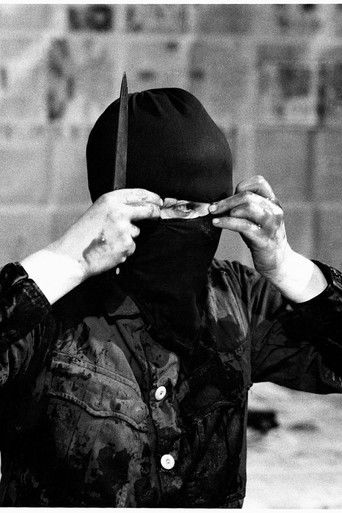
7.0The tapes shows a blackhooded face - interspersed with slide projections of torture and brutality - scratching at her eyes with a sharp knife as we hear snips of news accounts of the eradication of the Palestinian people.
Eyes Skinned
1988
Film credits

1980s · 5 titles
NRDocumentation of an hour-long performance in which the artist walks barefoot through the streets of Brixton, South London, with Dr. Martens boots tied to her ankles. The work was made in response to the Brixton's uprisings of 1981 and 1983 and in solidarity with Black communities.
Roadworks
1985
10.0Four Black and Third World women artists, among them African American feminist poet Audre Lorde and Palestinian performance artist Mona Hatoum, speak forcefully through their art and writing.
Emergence
1986
7.0The tapes shows a blackhooded face - interspersed with slide projections of torture and brutality - scratching at her eyes with a sharp knife as we hear snips of news accounts of the eradication of the Palestinian people.
Eyes Skinned
1988
 NR
NRThis 40-minute filmed performance was presented for the first time in 1984 at the New York art centre ABC No Rio. Since Mona Hatoum refuses to produce the same work twice, she generally creates one single site-specific performance. However, in 1984, she decided, with Variations on Discord and Division, to provide an action that could be adapted to different spaces. She thus offered several possibilities for actions and “variations”. Through this performance and the various forms that it may take, the artist deals with notions of exile, war and oppression. This work consists of several little abstract scenes, which represent for the artist ways of experimenting with specific situations.
Variations On Discord and Divisions
1984
 NR
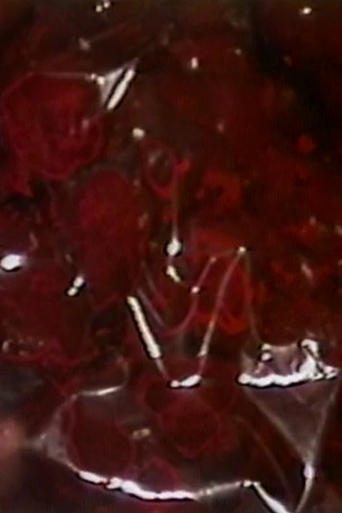
NRThe room is dark, lit only by a light bulb over a table on which the artist lies motionless. Empty chairs surround the table. Her body is bloodstained, covered with entrails, wrapped in plastic, and her head is firmly covered in surgical gauze. On the soundtrack news reports about civil war and speeches of Western leaders talking about peace can be heard.
The Negotiating Table
1983
Behind the camera
6.0This complex piece is composed of a cylindrical space with padded walls where the viewer is invited to enter and see a video of Hatoum’s internal body. As such, she makes use of indispensable medical imaging technology (that without, the work would not exist). Hatoum uses the strategy of abjection in displaying the internal cavities in a way that has the effect of swallowing up the viewer. The abject destabilizes boundaries.
Corps Étranger
1994
NRDocumentation of an hour-long performance in which the artist walks barefoot through the streets of Brixton, South London, with Dr. Martens boots tied to her ankles. The work was made in response to the Brixton's uprisings of 1981 and 1983 and in solidarity with Black communities.
Roadworks
1985
NRIn this interview, illustrated with these works and with other key installations including Socle du Monde and Corps étranger, Mona Hatoum explores the diverse sources of her work and her engagement with a wide range of often surprising materials. The artist talks vividly about the centrality of the body to her installations, and the ways in which her work employs changes of scale, intimations of restriction and constraint, and contradictory ideas of attraction and repulsion.
The Eye
2005
It operates through the juxtaposition of two strands of ambiguously contrasting image and sound. She has said: 'I want to remind the audience that there are different realities that people have to live through … Changing Parts … is about such different realities - the big contrast between a priviledged space, like the West, and the Third World where there's death, destruction, hunger.' (Quoted in Mona Hatoum, 1997, p.127.)
Changing Parts
1984
7.0The tapes shows a blackhooded face - interspersed with slide projections of torture and brutality - scratching at her eyes with a sharp knife as we hear snips of news accounts of the eradication of the Palestinian people.
Eyes Skinned
1988
 6.7
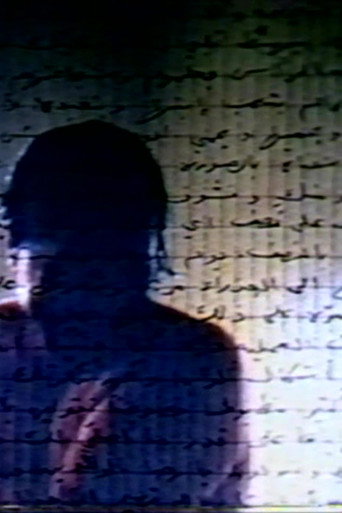
6.7In this video, the artist tries to overcome the effects of distance, and reflects on geography represented in exile due to war, and on the psychological distance represented in each one’s approach to her womanhood. The video beautifully weaves personal images and audio recordings of a very intimate nature, binding the personal with the political. Reading aloud from letters sent by her mother in Beirut, Hatoum creates a visual montage reflecting her feelings of separation and isolation from her Palestinian family. The personal and political are inextricably bound in a narrative that explores personal and family identity against a backdrop of traumatic social rupture, exile and displacement.
Measures of Distance
1988
 NR
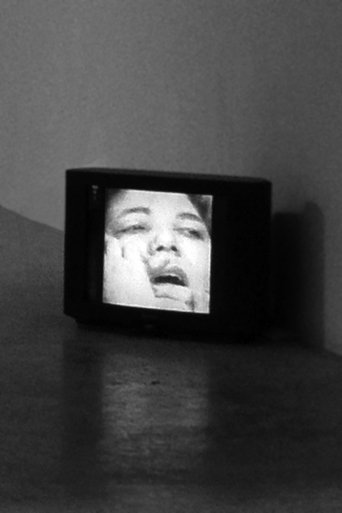
NRThe video So Much I Want to Say consists of a series of still images, changing every eight seconds, which show the artist's face in close-up with a pair of male hands gagging her mouth and preventing her from speaking. Meanwhile her voice on the sound-track repeats over and over the words of the title.
So Much I Want to Say
1983
NRThis 40-minute filmed performance was presented for the first time in 1984 at the New York art centre ABC No Rio. Since Mona Hatoum refuses to produce the same work twice, she generally creates one single site-specific performance. However, in 1984, she decided, with Variations on Discord and Division, to provide an action that could be adapted to different spaces. She thus offered several possibilities for actions and “variations”. Through this performance and the various forms that it may take, the artist deals with notions of exile, war and oppression. This work consists of several little abstract scenes, which represent for the artist ways of experimenting with specific situations.
Variations On Discord and Divisions
1984
NRThe room is dark, lit only by a light bulb over a table on which the artist lies motionless. Empty chairs surround the table. Her body is bloodstained, covered with entrails, wrapped in plastic, and her head is firmly covered in surgical gauze. On the soundtrack news reports about civil war and speeches of Western leaders talking about peace can be heard.
The Negotiating Table
1983