

Acting
Teruko Kishi
Born — Died
1905-05-01 — 1990-05-10
Place of birth
Hokkaido, Japan
Known for
Acting
Credits
58 titles
Known for
 9.0
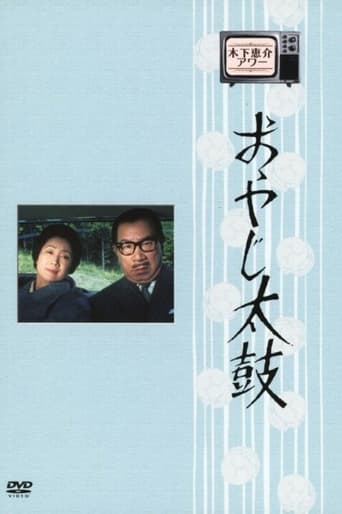
The Tsuru family is a family of nine, headed by Kamejiro. Kamejiro is the president of a construction company that has made a fortune in its first generation, but he is a one-man family. His wife, Aiko, is a typical good wife and wise mother type. Kamejiro gets angry and thunders down every week, and the children are afraid of him, calling him "Oyaji Daiko", but he also takes advantage of this.
Oyaji Daiko
1968
 8.2
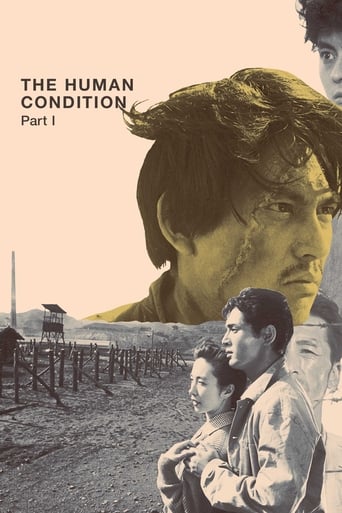
After handing in a report on the treatment of Chinese colonial labor, Kaji is offered the post of labour chief at a large mining operation in Manchuria, which also grants him exemption from military service. He accepts and moves with his newlywed wife Michiko, but when he tries to put his ideas of more humane treatment into practice, he finds himself at odds with scheming officials, cruel foremen, and the military police.
The Human Condition I: No Greater Love
1959
 7.6
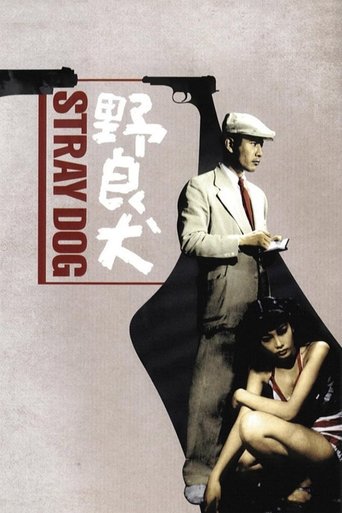
A bad day gets worse for young detective Murakami when a pickpocket steals his gun on a hot, crowded bus. Desperate to right the wrong, he goes undercover, scavenging Tokyo’s sweltering streets for the stray dog whose desperation has led him to a life of crime. With each step, cop and criminal’s lives become more intertwined and the investigation becomes an examination of Murakami’s own dark side.
Stray Dog
1949
 7.2
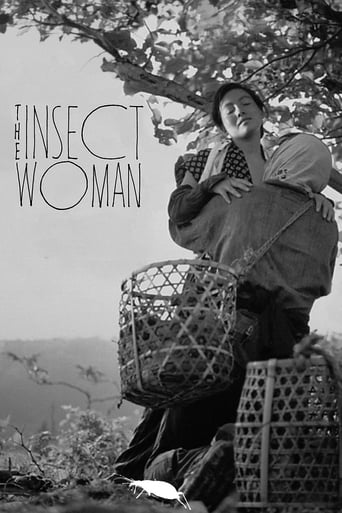
A woman, Tome, is born to a lower class family in Japan in 1918. The title refers to an insect, repeating its mistakes, as in an infinite circle. Imamura, with this metaphor, introduces the life of Tome, who keeps trying to change her poor life.
The Insect Woman
1963
 7.8
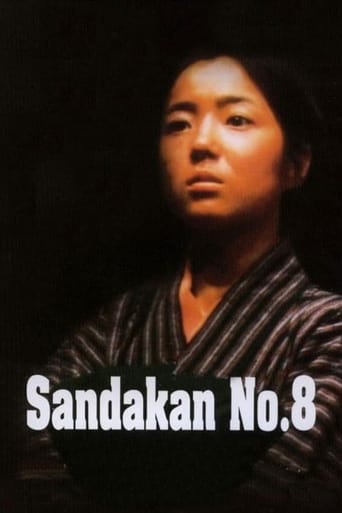
A young journalist interviews an elderly woman about being forced into prostitution in Borneo at a brothel called Sandakan No. 8.
Sandakan No. 8
1974
 7.3
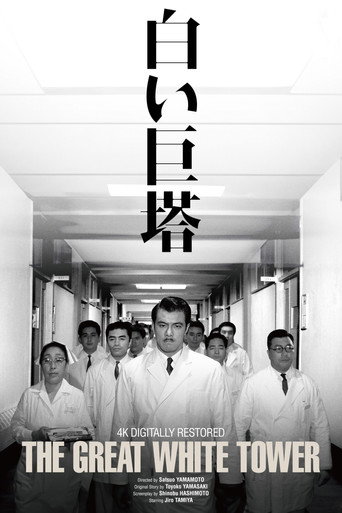
The story contrasts the life of two doctors, former classmates and now both assistant professors at Naniwa University Hospital in Osaka. The brilliant and ambitious surgeon Goro Zaizen stops at nothing to rise to a position of eminence and authority, while the friendly Shuji Satomi busies himself with his patients and research.
The Great White Tower
1966
Film credits
1960s · 20 titles
7.2A woman, Tome, is born to a lower class family in Japan in 1918. The title refers to an insect, repeating its mistakes, as in an infinite circle. Imamura, with this metaphor, introduces the life of Tome, who keeps trying to change her poor life.
The Insect Woman
1963
7.3The story contrasts the life of two doctors, former classmates and now both assistant professors at Naniwa University Hospital in Osaka. The brilliant and ambitious surgeon Goro Zaizen stops at nothing to rise to a position of eminence and authority, while the friendly Shuji Satomi busies himself with his patients and research.
The Great White Tower
1966
 6.2
Two young women must come to terms with the fact that a man they're deeply linked to is a murdering rapist.
Violence at Noon
1966
 6.4
With her family suffering from extreme poverty, Yuko, as the eldest daughter, is sold to a successful brothel in Kyoto. There she is assigned to serve Takamatsu, one of the brothel’s top customers. But while Takamatsu falls madly in love with Yuko, she finds herself attracted to a young priest named Kunugida. Torn by jealousy, Takamatsu hatches an evil plan to tear them apart.
A House in the Quarter
1963
 6.5
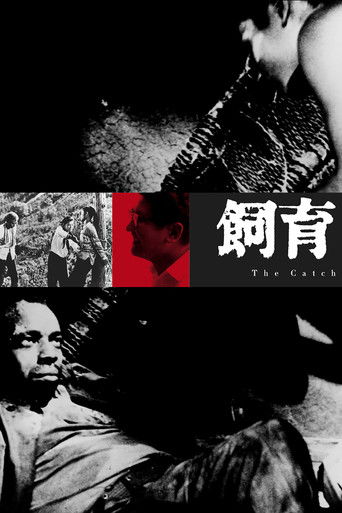
Towards the end of WWII, a black American pilot is captured and imprisoned by rural Japanese villagers, who await official instructions as to how to proceed with their 'catch'.
The Catch
1961
 NR
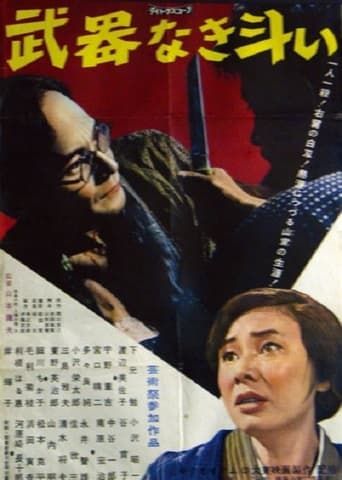
It's a story of the life of a man who advocated the necessity of sex education to children, which was unusual at the time, solely opposed to the amendment of the Peace Preservation Law, and was assassinated by a rightist prior to his opposition speech.
The War Without Weapons
1960
 NR
A man confessed to killing a woman in a labyrinth 2 years ago. The detectives must now conduct a "backing investigation" to determine whether his confession is true, because the law states that a confession alone is not enough to make the case. The 20nd work from the popular series "Keishicho Monogatari", which documents the activities of the First Investigation Division of the Capital Police Department.
Police Precinct: Backing Investigation
1963
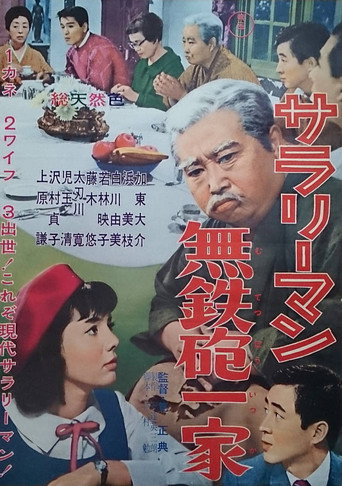 NR
Untaro Tatsumura, a pioneer of the salaryman class, had retired from active duty and was living a leisurely life in Ito with his wife, while serving as an advisor to seven companies. However, when he announced that he intended to donate his estate to social welfare causes, the Tatsumura household was thrown into an uproar.
A Salaryman's Reckless Family
1963
 5.7
As Japan is preparing to host the Olympics, a gang member wanting to go to America is sought after by the police after helping his friend conduct a robbery.
Escape from Japan
1964
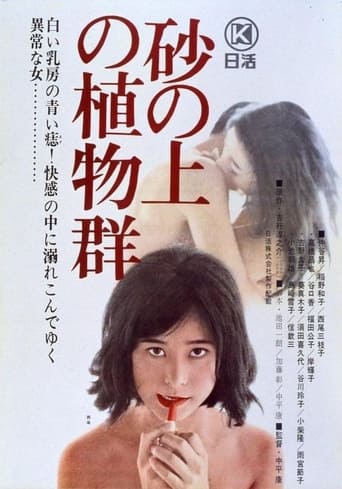 6.3
One evening, at the Marine Tower observatory, cosmetics salesman Ichiro Iki is drawn into conversation with an unfamiliar young lady Akiko. She invites Ichiro back to a hotel where they make love but part without even exchanging names. A week later, they have a second chance encounter at the observatory. This time, Ichiro is the one who pursues her. Back at the hotel, Akiko begs Ichiro to give her sister – Kyoko, a bar hostess – absolute hell. Akiko resents her sister for lecturing on chastity, while wantonly indulging in promiscuous activity. Ichiro takes an interest in Kyoko and sets out towards her bar…
Flora on the Sand
1964
 8.0
When a group of men from the Hanya clan search his town for a missing geisha, a brave ronin decides to help her and a drunken calligrapher. In doing so, he uncovers a wider scheme.
Street of Wandering Men
1963
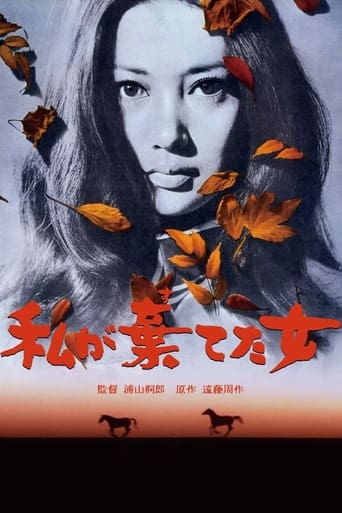 9.0
Tsutomu Yoshioka, a Tokyo office worker, is engaged to Mariko, the niece of his company's president. But Yoshioka has a crisis of consence when he remembers his former love Mitsu, a rural girl whom he met and later left while in college. Shimako, a former friend, persuades Yoshioka to meet with Mitsu while she plots to blackmail Yoshioka by photographing the meeting to break up Mariko and Yoshioka.
The Girl I Abandoned
1969
 NR
After their father dies, his children try to get by on a house boat.
Modern Children
1963
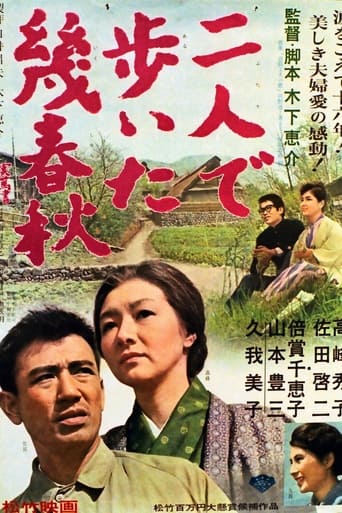 6.1
A demobilized soldier becomes a day laborer with a road construction gang, and his wife goes to work to bolster their income. Their modest dream is to see their son grow and to be happy as a family.
Ballad of a Workman
1962
 10.0
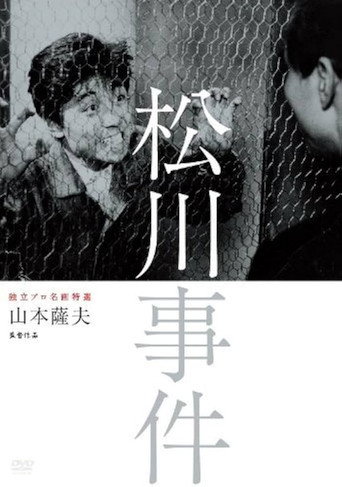
Satsuo Yamamoto's filmic depiction of the famous 1949 Matsukawa Incident.
The Matsukawa Incident
1961
 NR
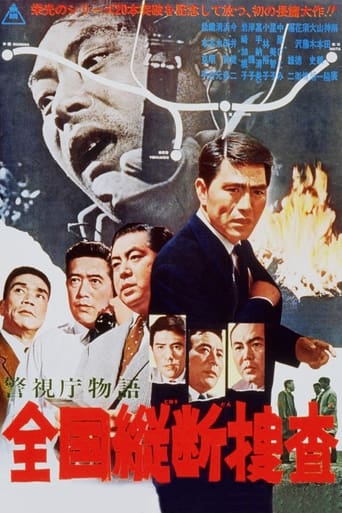
A burnt corpse of a man was found in Okutama. As a result of the investigation, it turns out that the criminal strangled the victim with a bandage, smashed his face with an oil canister and burned the body, trying to hide the identity of the victim. But the investigation establishes that the victim is a former criminal named Hisashi Sayama. According to Sayama's daughter-in-law, a man named Kitamura got him a job, so he left home with a copy of the family register. Trying to find the killer, the First Investigation Department is investigating all over the country, including Akita, Yokkaichi and Okinawa.
Police Precinct Part 21
1963
 7.0
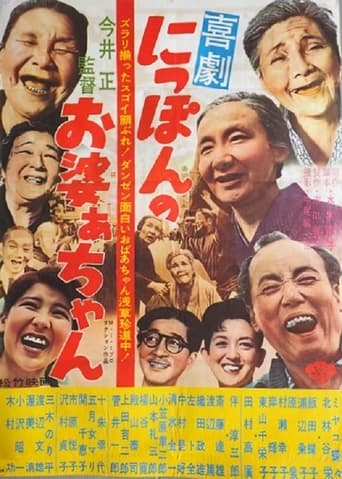
Two obaachans become fast friends listening to music in front of a record store. They both boast about their loving sons but in reality, one had just escaped a retirement home and the other was looking for an escape from her son and daughter-in-law. With nowhere to go, the two wander around, befriending a cosmetics salesman and a kind waitress who give them beer. This biting social satire starring two memorable grandmothers, scripted by Yôko Mizuki, picked up on Japan’s aging population problem far ahead of its time.
Nippon no obaachan
1962
 7.0
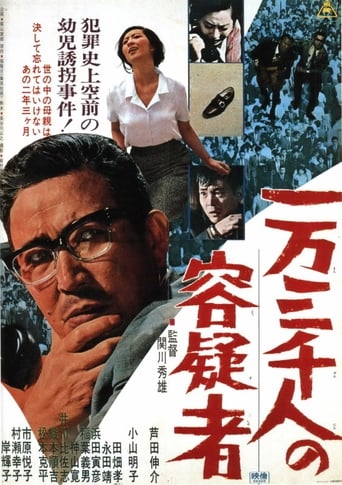
Suspense film based on Ryuji Hori's non-fiction book about the kidnapping and murder of 4-year-old Yoshinobu Murakoshi in 1963.
A Thousand Suspects
1966
 NR
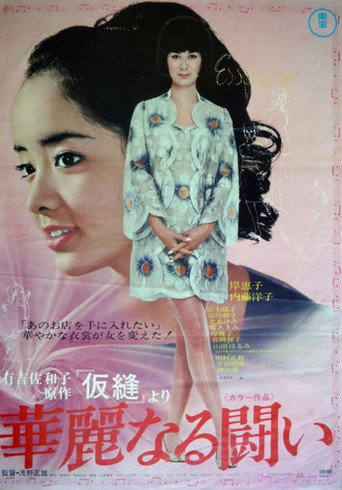
Drama about a young dress designer.
L'Essayage
1969
 4.8
Leaving his wife in Osaka, Honda leads a double life in Tokyo – after spending the day as an elite businessman, he flirts around in the evenings. He even rents a secret apartment where he keeps record of his girl hunts in his diary, the ‘Hunter’s Diary’. One day, he finds an article in the newspaper – a murder of a young woman in his diary. A few days later, another woman from his diary is murdered. He soon finds himself in a labyrinth of fear, as women named in his diary are killed one after another...
The Hunter's Diary
1964
1950s · 32 titles
8.2After handing in a report on the treatment of Chinese colonial labor, Kaji is offered the post of labour chief at a large mining operation in Manchuria, which also grants him exemption from military service. He accepts and moves with his newlywed wife Michiko, but when he tries to put his ideas of more humane treatment into practice, he finds himself at odds with scheming officials, cruel foremen, and the military police.
The Human Condition I: No Greater Love
1959
 7.5
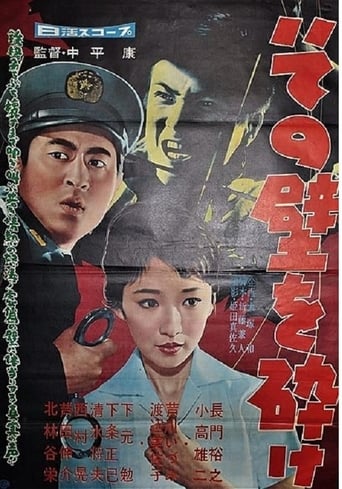
A man is wrongfully accused of murder.
Break Down that Wall
1959
 6.8
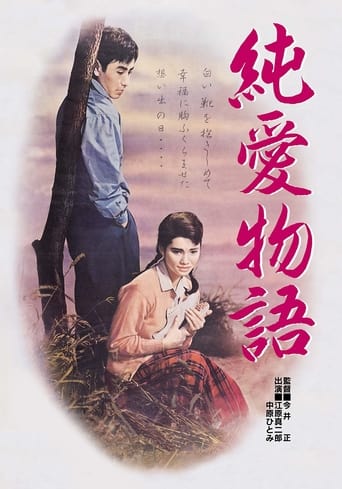
Junai Monogatari AKA Story of Pure Love is about two poor youths, Mitsuko and Kando, rebelling against society in various ways, who are desperately trying to be together despite tortuous circumstances. The film depicts their lives as thieves, menial laborers who can get little pay, society outcasts, and of course, lovers. Junai Monogatari depicts, mostly, their struggles within the Japanese reformatory system and Mitsuko's worsening sickness.
The Story of Pure Love
1957
 5.4
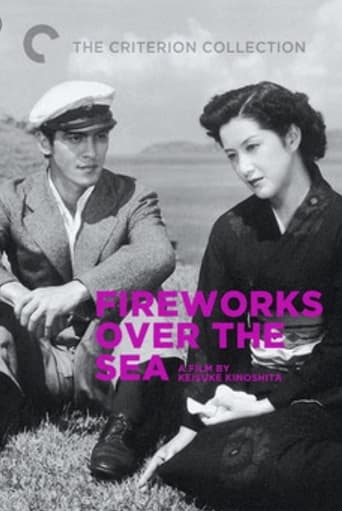
A fishing union depends on two brothers to make up the losses caused by the dishonest captains they replaced.
Fireworks Over the Sea
1951
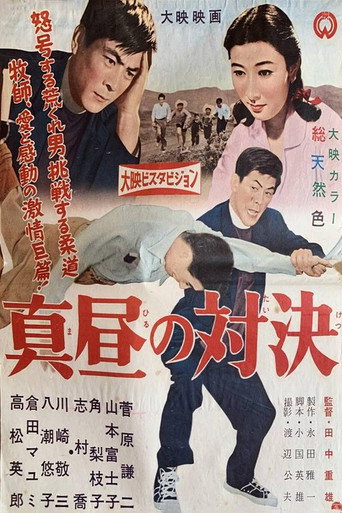 NR
Judo movie.
Duel at Noon
1957
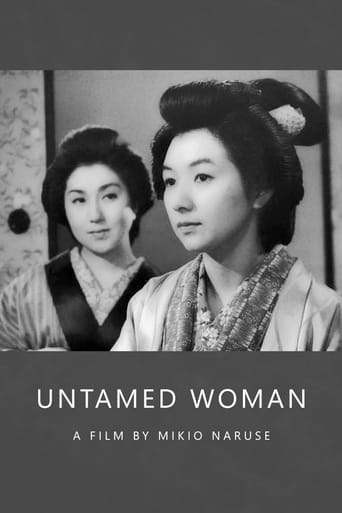 7.5
A woman marries, gives birth to a stillborn child, and divorces, falls in love with a hotel-keeper, only to find herself subordinated to his drive for success, takes up with a tailor who cannot console himself with her strong personality.
Untamed Woman
1957
 6.3
Five longtime friends get back together, but are disappointed to find that their bonds are not as strong as they once were.
Farewell to Spring
1959
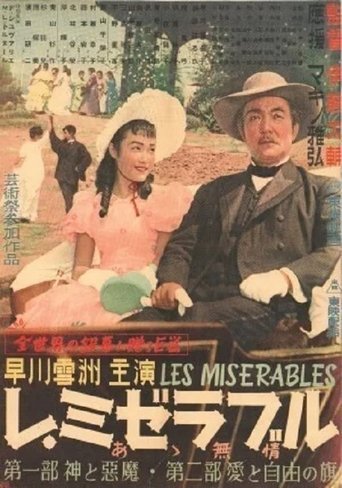 7.0
No synopsis available yet.
Les Miserables II: Banner of Love and Freedom
1950
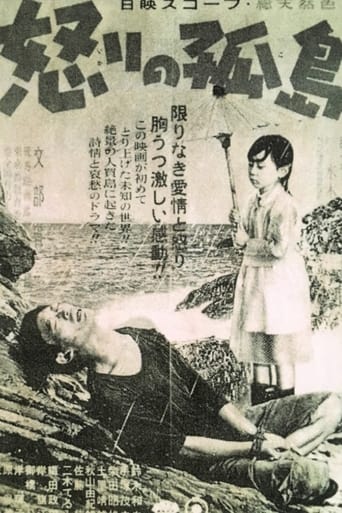 7.0
Five boys escape from their life of bondage on an island 10 miles off Hiroshima, and are picked up in the Inland Sea, drifting in an open boat.
Island of Fury
1958
 6.6
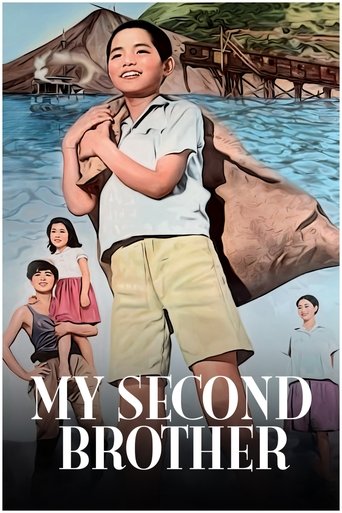
The film tells the story of four orphans living in an impoverished mining town. An adaptation of a best-selling book based on the diary of a ten-year-old zainichi (ethnic Korean Japanese) girl, it was one of the first films to deal with the subject of zainichi identity and struggles in Japan.
My Second Brother
1959
 NR
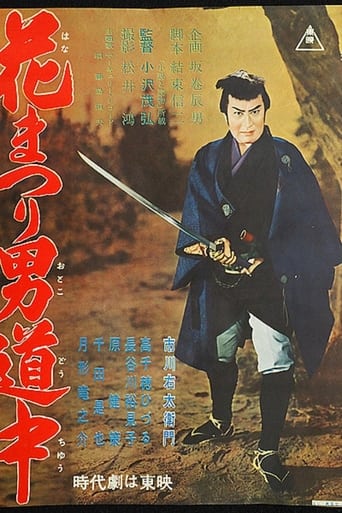
No synopsis available yet.
Flowers on the Trail
1957
 7.8
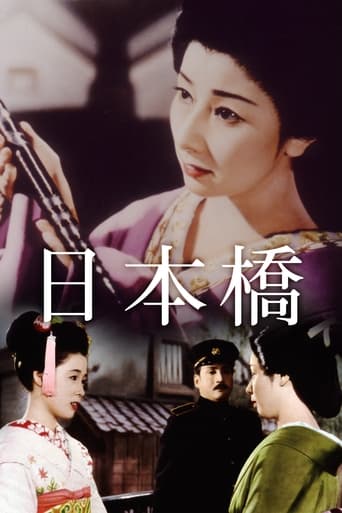
Ichikawa's 1956 adaptation of Nihonbashi was the first to take the work of Kyoka Izumi— until then regarded as a writer of common tragic melodramas—and re-evaluate it as a tanbi-ha work of decadence, aestheticism, and intrigue. Ichikawa's film presents the tragic plot of the young geisha who is unable to enact her love for a man publicly in any way other than a histrionic story of torment, a heart-rending tale of lovers being crushed by fate. Instead, Ichikawa shows the contest of wills that transpires as two geisha, Oko and Kiyoha fight for the top spot in Nihonbashi, the pinnacle of the Tokyo geisha world. Nihonbashi is an elegant, if steely, exposition of manners. The young doctor, Shinzo Katsuragi, is the object of affection for both women, but appears to be more the choice reward for the plotting and thieving of these two early modern superwomen, than a lover they swoon over.
Bridge of Japan
1956
 6.7
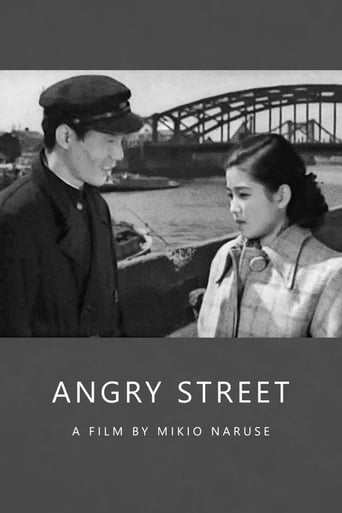
University students Sudo and Mori make money by picking up rich girls in dance clubs and conning them into giving them cash. Mori is the brains of the operation, and Sudo is the suave dancer who picks up the girls. Sudo becomes gradually involved with three different girls and is drawn into the gangster milieu, which he seems unable to resist even though he is responsible for his mother, grandmother, and sister Masako. In this world of bad boys and girls, Masako is the pillar of strength and moral virtue who finally enables Mori to straighten out.
The Angry Street
1950
 NR
A young woman marries someone else, but cannot forget her first lover.
Tears
1956
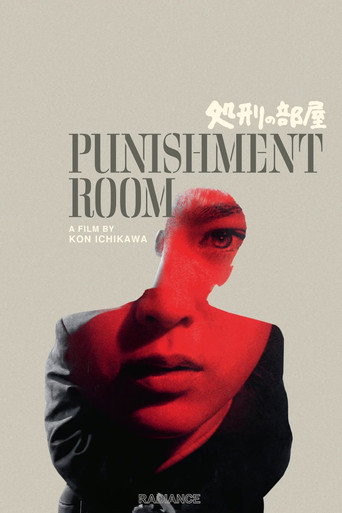 6.9
Shimada is a student of U College. When the college's baseball team wins the day, he and his friend Ito drug two girls they met at the game.
Punishment Room
1956
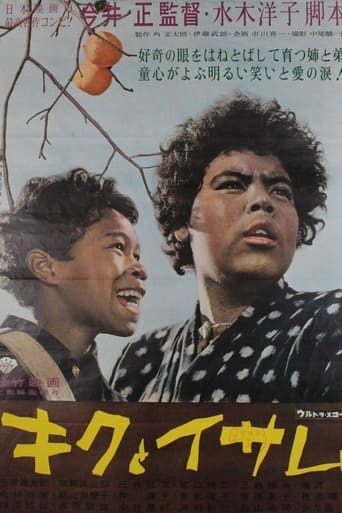 5.9
Kiku and her brother Isamu are social outcasts, children of a prostitute mother and black GI father, in postwar Japan.
Kiku and Isamu: Two Siblings Born in Japan
1959
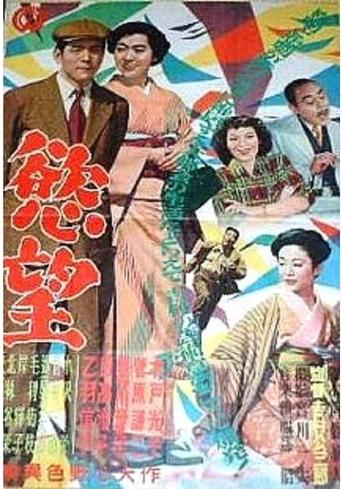 9.0
No synopsis available yet.
Desire
1953
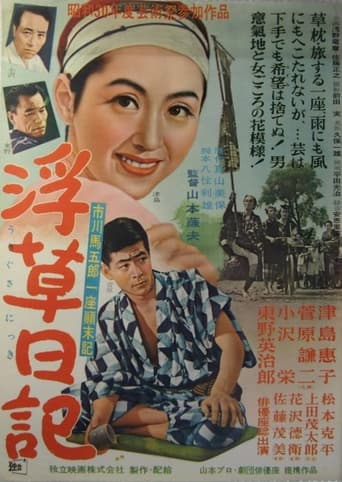 4.3
A travelling theater troupe, led by Umagoro Ichikawa, comes to play in a mining town, and manages to sell every seat. Before the play begins, however, a miners' strike is announced, creating an uproar. In addition, the players find they have been cheated out of their profits by a crooked impresario.
Floating Weeds Diary
1955
9.0No synopsis available yet.
Les Miserables I: God and the Devil
1950
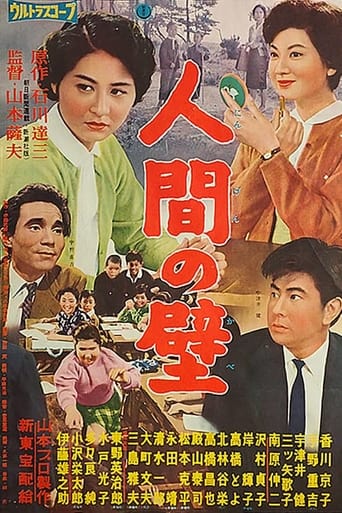 6.2
Drama which shows the struggle of Fumiko, a female teacher, at work and at home.
The Human Wall
1959
 10.0
Aya successfully stages a fashion show in Osaka and in the train on her way home to Tokyo accidentally treads on a man's foot. The man whose name is Rentaro is not amused. Just afterwards she notices that he is reading a magazine which carries her picture which he crushes and throws under his seat. One of her customers in Tokyo is a pretty girl named Kana for whom she had designed a dress which at first seems quite satisfactory. But a few days later Kana brings it back. It seems her brother thinks it terrible. But when Kana brings the dress back she meets Aya's brother, Takeshi, with whom she becomes friendly and Takeshi gives her a new dress which he smuggles out of his sister's office. When Aya finds Kana's discarded dress and misses one belonging to another customer she goes to see Kana's brother, and to her surprise finds him to be the fellow whose foot she'd stepped upon in the train...
Chance Meeting
1958
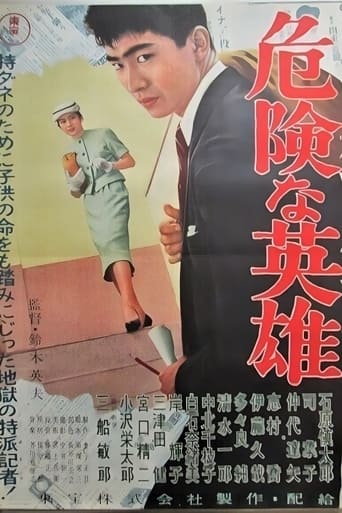 9.0
After the son of a wealthy man is kidnapped, a tenacious young reporter decides to find the culprit.
A Dangerous Hero
1957
 NR
Born to a prestigious family, Natsuko is not impressed by any one of her suitors. Determined to spend her life serving god, she sets off to a convent in Hakodate, Hokkaido, and meets along the way a young bear-hunter with whom she begins an adventure.
Natsuko’s Adventure in Hokkaido
1953
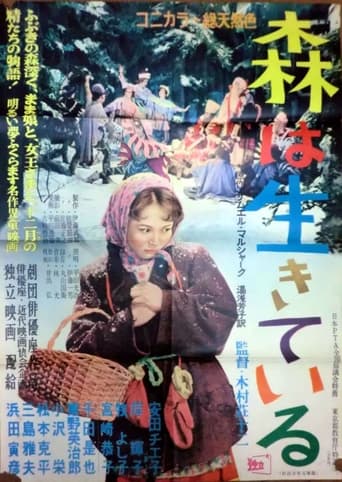 NR
Film adaptation of the stage version of Samuil Marshak's "Twelve Months"
The Forest Is Alive
1956
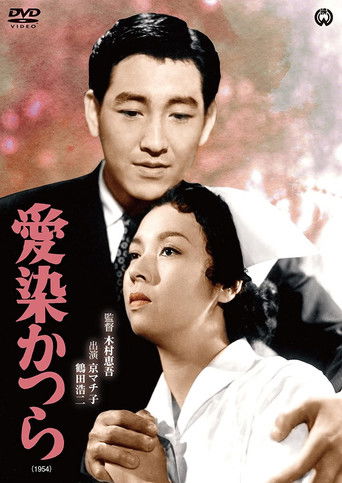 8.0
1954 Japanese movie
Tree of Love
1954
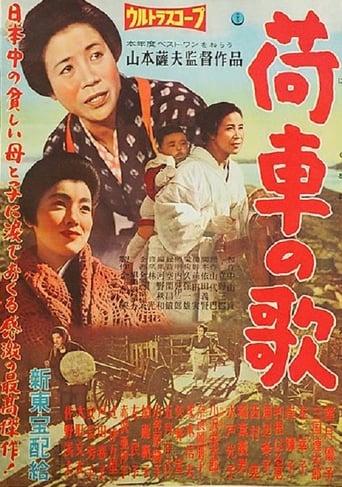 6.9
A lifetime story of a woman who stubbornly lives in a poor mountain village in post-war Japan.
The Song of the Cart
1959
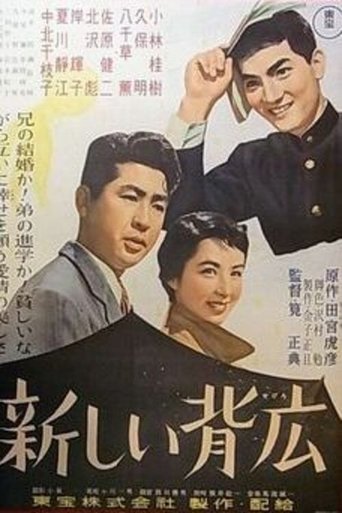 NR
This movie depicts poor yet kind and modest people, focusing on sibling love.
Atarashii Sebiro
1957
No synopsis available yet.
Bride in the Kitchen
1955
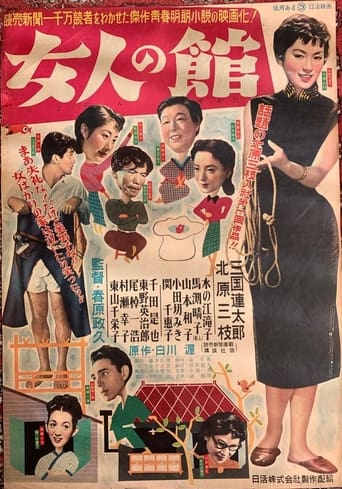 6.0
After Shuichiro moved to Tokyo, the Tanno family became completely female, including Mrs. Tanno, Shuichiro's daughter-in-law Manzuko, painter Takashiro Egi, Shizu Kazemaki, Mitsue Nanbu, an intellectual who works in a university laboratory, and an old woman.
Women's House
1954
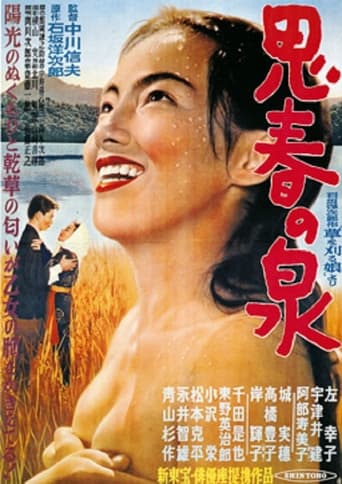 7.0
The long-awaited haymaking season has arrived on the island of Honshu. Work is in full swing in the fields, with young and old alike toiling away. For the young woman Moyoko and the young man Tokizo, it is more fun than work. Both are young, cheerful, excited by the shared anticipation of the harvest festival, and not yet aware that they are beginning to fall in love with each other. That is why the first timid hint of confession causes such turmoil in their souls and almost leads to a serious quarrel. Their quarrelsome aunts did the lovers a disservice...
Shishun no izumi
1953
 7.1
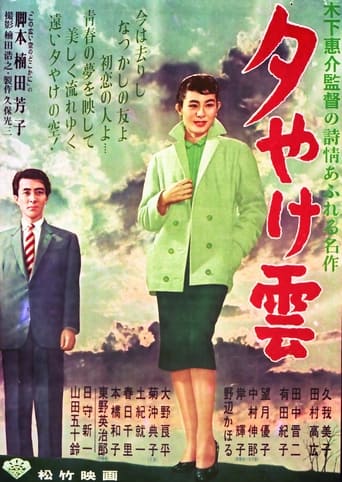
A coming-of-age story portrayed as the loss of all youthful illusions. Sixteen-year-old Yoichi dreams of becoming a sailor. His parents are fishmongers, and Yoichi lives together with them and his four siblings in cramped living conditions. His beloved younger sister is given to a wealthy, childless uncle; his best friend moves away; the girl he fell in love with from afar is with someone else: little by little, Yoichi loses all the people that are important to him.
Farewell to Dream
1956
 NR
Depicts the boyhood days of Dr. Noguchi, world famous bacteriologist, who was born in a poor village as a farmer's son.
The Boyhood of Dr. Noguchi
1956
1940s · 3 titles
7.6A bad day gets worse for young detective Murakami when a pickpocket steals his gun on a hot, crowded bus. Desperate to right the wrong, he goes undercover, scavenging Tokyo’s sweltering streets for the stray dog whose desperation has led him to a life of crime. With each step, cop and criminal’s lives become more intertwined and the investigation becomes an examination of Murakami’s own dark side.
Stray Dog
1949
 7.0
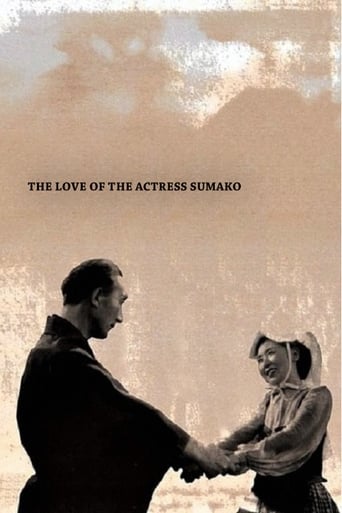
Stage director Shimamura, who is bringing western theatre to Japan, falls in love with outspoken actress Sumako Matsui, and leaves his family to be with her, while trying to keep his Art Theatre solvent.
The Love of the Actress Sumako
1947
 7.7
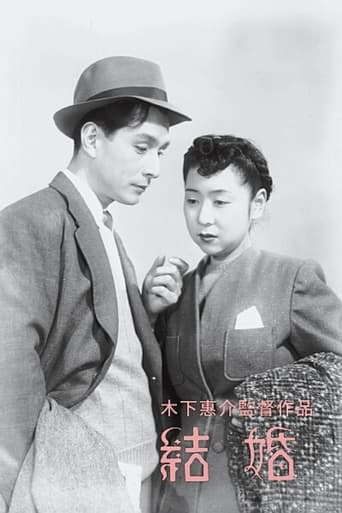
In postwar Japan a young woman is unable to marry her sweetheart because her family's in difficult circumstances and needs her income to keep afloat.
Marriage
1947