
Directing
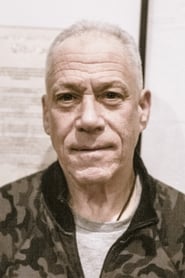
Jon Alpert
Born
1948-01-01 (78)
Place of birth
Port Chester, New York, USA
Known for
Directing
Credits
48 titles
From Wikipedia, the free encyclopedia Jon Alpert (born c. 1948) is an American journalist and documentary filmmaker, known for his use of a cinéma vérité approach in his films. A native of Port Chester, New York, Alpert is a 1970 graduate of Colgate University, and has a black belt in karate. Alpert has traveled widely as an investigative journalist, and has made films for NBC, PBS, and HBO. Over the course of his career, he has won 15 Emmy Awards and three DuPont-Columbia Awards. He has been nominated for a 2010 Academy Award in the category of Best Documentary, Short Subject for China's Unnatural Disaster: The Tears of Sichuan Province. He has reported from Vietnam, Cambodia, Iran, Nica…
Known for
Open Space was a programme produced by the BBC's Community Programme Unit. It was an evolution of the earlier Open Door series of programmes allowing minority points of view to make a television programme about issues of concern to them. The programmes were transmitted on BBC 2 in a mid-evening slot and would attract audiences between 500,000 and 1,500,000. In a typical year there would be two or three groups of up to eight Open Space programmes each usually half an hour long. A producer, an assistant and a budget of up to £25,000 would be allocated to each programme.
Open Space
1983
 6.3
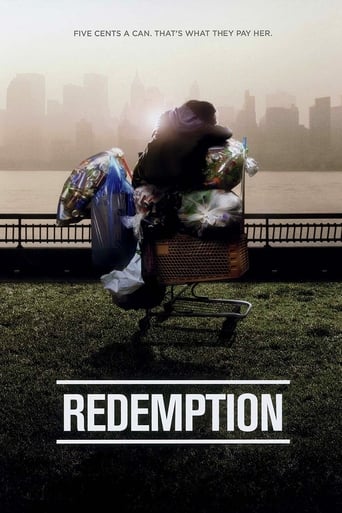
6.3Redemption is a documentary about New York City's canners - the men and women who survive by redeeming bottles and cans they collect from curbs, garbage cans and apartment complexes. You've seen them combing through the trash, but never got to meet them. The film is an unexpected and intimate look at post-industrial gleaners, struggling at the edge of our society.
Redemption
2013
 5.4
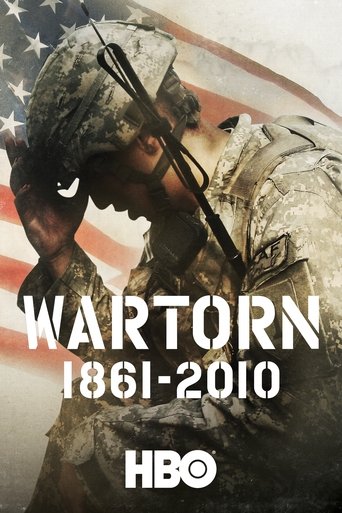
5.4With suicide rates among active military servicemen and veterans currently on the rise, this documentary brings urgent attention to the invisible wounds of war. Drawing on personal stories of American soldiers whose lives and psyches were torn asunder by the horrors of battle and PTSD, the documentary chronicles the lingering effects of combat stress and post-traumatic stress on military personnel and their families throughout American history, from the Civil War through today's conflicts in Iraq and Afghanistan.
Wartorn: 1861-2010
2010
 7.5
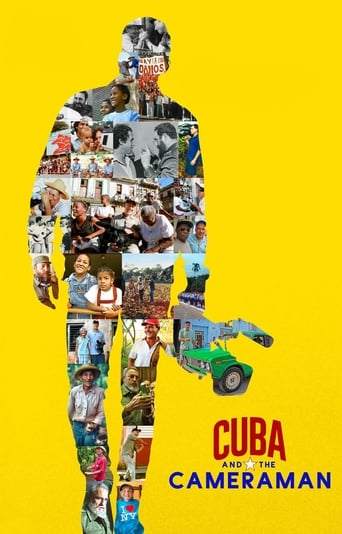
7.5This revealing portrait of Cuba follows the lives of Fidel Castro and three Cuban families affected by his policies over the last four decades.
Cuba and the Cameraman
2017
 8.0
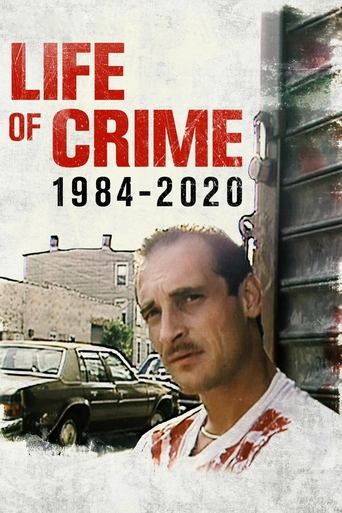
8.0An intimate documentary that looks at the vicious cycles of drug addiction and street crime in one of the roughest parts of New Jersey.
Life of Crime: 1984-2020
2021
 6.2
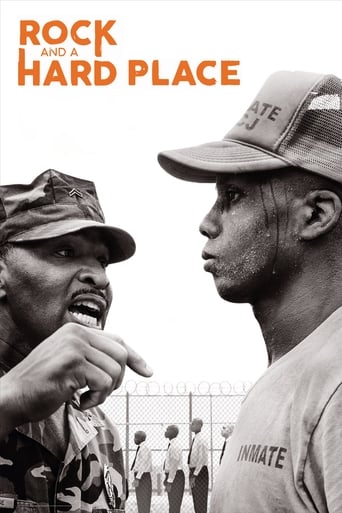
6.2A look at the Miami-Dade County Corrections and Rehabilitation Boot Camp Program, which allows young inmates undergo a strict six-week course in order to learn from their past mistakes and make a better future for themselves.
Rock and a Hard Place
2017
Film credits
2010s · 2 titles
7.5This revealing portrait of Cuba follows the lives of Fidel Castro and three Cuban families affected by his policies over the last four decades.
Cuba and the Cameraman
2017
 5.0
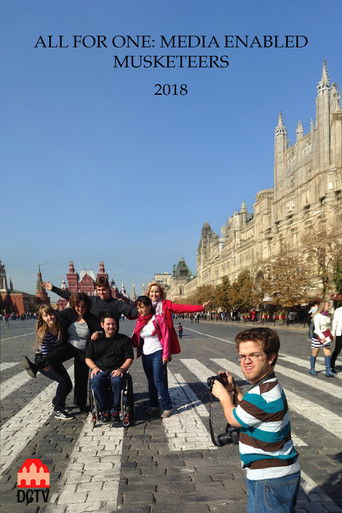
5.0American and Russian filmmakers with disabilities collaborate through an international exchange program to create films about their lives, using media as a tool for empowerment, advocacy, and cross-cultural connection.
All For One: Media Enabled Musketeers
2018
1990s · 1 titles
1970s · 2 titles
 NR
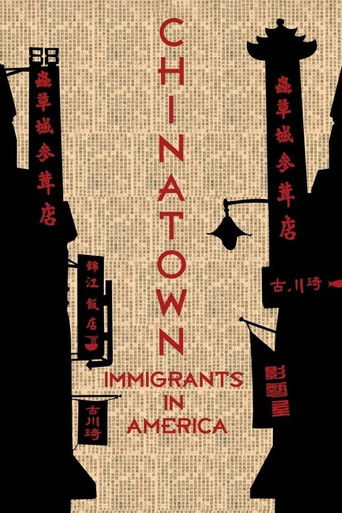
NRProduced by DCTV in response to what its makers saw as distorted media portrayals of New York City’s Chinatown, "Chinatown: Immigrants in America" (1976) offers an unvarnished portrait of an immigrant community confronting poverty, labor exploitation, and cultural displacement. Directed by Jon Alpert and Yoko Maruyama, the film documents restaurant, garment, and service workers enduring low wages and unsafe conditions while struggling to build lives in America.
Chinatown: Immigrants in America
1976
 NR
NRAs the first American television crew allowed into Cuba since the 1959 revolution, filmmakers Jon Alpert and Keiko Tsuno travel across the island documenting daily life under Fidel Castro. Through interviews with farmers, workers, and families, the film offers a rare ground-level portrait of Cuban society fifteen years after the revolution.
Cuba: The People
1974
Series credits
Behind the camera
6.3Redemption is a documentary about New York City's canners - the men and women who survive by redeeming bottles and cans they collect from curbs, garbage cans and apartment complexes. You've seen them combing through the trash, but never got to meet them. The film is an unexpected and intimate look at post-industrial gleaners, struggling at the edge of our society.
Redemption
2013
5.4With suicide rates among active military servicemen and veterans currently on the rise, this documentary brings urgent attention to the invisible wounds of war. Drawing on personal stories of American soldiers whose lives and psyches were torn asunder by the horrors of battle and PTSD, the documentary chronicles the lingering effects of combat stress and post-traumatic stress on military personnel and their families throughout American history, from the Civil War through today's conflicts in Iraq and Afghanistan.
Wartorn: 1861-2010
2010
7.5This revealing portrait of Cuba follows the lives of Fidel Castro and three Cuban families affected by his policies over the last four decades.
Cuba and the Cameraman
2017
7.5This revealing portrait of Cuba follows the lives of Fidel Castro and three Cuban families affected by his policies over the last four decades.
Cuba and the Cameraman
2017
8.0An intimate documentary that looks at the vicious cycles of drug addiction and street crime in one of the roughest parts of New Jersey.
Life of Crime: 1984-2020
2021
6.2A look at the Miami-Dade County Corrections and Rehabilitation Boot Camp Program, which allows young inmates undergo a strict six-week course in order to learn from their past mistakes and make a better future for themselves.
Rock and a Hard Place
2017
 8.0
8.0With more than 50 million Latinos now living in the United States, Latinos are taking their seat at the table as the new American power brokers in the world of entertainment, business, politics and the arts. As Latinos’ influence in American society has soared, they have entered mainstream American culture, and the proof is in the music. Executive produced by legendary music mogul Tommy Mottola, THE LATIN EXPLOSION: A NEW AMERICA features a dazzling array of artists at the center of Latino cultural power and influence, including Marc Anthony, Emilio Estefan Jr., Gloria Estefan, José Feliciano, Eva Longoria, George Lopez, Jennifer Lopez, Los Lobos, Cheech Marin, Ricky Martin, Rita Moreno, Pitbull, Romeo Santos, Shakira, Thalía and Sofía Vergara. Narrated by John Leguizamo.
The Latin Explosion: A New America
2015
 6.0
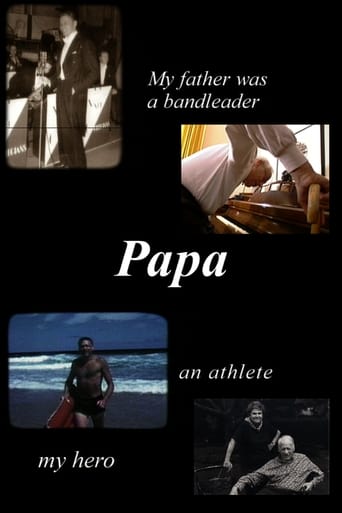
6.0Filmmaker Jon Alpert turns the camera on his own family in this intimate portrait of his aging father. As illness and declining vitality reshape his life, the film captures a deeply personal struggle with dignity, humor, and the bonds that hold a family together.
Papa
2002
 5.7
5.7With footage shot in the center of Egypt's Tahrir Square from the beginning of the battles to the climax of the celebration, audiences experience first-hand the people-powered revolt that brought down a dictator and changed Egypt forever.
In Tahrir Square: 18 Days of Egypt's Unfinished Revolution
2012
 5.0
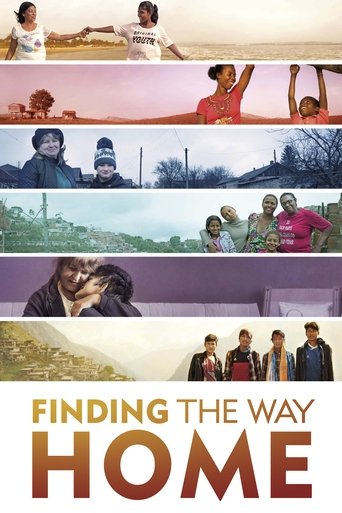
5.0A look at the distressing circumstances for millions of children living in orphanages and other institutions around the world as J.K. Rowling's LUMOS foundation works to reunite them with family members or place them in foster homes.
Finding the Way Home
2019
5.0A look at the distressing circumstances for millions of children living in orphanages and other institutions around the world as J.K. Rowling's LUMOS foundation works to reunite them with family members or place them in foster homes.
Finding the Way Home
2019
 7.1
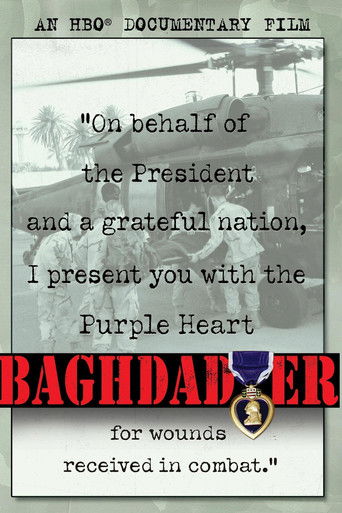
7.1Produced and directed by 11-time Emmy Award-winner Jon Alpert, this 64-minute verite documentary takes an unforgettable look inside the 86th Combat Support Hospital (CSH), the U.S. Army's premier medical facility in Iraq and former site of one of Saddam Hussein?s elite medical facilities. Shot over two months in the summer of 2005, the film puts a human face on the war's cold casualty statistics, as doctors and nurses fight to save the lives of wounded soldiers who are Medevaced (helicoptered) in a numbingly routine basis.
Baghdad ER
2006
7.1Produced and directed by 11-time Emmy Award-winner Jon Alpert, this 64-minute verite documentary takes an unforgettable look inside the 86th Combat Support Hospital (CSH), the U.S. Army's premier medical facility in Iraq and former site of one of Saddam Hussein?s elite medical facilities. Shot over two months in the summer of 2005, the film puts a human face on the war's cold casualty statistics, as doctors and nurses fight to save the lives of wounded soldiers who are Medevaced (helicoptered) in a numbingly routine basis.
Baghdad ER
2006
 NR
NRThe University of Tennessee lady volunteer basketball team is followed during their 1996 season.
A Cinderella Season: The Lady Vols Fight Back
1998
 6.0
6.0It has been called "the saddest acre in America." It is also one of the most sacred. Section 60 in Arlington National Cemetery is the final resting place for young men and women who died fighting in Iraq and Afghanistan. This emotional documentary filmed entirely in Section 60 provides intimate glimpses of family and friends who have come to honor their loved ones.
Section 60: Arlington National Cemetery
2008
6.0It has been called "the saddest acre in America." It is also one of the most sacred. Section 60 in Arlington National Cemetery is the final resting place for young men and women who died fighting in Iraq and Afghanistan. This emotional documentary filmed entirely in Section 60 provides intimate glimpses of family and friends who have come to honor their loved ones.
Section 60: Arlington National Cemetery
2008
 7.3
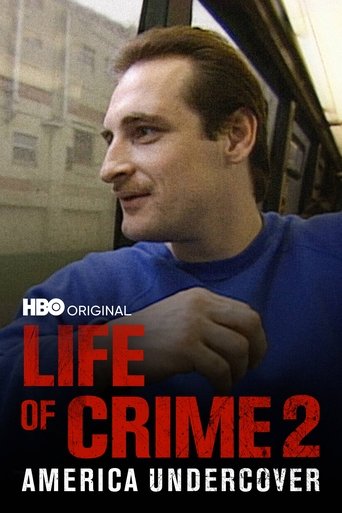
7.3This follow-up to the 1989 documentary ONE YEAR IN A LIFE OF CRIME revisits three of the original subjects in New Jersey during a five-year period in the 1990s. We share in their triumphs and setbacks as they navigate lives of poverty, drug abuse, AIDS, and petty crime.
Life of Crime 2
1998
7.3This follow-up to the 1989 documentary ONE YEAR IN A LIFE OF CRIME revisits three of the original subjects in New Jersey during a five-year period in the 1990s. We share in their triumphs and setbacks as they navigate lives of poverty, drug abuse, AIDS, and petty crime.
Life of Crime 2
1998
 6.0
6.0In a war that has left more than 25,000 wounded, ALIVE DAY MEMORIES: HOME FROM IRAQ looks at a new generation of veterans. Executive Producer James Gandolfini interviews ten Soldiers and Marines who reveal their feelings on their future, their severe disabilities and their devotion to America. The documentary surveys the physical and emotional cost of war through memories of their "alive day," the day they narrowly escaped death in Iraq.
Alive Day Memories: Home from Iraq
2007
6.0In a war that has left more than 25,000 wounded, ALIVE DAY MEMORIES: HOME FROM IRAQ looks at a new generation of veterans. Executive Producer James Gandolfini interviews ten Soldiers and Marines who reveal their feelings on their future, their severe disabilities and their devotion to America. The documentary surveys the physical and emotional cost of war through memories of their "alive day," the day they narrowly escaped death in Iraq.
Alive Day Memories: Home from Iraq
2007
 4.8
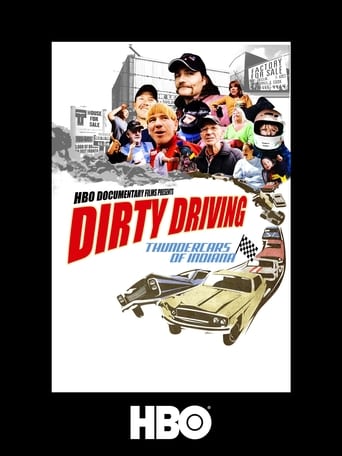
4.8Auto racing is an obsession in Anderson, Indiana. Even with local auto factories closing down and jobs being lost, the town's residents continue to flock to the local speedway every Friday night--and its drivers continue to pour their dwindling resources into their Thundercars. Emmy(R)-winning filmmaker Jon Alpert presents this look at this passion for racing in rust-belt America. Since the closing of a GM plant and the loss of 33,000 jobs, the once-thriving town of Anderson now stands witness to empty factories, shuttered stores and abandoned home--but also to packed houses at Anderson Speedway where people put their troubles on hold to watch the cacophony of screeching tires and crashing metal as drivers vie for Thundercar supremacy.
Dirty Driving: Thundercars Of Indiana
2008
4.8Auto racing is an obsession in Anderson, Indiana. Even with local auto factories closing down and jobs being lost, the town's residents continue to flock to the local speedway every Friday night--and its drivers continue to pour their dwindling resources into their Thundercars. Emmy(R)-winning filmmaker Jon Alpert presents this look at this passion for racing in rust-belt America. Since the closing of a GM plant and the loss of 33,000 jobs, the once-thriving town of Anderson now stands witness to empty factories, shuttered stores and abandoned home--but also to packed houses at Anderson Speedway where people put their troubles on hold to watch the cacophony of screeching tires and crashing metal as drivers vie for Thundercar supremacy.
Dirty Driving: Thundercars Of Indiana
2008
NRProduced by DCTV in response to what its makers saw as distorted media portrayals of New York City’s Chinatown, "Chinatown: Immigrants in America" (1976) offers an unvarnished portrait of an immigrant community confronting poverty, labor exploitation, and cultural displacement. Directed by Jon Alpert and Yoko Maruyama, the film documents restaurant, garment, and service workers enduring low wages and unsafe conditions while struggling to build lives in America.
Chinatown: Immigrants in America
1976
NRProduced by DCTV in response to what its makers saw as distorted media portrayals of New York City’s Chinatown, "Chinatown: Immigrants in America" (1976) offers an unvarnished portrait of an immigrant community confronting poverty, labor exploitation, and cultural displacement. Directed by Jon Alpert and Yoko Maruyama, the film documents restaurant, garment, and service workers enduring low wages and unsafe conditions while struggling to build lives in America.
Chinatown: Immigrants in America
1976
 6.7
6.7Documents 18 months in the lives of three crack addicts in Lowell, Massachusetts.
High on Crack Street: Lost Lives in Lowell
1995
6.7Documents 18 months in the lives of three crack addicts in Lowell, Massachusetts.
High on Crack Street: Lost Lives in Lowell
1995
 6.6
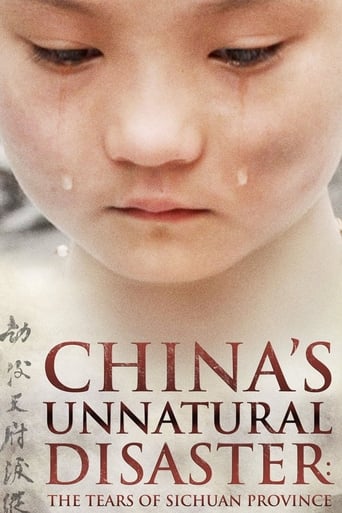
6.6On May 12, 2008, a catastrophic earthquake hit Sichuan Province in rural China, killing nearly 70,000 people, including 10,000 children. In town after town, poorly constructed school buildings crumbled, wiping out classrooms filled with students, most of them their parents' only child. But when grieving mothers and fathers sought explanations and justice, they found their path blocked by incompetence, corruption and empty promises.
China's Unnatural Disaster: The Tears of Sichuan Province
2009
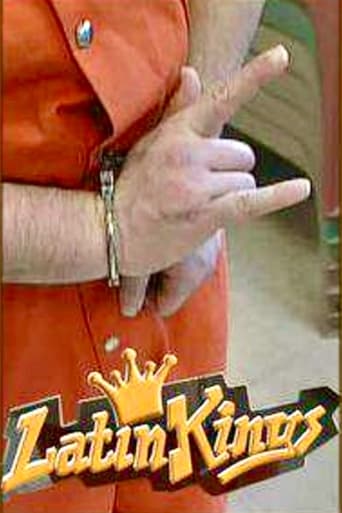 8.0
8.0Documentary on Antonio "King Tone" Fernandez and his gang, the Latin Kings, whose main target was to protect Latin people.
Latin Kings: A Street Gang Story
2007
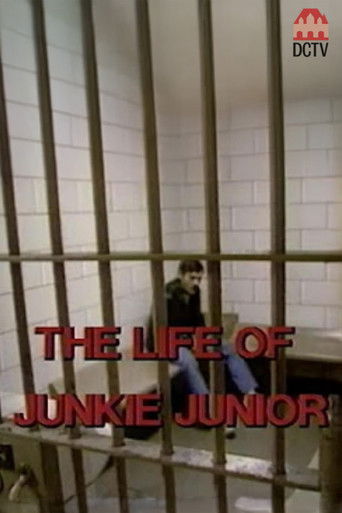 7.0
7.0A five-year portrait of Junior Rios' descent into the black hole of drug addiction which will ultimately cost him everything.
The Story of Junkie Junior
1987
7.0A five-year portrait of Junior Rios' descent into the black hole of drug addiction which will ultimately cost him everything.
The Story of Junkie Junior
1987
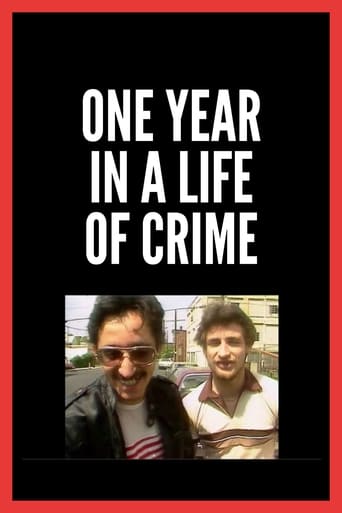 6.7
6.7Their job is stealing, their lives a cruel dead end. Director Jon Alpert takes his cameras undercover for this hard-hitting look at men who live by theft and suffer addiction. Focusing on a year in the lives of three professional criminals, this gritty profile—which includes hidden-camera footage of actual thefts—exposes the "petty" crimes that are paralyzing America.
One Year in a Life of Crime
1989
6.7Their job is stealing, their lives a cruel dead end. Director Jon Alpert takes his cameras undercover for this hard-hitting look at men who live by theft and suffer addiction. Focusing on a year in the lives of three professional criminals, this gritty profile—which includes hidden-camera footage of actual thefts—exposes the "petty" crimes that are paralyzing America.
One Year in a Life of Crime
1989
 5.3
5.3Assembled by some of the nation's top documentary filmmakers, this centerpiece film in HBO's 'Addiction' campaign features insights from experts on trends and treatments in the ongoing battle against drug and alcohol abuse. This documentary consists of nine segments that focus on case studies and cutting-edge treatments that challenge traditional beliefs about addiction.
Addiction
2007
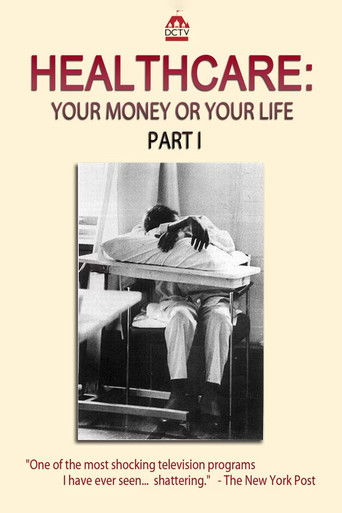 NR
NR"Healthcare: Your Money or Your Life" (1977) is a DCTV investigative documentary examining the impact of budget cuts and resource shortages on a Brooklyn public hospital. Contrasting Kings County Hospital with the better-funded Downstate Medical Center across the street, the film exposes structural inequalities in the American healthcare system.
Healthcare: Your Money or Your Life
1978
 4.3
4.3A rare look inside Cuba’s LGBT community, this compelling film follows the efforts of Mariela Castro, daughter of President Raúl Castro, as she champions LGBT social reforms and acceptance of diversity.
Mariela Castro's March: Cuba's LGBT Revolution
2016
NRAs the first American television crew allowed into Cuba since the 1959 revolution, filmmakers Jon Alpert and Keiko Tsuno travel across the island documenting daily life under Fidel Castro. Through interviews with farmers, workers, and families, the film offers a rare ground-level portrait of Cuban society fifteen years after the revolution.
Cuba: The People
1974
NRAs the first American television crew allowed into Cuba since the 1959 revolution, filmmakers Jon Alpert and Keiko Tsuno travel across the island documenting daily life under Fidel Castro. Through interviews with farmers, workers, and families, the film offers a rare ground-level portrait of Cuban society fifteen years after the revolution.
Cuba: The People
1974
NRAs the first American television crew allowed into Cuba since the 1959 revolution, filmmakers Jon Alpert and Keiko Tsuno travel across the island documenting daily life under Fidel Castro. Through interviews with farmers, workers, and families, the film offers a rare ground-level portrait of Cuban society fifteen years after the revolution.
Cuba: The People
1974
 10.0
10.0The stories of six "ordinary" people who live or work along New York City's Third Avenue, which runs for sixteen miles through Manhattan, Brooklyn, and the Bronx, cutting through the complex social strata of the city to reveal wildly different economic and ethnic subcultures.
Third Avenue: Only the Strong Survive
1980
Afghanistan: From Ground Zero to Ground Zero is the story of Masuda Sultan, a 23-year-old Afghan-American woman who travels back to Kandahar, Afghanistan to see what has become of her country. Masuda is delighted to see the yoke of the Taliban lifted, but horrified to find out what happened to her family. Seeking refuge from the American bombing, a large number of her family escaped to the small village of Chowkar-karez, 60 miles north of Kandahar. On October 22, 2001 Chowkar-Karez was attacked by the American military. 41 civilians were killed. 19 of them were members of Masuda's family. Masuda, who supports America's effort against terrorism, wants to know why her family had to die in the desert.
Afghanistan: From Ground Zero to Ground Zero
2002