

Acting
Bonnie Bannon
Born — Died
1913-06-23 — 1989-02-14
Place of birth
Tulare County, California, USA
Known for
Acting
Credits
24 titles
Bonnie Bannon (June 23, 1913 – February 14, 1989), born Pauline Frances Bannon, was an American actress, dancer, and model in the 1930s and 1940s. Pauline Frances Bannon was born in Tulare County, California, the daughter of Walter Andrew Bannon and Juanita Alma Strong Bannon. Her father sold agricultural supplies. She graduated from Fresno High School in 1932; she was active in school theatrical productions. Her great-grandfather Charles P. Converse was a noted lumberman in California. Bannon won a screen test and a contract with Warner Bros. after entering a local beauty contest in 1933. She appeared Gold Diggers of 1933 and Advice to the Lovelorn (1933) soon after, followed by Broadway …
Known for
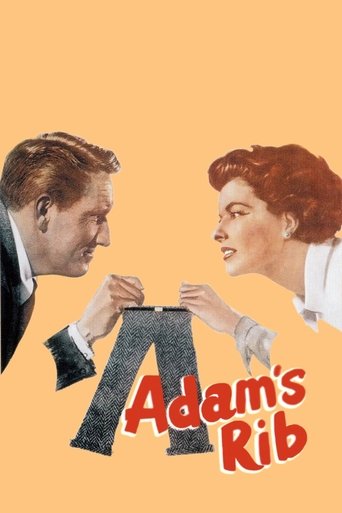 7.1
7.1A woman's attempted murder of her uncaring husband results in everyday quarrels in the lives of Adam and Amanda, a pair of happily married lawyers who end up on opposite sides of the case in court.
Adam's Rib
1949
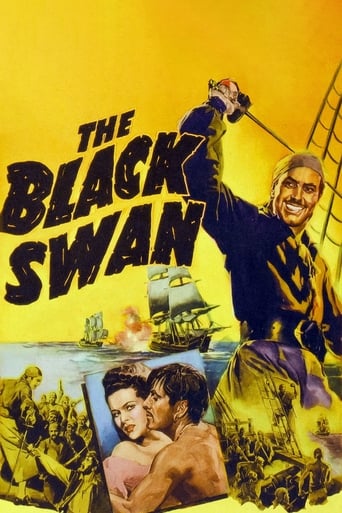 6.5
6.5When notorious pirate Henry Morgan is made governor of Jamaica, he enlists the help of some of his former partners in ridding the Caribbean of buccaneers. When one of them apparently abducts the previous governor's pretty daughter and joins up with the rebels, things are set for a fight.
The Black Swan
1942
 7.2
7.2When all Broadway shows are shut down during the Depression, a trio of desperate showgirls scheme to bilk a repugnant high society man of his money to keep their show going.
Gold Diggers of 1933
1933
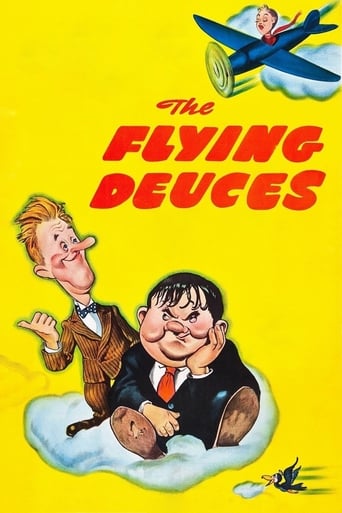 6.4
6.4Ollie falls in love with a woman. When he discovers she's already married, he unsuccessfully attempts suicide but he and Stan then decide to join the Foreign Legion to get away from their troubles. When they’re arrested for soon trying to desert the Legion—they escape a firing squad by stealing an aircraft.
The Flying Deuces
1939
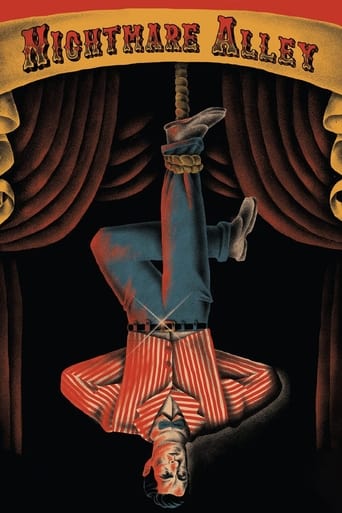 7.2
7.2A roustabout joins a traveling carny and schemes to figure out the mind-reading act of Mademoiselle Zeena and her alcoholic husband.
Nightmare Alley
1947
 6.6
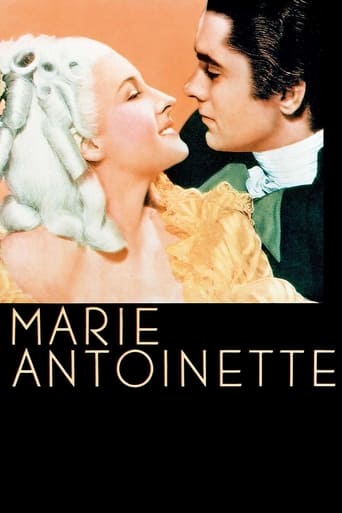
6.6The young Austrian princess Marie Antoinette is arranged to marry Louis XVI, future king of France, in a politically advantageous marriage for the rival countries. The opulent Marie indulges in various whims and flirtations. When Louis XV passes and Louis XVI ascends the French throne, his queen's extravagant lifestyle earns the hatred of the French people, who despise her Austrian heritage.
Marie Antoinette
1938
Film credits
1950s · 1 titles
1940s · 5 titles
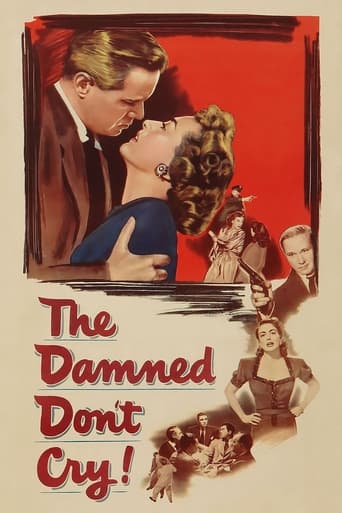
7.1A woman's attempted murder of her uncaring husband results in everyday quarrels in the lives of Adam and Amanda, a pair of happily married lawyers who end up on opposite sides of the case in court.
Adam's Rib
1949
6.5When notorious pirate Henry Morgan is made governor of Jamaica, he enlists the help of some of his former partners in ridding the Caribbean of buccaneers. When one of them apparently abducts the previous governor's pretty daughter and joins up with the rebels, things are set for a fight.
The Black Swan
1942
7.2A roustabout joins a traveling carny and schemes to figure out the mind-reading act of Mademoiselle Zeena and her alcoholic husband.
Nightmare Alley
1947
 6.6
6.6Alice Faye plays the title role in this 1940 film biography of the early-20th-century stage star.
Lillian Russell
1940
 8.0
8.0Singer Lili Brown is attracted to dance hall manager Duke till she realizes he does that to all the girls. Nice guy Duke sets her up with composer Joe Brooks.
Dance Hall
1941
1930s · 18 titles
7.2When all Broadway shows are shut down during the Depression, a trio of desperate showgirls scheme to bilk a repugnant high society man of his money to keep their show going.
Gold Diggers of 1933
1933
6.4Ollie falls in love with a woman. When he discovers she's already married, he unsuccessfully attempts suicide but he and Stan then decide to join the Foreign Legion to get away from their troubles. When they’re arrested for soon trying to desert the Legion—they escape a firing squad by stealing an aircraft.
The Flying Deuces
1939
6.6The young Austrian princess Marie Antoinette is arranged to marry Louis XVI, future king of France, in a politically advantageous marriage for the rival countries. The opulent Marie indulges in various whims and flirtations. When Louis XV passes and Louis XVI ascends the French throne, his queen's extravagant lifestyle earns the hatred of the French people, who despise her Austrian heritage.
Marie Antoinette
1938
 5.8
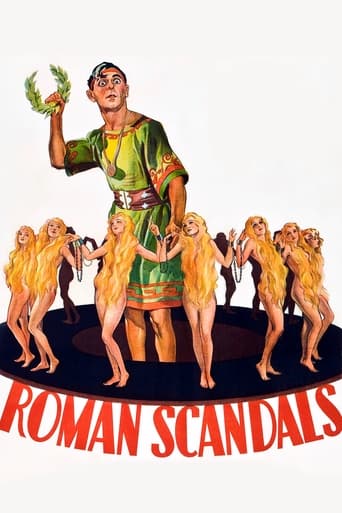
5.8A kind-hearted young man is thrown out of his corrupt home town of West Rome, Oklahoma. He falls asleep and dreams that he is back in the days of olden Rome, where he gets mixed up with court intrigue and a murder plot against the Emperor.
Roman Scandals
1933
 6.6
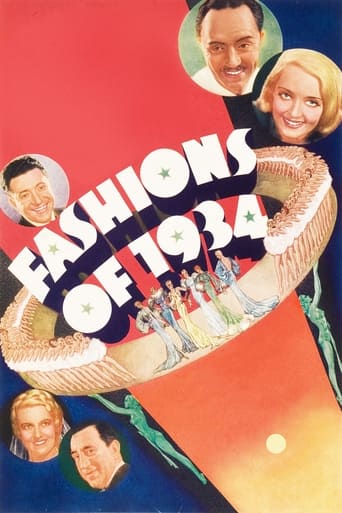
6.6When the Manhattan investment firm of Sherwood Nash goes broke, he joins forces with his partner Snap and fashion designer Lynn Mason to provide discount shops with cheap copies of Paris couture dresses.
Fashions of 1934
1934
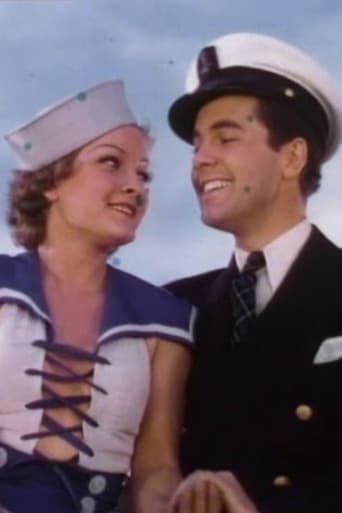 6.1
6.1Various Hollywood performers put on a pirate-themed variety show on Catalina Island, with a number of amiable stars in the audience.
Pirate Party on Catalina Isle
1935
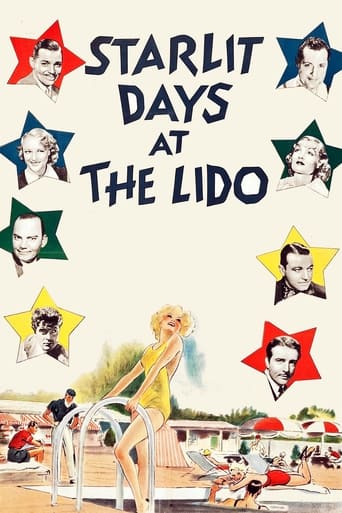 5.7
5.7Basically this is a commercial for Hollywood's Lido Lounge and for MGM contract players. The Lido is a large watering hole; we visit one afternoon with an orchestra playing, all sorts of stars and would-be stars sitting at tables near the pool alongside paying customers, and bathing beauties parading and diving. The Lido's manager, Reggy Denny, introduces the stars in the audience. He's sometimes interrupted by someone who does a bit, sings a song, or otherwise entertains: most of these are novelty acts. By the end, everyone's having a swell time.
Starlit Days at the Lido
1935
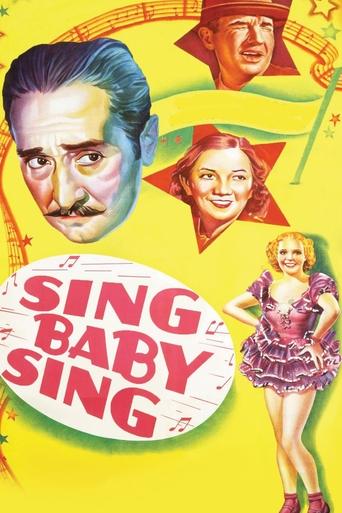 6.0
6.0The "Caliban-Ariel" romance of fiftysomething John Barrymore and teenager Elaine Barrie is spoofed in this delightful 20th Century Fox musical. Adolphe Menjou plays the Barrymore counterpart, a loose-living movie star with a penchant for wine, women, and more wine. Alice Faye plays a nightclub singer hungry for publicity. Her agent (Gregory Ratoff) arranges a "romance" between Faye and Menjou. Eventually Faye winds up with Michael Whalen, allowing Menjou to continue his blissful, bibulous bachelorhood. Sing, Baby, Sing represented the feature-film debut of the Ritz Brothers, who are in top form in their specialty numbers--and who are awarded a final curtain call after the "The End" title, just so the audience won't forget them (The same device was used to introduce British actor George Sanders in Fox's Lancer Spy [37]).
Sing, Baby, Sing
1936
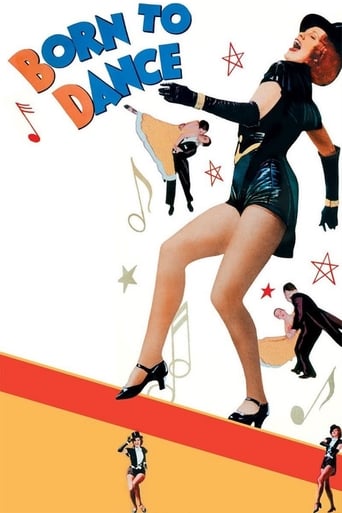 6.1
6.1On leave, a sailor falls in love with a young lady aspiring to become a Broadway dancer, but their relationship is jeopardized by an established Broadway star, who is also enamored by him.
Born to Dance
1936
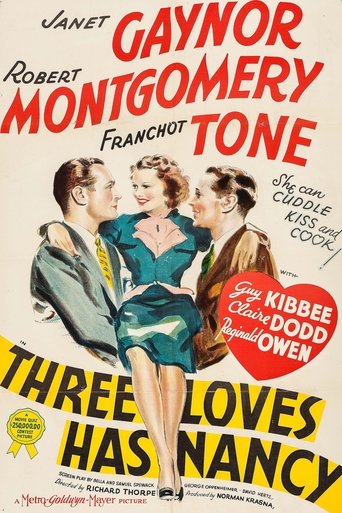 4.2
4.2A small-town country homebody goes to New York to find her missing fiancé and gets romantically involved with two sophisticated men.
Three Loves Has Nancy
1938
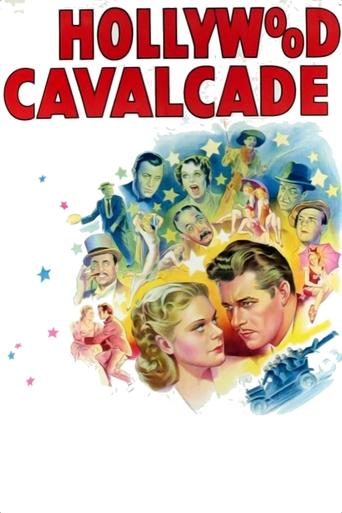 6.2
6.2Starting in 1913 movie director Connors discovers singer Molly Adair. As she becomes a star she marries an actor, so Connors fires them. She asks for him as director of her next film. Many silent stars shown making the transition to sound.
Hollywood Cavalcade
1939
 4.5
4.5A series of vignettes with a loose plot. Featured are Frank Morgan, Groucho Marx, Frank McHugh, Robert Benchley and The Brian Sisters. Not bad, more interesting for the historical significance than for entertainment.
Sunday Night at the Trocadero
1937
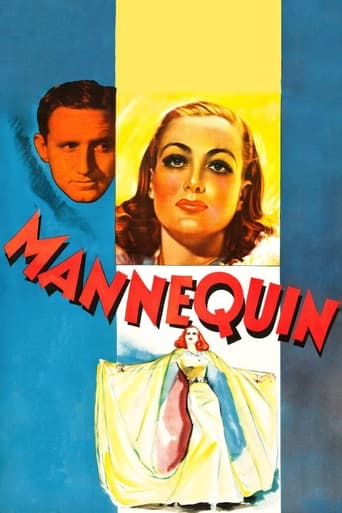 6.0
6.0Jessie, a young working class woman, seeks to improve her life by marrying her boyfriend, only to find out that he is no better than what she left behind.
Mannequin
1938
 6.5
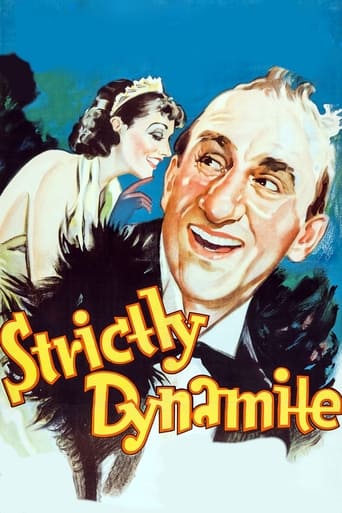
6.5A failed poet ends up becoming a gag writer for a bombastic comedian.
Strictly Dynamite
1934
 7.3
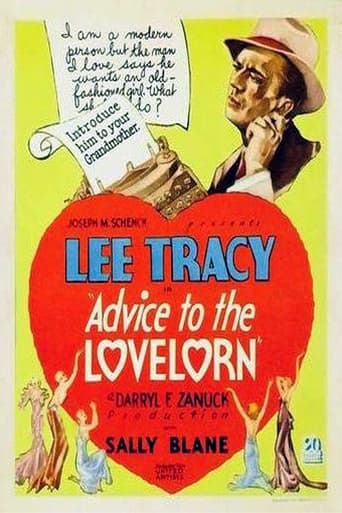
7.3Los Angeles newspaper reporter Toby Prentiss is continually in trouble with his editor. He is demoted to running the paper's "Miss Lonelyhearts" advice column because he missed the scoop on a major earthquake whilst out on the town. Determined to be fired from the column he starts to give crazy advice to the readers, but this only makes him even more popular.
Advice to the Lovelorn
1933
 5.2
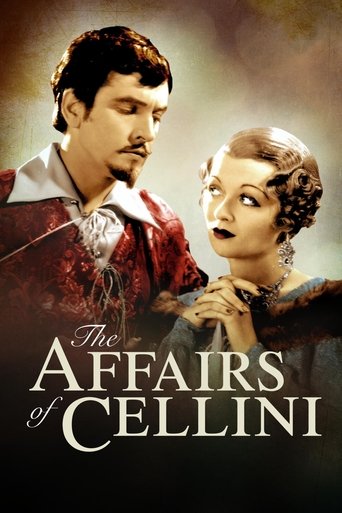
5.2The 16th-century sculptor woos the Duchess of Florence despite the duke.
The Affairs of Cellini
1934
 7.0
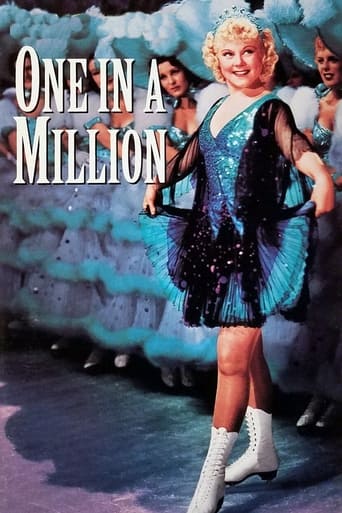
7.0American theatrical manager discovers Greta Muller preparing for the Olympics in Switzerland and brings her to Madison Square Garden.
One in a Million
1937
Alfalfa imagines himself as a western movie hero battling with Butch for Darla's heart.
The Little Ranger
1938