Known for
 6.0
6.0In the Meiji period, a schoolteacher tries to hide his lower-class upbringing as he supports a visiting liberal intellectual.
Apostasy
1948
 6.4
6.4Years of warfare end in a Japan unified under the Tokugawa shogunate, and samurai spy Sasuke Sarutobi, tired of conflict, longs for peace. When a high-ranking spy named Tatewaki Koriyama defects from the shogun to a rival clan, however, the world of swordsmen is thrown into turmoil. After Sasuke is unwittingly drawn into the conflict, he tracks Tatewaki, while a mysterious, white-hooded figure seems to hunt them both. By tale’s end, no one is who they seemed to be, and the truth is far more personal than anyone suspected. Director Masahiro Shinoda’s Samurai Spy, filled with clan intrigue, ninja spies, and multiple double crosses, marks a bold stylistic departure from swordplay film convention.
Samurai Spy
1965
 7.5
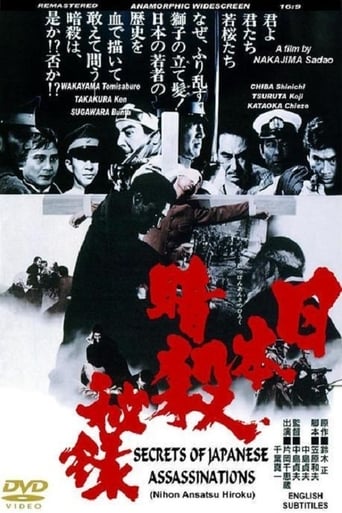
7.5This anthology film consists of nine incidents in the late 19th and early 20th centuries when assassins changed the course of Japanese history.
Memoir of Japanese Assassinations
1969
 7.1
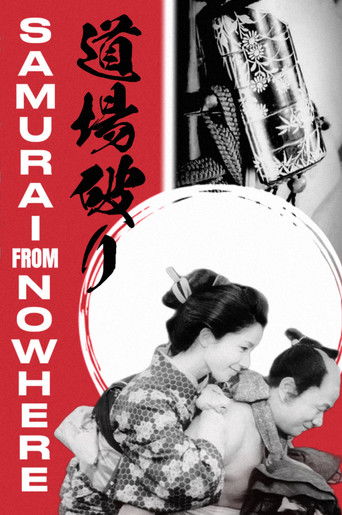
7.1Misawa Ihei (Nagato) is traveling with his wife Tae (Iwashita Shima) who abhors the practice of sword fighting for prize money. Tae is the daughter of the clan's chief counselor who married the low-ranking Ihei to avoid becoming the clan lord's mistress. Into the mix comes Oba Gunjuro (Tetsurō Tamba), a mysterious ronin who will do anything for money. This leads to a fitting climax as the forces of hate and love converge while the couple attempt to break through the border!
Samurai from Nowhere
1964
 7.1
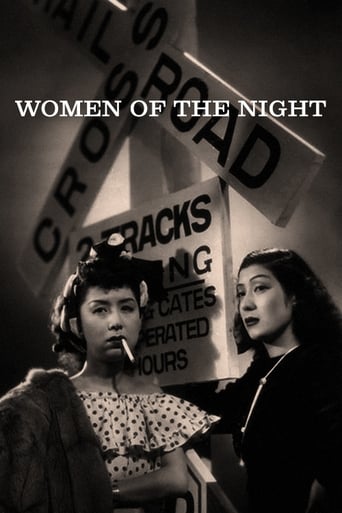
7.1In early post-war Osaka, three women—war widow Fusako, her Korean expat sister Natsuko, and Kumiko, Fusako's sister-in-law—descend into prostitution, all for their individual reasons.
Women of the Night
1948
 7.1
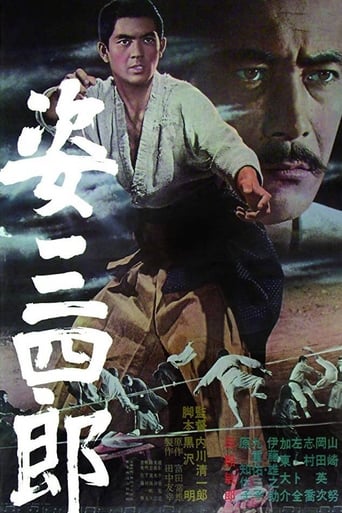
7.1Remake of Akira Kurosawa's films "Sanshiro Sugata and "Sanshiro Sugata Part II". A young man, Sanshiro Sugata, troubled by personal problems, takes up judo. His teacher, Shogoro Yano, is a devout man who has aroused the enmity of the local practitioners of jujitsu, the older and more accepted of the two sports. Sugata uses his newly learned prowess to gain a measure of respect from others; however, Shogoro insists that the sport has a spiritual side, a lesson Sugata has yet to learn. Eventually, in hand-to-hand combat with the father of a young woman he loves, he comes to understand the true meaning of judo.
Sanshiro Sugata
1965
Film credits
1970s · 2 titles
1960s · 31 titles
6.4Years of warfare end in a Japan unified under the Tokugawa shogunate, and samurai spy Sasuke Sarutobi, tired of conflict, longs for peace. When a high-ranking spy named Tatewaki Koriyama defects from the shogun to a rival clan, however, the world of swordsmen is thrown into turmoil. After Sasuke is unwittingly drawn into the conflict, he tracks Tatewaki, while a mysterious, white-hooded figure seems to hunt them both. By tale’s end, no one is who they seemed to be, and the truth is far more personal than anyone suspected. Director Masahiro Shinoda’s Samurai Spy, filled with clan intrigue, ninja spies, and multiple double crosses, marks a bold stylistic departure from swordplay film convention.
Samurai Spy
1965
7.5This anthology film consists of nine incidents in the late 19th and early 20th centuries when assassins changed the course of Japanese history.
Memoir of Japanese Assassinations
1969
7.1Misawa Ihei (Nagato) is traveling with his wife Tae (Iwashita Shima) who abhors the practice of sword fighting for prize money. Tae is the daughter of the clan's chief counselor who married the low-ranking Ihei to avoid becoming the clan lord's mistress. Into the mix comes Oba Gunjuro (Tetsurō Tamba), a mysterious ronin who will do anything for money. This leads to a fitting climax as the forces of hate and love converge while the couple attempt to break through the border!
Samurai from Nowhere
1964
7.1Remake of Akira Kurosawa's films "Sanshiro Sugata and "Sanshiro Sugata Part II". A young man, Sanshiro Sugata, troubled by personal problems, takes up judo. His teacher, Shogoro Yano, is a devout man who has aroused the enmity of the local practitioners of jujitsu, the older and more accepted of the two sports. Sugata uses his newly learned prowess to gain a measure of respect from others; however, Shogoro insists that the sport has a spiritual side, a lesson Sugata has yet to learn. Eventually, in hand-to-hand combat with the father of a young woman he loves, he comes to understand the true meaning of judo.
Sanshiro Sugata
1965
 7.1
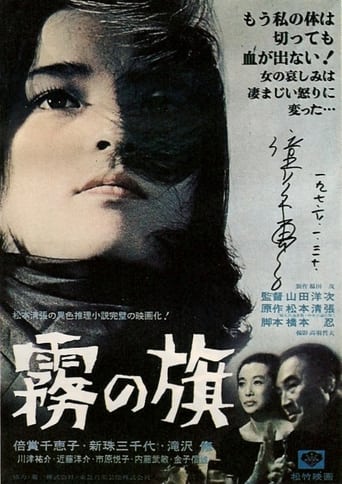
7.1When her only relative, her elder brother is accused of robbing and murdering an old woman loan-shark, pretty, young Kiriko travels from her home in Kyushu to Tokyo to get Japan's top lawyer to defend her brother. Unfortunately her naive idealism is shattered when the lawyer refuses to take the case based on her insufficient funds. What follows is a long determined revenge plot that sees the heroine become a Tokyo bar hostess and worse to punish the lawyer. The plot thickens with another murder mystery and a sleuthing reporter.
A Trap
1965
 5.1
5.1A group of military personnel transporting a hydrogen bomb are left to figure out how and why swarms of killer bugs took down their plane; the answer is more deliriously nihilistic, and convoluted, than they could imagine.
Genocide
1968
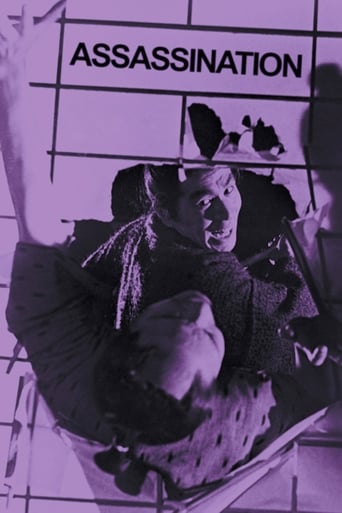 7.1
7.1In 1863, when American warships approach Japan, an enigmatic ronin becomes an important figure in a complex game of power between the Shogunate and the empire.
Assassination
1964
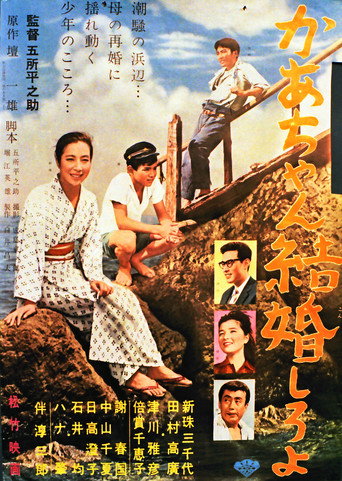 9.0
9.0No synopsis available yet.
Get Married, Mother
1962
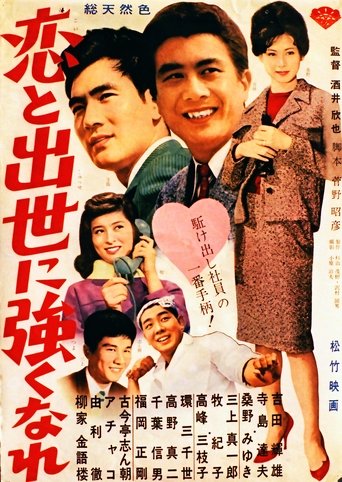 NR
NRNo synopsis available yet.
恋と出世に強くなれ!
1963
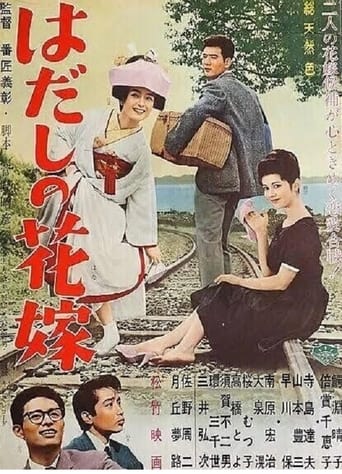 NR
NRJapanese comedy film.
Hadashi no hanayome
1962
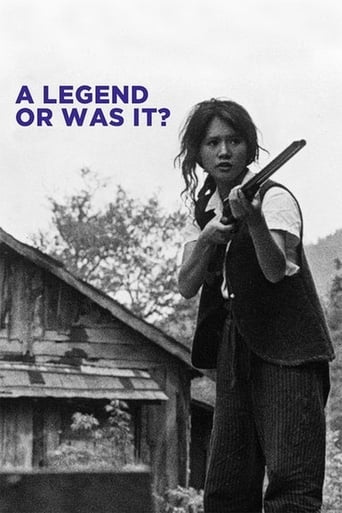 7.0
7.0A Tokyo family escaping the war relocates to a Hokkaido village; their daughter is set to marry the local leader's son, but her siblings disapprove.
A Legend or Was It?
1963
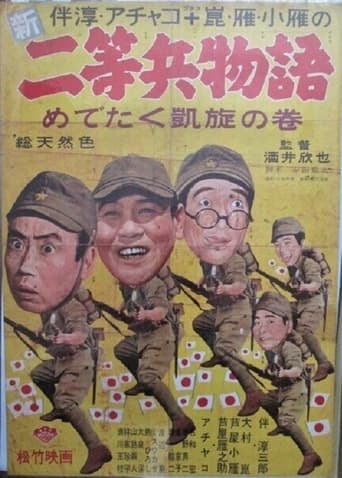 NR
NRSecond "Pfc. Story" sequel and the ninth and final sequel to "Story of Second Class Private", the only one in both series not directed by Seiichi Fukuda.
Shin nitōhei monogatari medetaku gaisen no maki
1961
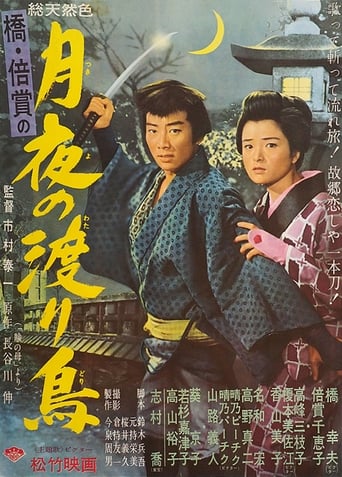 NR
NRA resolute young man searching for his mother, whom he was separated from as a child, defies a family who mistreat the poor and homeless.
The Image of Mother
1963
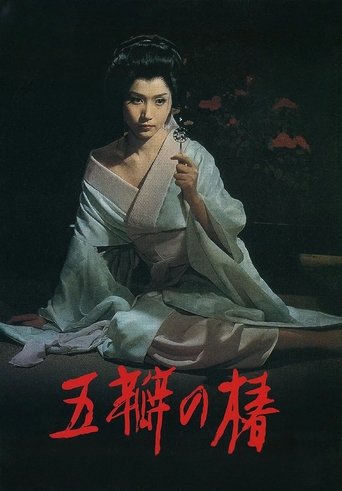 5.2
5.2A young woman begins murdering all those responsible for her ailing father's condition. Because the girl is so outwardly sweet and innocent, the detective looking into the deaths does not suspect her.
The Scarlet Camellia
1964
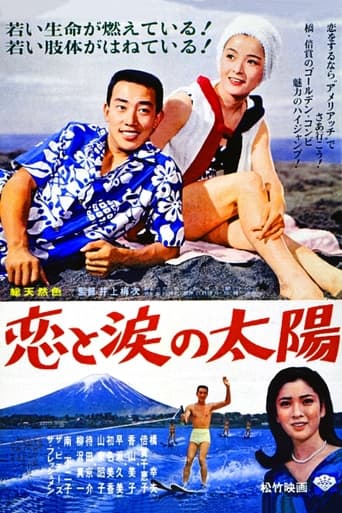 NR
NRThe golden duo of Yukio Hashi and Chieko Baisho. A film rich in a variety of songs, dances and falling in love to the rhythm of Yukio Hashi's song of the same name.
The Sun of Love and Tears
1966
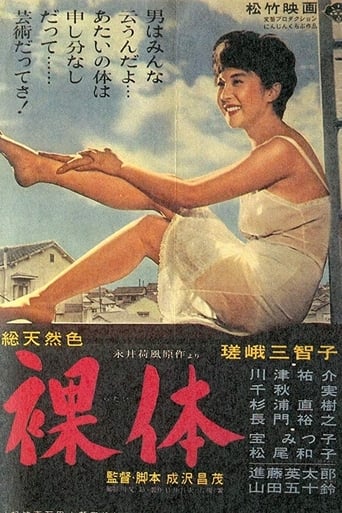 7.3
7.3The sexual experiences of the passionate Sakiko, from her fling with her boss in her first job to her ending up as a prostitute.
The Body
1962
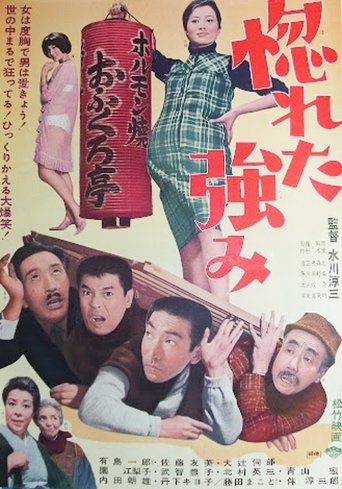 9.0
9.0A mayoral candidate and his love child.
The Mayor's Secret
1968
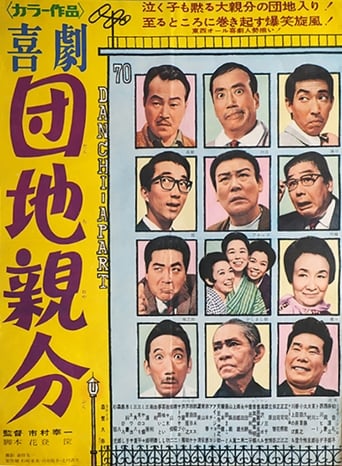 NR
NRA country boss gives up his way of life because of his daughter's marriage.
A Country Boss
1962
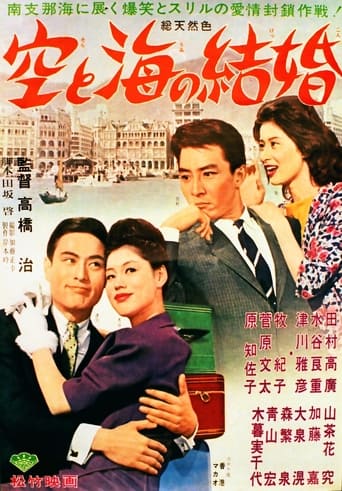 NR
NRA love comedy directed by Osamu Takahashi based on an original screenplay by Kei Tasaka.
Marriage of the Sky and the Sea
1962
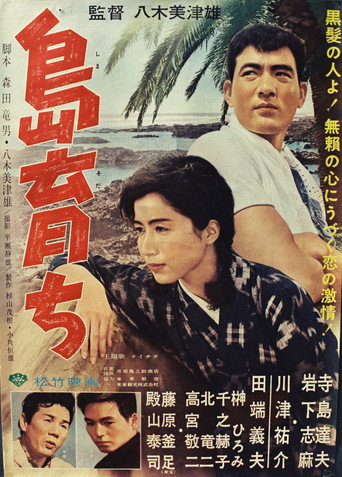 NR
NRA melodrama based on a hit song by Yoshio Tabata. Set on Kikaijima Island, the story depicts the love between a simple-hearted island girl and a down-to-earth island man.
Raised on an Island
1963
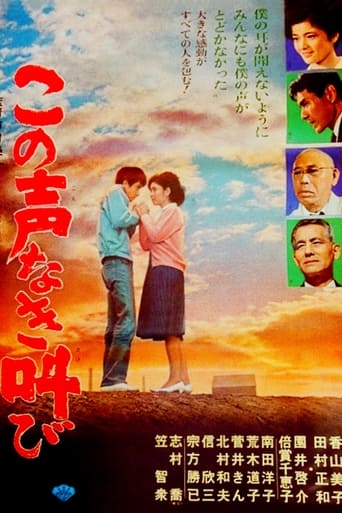 9.0
9.0Shinichi is not only poor, he is also deaf, and leads a joyless life with his sick mother. His one happiness is his friendship with a girl who works in a bar nearby. Then, one day, his mother dies after drinking the medicine that Shinichi himself gave her. It is discovered that the pills contained poison. He is apprehended on suspicion of murder and taken away for interrogation, unable to defend himself - being deaf and dumb - or even to proclaim his innocence.
The Soundless Cry
1965
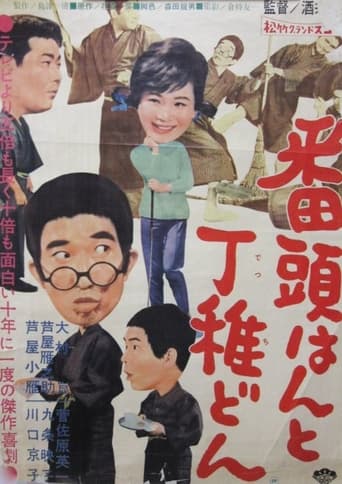 NR
NR1960 Japanese movie
Bantōhan to detchidon
1960
 NR
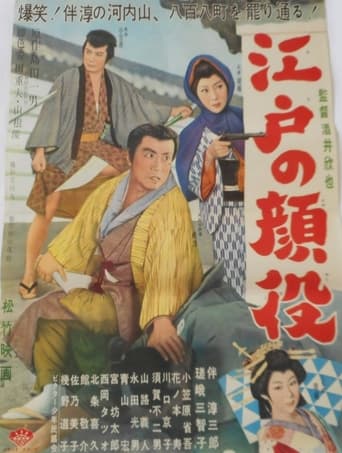
NRNo synopsis available yet.
Edo no kaoyaku
1960
 NR
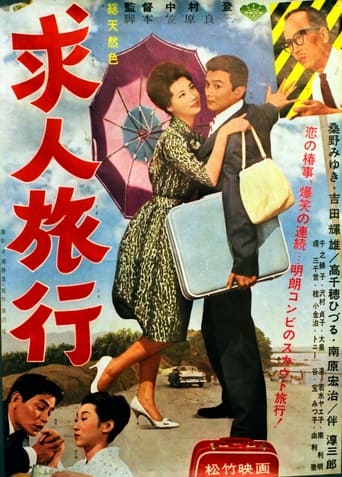
NR1962 Japanese movie
Kyūjin ryokō
1962
 NR
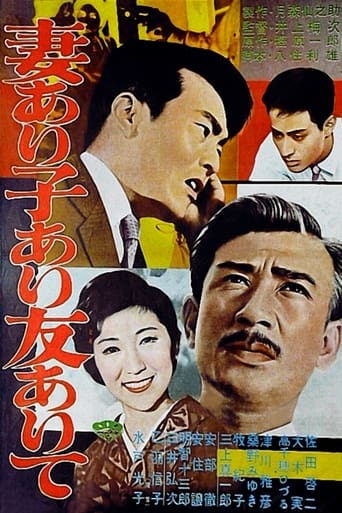
NRJapanese life during the past thirty-five turbulent years is depicted in this film through the eyes of two police detectives. One is Henmi, who comes to Tokyo in 1926 from faraway Kagoshima to join the Tokyo police force. His closest friend is Nihei, a farmer's son from Tohoku who becomes the steadying influence on headstrong Henmi.
With Wife, Children, and Friends
1961
 NR
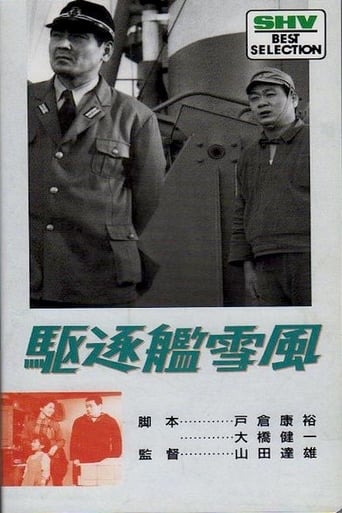
NRYutaro Kida, a worker at the Sasebo Naval Arsenal, volunteers for the navy but finds himself a cook's mate in the galley of a gunboat. But his dream is eventually realized when he is transferred to the new and powerful destroyer Yukikaze which he helped to build. When the Pacific War breaks out Yukikaze performs valiantly in the South Pacific, and while on shore leave, Kida meets and falls in love with Yukiko, younger sister of his commander.
Destroyer Yukikaze
1964
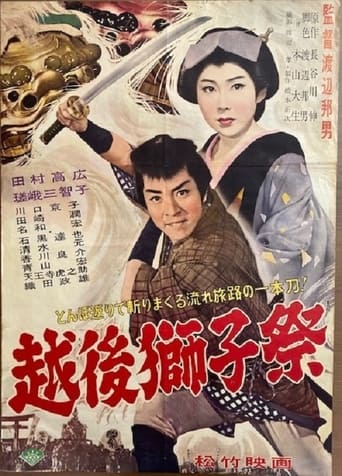 NR
NR1960 version of Lion Festival of Echigo
Echigo jishi-sai
1960
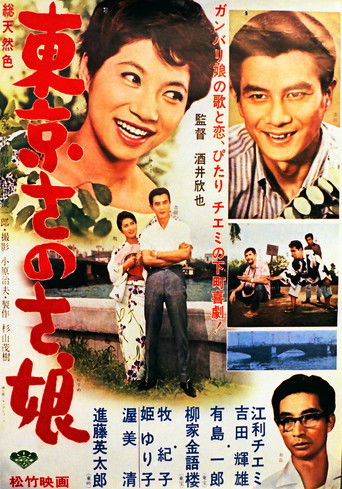 NR
NR1962 Japanese movie
Tōkyō sanosa musume
1962
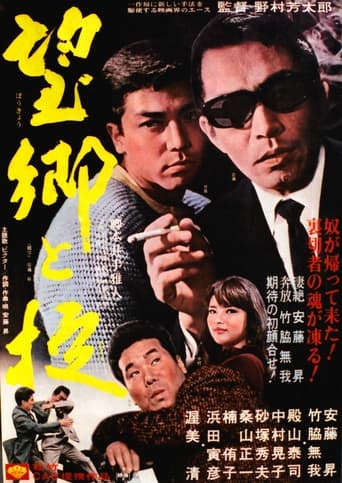 NR
NRShochiku's popular series of gang films, this one has the hero returning from prison bent on revenge. He runs into Chinese hoodlums, blackmailers and gold-smugglers. But he also aids and abets young lovers yet, despite his help, their love ends in tragedy and he tracks down his prey in Kobe.
The Betrayers Out!
1966
Japanese comedy film.
Rush to Our Sweetheart
1963
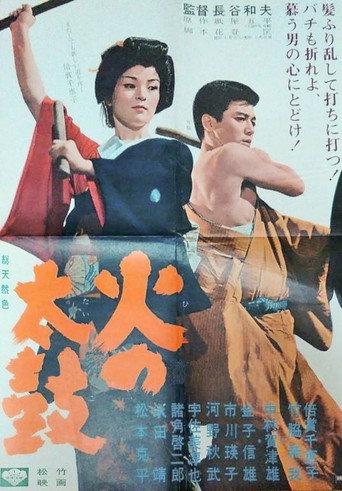 NR
NRA port town in the Hokuriku region, around the time the Meiji era was drawing to a close. Here, there was a strange custom dating back many years: whoever won the “Competitive Drumming” held on the night of the Spring Festival would gain control of that year’s fishing grounds. Consequently, the fishing boat owners went to great lengths—even resorting to underhanded tactics—to recruit the finest drummers.
Hi No Taiko
1966
1950s · 23 titles
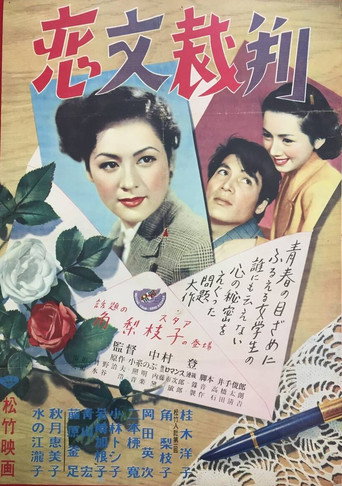 NR
NRThis story takes place at a school under the new educational system. It all began when a love letter addressed to Takeshi Kodama, the straightforward art teacher, from Yoko Kagawa, a young and beautiful female teacher, was found lying in the school hallway. It soon became clear that Ms. Kagawa was not the one who had written the letter, but this incident made her feel the need to explore the emotions of her adolescent female students.
The Love Letter Trial
1951
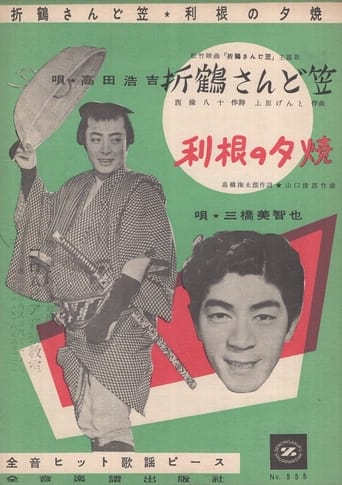 9.0
9.0Akitaro Orizuru, who set out on a journey to avenge his father's death in the darkness, returned to Itako, his hometown, where the Ayame Festival was approaching, for the first time in five years. His late father's brother, Sutezo, who took off his waraji, runs a small prostitute with only one child, Sutematsu. In addition, only Shigezaburo, who left a mark in the middle wind, was ill-mannered by Inomatsu. Akitaro was accompanied by a daughter named Omitsu on the way to here, but she was Ura's younger sister who works at Fujikura's house, and the villagers worked on the fifty cars to meet her critically ill father.
The Young Avenger
1957
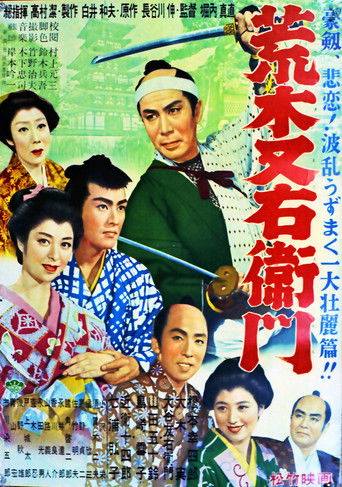 NR
NRWatanabe Kazuma and Kawai Matagorō from the Bizen Okayama Ikeda clan were close friends, but they inevitably became enemies after Matagorō killed Kazuma's younger brother, Gentayū, and fled. Seeking assistance, Kazuma asked his brother-in-law, Araki Mataemon, for help, but Mataemon refused, saying that it was against the code for a brother to avenge another brother's death. On the other hand, the lord of the clan, Ikeda Tadao, ordered a search for Matagorō, who was found to be sheltered by the Hatamoto, including Andō Jiemon, in Edo. Tadao was furious but unable to act. Matagorō, in Edo, came to regret his birth as a samurai. He met and fell in love with Okō, a bathhouse maid. As the discord between the Hatamoto and the Ikeda clan deepened, Tadao died of illness. Seizing the opportunity to ease the conflict, the shogunate ordered the Ikeda clan to be succeeded by the young lord Katsugorō and to relocate to the Ikeda clan of Inshū Tottori. Meanwhile, Matagorō was exiled from Edo.
荒木又右衛門
1955
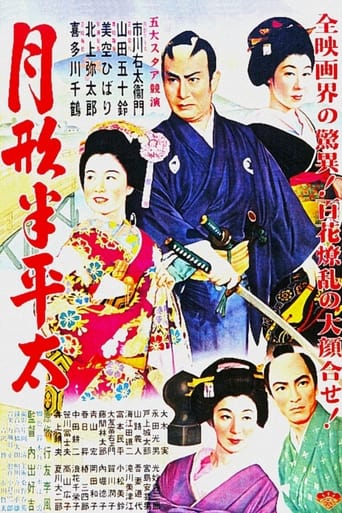 7.0
7.0During the ultra-violent era of the downfall of the Tokugawa Shogunate one man rose above the rest with his ideas of how to overthrow the corrupt government and end the bloodshed between the Choshu and Satsuma clans which would ultimately lead to the alliance of these 2 clans and restoration of the emperor to full power. Based on the play that made Sawada Shojiro famous, this is the story of Tsukigata Hanpeita, a forward looking samurai from Choshu, who along with Katsura Kogoro and Sakamoto Ryoma of Tosa worked to bring their dream of a new era in Japan.
Tsukigata Hanpeita
1952
 8.0
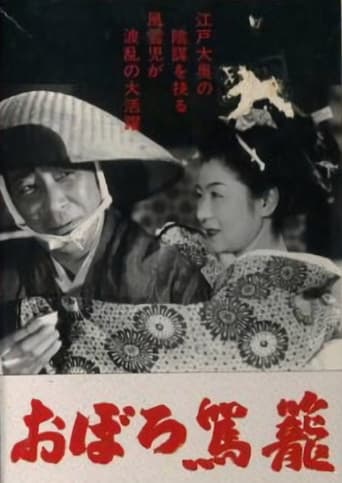
8.0A period mystery in which an unconventional priest exposes the truth behind the bizarre death of a maid in the shogun's harem. Kinuyo Tanaka stylishly plays a constantly intoxicated geisha in this all-star entertainment film.
The Inner Palace Conspiracy
1951
 NR
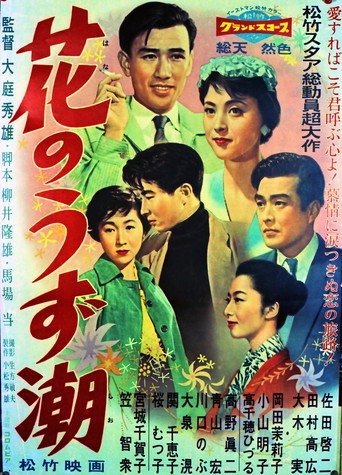
NRNo synopsis available yet.
Whirlpool of Flowers
1958
 NR
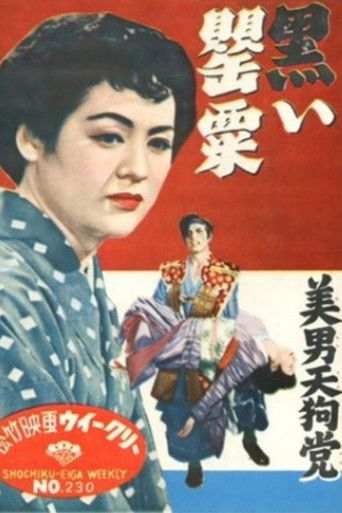
NRDuring the tumultuous end of the Tokugawa shogunate, the Tengu Party rose in rebellion in Mito. Friends from their hometown, Tanaka Genzo and Fujita Koshiro, each walked different paths. Koshiro, who upheld the philosophy of "Revere the Emperor, Expel the Barbarians," became a leader of the Tengu Party, taking refuge in the mountains. Genzo, however, did not have any particular ideological stance.
Beautiful Tengu
1954
 10.0
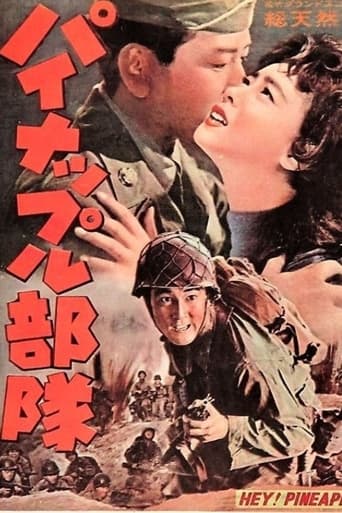
10.0The story of the role played by Japanese-American soldiers from Hawaii in the Korean War of the 1950s.
Pineapple Butai
1959
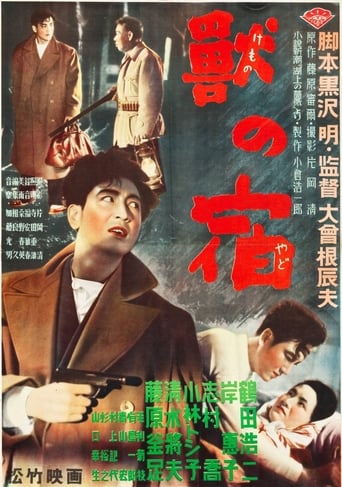 7.0
7.0No synopsis available yet.
The Den of Beasts
1951
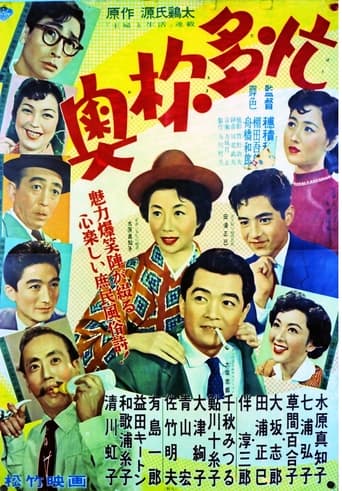 NR
NRNo synopsis available yet.
Every Wife Cannot Stand Still
1955
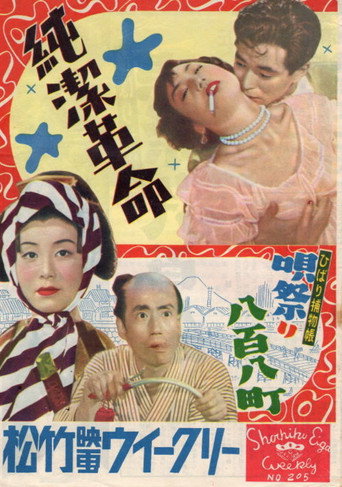 NR
NRNo synopsis available yet.
Junketsu kakumei
1953
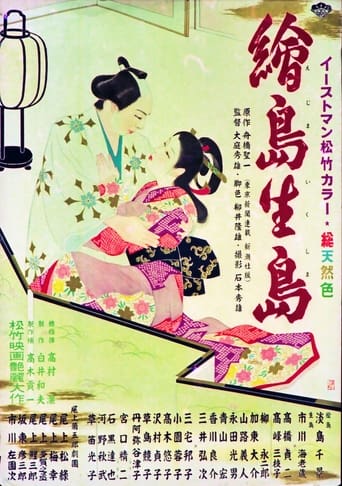 NR
NRThis period film is inspired by one of the most notorious scandals to have taken place in Edo-period Japan. The heroine, Ejima, was a lady of the Ooku, the harem of Edo Castle in which the Shogun’s mother, wife and concubines resided, forbidden from contact with any other man except in the presence of the Shogun. The institution played a key role in the Byzantine world of Japanese court politics during the Edo era. In 1714, Lady Ejima was sent to pay her respects at a Buddhist temple in the city, and chose to pay an unauthorised visit to the kabuki theatre – a violation of protocol that was to have tragic consequences.
Ejima and Ikushima
1955
 NR
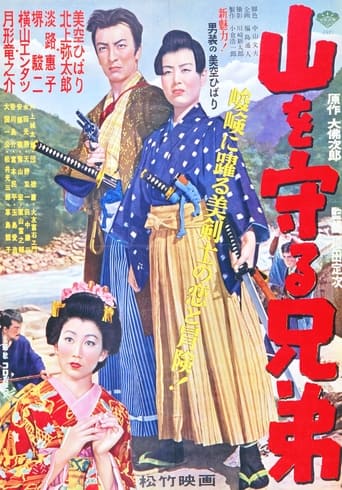
NRIn the mountainous region of Koshu, Taikahara, there was an intense power struggle between the prominent families, Tamaki and Kakukura. Facing the steward of Kakukura, Kurokawa Senjiro, was Tamaki Daisaburo, who was skilled with a handgun. Daisaburo had granted protection to the charcoal maker, Miyoshi, safeguarding a few mountains passed down from their ancestors. Daisaburo's elder brother, Iori, who had completed his training in Edo, saved Kakukura's only daughter, Koyumi, on his way back home. However, while Daisaburo rushed to Iori's aid after Koyumi was attacked by Kurokawa and his men, their family home was set ablaze.
The Brothers who Protect the Mountain
1953
 NR
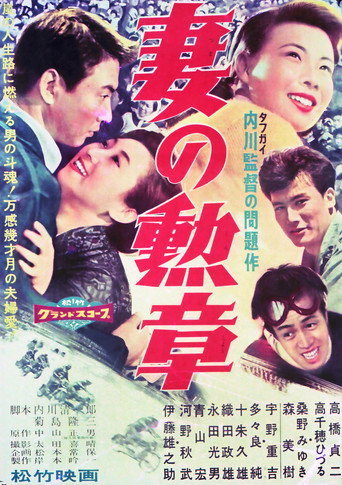
NRNo synopsis available yet.
Tsuma no kunshō
1959
 NR
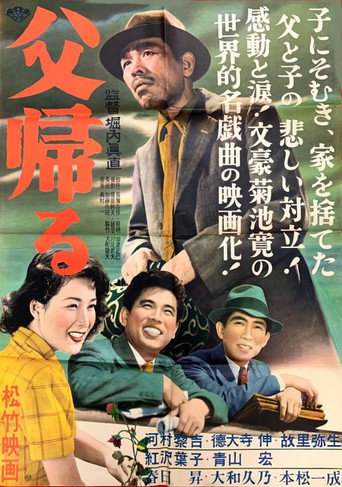
NRNo synopsis available yet.
Father Returns
1952
 NR
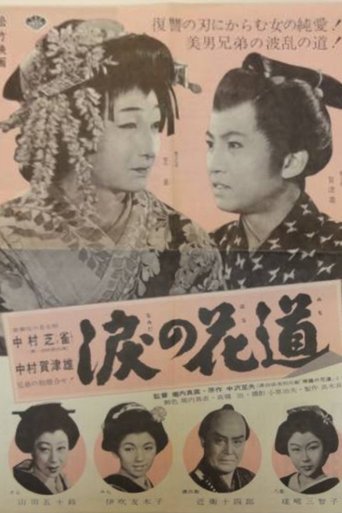
NRNakamura Yukinojō, Edo's most popular actor, discovered that his parent's enemy, Ohara Genba, had changed his name to Isshiki Kurōnosuke and become a hatamoto, a direct retainer of the shogun. Yukinojō's younger brother, Shingorō, traveling to Edo from their hometown, helped the town boy Kiyohē and his daughter Michi from troublemakers led by Kumosuke. This act led to a reunion with Yukinojō through the assistance of their associate, Daisaburō.
Namida no hanamichi
1956
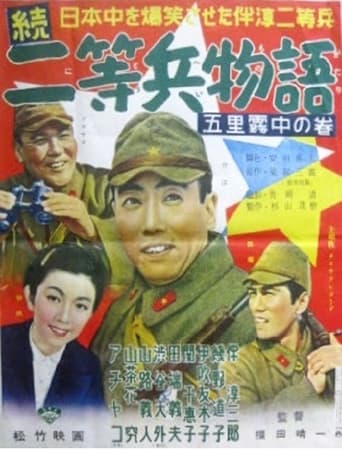 NR
NRFirst sequel to "Story of Second Class Private".
Story of Second Class Private, Sequel
1956
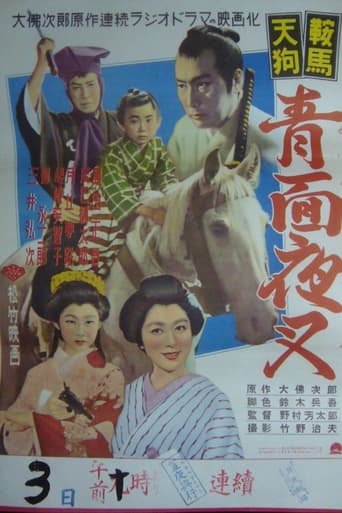 NR
NRAt the end of the Edo period - On his way back after being invited by the three Mikados of Higashi Shirakawa, Kurama Tengu was attacked by the Shinsengumi. Given the circumstances, he began to suspect a connection between the Mikado and the Shinsengumi.
Kurama tengu: Aomen yasha
1953
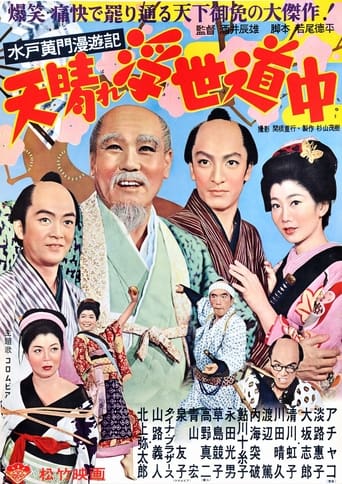 NR
NRThird film in the 'Travels of Lord Mito' franchise.
Travels of Lord Mito Pt.3
1954
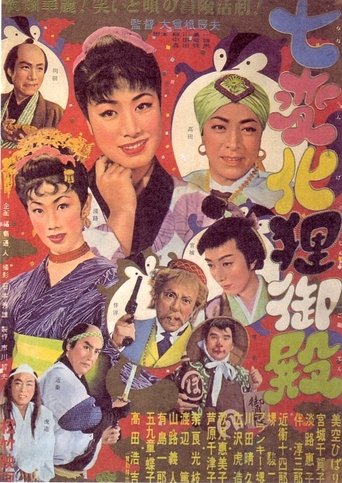 7.0
7.0This is a paradise of dream and illusion, a country of Raccoon Dogs. The Bat Tribe lives in a neighboring country took a young prince of Raccoon Dogs as a hostage, and try to take a Buddhist saint from the temple by force.
Quick Change Tanuki Palace
1954
 10.0
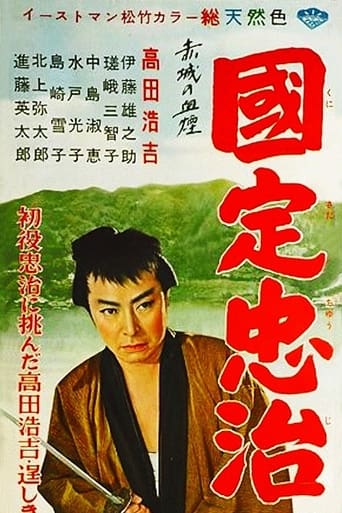
10.0Chuji Kunisada runs into strange adventures which tests his skill as a samurai as he untangles intrigue and murder against the backdrop of the majestic Mount Akagi.
The Adventures of Chuji
1957
 NR
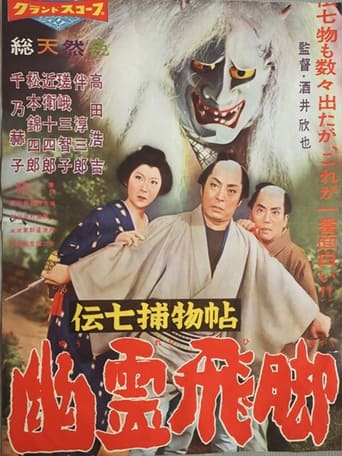
NRThe eleventh episode of the Denshichi Torimonocho series. Around the time of Shogun Ienari, a murderer known as a ghost hikyaku appeared in Edo, raping and killing young girls one after another. One night, a notice was recieved that Oichi, the daughter of Wakasa Kanayu of the small construction group, would be taken away. The mansion was surrounded by ten and twenty layers of people including Denshichi, who was asked to guard the house, and Sesshinsai Ohba, the owner of the dojo. Four seconds later, a violent explosion suddenly occurred.
Denshichi Torimonocho: Silver Snake Spell
1959
 6.2
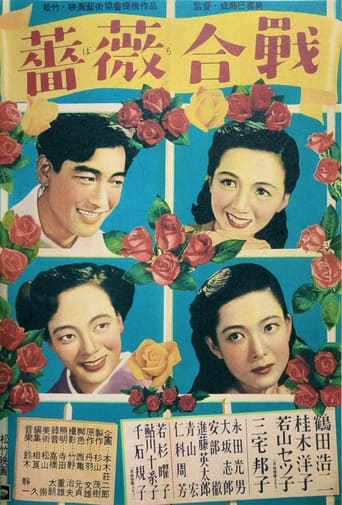
6.2Following the death of Mr Masago, his wife Satomi loses the family's cosmetics company to Mr Mogy due to huge amount of withdrawal debt caused by her husband. Mogy blackmails Satomi's sister Hinako into marrying him, so he will not send Masago to jail, and Satomi wrongly understands that Hinako is dating Mogy.
Battle of Roses
1950
1940s · 4 titles
6.0In the Meiji period, a schoolteacher tries to hide his lower-class upbringing as he supports a visiting liberal intellectual.
Apostasy
1948
7.1In early post-war Osaka, three women—war widow Fusako, her Korean expat sister Natsuko, and Kumiko, Fusako's sister-in-law—descend into prostitution, all for their individual reasons.
Women of the Night
1948
 6.7
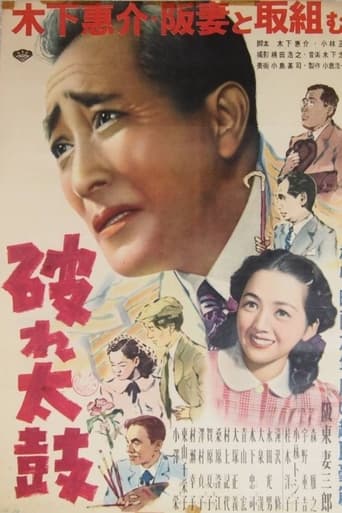
6.7When the future of his construction company falls into danger, a controlling father pushes his children into unsatisfying marriages and careers in order to regain financial stability.
Broken Drum
1949
 7.0
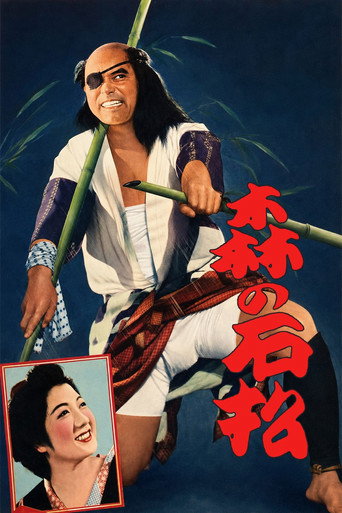
7.0The tale of a feudal swordsman who cynically takes no responsibility for anything, relegating it to others, and then taking the credit.
Ishimatsu of the Forest
1949