

Writing
Vasyl Portiak
Born — Died
1952-03-31 — 2019-03-02
Place of birth
Kryvopillia, Ivano-Frankivsk Oblast, Ukrainian SSR, USSR [now Ukraine]
Known for
Writing
Credits
5 titles
Known for
 NR
About the tragedy of the people of Western Ukraine Caught between Stalin and Hitler's totalitarian regimes. The film is dedicated to the soldiers of the Ukrainian Insurgent Army.
No Bells Rang for Us When We Died
1991
 5.4
One hundred soldiers of the Ukrainian Insurgent Army, led by Michael Duda, fearlessly fighting against the Bolshevics and against the Nazis.
The Company of Heroes
2004
 7.5
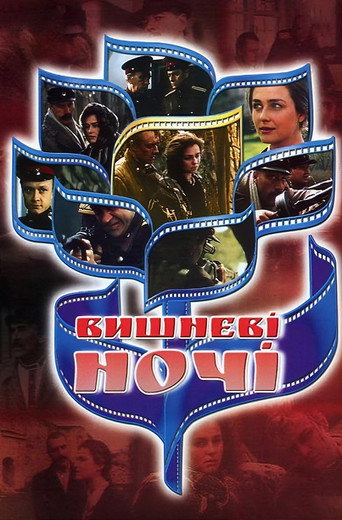
The love story of the NKVD lieutenant and the connected UPA (Ukrainian Insurgent Army) on the eve of the end of World War II is a conflict of love and duty. There is a third hero in this story - this is an indifferent employee of the NKVD. For many years, he completely voluntarily helps the OUN-UPA, and waits for who will eventually become the winner, to whom, in the end, he will devote the rest of his life ...
Cherry Nights
1992
 6.2
In 1950, long after the world has finished fighting World War II, a fight continues behind the newly drawn Iron Curtain: as the Ukrainians keep fighting both Nazi and Soviet abuses, General Roman Shukhevych (Hryhoriy Hladiy) is forced by brutal circumstances and his own sense of honor and duty to lead this effort as an underground war. As portrayed by the film, Shukhevych is a genteel family man who is also a complex character (revolted by ethnic discrimination, a music lover and a military genius) that with his charisma fuels his countrymen with desire for freedom. In the end, Shukhevych's efforts are unable to defeat the Soviets despite paying for his resistance with his life, but they re-enforce Ukrainian patriotism as an underground force until Ukraine finally recovers its freedom from Soviet tyranny.
The Undefeated
2000
 5.8
It is a screen adaption of the cognominal short story of Olha Kobylianska in which the struggle of the educated women with the bourgeois manners is described. Three girls from one family are very interested in the art and are going to devote a lifetime to it. But it is the beginning of the 20th century with all peculiar to that time disadvantages, and the way to the success is bestrewed with the difficulties.
Melancholic Waltz
1990
Film credits
Behind the camera
NRAbout the tragedy of the people of Western Ukraine Caught between Stalin and Hitler's totalitarian regimes. The film is dedicated to the soldiers of the Ukrainian Insurgent Army.
No Bells Rang for Us When We Died
1991
5.4One hundred soldiers of the Ukrainian Insurgent Army, led by Michael Duda, fearlessly fighting against the Bolshevics and against the Nazis.
The Company of Heroes
2004
7.5The love story of the NKVD lieutenant and the connected UPA (Ukrainian Insurgent Army) on the eve of the end of World War II is a conflict of love and duty. There is a third hero in this story - this is an indifferent employee of the NKVD. For many years, he completely voluntarily helps the OUN-UPA, and waits for who will eventually become the winner, to whom, in the end, he will devote the rest of his life ...
Cherry Nights
1992
5.8It is a screen adaption of the cognominal short story of Olha Kobylianska in which the struggle of the educated women with the bourgeois manners is described. Three girls from one family are very interested in the art and are going to devote a lifetime to it. But it is the beginning of the 20th century with all peculiar to that time disadvantages, and the way to the success is bestrewed with the difficulties.
Melancholic Waltz
1990