
Acting
Byeon Gi-jong
Born — Died
1895-07-29 — 1977-05-01
Place of birth
Hanyang, Korea [now Seoul, South Korea]
Known for
Acting
Credits
34 titles
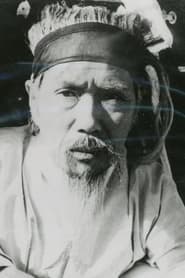
Born Byun Chang Gyu on the 29th July 1895, in Seoul, Korea. He began to use the stage name Byun Ki Jong when he began theatre in 1912. In 1913 he met with Yi Gi Se who was a pioneer in the theatrical movement. In 1919, he joined the Chosun Literary Association of Yi Sensei, and starred in the serial play "Jigi". At this time, he was a young man in his mid-twenties, but he worked as a labourer and became a professional actor. He also performed in theatre performances, radio plays, and theatre companies. During the time of the US Military Government, he became chairman of the theatre of the Korea Theatre Association. However, as the US military 's left - wing oppression intensified, the left…
Known for
 7.4
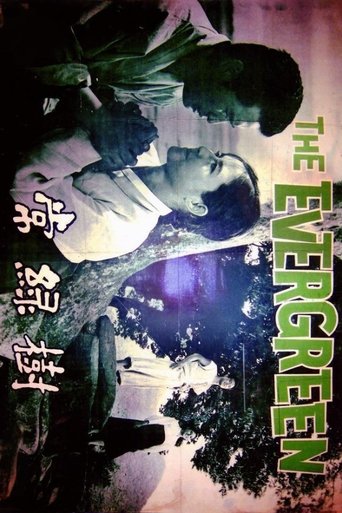
Yeong-shin and Dong-hyuk graduate from college with a cause. They plan to bring education and modernization to farmers living in the rural area of their hometown. When they arrive, the pair immediately get to work, Dong-hyuk builds a village hall and starts aiding the farmers while Yeong-shin tries to gather the children to form a school. However, the villagers at first resent and resist the pair. It is not until one child, Ok-bun, takes the initiative and and learns to read under Yeong-shin’s care that the villages trust the pair and allow their children to be taken from the fields and taught reading, writing and math.
The Evergreen
1961
 10.0
After losing his best friend in a fierce battle against Baekje in the first year of Queen Jindeok's reign, Hwarang Won-hyo questions life and death and becomes a monk. Despite being courted by countless women, from Queen Jindeok to Princess Yoseok, Sammo, and Asaga, Won-hyo resists all temptations. Until one day, when he is moved by Princess Yoseok's desperate prayers, he wanders the streets, feeling guilty for his disloyal behavior.
Great Monk Wonhyo
1962
 6.8
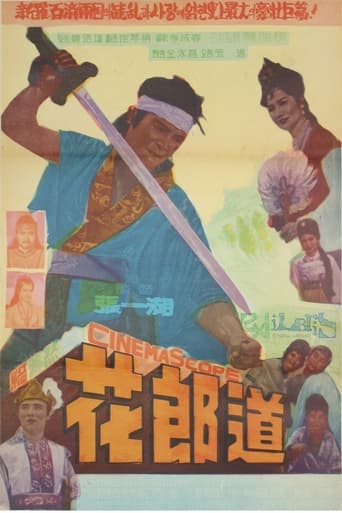
His parents captured by the Baekje armies, prince Eo-jin infiltrates the enemy castle alone to seek revenge. His plot is ruined when he falls in love with a princess there and is forced to choose between betraying his parents and nation or the woman he loves.
The Way of Hwarang
1962
 7.0
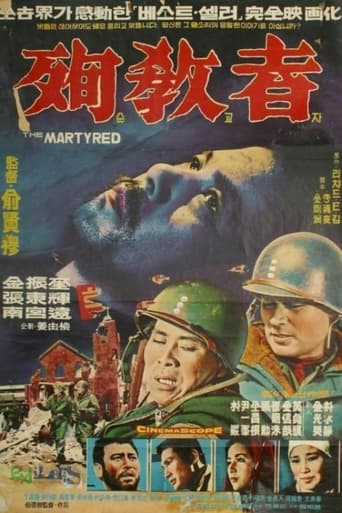
Out of fourteen ministers taken away by the communist troop, only two come back alive. The mystery behind their survival is at the issue here. Told through one of the survivor's testimony, depicts images of men troubled between the war and the religion. Although laden with anti-Communist notions from the 60's military regime.
The Martyrs
1965
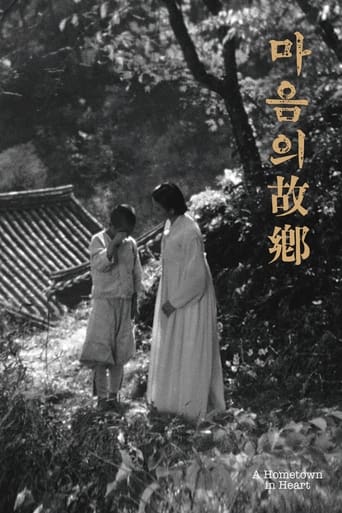 7.4
An orphan left in the care of a Buddhist temple becomes attached to a young widow who arrives there to mourn her recently deceased son.
A Hometown in Heart
1949
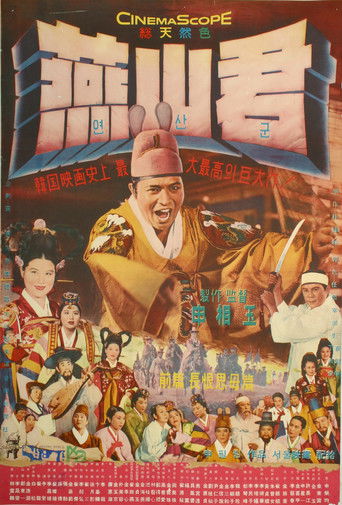 8.6
A historical drama about Prince Yeon-san of Joseon as a prince trying to restore the status of his mother, the deposed and executed Queen Yun.
Prince Yeonsan
1961
Film credits
1960s · 19 titles
7.4Yeong-shin and Dong-hyuk graduate from college with a cause. They plan to bring education and modernization to farmers living in the rural area of their hometown. When they arrive, the pair immediately get to work, Dong-hyuk builds a village hall and starts aiding the farmers while Yeong-shin tries to gather the children to form a school. However, the villagers at first resent and resist the pair. It is not until one child, Ok-bun, takes the initiative and and learns to read under Yeong-shin’s care that the villages trust the pair and allow their children to be taken from the fields and taught reading, writing and math.
The Evergreen
1961
10.0After losing his best friend in a fierce battle against Baekje in the first year of Queen Jindeok's reign, Hwarang Won-hyo questions life and death and becomes a monk. Despite being courted by countless women, from Queen Jindeok to Princess Yoseok, Sammo, and Asaga, Won-hyo resists all temptations. Until one day, when he is moved by Princess Yoseok's desperate prayers, he wanders the streets, feeling guilty for his disloyal behavior.
Great Monk Wonhyo
1962
6.8His parents captured by the Baekje armies, prince Eo-jin infiltrates the enemy castle alone to seek revenge. His plot is ruined when he falls in love with a princess there and is forced to choose between betraying his parents and nation or the woman he loves.
The Way of Hwarang
1962
7.0Out of fourteen ministers taken away by the communist troop, only two come back alive. The mystery behind their survival is at the issue here. Told through one of the survivor's testimony, depicts images of men troubled between the war and the religion. Although laden with anti-Communist notions from the 60's military regime.
The Martyrs
1965
8.6A historical drama about Prince Yeon-san of Joseon as a prince trying to restore the status of his mother, the deposed and executed Queen Yun.
Prince Yeonsan
1961
 5.4
There is a poor farmer couple. The landowner, an old man, covetous of the tenant's wife, tries to seduce her and sometimes threatens her. The wife spends every night with the old man at the water mill. Her husband, hearing the news, runs to the water mill and witnesses them together. He picks up the sickle that was placed near and kills his wife. The landowner escapes and the farmer gets arrested by a Japanese policeman.
A Water Mill
1966
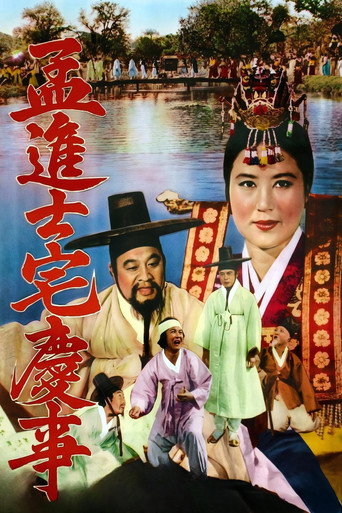 5.7
Jinsa Maeng's daughter is contracted to marry a nobleman's son, however, Jinsa Maeng is upset when he hears about a rumor that the fiance of his daughter is lame. Finally, he decides to take on the idea of arranging his maid to take his daughter's place in the wedding.
A Happy Day of Jinsa Maeng
1962
 8.0
No synopsis available yet.
King Dongmyeong
1962
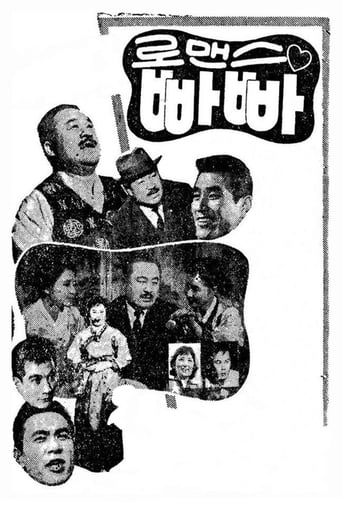 5.8
A middle-aged man is laid off from work but is too proud to tell his family. His children, however, learn of the situation and take jobs of their own to help him save face.
Romance Papa
1960
 10.0
A film picturing the lives and adversities of fishermen who live and die in the sea.
Full Ship
1967
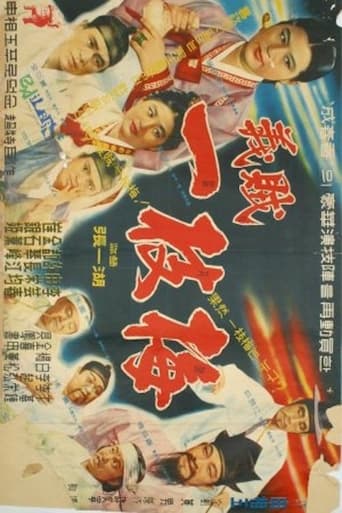 7.0
Iljimae's parents were killed due to a conspiracy when he was young. Many years later he became a chivalrous robber, robbing corrupt officials and helping the poor. He eventually manages in taking revenge for his parents' deaths. But the police start to chase him, and he hides himself at a gisaeng's house. The gisaeng was his ex-fiancee. She also lost her parents to a conspiracy. She begs Iljimae to stay with her, but he leaves to do what he has to.
Iljimae the Chivalrous Robber
1961
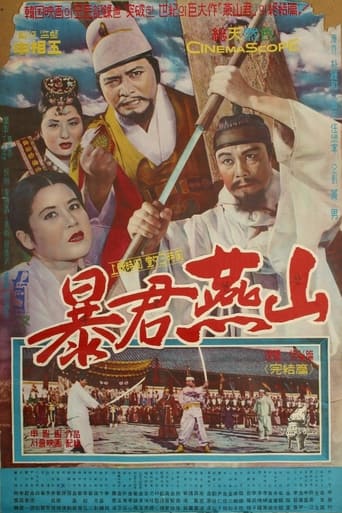 6.0
Prince Yeonsan-gun turns into a tyrant out of grief for his mother's death. He orders beheadings of all the officials who displease him or who advised the previous king to depose the queen. He becomes crueler by the day. But in 10th year of his reign, he is kicked out of the throne and dies a tragic death.
Tyrant Yeonsan
1962
Two traditional stories. In the first, a girl marries the bravest man in the village so she can send him into a monster's lair to collect an mystic herb which can save her father's life. In the second story, even death cannot prevent a devoted wife from helping in her husband's success.
Herb of Desire
1968
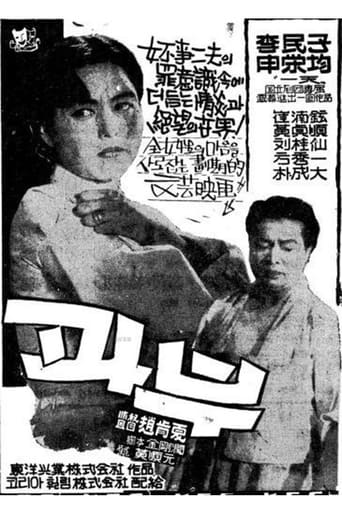 8.0
No synopsis available yet.
A Widow
1960
 7.0
No synopsis available yet.
Soil
1967
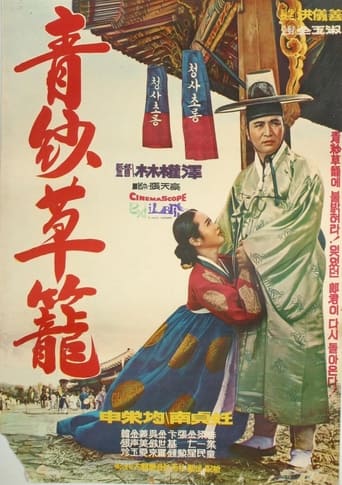 9.0
No synopsis available yet.
A Red-and-blue Gauze Lantern
1967
 10.0
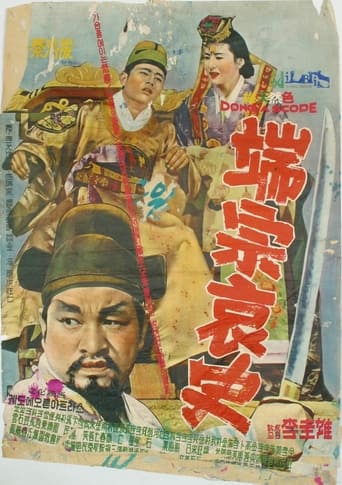
No synopsis available yet.
A Sad Story of Danjong
1963
 7.0
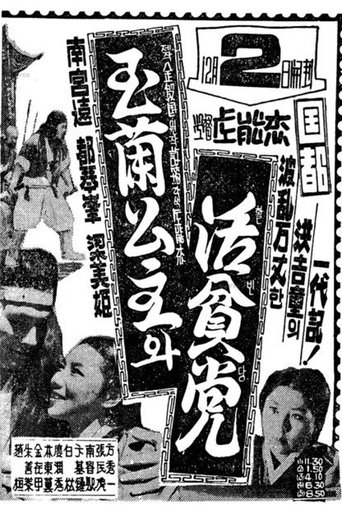
No synopsis available yet.
Princess Ok-ran and Hwalbindang
1960
 NR
No synopsis available yet.
A Star
1961
1950s · 11 titles
 5.6
After the death of Mal-Suk's father, her eldest brother, Dong-suk, becomes the sole breadwinner for his three siblings. With rumors of impending strikes and job cuts at the local mine, the struggling family faces difficulties in providing food and school fees for Mal-Suk and her brother Dong-il. This situation forces the two older siblings to move to Seoul, leaving the younger ones with their neighbors. Mal-Suk's only outlet is in her diary, where she candidly shares her hopes and troubles.
Even the Clouds Are Drifting
1959
 NR
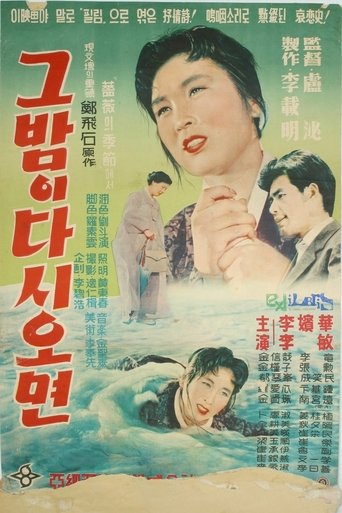
No synopsis available yet.
When the Night Comes Again
1958
 5.2
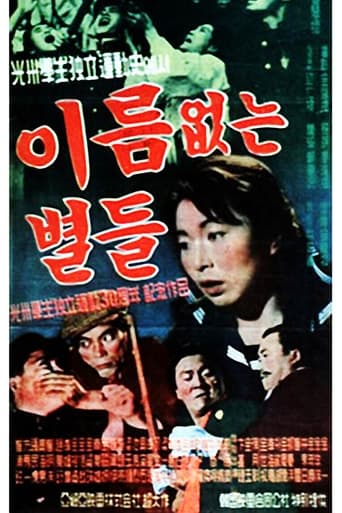
The son of a freedom fighter, Sang-hun is a member of an anti-Japanese resistance group called "Seongjinhoe," composed of students who share a dedication to the cause of liberation. Their spiritual guide is a teacher named Song Un-in. One day, Yeong-ae, whose brother is a detective in the Japanese police force charged with monitoring independence movements, joins their group. Following a series of sporadic incidents, the students gather one night to resolve on an uprising, but are discovered by the police. Young-ae is wrongfully accused of betraying their plans, but she risks her life in order to allow the group members to escape. The morning after, the students of Gwangju rise up against the Japanese government.
Nameless Stars
1959
 6.3
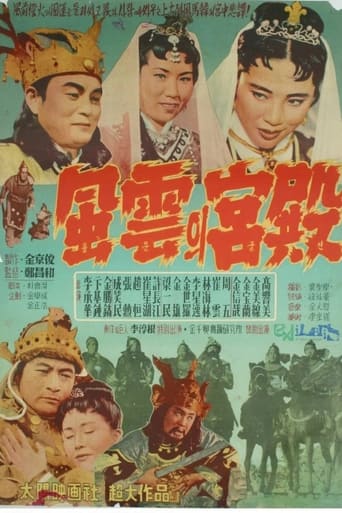
A nobleman bribes a maidservant to gain access to the palace and poison the crown prince. Another noble, loyal to the royal family, learns the of the plot and must learn the identity of the would-be assassin before he can succeed in throwing the country into chaos.
Palace of Ambition
1957
 6.0
Master Maeng is very proud that an influential family will soon be his esteemed in-laws when his loving daughter, Mi-yeon, marries their son. A few days before the wedding Maeng hears a rumor that his future son-in-law has a cripple leg. Regretting that he can't give his lovely daughter to a cripple, he decides to marry his maid to him instead. Unexpectedly the future son-in-law shows up at the wedding hall and he is not a cripple, but a healthy and handsome youth. Feeling embarrassed, there is no way but to wed the maid to him. The Wedding Day is a recreation of A Happy Day of Jinsa Maeng, a comical play by Oh Yeong Jin. The first Korean film to win an international film award, the Best Comedy Award at the 1957 edition of the Asian Film Festival (now Asia Pacific Film Festival).
The Wedding Day
1956
 6.0
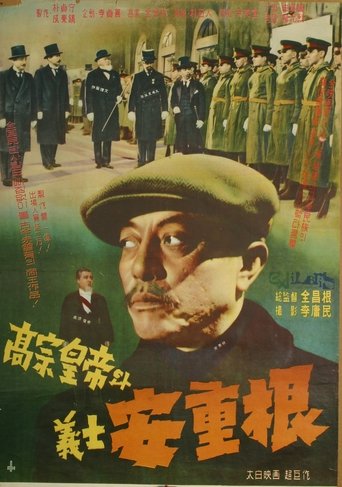
At the end of the Joseon Dynasty, shortly after the Eulsa Treaty has been forced to be concluded by Ito Hirobumi and the pro-Japanese courtiers, Japan pressures King Gojong to step down from the throne. Meanwhile, An Jung-geun, who is cultivating men of ability at Samheung school, is deeply impressed by a speech made by An Chang-ho, and heads for Russia to volunteer the army fighting for independence of the country. As both a lieutenant general of the Korean militia and a commander of the Korean expeditionary force in Manchuria, he carries on the independence movement in defiance of Japanese coercion.
King Gojong and Martyr An Jung-geun
1959
 NR
After graduating from university, Il-ryeong goes back to his hometown, a small village beside the Nakdong River. Ok-nam is his lover and a teacher in his hometown. He cooperates with her in order to enlighten the people and to improve the village. Nakdong River is, along with The Street of Sun (1952) and A Bouquet of Thirty Million People (1951), one of the important films made during the Korean War that the Korean Film Archive has rediscovered and made available to the public.
Nakdong River
1952
 9.0
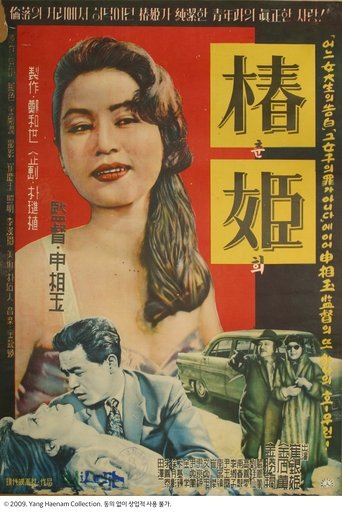
A young man is in love with a waitress, but his father opposes their relationship. The father approaches the waitress telling her that if she truly loved his son, she would abandon him. She submits to the father's wish, though she is dying from tuberculosis.
Chun Hui
1959
 NR
No synopsis available yet.
Hong Kil-Dong
1958
 NR
No synopsis available yet.
Prince Ho-Dong and Princess Nak-Rang
1956
 NR
Based on a story by Nae-seong Kim.
The Devil
1957
