
Directing
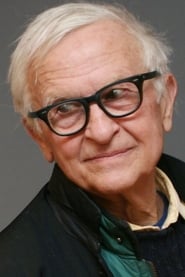
Albert Maysles
Born — Died
1926-11-26 — 2015-03-05
Place of birth
Brookline, Massachusetts, USA
Known for
Directing
Credits
55 titles
Albert Maysles (with his brother David) was an American documentary filmmaker known for his work in the "Direct Cinema" style. Their best-known films together include Salesman (1969), Gimme Shelter (1970) and Grey Gardens (1975).
Known for
 7.2
"The Love We Make", a film directed by Albert Maysles ("Gimme Shelter") and Bradley Kaplan, follows Paul McCartney as he journeys through the streets of New York City in the aftermath of the destruction of the World Trade Center on September 11th, 2001. It also chronicles the planning and performance of the benefit concert that took place less than six months after the attacks: "The Concert For New York City".
The Love We Make
2011
 7.4
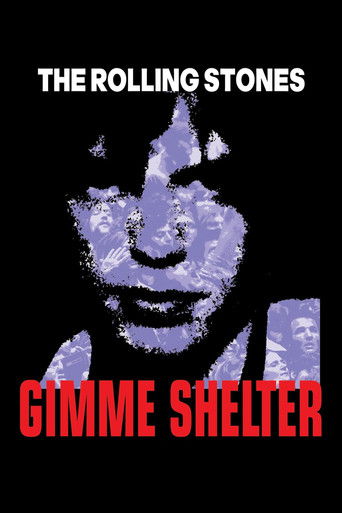
A detailed chronicle of the famous 1969 tour of the United States by the British rock band The Rolling Stones, which culminated with the disastrous and tragic concert held on December 6 at the Altamont Speedway Free Festival, an event of historical significance, as it marked the end of an era: the generation of peace and love suddenly became the generation of disillusionment.
Gimme Shelter
1970
 7.3
Edie Bouvier Beale and her mother, Edith, two aging, eccentric relatives of Jackie Kennedy Onassis, are the sole inhabitants of a Long Island estate. The women reveal themselves to be misfits with outsized, engaging personalities. Much of the conversation is centered on their pasts, as mother and daughter now rarely leave home.
Grey Gardens
1976
 6.6
At his Long Island beach house, and on the occasion of the publication of his masterful nonfiction novel In Cold Blood, reporter Karen Dennison interviews celebrated writer Truman Capote, who displays his exuberant personality, makes witty jokes, shares his thoughts on writing, reflects on various aspects of the book and, in a sweet and endearing voice, reads and explains some of its highlights.
With Love from Truman
1966
 6.8
During production on the film "The Life Aquatic with Steve Zissou", documentary filmmakers followed the cast and crew of a film which depicts other documentary filmmakers who follow animal life. In this film, we get a first hand look at the sets and come very close to many of the cast and crew members at work, especially Bill Murray and Wes Anderson.
This Is an Adventure
2005
 6.2
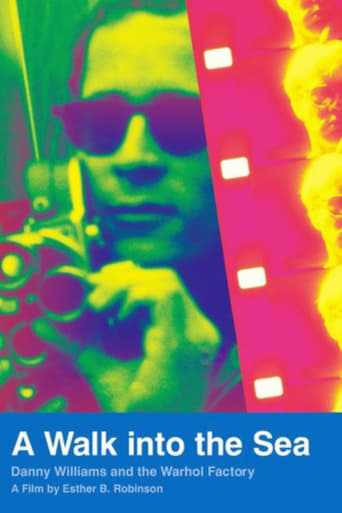
Esther Robinson's portrait of her uncle Danny Williams, Warhol's onetime lover, collaborator and filmmaker in his own right, offers a exploration of the Factory era, an homage to Williams's talent, a journey of family discovery and a compelling inquiry into Williams's mysterious disappearance at age 27.
A Walk Into the Sea: Danny Williams and the Warhol Factory
2007
Film credits
2010s · 2 titles
 NR
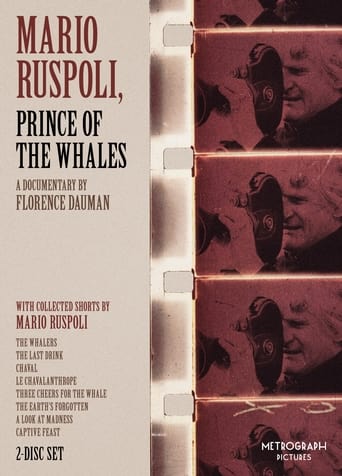
Colleagues, friends and specialists pay tribute to the filmmaker Mario Ruspoli in a portrait that mixes encounters, archive images and film excerpts. With testimonies from Richard Leacock, Albert Maysles, Edgar Morin, D.A. Pennebaker and others.
Mario Ruspoli, Prince of the Whales
2011
In 1998, documentary filmmaker Robert Drew and his associates attend the Museum of Tolerance.
Robert Drew & Associates at the Museum of Tolerance
2016
2000s · 9 titles
6.2Esther Robinson's portrait of her uncle Danny Williams, Warhol's onetime lover, collaborator and filmmaker in his own right, offers a exploration of the Factory era, an homage to Williams's talent, a journey of family discovery and a compelling inquiry into Williams's mysterious disappearance at age 27.
A Walk Into the Sea: Danny Williams and the Warhol Factory
2007
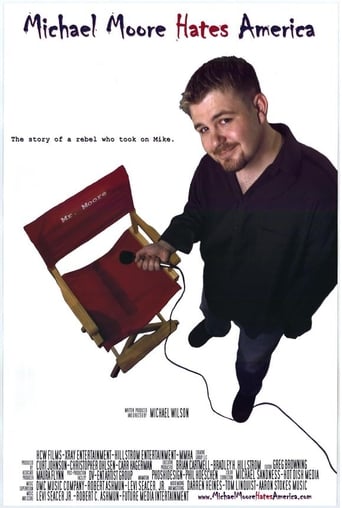 5.2
Michael Wilson, like the subject of his film, is trying to get an interview with a multi-millionaire; however, in this case, that millionaire is Michael Moore himself.
Michael Moore Hates America
2004
 NR
A delve into the character and life of Albert Maysles, who, alongside his brother David, created some of the most well-known and iconic documentaries of the 20th century. Film extracts include Meet Marlon Brando (1965), Salesman (1968), Gimme Shelter (1970), and Grey Gardens (1975).
Albert Maysles: The Poetic Eye
2006
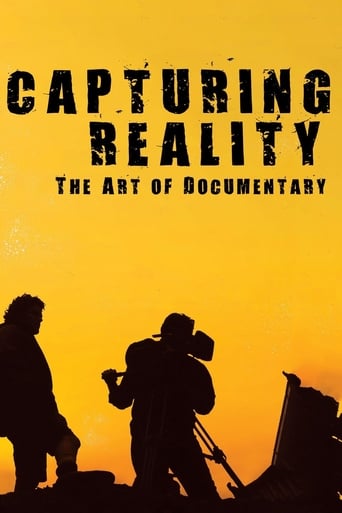 6.1
From cinema-verite; pioneers Albert Maysles and Joan Churchill to maverick movie makers like Errol Morris, Werner Herzog and Nick Broomfield, the world's best documentarians reflect upon the unique power of their genre. Capturing Reality explores the complex creative process that goes into making non-fiction films. Deftly charting the documentarian's journey, it poses the question: can film capture reality?
Capturing Reality
2008
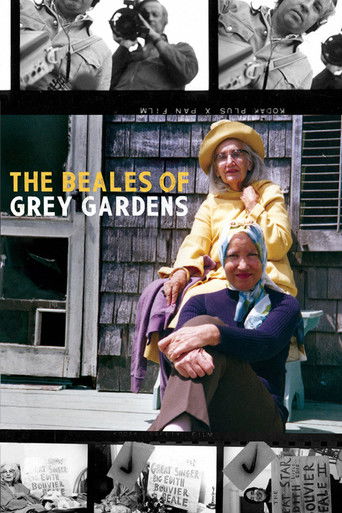 7.3
Mother and daughter - Big Edie and Little Edie Beale - live with six cats in a crumbling house in East Hampton. Little Edie, in her 50s, who wears scarves and bright colors, sings, mugs for the camera, and talks to Al and David Maysles, the filmmakers. Big Edie, in her 70s, recites poetry, comments on her daughter's behavior, and sings "If I Loved You" in fine voice. She talks in short sentences; her daughter in volumes. The film is episodic: friends visit, there's a small fire in the house, Little Edie goes to the shore and swims. She talks about the Catholic Church. She's ashamed that local authorities raided the house because of all the cats. She values being different.
The Beales of Grey Gardens
2006
 NR
A documentary about the making of the film "The Beatles: The First U.S. Visit"
The Making of the Beatles First U.S. Visit
2004
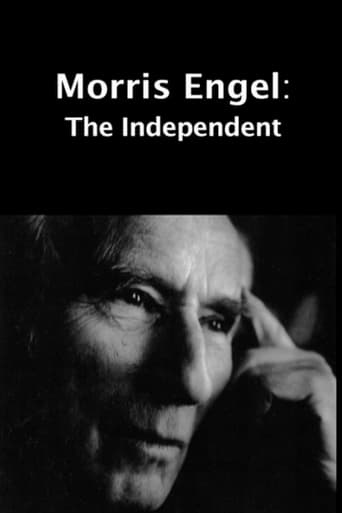 NR
Short documentary on the life and work of photographer and filmmaker Morris Engel
Morris Engel: The Independent
2008
A portrait of the late documentarian David Maysles by his daughter, Celia.
Wild Blue Yonder
2007
Filmmaker, Walter Forsyth sets out on a journey to make a tribute film about photographer/filmmaker, Robert Frank, deconstructing the documentary form along the way. With appearances by Albert Maysles, Nick Broomfield, ex-Rolling Stone Mick Taylor, Alfred Leslie and Matt Damon. "He pulled a sad poem right out of America, taking his place among the great poets of our time" - Jack Karoac.
After Frank
2005
1970s · 2 titles
7.4A detailed chronicle of the famous 1969 tour of the United States by the British rock band The Rolling Stones, which culminated with the disastrous and tragic concert held on December 6 at the Altamont Speedway Free Festival, an event of historical significance, as it marked the end of an era: the generation of peace and love suddenly became the generation of disillusionment.
Gimme Shelter
1970
7.3Edie Bouvier Beale and her mother, Edith, two aging, eccentric relatives of Jackie Kennedy Onassis, are the sole inhabitants of a Long Island estate. The women reveal themselves to be misfits with outsized, engaging personalities. Much of the conversation is centered on their pasts, as mother and daughter now rarely leave home.
Grey Gardens
1976
Behind the camera
7.2"The Love We Make", a film directed by Albert Maysles ("Gimme Shelter") and Bradley Kaplan, follows Paul McCartney as he journeys through the streets of New York City in the aftermath of the destruction of the World Trade Center on September 11th, 2001. It also chronicles the planning and performance of the benefit concert that took place less than six months after the attacks: "The Concert For New York City".
The Love We Make
2011
7.4A detailed chronicle of the famous 1969 tour of the United States by the British rock band The Rolling Stones, which culminated with the disastrous and tragic concert held on December 6 at the Altamont Speedway Free Festival, an event of historical significance, as it marked the end of an era: the generation of peace and love suddenly became the generation of disillusionment.
Gimme Shelter
1970
7.3Edie Bouvier Beale and her mother, Edith, two aging, eccentric relatives of Jackie Kennedy Onassis, are the sole inhabitants of a Long Island estate. The women reveal themselves to be misfits with outsized, engaging personalities. Much of the conversation is centered on their pasts, as mother and daughter now rarely leave home.
Grey Gardens
1976
6.6At his Long Island beach house, and on the occasion of the publication of his masterful nonfiction novel In Cold Blood, reporter Karen Dennison interviews celebrated writer Truman Capote, who displays his exuberant personality, makes witty jokes, shares his thoughts on writing, reflects on various aspects of the book and, in a sweet and endearing voice, reads and explains some of its highlights.
With Love from Truman
1966
6.8During production on the film "The Life Aquatic with Steve Zissou", documentary filmmakers followed the cast and crew of a film which depicts other documentary filmmakers who follow animal life. In this film, we get a first hand look at the sets and come very close to many of the cast and crew members at work, especially Bill Murray and Wes Anderson.
This Is an Adventure
2005
 5.5
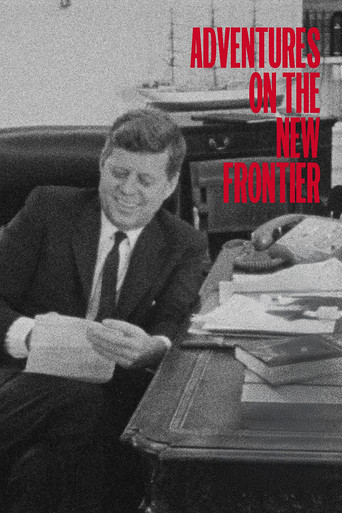
A look at the daily business of U.S. President John F. Kennedy, with a focus on some of the political issues he faces six weeks into his term. Preserved by the Academy Film Archive in 2007.
Adventures on the New Frontier
1961
 7.2
This documentary from Albert and David Maysles follows the bitter rivalry of four door-to-door salesmen working for the Mid-American Bible Company: Paul "The Badger" Brennan, Charles "The Gipper" McDevitt, James "The Rabbit" Baker and Raymond "The Bull" Martos. Times are tough for this hard-living quartet, who spend their days traveling through small-town America, trying their best to peddle gold-leaf Bibles to an apathetic crowd of lower-middle-class housewives and elderly couples.
Salesman
1969
7.2This documentary from Albert and David Maysles follows the bitter rivalry of four door-to-door salesmen working for the Mid-American Bible Company: Paul "The Badger" Brennan, Charles "The Gipper" McDevitt, James "The Rabbit" Baker and Raymond "The Bull" Martos. Times are tough for this hard-living quartet, who spend their days traveling through small-town America, trying their best to peddle gold-leaf Bibles to an apathetic crowd of lower-middle-class housewives and elderly couples.
Salesman
1969
 5.7
The Empire Builder is America’s busiest long-distance train route, running from Chicago to Seattle. Throughout these corridors sit runaways, adventurers, and loners – a myriad of passengers waiting to see what their journey holds. A touching and honest observation, co-directed by the iconic Albert Maysles, In Transit breathes life into the long commute, and contemplates the unknowns that lie at our final destination.
In Transit
2015
 8.5
This intimate portrait of the legendary conductor Seiji Ozawa focuses on the Japanese master and teacher's career, his advocacy of modern composers and the behind-the-scenes world of the symphony orchestra.
Ozawa
1985
 6.5
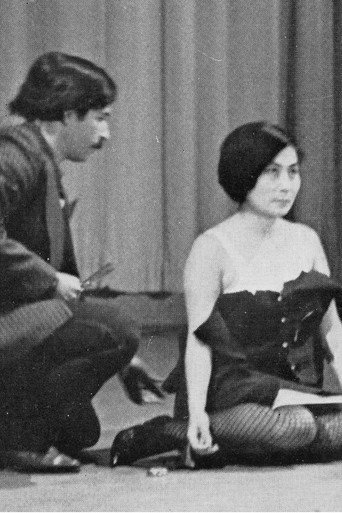
Filmed at New York’s Carnegie Hall, Cut Piece documents one of Yoko Ono’s most powerful conceptual pieces. Performed by the artist herself, Ono sits motionless on the stage after inviting the audience to come up and cut away her clothing in a denouement of the reciprocity between victim and assailant.
Cut Piece
1965
6.5Filmed at New York’s Carnegie Hall, Cut Piece documents one of Yoko Ono’s most powerful conceptual pieces. Performed by the artist herself, Ono sits motionless on the stage after inviting the audience to come up and cut away her clothing in a denouement of the reciprocity between victim and assailant.
Cut Piece
1965
 7.0
A concise television portrait of Wes Anderson, observing the filmmaker at work and reflecting on his creative process, influences, and approach to directing during the early phase of his career.
With the Filmmaker: Wes Anderson
2001
 7.3
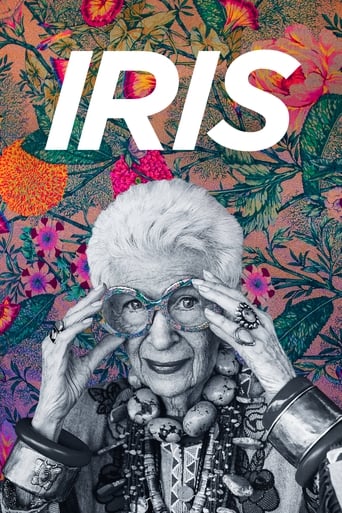
IRIS pairs legendary 87-year-old documentarian Albert Maysles with Iris Apfel, the quick-witted, flamboyantly dressed 93-year-old style maven who has had an outsized presence on the New York fashion scene for decades. More than a fashion film, the documentary is a story about creativity and how, even in Iris’ dotage, a soaring free spirit continues to inspire. IRIS portrays a singular woman whose enthusiasm for fashion, art and people are life’s sustenance and reminds us that dressing, and indeed life, is nothing but an experiment.
Iris
2014
 6.9
This Oscar-nominated documentary follows Christo and Jeanne-Claude as they conceive and execute Valley Curtain, an immense orange fabric installation stretched across a Colorado mountain pass. Filmed in a direct-cinema style, "Christo’s Valley Curtain" observes the negotiations, engineering challenges, and collective labor that shape the artwork, revealing the process itself as an essential part of the final creation.
Christo's Valley Curtain
1974
 NR
Produced by 20th Century Fox, this Maysles Brothers short was intended to help promote the release of Disney's Fantastic Voyage (1966) for which Salvador Dali was artistic consultant. Shot in and around New York, the film features a cameo by a bikini clad Raquel Welch, star of Fantastic Voyage and Dali's muse for a series of portraits of Hollywood starlets.
Salvador Dalí's Fantastic Dream
1966
 7.9
The Beatles First US Visit uniquely chronicles the inside story of the two remarkable weeks when Beatlemania first ignited America. The pioneering Maysles Brothers who filmed at the shoulders of John, Paul, George and Ringo, innovated an intimate documentary style of film-making which set the benchmark for rock and roll cinematography that remains to this day.
The Beatles: The First U.S. Visit
1991
 NR
Get Yer Ya-Ya's Out!: The Rolling Stones in Concert is the second live album by the Rolling Stones, released on 4 September 1970 in the UK and the United States. It was recorded in New York City and Baltimore in November 1969 prior to the release of Let It Bleed.
Get Yer Ya-Ya's Out!: The Rolling Stones in Concert
1970
 6.5
This heartbreaking documentary depicts the extreme poverty of an African-American family and their Mississippi Delta school district. LaLee's Kin takes us deep into the Mississippi Delta and the intertwined lives of LaLee Wallace, a great-grandmother struggling to hold her world together in the face of dire poverty, and Reggie Barnes, superintendent of the embattled West Tallahatchie School System. The film explores the painful legacy of slavery and sharecropping in the Delta.
LaLee's Kin: The Legacy of Cotton
2001
 6.1
A documentary on New York City’s biggest public art project ever, an installation called “The Gates” by Christo and Jeanne Claude.
The Gates
2008
 7.5
New York, USA, February 1964. Five grueling days in the life of George, John, Paul and Ringo, the Fab Four, The Beatles: the hysterical fan reception at JFK airport; several press conferences; in their rooms at the Plaza Hotel; in the backstage at the Ed Sullivan Show; hanging out with the legendary DJ Murray the K; and the frantic return home.
What's Happening! The Beatles in the USA
1964
 7.0
Filmed during a studio-organized press junket, "Meet Marlon Brando" observes Marlon Brando as he fields a succession of television interviews meant to promote Morituri. Rather than comply, Brando deflects questions with irony, flirtation, and philosophical detours, subtly undermining the promotional ritual itself. Shot in direct-cinema style by Albert Maysles and David Maysles, the film becomes a candid study of celebrity, media performance, and resistance to commodification.
Meet Marlon Brando
1966
7.3Mother and daughter - Big Edie and Little Edie Beale - live with six cats in a crumbling house in East Hampton. Little Edie, in her 50s, who wears scarves and bright colors, sings, mugs for the camera, and talks to Al and David Maysles, the filmmakers. Big Edie, in her 70s, recites poetry, comments on her daughter's behavior, and sings "If I Loved You" in fine voice. She talks in short sentences; her daughter in volumes. The film is episodic: friends visit, there's a small fire in the house, Little Edie goes to the shore and swims. She talks about the Catholic Church. She's ashamed that local authorities raided the house because of all the cats. She values being different.
The Beales of Grey Gardens
2006
 8.0
This acclaimed documentary traces the building of the Getty Center—one of the most ambitious cultural undertakings of the twentieth century. Spanning fourteen years, from the early blueprints to the groundbreaking to the public opening of the Center in December 1997, the film takes viewers from California to a rock quarry in Italy where the Center's signature travertine originated.
Concert of Wills: Making the Getty Center
1997
 6.4
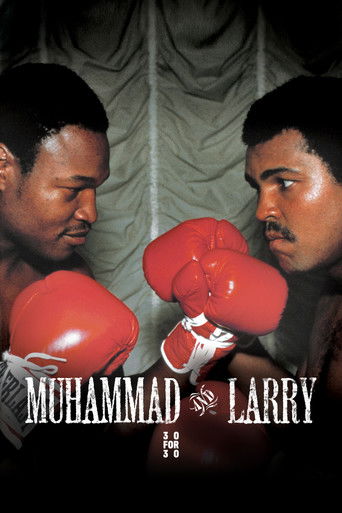
In October of 1980 Muhammad Ali was preparing to fight for an unprecedented fourth heavyweight title against his friend and former sparring partner Larry Holmes. To say that the great Ali was in the twilight of his career would be generous; most of his admiring fans, friends and fight scribes considered his bravado delusional. What was left for him to prove? In the weeks of training before the fight, documentarians Albert and David Maysles took an intimate look at Ali trying to convince the world and perhaps himself, that he was still “The Greatest.” At the same time, they documented the mild-mannered and undervalued champion Holmes as he confidently prepared to put an end to the career of a man for whom he had an abiding and deep affection
Muhammad and Larry
2009
 7.0
The Maysles' third film about the artists sees them trying to get three projects off the ground: wrapping the Pont Neuf, the oldest bridge in Paris; wrapping the Reichstag; and surrounding eleven man-made islands in Florida with pink plastic sheets. As the latter is the only one that gets approval, it gets the bulk of this film.
Islands
1987
 6.6
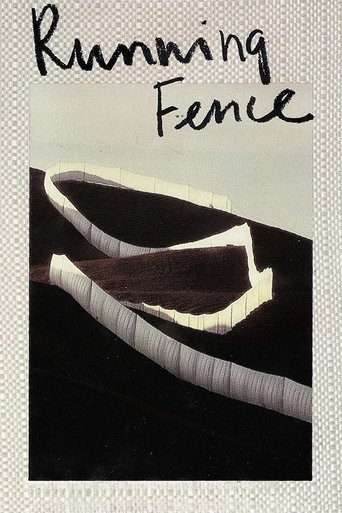
Second in the series by the Maysles brothers documenting the monuments/sculptures of Christo, whose art projects are landscape-scaled, and more "pop" performance art designed to question how we relate to art in the public sphere, especially when it's as oblique, non-political (at least, that is what he would claim), and neutral as running a fence through a landscape.
Running Fence
1977
 8.0
A documentary about artists Christo and Jeanne-Claude's 1991 grand-scale environmental art project in Japan and California.
Umbrellas
1994
 NR
Accent on the Offbeat is a cinema vérité film about the creation and premiere of the ballet Jazz (Six Syncopated Movements), composed by trumpet virtuoso Wynton Marsalis and choreographed by Ballet Master in Chief Peter Martins of the New York City Ballet. A focus of the film is the remarkable contrast - in background, temperament, style and creative approach - between Martins and Marsalis as they unite the disparate worlds of ballet and jazz.
Accent on the Offbeat
1995
 5.3
Assembled by some of the nation's top documentary filmmakers, this centerpiece film in HBO's 'Addiction' campaign features insights from experts on trends and treatments in the ongoing battle against drug and alcohol abuse. This documentary consists of nine segments that focus on case studies and cutting-edge treatments that challenge traditional beliefs about addiction.
Addiction
2007
 5.0
13-year-old inventor Aidan has discovered that trees use a mathematical formula to gather sunlight in crowded forests. Now he wonders why we don't collect solar energy the same way.
The Secret of Trees
2013
 7.0
Our medical system is geared toward healing patients. But what if there's no cure available? This moving, intimate documentary uses three cases to explore how hospice care prepares both terminally ill patients and their families for a gentle, safe passage. While patients are given comfort, companionship, dignity and peace, families are prepared for their inevitable loss.
Letting Go: A Hospice Journey
1996
The life of Anastasia Stevens, an American dancer at the Bolshoi Ballet, at the height of the Cold War. An early work by the Maysles brothers for the NBC television network, produced by acclaimed screenwriter Bo Goldman.
Anastasia
1962
 NR
Through the poetic lens of visionary filmmakers Albert and David Maysles, Muhammad and Larry explores the unique and poignant relationship between two great boxers and two remarkable men who were more than just competitors. They were once teacher and student, and remain close friends.
Muhammad and Larry
1980
 NR
The American documentary makers - The Maysles Brothers, were given exclusive access to almost every minute of The Beatles first American visit. The first 3 days of film footage shot in New York was rushed over to Granada Television in London who quickly edited the footage for a TV special called "Yeah! Yeah! Yeah! The Beatles in New York" which was broadcast on February 12, 1964 at 10:25pm. The majority of the footage in this UK special featured their arrival at JFK Airport; Arriving at their hotel room; Fans outside the Plaza Hotel; footage from inside their hotel room with Murray The K; Murray The K interviewing them on the phone from WINS radio station; Walking through Central Park for a photo session; Limo ride to CBC TV Studios; Ringo & Murray The K dancing at the Peppermint Lounge.
Yeah! Yeah! Yeah! The Beatles in New York
1964
 NR
Focus Forward: Short Films, Big Ideas is an award-winning series of 30 three-minute stories about innovators—people who are reshaping the world through act or invention—directed by the world's most celebrated documentary filmmakers.
Focus Forward: Short Films, Big Ideas
2012
 5.0
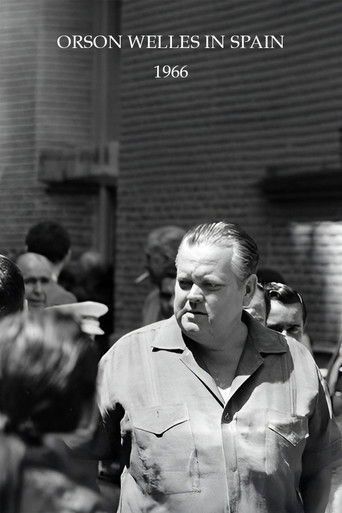
Orson Welles presents a proposed film project to prospective investors in Spain. Speaking to an audience of wealthy arts patrons, Welles outlines his vision for an improvised, documentary-style fiction set in the world of bullfighting, centered on a solitary, existential matador who stands apart from his peers. As he expounds on cinema, performance, and the ritualized spectacle of death, the film captures a project that would ultimately remain unrealized.
Orson Welles in Spain
1966
5.0Orson Welles presents a proposed film project to prospective investors in Spain. Speaking to an audience of wealthy arts patrons, Welles outlines his vision for an improvised, documentary-style fiction set in the world of bullfighting, centered on a solitary, existential matador who stands apart from his peers. As he expounds on cinema, performance, and the ritualized spectacle of death, the film captures a project that would ultimately remain unrealized.
Orson Welles in Spain
1966