

Writing
Eduard Grečner
Born
1931-09-21 (95)
Place of birth
Kopčany, Czechoslovakia [now Slovak Republic]
Known for
Writing
Credits
27 titles
Eduard Grečner (1931, Czechoslovakia) is a director and writer, known for his feature debut Every Week Seven Days (1964), Nylon Moon (1965) and Dragon’s Return (1968). From 1950-1954 he studied at FAMU in Prague. Subsequently, he started working as a playwright, screenwriter and director in the Studia Film Studio at Koliba in Bratislava. He was an assistant director to Štefan Uher on his seminal Slnko v sieti (1963), the first work of the Czechoslovak New Wave. Grečner also acted in several films and made many television films. In the late 1980s, he was the first to chair the Slovak Film Association. In the 1990s, he returned briefly to directing and made two films. In 2018, a monograph abo…
Known for
No synopsis available yet.
Slnko v sieti
2006
Television series Golden Sixties examines new insights into Czech and Slovak cinema of the 1960s and the role of the Czechoslovak New Wave. Each episode focuses on a different filmmaker.
Golden Sixties
2009
 NR
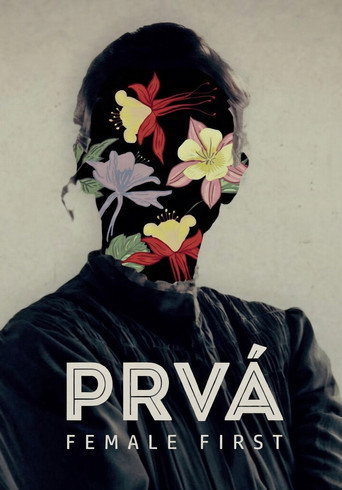
NRNo synopsis available yet.
Prvá
2013
No synopsis available yet.
Bratislavské pondelky
2021
The love of the young woodcutter Jasek for the daughter of the sawmill owner, Etelka, is threatened by an ancient tragedy that took place in a secluded place in the middle of the mountains and forced Faktor to close himself and his daughter off from the world and people. However, the past resurfaces in the form of a mysterious man who comes to the sawmill one day.
Jaškov sen
1996
A film examines the inner worlds of the three protagonists - two women living in solitary seclusion and a man suddenly breaking into their privacy.
Earthly Disturbance
1993
Film credits
2010s · 3 titles
 1.0
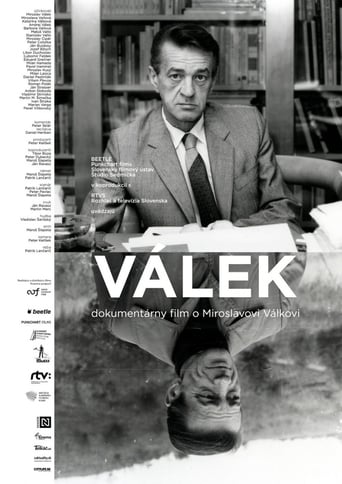
1.0Miroslav Válek was a Slovak poet whose sensitive and intimate work clashed with his political engagement in the communist party. How to approach this discrepancy, how to cope with it? Can one read poems while disregarding their author?
Válek
2018
 6.5
6.5An epic exploration of the Czechoslovak New Wave cinema of the 1960s and 70s, structured around a series of conversations with one of its most acclaimed exponents - Closely Observed Trains director Jiří Menzel.
CzechMate: In Search of Jiří Menzel
2018
No synopsis available yet.
Jánošík (Vykrádaný superhrdina)
2010
1960s · 2 titles
 6.8
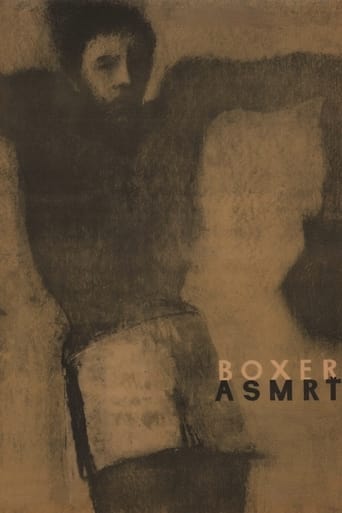
6.8Concentration camp commander Kraft finds out that prisoner Kominek is a former professional boxer. Overnight, the prisoner is made Kraft's exercise partner and unwillingly rises to a privileged position at the camp. His anger over the death of his friend and co-prisoner leads to open revolt. The film brings a new view of human degradation during fascism by a tragic story of one man whose only chance for survival is to accept the rules of an unequal game.
The Boxer and Death
1963
 7.0
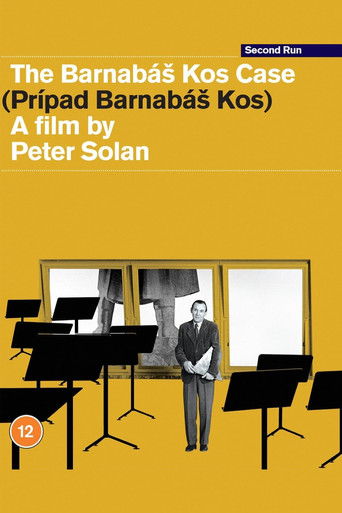
7.0Barnabáš Kos, a meek and modest triangle-player in a state orchestra finds himself unfathomably promoted to musical director. Now drunk with power, the once timid musician turns into a poised, commanding peacock and seeks to transform the orchestra to suit his own agenda and inflated vision.
The Barnabáš Kos Case
1965
Series credits
No synopsis available yet.
Slnko v sieti
2006
Television series Golden Sixties examines new insights into Czech and Slovak cinema of the 1960s and the role of the Czechoslovak New Wave. Each episode focuses on a different filmmaker.
Golden Sixties
2009
NRNo synopsis available yet.
Prvá
2013
No synopsis available yet.
Bratislavské pondelky
2021
Behind the camera
The love of the young woodcutter Jasek for the daughter of the sawmill owner, Etelka, is threatened by an ancient tragedy that took place in a secluded place in the middle of the mountains and forced Faktor to close himself and his daughter off from the world and people. However, the past resurfaces in the form of a mysterious man who comes to the sawmill one day.
Jaškov sen
1996
The love of the young woodcutter Jasek for the daughter of the sawmill owner, Etelka, is threatened by an ancient tragedy that took place in a secluded place in the middle of the mountains and forced Faktor to close himself and his daughter off from the world and people. However, the past resurfaces in the form of a mysterious man who comes to the sawmill one day.
Jaškov sen
1996
A film examines the inner worlds of the three protagonists - two women living in solitary seclusion and a man suddenly breaking into their privacy.
Earthly Disturbance
1993
A film examines the inner worlds of the three protagonists - two women living in solitary seclusion and a man suddenly breaking into their privacy.
Earthly Disturbance
1993
No synopsis available yet.
Strieborný Favorit
1960
 10.0
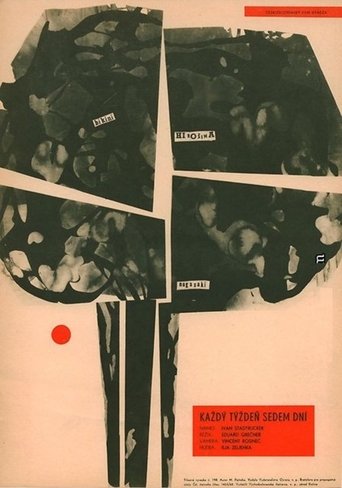
10.0Set in Bratislava, university friends Turo and Andrey are paralyzed by existential dread under the shadow of the Cold War and the threat of nuclear war. Rejecting long-term goals, Turo is an astronomy student that adopts a hedonistic lifestyle, while Andrey channels his anxiety into a sculpture for Hiroshima. This shared trauma ultimately tests their friendship and undermines their relationships.
Every Week Seven Days
1964
10.0Set in Bratislava, university friends Turo and Andrey are paralyzed by existential dread under the shadow of the Cold War and the threat of nuclear war. Rejecting long-term goals, Turo is an astronomy student that adopts a hedonistic lifestyle, while Andrey channels his anxiety into a sculpture for Hiroshima. This shared trauma ultimately tests their friendship and undermines their relationships.
Every Week Seven Days
1964
 7.3
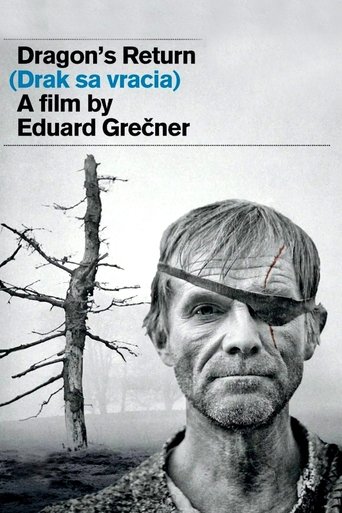
7.3This is a ballad about love, hate, and a search for a way out of loneliness. It is a dramatic story about the strange potter, Martin Leaps, nicknamed Dragon, who is suspected by the villagers as the cause of natural disasters. He lost his wife, his home, and his freedom due to false accusations. After years he returns to his native village. Putting his own life to risk, he saves a herd of cows from a forest fire in the hills. But not even this heroic deed helps him to win back the friendship of the locals.
Dragon's Return
1968
7.3This is a ballad about love, hate, and a search for a way out of loneliness. It is a dramatic story about the strange potter, Martin Leaps, nicknamed Dragon, who is suspected by the villagers as the cause of natural disasters. He lost his wife, his home, and his freedom due to false accusations. After years he returns to his native village. Putting his own life to risk, he saves a herd of cows from a forest fire in the hills. But not even this heroic deed helps him to win back the friendship of the locals.
Dragon's Return
1968
The plot takes place in the revolutionary year of 1848. It takes us to Príbelice, where Janko Kráľ returns from Pest after the March Revolution, to acquaint the Slovak people with the famous Twelve Points, together with his friend, teacher Ján Rotarides. They were voted on at the last Hungarian Diet in Bratislava with the promise of freedom and equality for Slovaks.
Príbelská vzbura Janka Kráľa
1978
The plot takes place in the revolutionary year of 1848. It takes us to Príbelice, where Janko Kráľ returns from Pest after the March Revolution, to acquaint the Slovak people with the famous Twelve Points, together with his friend, teacher Ján Rotarides. They were voted on at the last Hungarian Diet in Bratislava with the promise of freedom and equality for Slovaks.
Príbelská vzbura Janka Kráľa
1978
Television film, based on Rudolf Jašík's novel of the same name, tells the story of a blind boy rejected by his own family.
Mŕtve oči
1972
 NR
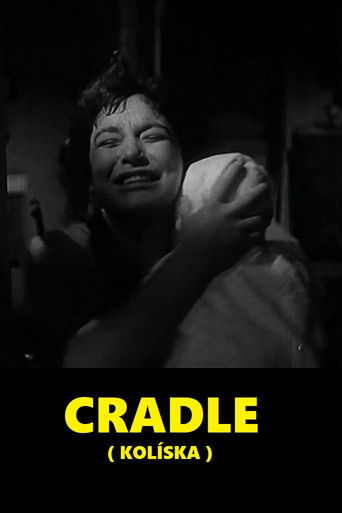
NRA TV film based on a short story by Alfonz Bednár. A drama set during the Slovak National Uprising.
Cradle
1964
 8.5
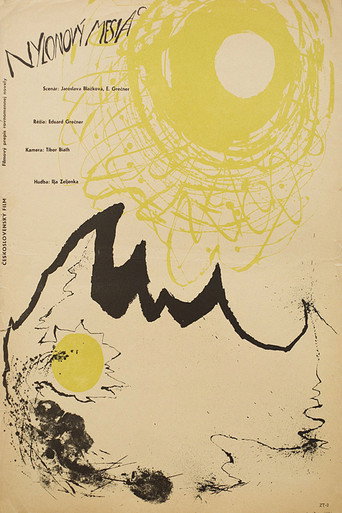
8.5Set in 1960s Bratislava, the film follows a cynical, thirty-year-old architect named Andrej who unexpectedly falls deeply in love with Vanda, a free-spirited and spontaneous young woman. However, their burgeoning relationship is quickly strained by his growing possessiveness and desire for a traditional marriage.
Nylon Moon
1966
8.5Set in 1960s Bratislava, the film follows a cynical, thirty-year-old architect named Andrej who unexpectedly falls deeply in love with Vanda, a free-spirited and spontaneous young woman. However, their burgeoning relationship is quickly strained by his growing possessiveness and desire for a traditional marriage.
Nylon Moon
1966