
Known for
 NR
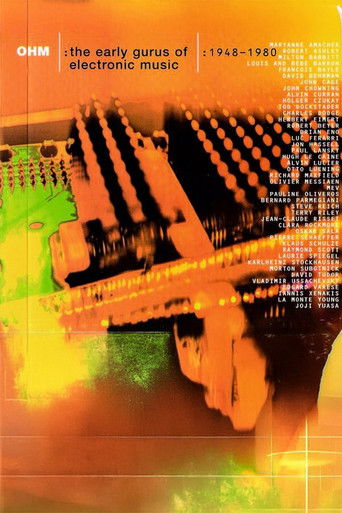
Drawing on rare performances, interviews, animations, and experimental film, this documentary surveys the formative years of electronic music from 1948 to 1980. Featuring pioneering composers and inventors—including Milton Babbitt and Leon Theremin—the film explores the experimental technologies, academic laboratories, and creative struggles that shaped the early evolution of electronic sound.
OHM+: The Early Gurus Of Electronic Music : 1948–1980
2005
 NR
Filmed in the Guatemalan Highlands during a 1980 journey, Edín Vélez’s experimental video essay offers a lyrical portrait of Mayan life. Avoiding conventional narration or ethnographic analysis, the film observes gestures, landscapes, and daily rituals through slow motion and expressive camera techniques, while American news broadcasts evoke the political conflict surrounding the community, creating a meditation on cultural resilience in a changing world.
Meta Mayan
1981
 NR
Oblique Strategist Too is a multilayered, tangential portrait of composer Brian Eno, and an evocative essay on the creative process. Eno's perspectives on his music and working methods surface elliptically, through interviews and footage of him in the studio and in lectures. Eno emerges as a meticulous musician, articulate critic, and, ultimately, an inscrutable personality. The tape's title is taken from a set of cards bearing aphorisms, which Eno uses as a random element of advice in his working process. Velez uses intricate audio and video effects to heighten the elusive nature of Eno's music and character. He begins the tape with a quote from Heraclitus: "The nature of things is in the habit of concealing itself" a paradox that eminently suits his subject matter.
Oblique Strategist Too
1984
 9.0
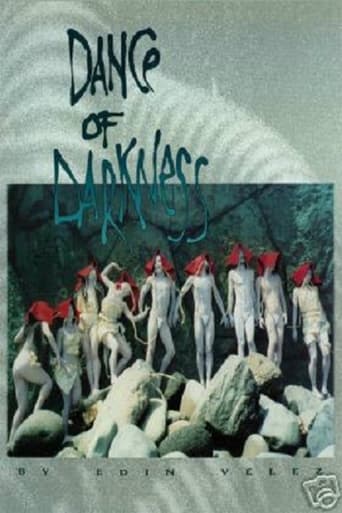
The dark sensibilities and cultural resonances of Butoh, the radical Japanese dance movement, are explored in this multilayered work. Profoundly rooted in both traditional and contemporary Japanese culture, Butoh arose in a spirit of revolt in the early 1960s. Characterized by frank sexuality and bodily distortions, Butoh transforms traditional dance movements into new forms, stripping away the taboos of contemporary Japanese culture to reveal a secret world of darkness and irrationality.
Dance of Darkness
1989
 NR
Filmed over a year in Japan, Edín Vélez’s experimental video essay examines the tension between tradition and modernity in Japanese culture. Through a nonlinear collage of layered images—ranging from bullet trains and corporate life to Kabuki, Sumo, and Shinto ritual—the film explores the concept of ma, the “interval” or charged space between things that shapes rhythm, balance, and meaning.
Meaning of the Interval
1987
This cine-portrait of New York City uses digital effects to turn the countless riders of the subway system into living, breathing paintings.
State of Rest and Motion
2017
Behind the camera
NRDrawing on rare performances, interviews, animations, and experimental film, this documentary surveys the formative years of electronic music from 1948 to 1980. Featuring pioneering composers and inventors—including Milton Babbitt and Leon Theremin—the film explores the experimental technologies, academic laboratories, and creative struggles that shaped the early evolution of electronic sound.
OHM+: The Early Gurus Of Electronic Music : 1948–1980
2005
NRFilmed in the Guatemalan Highlands during a 1980 journey, Edín Vélez’s experimental video essay offers a lyrical portrait of Mayan life. Avoiding conventional narration or ethnographic analysis, the film observes gestures, landscapes, and daily rituals through slow motion and expressive camera techniques, while American news broadcasts evoke the political conflict surrounding the community, creating a meditation on cultural resilience in a changing world.
Meta Mayan
1981
NROblique Strategist Too is a multilayered, tangential portrait of composer Brian Eno, and an evocative essay on the creative process. Eno's perspectives on his music and working methods surface elliptically, through interviews and footage of him in the studio and in lectures. Eno emerges as a meticulous musician, articulate critic, and, ultimately, an inscrutable personality. The tape's title is taken from a set of cards bearing aphorisms, which Eno uses as a random element of advice in his working process. Velez uses intricate audio and video effects to heighten the elusive nature of Eno's music and character. He begins the tape with a quote from Heraclitus: "The nature of things is in the habit of concealing itself" a paradox that eminently suits his subject matter.
Oblique Strategist Too
1984
9.0The dark sensibilities and cultural resonances of Butoh, the radical Japanese dance movement, are explored in this multilayered work. Profoundly rooted in both traditional and contemporary Japanese culture, Butoh arose in a spirit of revolt in the early 1960s. Characterized by frank sexuality and bodily distortions, Butoh transforms traditional dance movements into new forms, stripping away the taboos of contemporary Japanese culture to reveal a secret world of darkness and irrationality.
Dance of Darkness
1989
NRFilmed over a year in Japan, Edín Vélez’s experimental video essay examines the tension between tradition and modernity in Japanese culture. Through a nonlinear collage of layered images—ranging from bullet trains and corporate life to Kabuki, Sumo, and Shinto ritual—the film explores the concept of ma, the “interval” or charged space between things that shapes rhythm, balance, and meaning.
Meaning of the Interval
1987
This cine-portrait of New York City uses digital effects to turn the countless riders of the subway system into living, breathing paintings.
State of Rest and Motion
2017
Featured are Black's Beach in San Diego, Paradise Lakes of Tempa, FL, Steph's Pond in Upstate New York, Cypress Cove, Rocquemont Beach on Guadeloupe Island, East Coast gathering of Naturists at a Poconos Mountain camp, Belezy in Southern France, Munich's Central Park in Germany, Mykonos Island in Greece, Sorobon Resort on Bonaire in the Caribbean and Cap D'Agde, the French Mediterranean city.
A Beginners Guide to Skinny Dipping
1991
An intimate space carved out of a quiet late summer day. Extreme close-ups of domestic life bathed in a ripe light slowly open up into wider landscapes of less forgiving time. This is a morning in Transylvania.
…the thing itself
2018