

Directing
Eunice Gutman
Born
1941-02-04 (85)
Place of birth
Rio de Janeiro, Rio de Janeiro, Brazil
Known for
Directing
Credits
24 titles
Known for
 NR
Documentary about the metallurgical artist
Anna Letycia
1979
 8.2
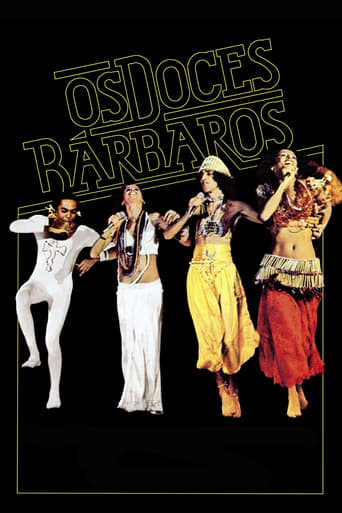
The film records the commemorative tour of the ten years of the career of the Bahia singers Caetano Veloso, Gilberto Gil, Maria Bethânia and Gal Costa, who formed the group with the name of Doces Bárbaros (Sweet Barbarians), at the suggestion of Bethânia. Conceived to present the shows of the live album that would be released (Doces Bárbaros - Live), the documentary changed of tone when registering the arrest and judgment of Gilberto Gil and of a companion by possession of drugs. Gil was forced to go to a detox clinic, and only went out to participate in the programmed shows.
Os Doces Bárbaros
1977
 8.0
No synopsis available yet.
A Rocinha Tem Histórias
1985
 8.5
Filmed as Brazil was transitioning back into a democracy after over two decades of dictatorship, ‘Mulheres: uma outra história’ focuses on various aspects of women's participation in the Brazilian political scene and features interviews with some of the 23 women newly elected to the Constituent Assembly who managed to gain the approval of some of their proposals for the Brazilian Constitution which was being written at the time. The film features appearances from suffragist Carmen Portilho, who reminds viewers about the long history of struggle for women to earn the right to vote in the country, and Jandira Feghali and Benedita da Silva who would become some of the most influential political leaders in the country’s history.
Mulheres: Uma Outra História
1988
 7.0
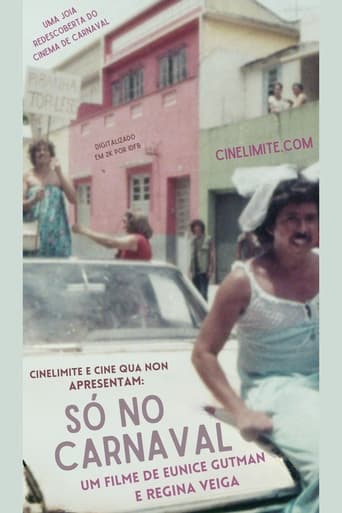
During Carnival in Rio de Janeiro a group of men follows the tradition of dressing up as a woman. Only some of them started timidly, a few members of a circle, but the custom has been expanding year by year to become legion. Their wives help them to get the costume, but husbands usually prefer to go to the parade without them.
Só no Carnaval...
1982
 NR
No synopsis available yet.
Rehearsal Time
1986
Film credits
2020s · 1 titles
Behind the camera
NRDocumentary about the metallurgical artist
Anna Letycia
1979
8.2The film records the commemorative tour of the ten years of the career of the Bahia singers Caetano Veloso, Gilberto Gil, Maria Bethânia and Gal Costa, who formed the group with the name of Doces Bárbaros (Sweet Barbarians), at the suggestion of Bethânia. Conceived to present the shows of the live album that would be released (Doces Bárbaros - Live), the documentary changed of tone when registering the arrest and judgment of Gilberto Gil and of a companion by possession of drugs. Gil was forced to go to a detox clinic, and only went out to participate in the programmed shows.
Os Doces Bárbaros
1977
8.0No synopsis available yet.
A Rocinha Tem Histórias
1985
8.0No synopsis available yet.
A Rocinha Tem Histórias
1985
8.5Filmed as Brazil was transitioning back into a democracy after over two decades of dictatorship, ‘Mulheres: uma outra história’ focuses on various aspects of women's participation in the Brazilian political scene and features interviews with some of the 23 women newly elected to the Constituent Assembly who managed to gain the approval of some of their proposals for the Brazilian Constitution which was being written at the time. The film features appearances from suffragist Carmen Portilho, who reminds viewers about the long history of struggle for women to earn the right to vote in the country, and Jandira Feghali and Benedita da Silva who would become some of the most influential political leaders in the country’s history.
Mulheres: Uma Outra História
1988
7.0During Carnival in Rio de Janeiro a group of men follows the tradition of dressing up as a woman. Only some of them started timidly, a few members of a circle, but the custom has been expanding year by year to become legion. Their wives help them to get the costume, but husbands usually prefer to go to the parade without them.
Só no Carnaval...
1982
NRNo synopsis available yet.
Rehearsal Time
1986
NRNo synopsis available yet.
Rehearsal Time
1986
 4.0
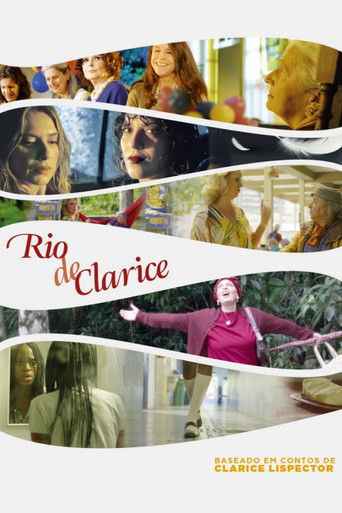
Film based on five short stories by Clarice Lispector (“A Bela e a Fera”, “Amor”, “Feliz Aniversário”, “Preciosidade” e “Mal-estar de um Anjo”).
Rio de Clarice
2026
 8.5
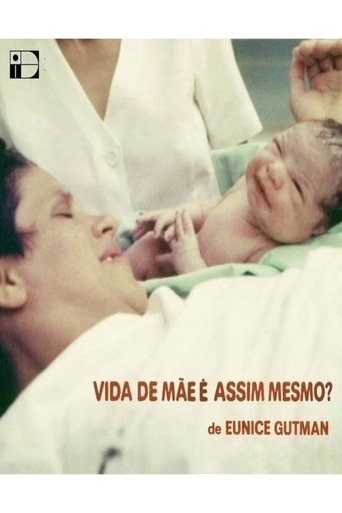
No synopsis available yet.
Vida de Mãe é Assim Mesmo?
1983
 NR
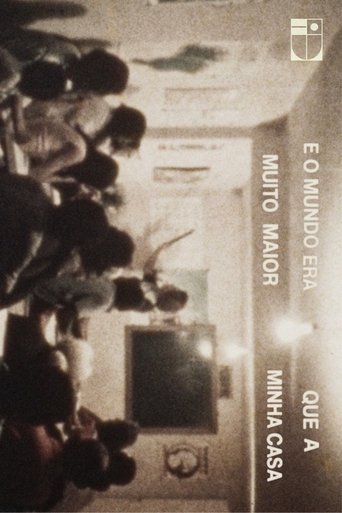
This movie marks Eunice Gutman's directorial debut, a deeply human documentary about adult literacy in rural Rio de Janeiro. Produced within the scope of MOBRAL, the film closely follows the journey of individuals, especially special women, who, upon learning to read and write, find new meaning in their lives.
E o mundo era muito maior que a minha casa
1976
 NR
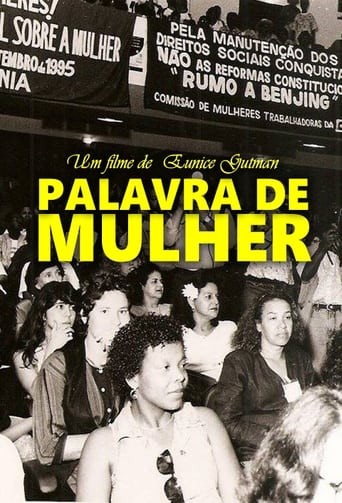
No synopsis available yet.
Palavra de Mulher
1999
 NR
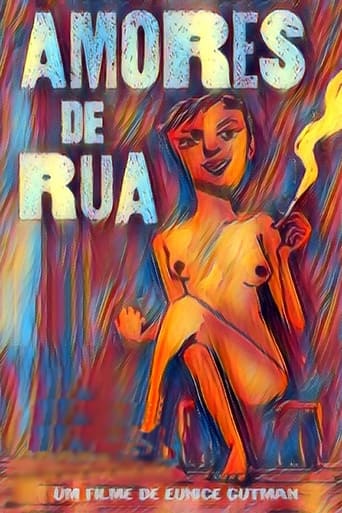
‘Amores de Rua’ questions the attitude towards sexuality espoused by a society in which sex workers fight for the right to citizenship. The film travels through Vila Mimosa, Praça Mauá and erotic nightclubs frequented by all genders, where performers mouth along to camp hits. The film presents a discussion about sexuality based on testimonies from sex workers, transgender women and representatives of associations including Euridice Coelho (then president of the Association of Prostitutes of Rio de Janeiro) and Gabriela Silva Leite (from the organisation Vida Prostituição, Direitos Civis e Saúde).
Street Lovers
1994
NR‘Amores de Rua’ questions the attitude towards sexuality espoused by a society in which sex workers fight for the right to citizenship. The film travels through Vila Mimosa, Praça Mauá and erotic nightclubs frequented by all genders, where performers mouth along to camp hits. The film presents a discussion about sexuality based on testimonies from sex workers, transgender women and representatives of associations including Euridice Coelho (then president of the Association of Prostitutes of Rio de Janeiro) and Gabriela Silva Leite (from the organisation Vida Prostituição, Direitos Civis e Saúde).
Street Lovers
1994
 6.0
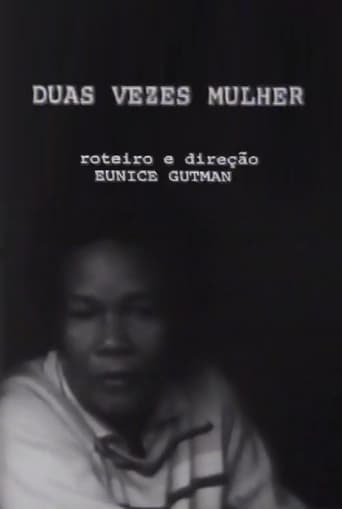
Jovina and Marlene, two Black women of different generations, left Northeast Brazil for Rio de Janeiro's Vidigal favela, in search of new opportunities. They relate how they thwarted Portuguese landgrabbers and transcended their status as housewives.
Two Times Woman
1985
6.0Jovina and Marlene, two Black women of different generations, left Northeast Brazil for Rio de Janeiro's Vidigal favela, in search of new opportunities. They relate how they thwarted Portuguese landgrabbers and transcended their status as housewives.
Two Times Woman
1985
6.0Jovina and Marlene, two Black women of different generations, left Northeast Brazil for Rio de Janeiro's Vidigal favela, in search of new opportunities. They relate how they thwarted Portuguese landgrabbers and transcended their status as housewives.
Two Times Woman
1985
 NR
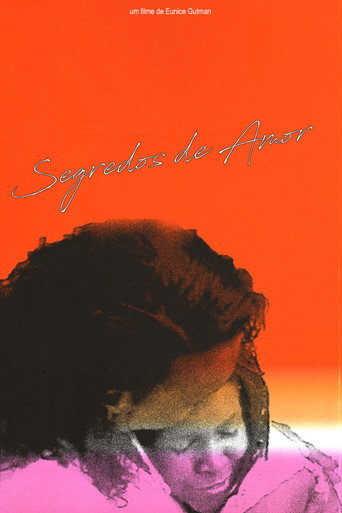
The documentary Segredos de amor (Just Between Us) is a beautiful testament to the struggle of lesbian lives and loves in Brazil.
Just Between Us
1999
 NR
No synopsis available yet.
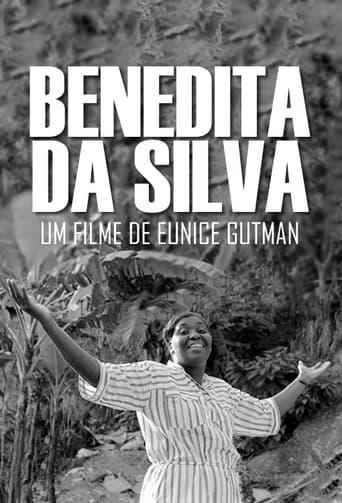
Benedita da Silva
1991
 NR
No synopsis available yet.
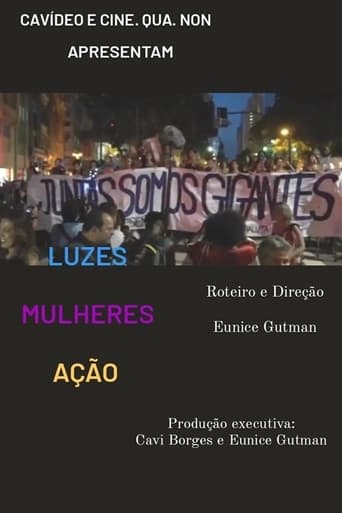
Luzes, Mulheres, Ação
2022