
Writing
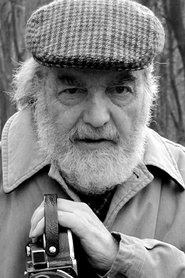
Osvaldo Bayer
Born — Died
1927-05-18 — 2018-12-24
Place of birth
Santa Fe, Argentina
Known for
Writing
Credits
30 titles
Known for
Portrait of the persecution of various intellectuals in the period from the overthrow of María Estela Martínez de Perón to the Falklands War.
Forbidden
1997
 NR
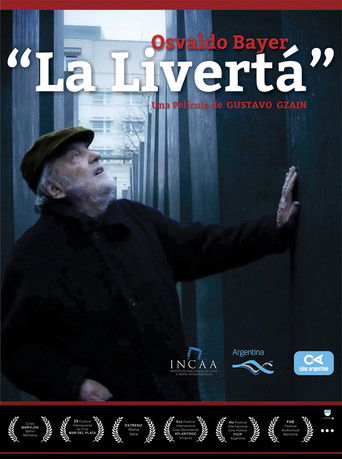
NRThroughout his 87 years, the anarchist historian, journalist and writer Osvaldo Bayer was one of the greatest exponents of a sustained commitment to his liberation struggles, illuminating the past so that the present and future are increasingly emancipatory. But, as this documentary by Gustavo Gzain demonstrates, using the past tense is difficult to describe the peaceful battles of Bayer, who is still an active defender of human rights.
Osvaldo Bayer “La livertá”
2014
 7.6
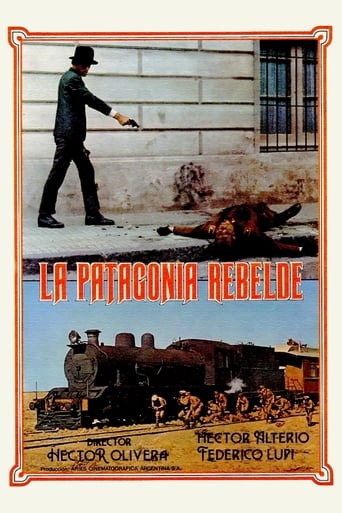
7.6In 1920, workers from Patagonia, in Southern Argentina, gather around an anarcho-syndicalist society and go on strike, demanding better working conditions. When the situation turns unsustainable, President Yrigoyen sends Lieutenant Colonel Zavala to impose order.
Rebellion in Patagonia
1974
 NR
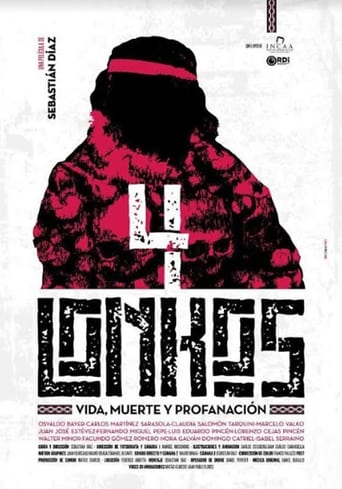
NRDocumentary that tells the life, death and desecration of the mortal remains of three great chiefs of the pampas and Patagonia: Mariano Rosas, Cipriano Catriel and Juan Calfucurá, who after the bloody Desert Campaign, were desecrated in the name of science (whose skulls ended up swelling the collections of Argentine anthropological museums) and a fourth lonko or cacique, the irreducible Vicente Pincén, who once stopped by Colonel Villegas, could only be captured on four famous photographic plates.
4 lonkos
2020
 6.8
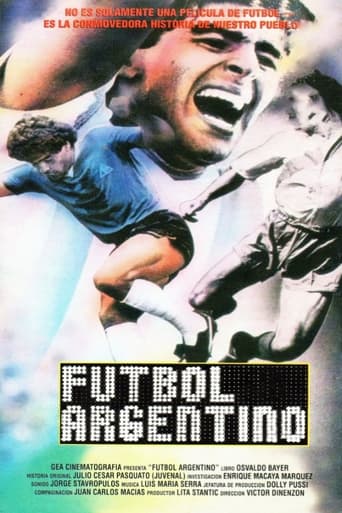
6.8A history of Argentine football, from its origins in the nineteenth century to the victory of the Argentine national team in the 1986 World Cup. The film uses valuable archival footage.
Fútbol argentino
1990
 NR
NRNo synopsis available yet.
Reconquista: El diario de Scalabrini Ortiz
2025
Film credits
2020s · 3 titles
NRDocumentary that tells the life, death and desecration of the mortal remains of three great chiefs of the pampas and Patagonia: Mariano Rosas, Cipriano Catriel and Juan Calfucurá, who after the bloody Desert Campaign, were desecrated in the name of science (whose skulls ended up swelling the collections of Argentine anthropological museums) and a fourth lonko or cacique, the irreducible Vicente Pincén, who once stopped by Colonel Villegas, could only be captured on four famous photographic plates.
4 lonkos
2020
NRNo synopsis available yet.
Reconquista: El diario de Scalabrini Ortiz
2025
 NR
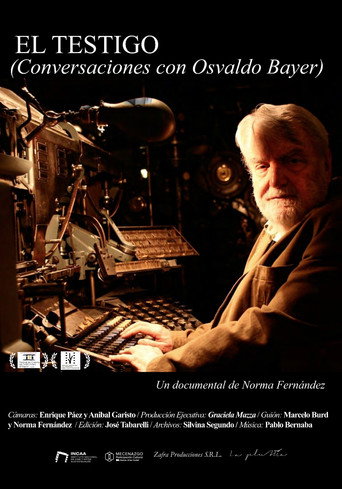
NRNo synopsis available yet.
El testigo (Conversaciones con Osvaldo Bayer)
2024
2010s · 7 titles
NRThroughout his 87 years, the anarchist historian, journalist and writer Osvaldo Bayer was one of the greatest exponents of a sustained commitment to his liberation struggles, illuminating the past so that the present and future are increasingly emancipatory. But, as this documentary by Gustavo Gzain demonstrates, using the past tense is difficult to describe the peaceful battles of Bayer, who is still an active defender of human rights.
Osvaldo Bayer “La livertá”
2014
 NR
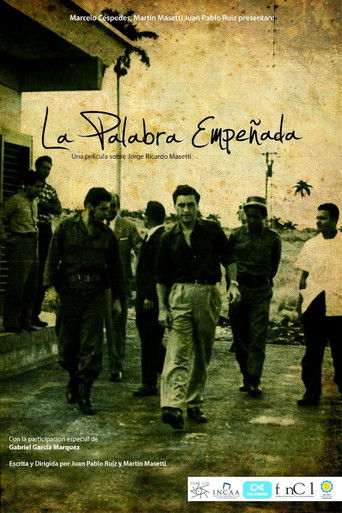
NRDocumentary about Argentine journalist Jorge Ricardo Masetti (1929-1964), founder of the Latin American news agency Prensa Latina, and commander of Che Guevara's vanguard in Argentina.
La palabra empeñada
2011
 NR
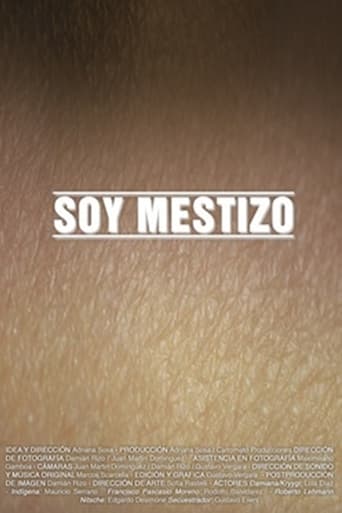
NRThe natural sciences museum of La Plata, Argentina, had indigenous people held captive as study objects in the past, and their skeletons were on exhibit for many decades. The story of Krygi, served as a trigger to look back at the ideologies that defined us as individuals and as a people.
Soy mestizo
2015
 NR
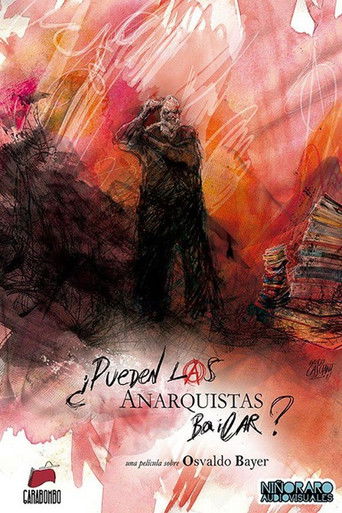
NRBetween 2012 and 2014, Osvaldo Bayer toured presenting the theatrical works Tugurio and Exilio, and the backstage moments were recorded on a handycam. Juan Pablo Gutiérrez edits the material, capturing Osvaldo’s profound humanity through a singular and deeply poetic approach.
¿Pueden l@s anarquistas bailar?
2017
 NR
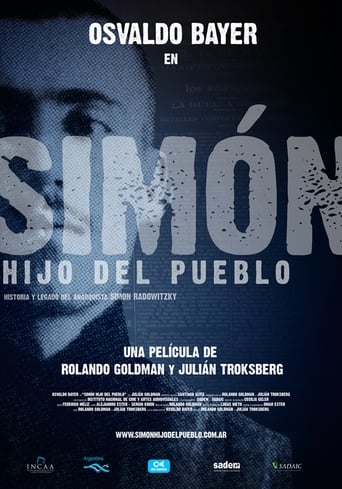
NRThe story of the mythical anarchist begins to weave on May 1, 1909, when the police repress a massive anarchist march in Buenos Aires, leaving dead and wounded. A few months later, the carriage of Ramón Falcón, the police chief who commanded the repression, explodes and flies through the air. For the attack, a young Ukrainian is arrested: Simón Radowitzky.
Simón, el hijo del pueblo
2013
 8.0
8.0Documentary film about the "zanja de Alsina", a long trench dug in the Argentinian Pampa in 1876 as way to separate the "civilized" from the "barbarians" during the massacre of indigenous peoples known as "campaña del desierto".
Alsina's Trench
2017
 10.0
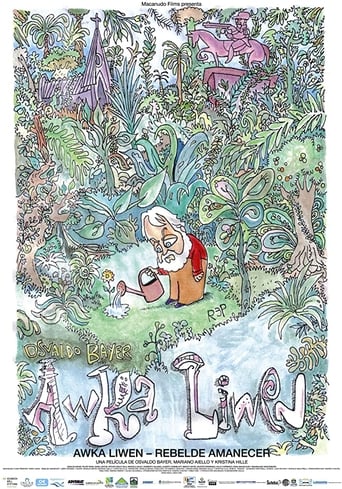
10.0This documentary exposes the untold story about the killing of native Southamerican people in Argentina in the late XIX century, with the aim of taking their lands for economical and political purposes.
Awka Liwen
2010
2000s · 6 titles
 10.0
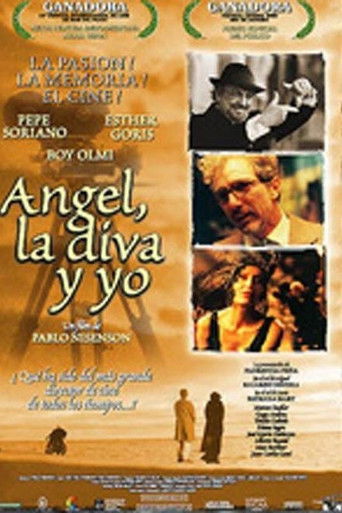
10.0Buenos Aires at the end of the millennium a young filmmaker hopeless about their future decides to film his last act.
Ángel, la diva y yo
2000
 7.0
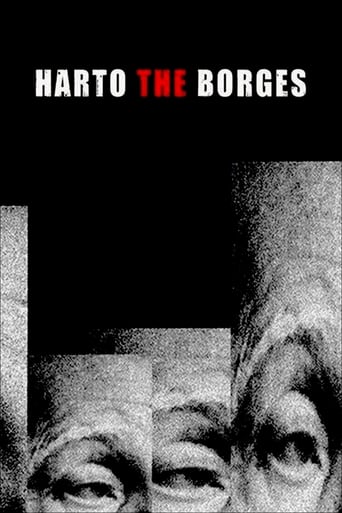
7.0A fragmented biography, inconclusive, partial, of the brilliant Argentinian writer Jorge Luis Borges, based on different testimonies: his links with Leonor de Acedevo —his mother— and María Kodama —his second wife—; his vast culture and devout dedication to literature, his and that of others; his country: the politicians and the disloyal military. Borges gradually builds his own impersonation of Borges.
Harto the Borges
2000
 8.0
8.0The life and mystery of the disappearance of the most famous rural bandit in Argentina between 1930 and 1940, Segundo David Peralta, alias Mate Cosido, is the object of the investigation that has been carried out for three years.
Mate Cosido, el bandolero fantasma
2003
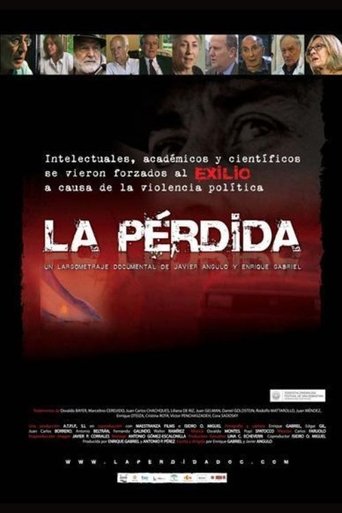 NR
NRA reflection on the exile of an entire intellectual, scientific and academic elite that was forced to flee Argentina due to the political violence of the sixties and seventies.
La pérdida
2009
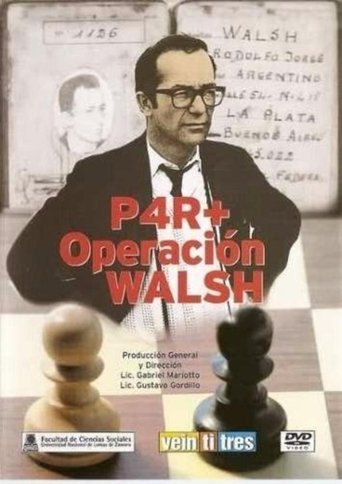 10.0
10.0Those who were closest to him give us a different Rodolfo Walsh: brave, womanizer, talented, whiskey-loving, obsessive, militant, full of doubts... but fundamentally human.
P4R+ Operación Walsh
2000
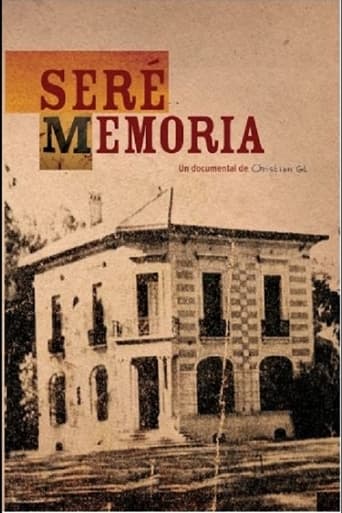 NR
NRThe documentary rescues in its essence the experience of the first Clandestine Center in all of Latin America converted into a Museum ("Espacio Mansión Seré", inaugurated in March 2013) and manages to make visible a place where, years ago, death and horror ravaged, where today life, art and activism can flourish to continue building a country that explores its past, understands its present and looks with hope to the future.
Seré Memoria
2006
1990s · 4 titles
Portrait of the persecution of various intellectuals in the period from the overthrow of María Estela Martínez de Perón to the Falklands War.
Forbidden
1997
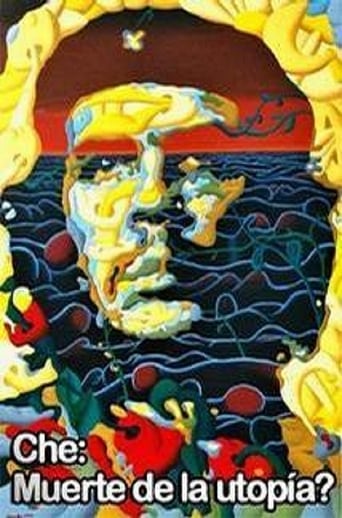 7.0
7.0What does Che Guevara"s mythic presence represent to people at the turn of the century, and how do people define their concept of utopia?
Che: muerte de la utopia?
1999
Testimonies about the life and work of writer and journalist Osvaldo Soriano.
Soriano
1999
 10.0
10.0The influence of Prussian militarism on the Argentine Army, from the visit of Marshal von der Goltz to the present day. The French and American instructors at the War College. Jorge Videla's portrait now presides over the Military College, and cadets express their admiration for him and Hitler's marshals. The eye of German television penetrates our reality, the relentless "crusade against subversion," and the international arms business.
Panteón militar
1992
1980s · 2 titles
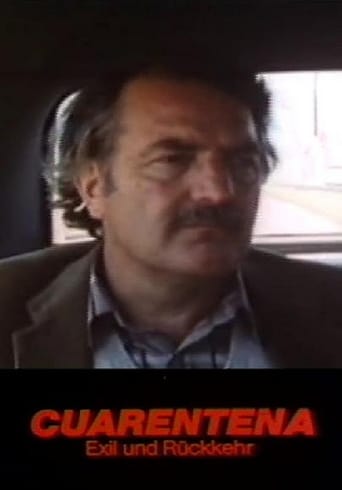 9.7
9.7The days between the end of the military dictatorship and the beginning of the constitutional period from 1983: political debates in the streets and the meetings of the Mothers of Plaza de Mayo, who were waiting for the role that each political party would play to claim for the disappeared. Osvaldo Bayer in first person.
Cuarentena (Exil und Rückkehr)
1984
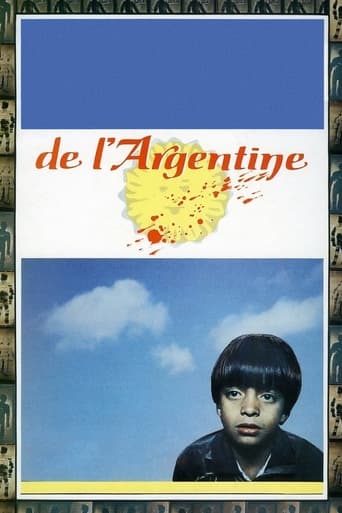 9.0
9.0Documentary on State terrorism during the last military dictatorship in Argentina, made in its aftermath. Invited by the Goethe-Institut to hold a workshop with young film students, Schroeter contrasts the official statements of the regime with the testimony of victims, dissidents and relatives of the disappeared. And trust that their faces and words will resonate much more than a mere representation of violence.
For Example, Argentina
1985
Behind the camera
7.6In 1920, workers from Patagonia, in Southern Argentina, gather around an anarcho-syndicalist society and go on strike, demanding better working conditions. When the situation turns unsustainable, President Yrigoyen sends Lieutenant Colonel Zavala to impose order.
Rebellion in Patagonia
1974
6.8A history of Argentine football, from its origins in the nineteenth century to the victory of the Argentine national team in the 1986 World Cup. The film uses valuable archival footage.
Fútbol argentino
1990
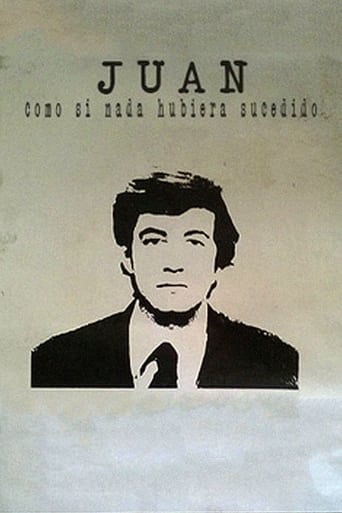 8.8
8.8Documentary about the detention-disappearance of Juan Marcos Herman in the city of Bariloche during the dictatorship in Argentina.
Juan: As If Nothing Ever Happened
1987
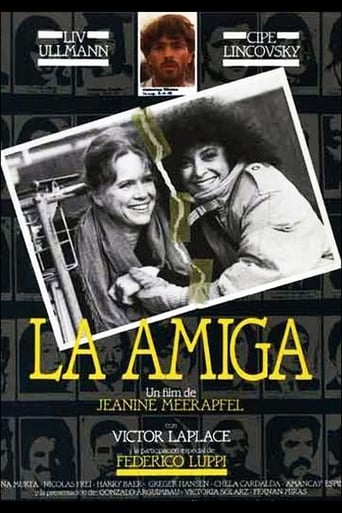 5.9
5.9Since childhood, Raquel and Maria have been close friends. Now all grown-up, Raquel has fulfilled her dream of becoming an actress, while Maria has married a handyman, given birth to three children and runs the family household. In the wake of the Argentine military coup of 1976, Maria's oldest son Carlos is abducted. Desperate, Maria turns to her prominent friend for help. Yet the more Raquel gets involved in the search for Carlos, the more she becomes herself a target of the junta. Finally, she flees from Argentina to Berlin. Meanwhile Maria joins a group of women who investigate the fate of their disappeared relatives. In 1983, after the fall of the dictatorship, the two friends meet again.
The Girlfriend
1989
 8.0
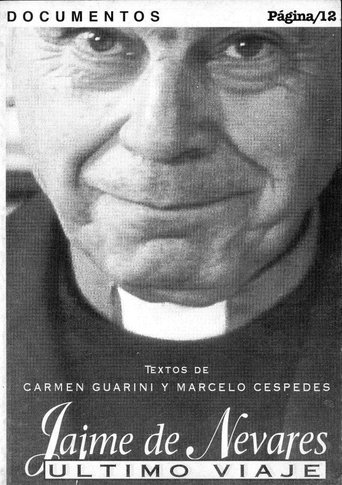
8.0Documentary film about the life of Neuquén bishop Jaime de Nevares.
Jaime de Nevares: Último viaje
1995
 7.5
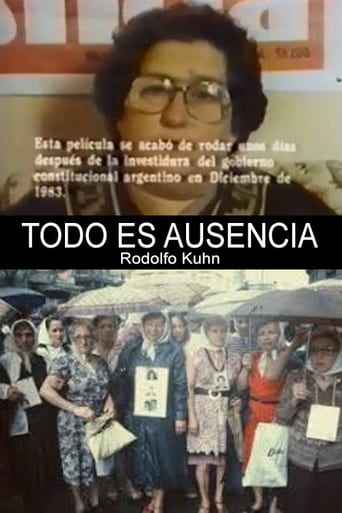
7.5Five Argentinian women, with missing relatives from the military dictatorship that ruled the country, explain their emotions and feelings about all that happened.
Todo es ausencia
1984
NRThe story of the mythical anarchist begins to weave on May 1, 1909, when the police repress a massive anarchist march in Buenos Aires, leaving dead and wounded. A few months later, the carriage of Ramón Falcón, the police chief who commanded the repression, explodes and flies through the air. For the attack, a young Ukrainian is arrested: Simón Radowitzky.
Simón, el hijo del pueblo
2013
10.0The influence of Prussian militarism on the Argentine Army, from the visit of Marshal von der Goltz to the present day. The French and American instructors at the War College. Jorge Videla's portrait now presides over the Military College, and cadets express their admiration for him and Hitler's marshals. The eye of German television penetrates our reality, the relentless "crusade against subversion," and the international arms business.
Panteón militar
1992