
Writing
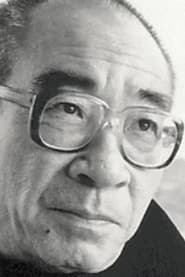
Tsutomu Tamura
Born — Died
1933-01-05 — 1997-03-28
Place of birth
Tomioka, Gunma, Japan
Known for
Writing
Credits
27 titles
Tsutomu Tamura is known for The Ceremony (1971), Boy (1969) and Death by Hanging (1968).
Known for
 7.2
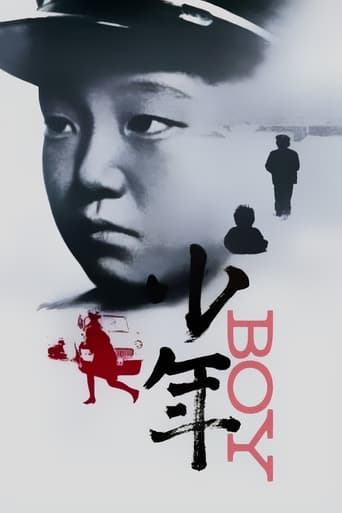
7.2A family of four lives off of scams in which they pretend to be injured by automobiles.
Boy
1969
 7.5
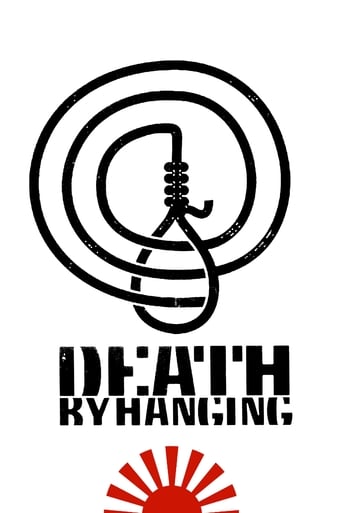
7.5A Korean man is sentenced to death in Japan but somehow survives his execution, sending the authorities into a panic about what to do next.
Death by Hanging
1968
 6.6
6.6When a lone traveller stumbles upon a remote, drought-stricken village, he finds himself engulfed in a whirlpool of myth, mystery, and magic: in a nearby pond reside spirits who hold the fate of the town’s inhabitants, including lovers Akira and Yuri, in their hands.
Demon Pond
1979
 4.8
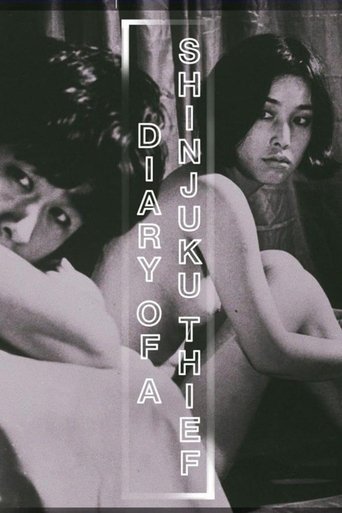
4.8In Tokyo's Shinjuku district, the lives of a young man prone to theft, a young woman he meets at a bookstore, and a kabuki actor intersect.
Diary of a Shinjuku Thief
1969
 6.8
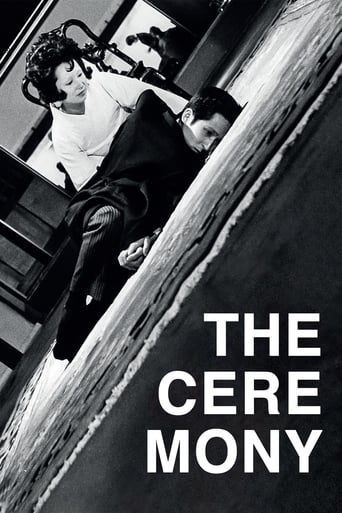
6.8Oshima’s magisterial epic, centering on the ambivalent surviving heir of the Sakurada clan, uses ritual and the microcosm of the traditional family to trace the rise and fall of militaristic Japan across several decades.
The Ceremony
1971
 6.6
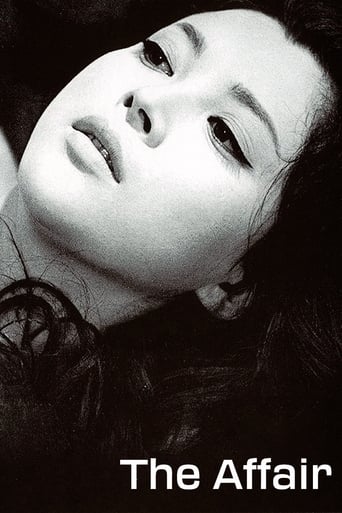
6.6As a young woman, Oriko condemned her widowed mother for openly pursuing relationships with younger men. After her mother passes away, she finds herself in an unhappy, loveless marriage and begins to understand her mother’s actions.
The Affair
1967
Behind the camera
7.2A family of four lives off of scams in which they pretend to be injured by automobiles.
Boy
1969
7.5A Korean man is sentenced to death in Japan but somehow survives his execution, sending the authorities into a panic about what to do next.
Death by Hanging
1968
6.6When a lone traveller stumbles upon a remote, drought-stricken village, he finds himself engulfed in a whirlpool of myth, mystery, and magic: in a nearby pond reside spirits who hold the fate of the town’s inhabitants, including lovers Akira and Yuri, in their hands.
Demon Pond
1979
4.8In Tokyo's Shinjuku district, the lives of a young man prone to theft, a young woman he meets at a bookstore, and a kabuki actor intersect.
Diary of a Shinjuku Thief
1969
6.8Oshima’s magisterial epic, centering on the ambivalent surviving heir of the Sakurada clan, uses ritual and the microcosm of the traditional family to trace the rise and fall of militaristic Japan across several decades.
The Ceremony
1971
6.6As a young woman, Oriko condemned her widowed mother for openly pursuing relationships with younger men. After her mother passes away, she finds herself in an unhappy, loveless marriage and begins to understand her mother’s actions.
The Affair
1967
 6.0
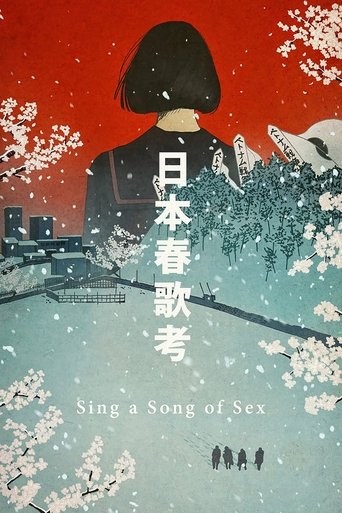
6.0Four sexually hungry high school students preparing for their university entrance exams meet up with an inebriated teacher singing bawdy drinking songs. This encounter sets them on a less than academic path.
Sing a Song of Sex
1967
 6.7
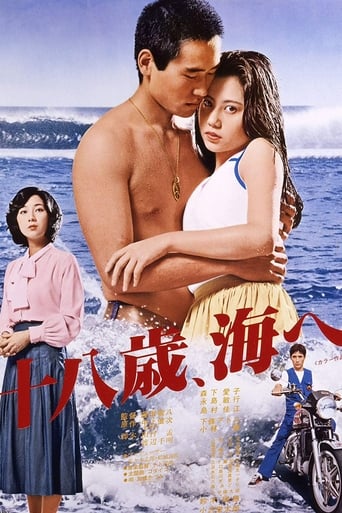
6.7Struggling with money, violence and social pressure, a couple of youngsters are drawn to dangerous games of death.
Eighteen Years, to the Sea
1979
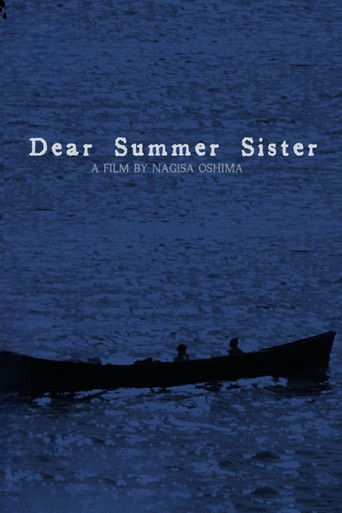 5.2
5.214-year-old Sunaoko travels from Tokyo to Naha, Okinawa, with her father’s young fiancée Momoko in search of her half-brother whom she has never met. Their guide, a beer-guzzling ex-soldier, takes them to the locale’s tourist attractions, quickly delving into the underlying scars of the island’s wartime history.
Dear Summer Sister
1972
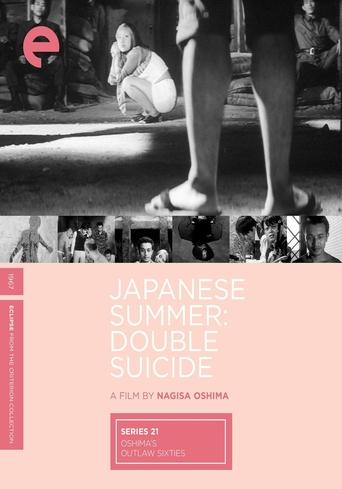 5.7
5.7A sex-obsessed woman, a suicidal man she meets on the street, and a gun-crazy wannabe gangster become trapped in an underground hideaway.
Japanese Summer: Double Suicide
1967
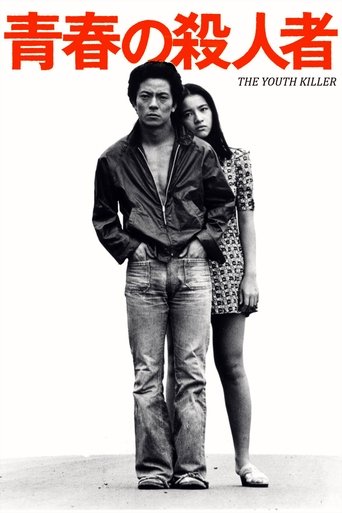 6.5
6.5Though his parents help him run the family business, Jun still feels persecuted by their love; when they bar him from meeting with his girlfriend, tensions increase.
The Youth Killer
1976
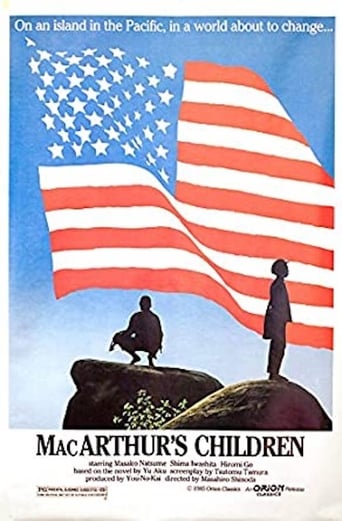 5.5
5.5In the aftermath of the Second World War, the denizens of a small Japanese fishing village struggle with defeat, cultural change, and the arrival of American troops.
MacArthur's Children
1984
 5.7
5.7Three students spend their holidays at the seaside where they are mistaken for Koreans, a minority which is looked down on in Japan. The action develops into a crime story.
Three Resurrected Drunkards
1968
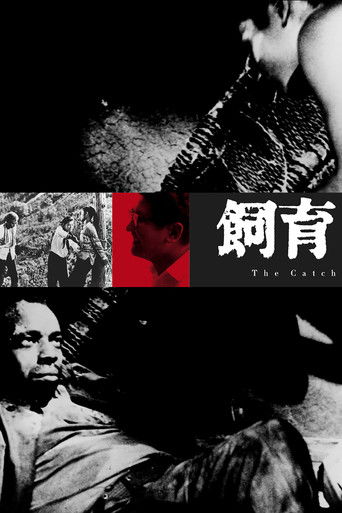 6.5
6.5Towards the end of WWII, a black American pilot is captured and imprisoned by rural Japanese villagers, who await official instructions as to how to proceed with their 'catch'.
The Catch
1961
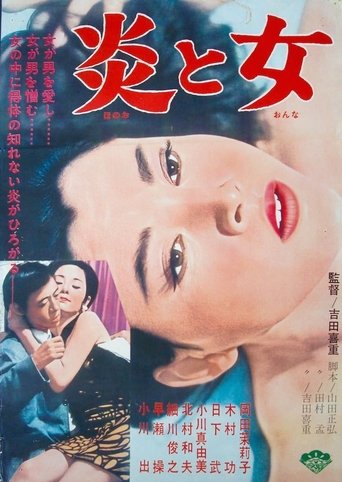 6.4
6.4Shingo and Ritsuko have a baby: Takashi. They happen to be a happy couple, but soon Ritsuko wants to know who is the true father of Takashi, born by artificial insemination.
Impasse
1967
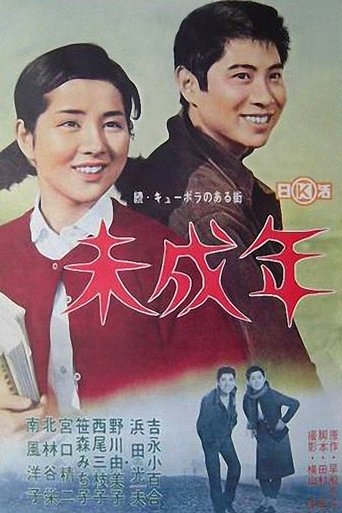 NR
NRA young girl in an industrial town is saving her money to enter college. But her drunken father loses his job, her mother cannot make ends meet, and then the boy she likes loses everything when his factory fails. She takes all her savings out of the bank and offers them to him to make a new start. He refuses at first but eventually agrees and so she goes back to school to tell her teacher that she has decided not to continue college, that she is young and strong, and can make her own way in life.
The Start of Life
1965
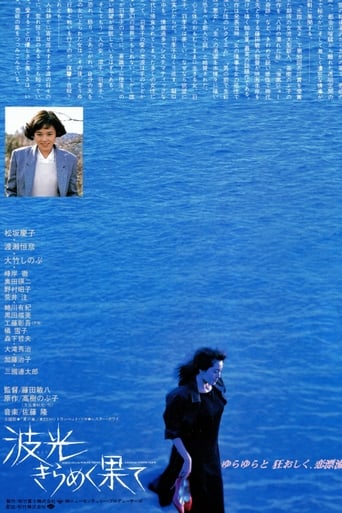 7.0
7.0Heartbroken Ukiko takes refuge with a relative after a devastating breakup. While away, she makes a dangerous match with the husband of her frigid cousin.
Beyond the Shining Sea
1986
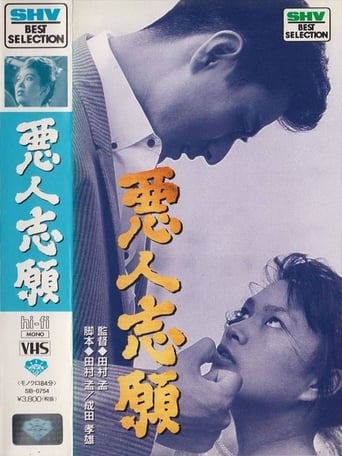 NR
NRTwo outsiders start a relationship in a mining town.
Volunteering for Villainy
1960
NRTwo outsiders start a relationship in a mining town.
Volunteering for Villainy
1960
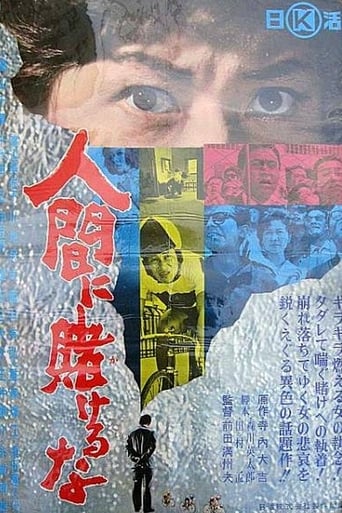 NR
NRNo synopsis available yet.
Ningen ni kakeruna
1964
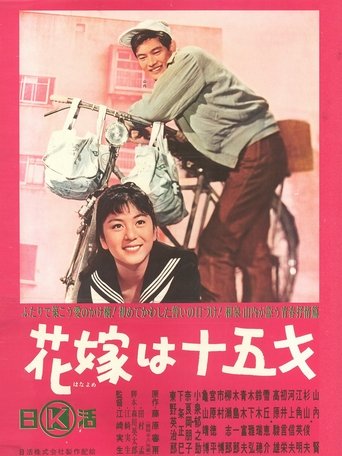 NR
NRHanayome wa Jūgo-sai, directed by Mio Ezaki and distributed by Nikkatsu, stars Masako Izumi and Ken Yamauchi. The high-key pink background and casual photographic portrait embody Nikkatsu’s 1960s youth-film aesthetic. Clean, hopeful, and pop-oriented. The large white title, handwritten for a softer impression, injects playful energy that contrasts with the strict vertical text blocks. As Japan’s youth culture blossomed after the 1964 Tokyo Olympics, posters like this captured the spirit of romance and rebellion marketed to teenage audiences. The vivid color palette and carefree composition signal a stylistic shift from postwar black-and-white melodrama to the vibrant optimism of modern Technicolor cinema.
The Bride is Fifteen
1964
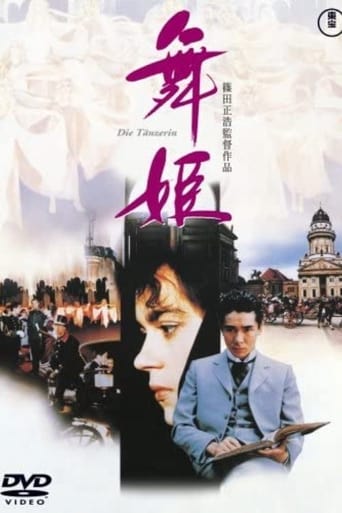 6.4
6.4Against the backdrop of late 19th-century Berlin, Toyotaro Ota, a young Japanese uni student studying in Germany, meets and falls in love with 16-year-old local dancer Elise. Their unconventional affair and subsequent cohabitation stir up a massive scandal that threatens his reputation, eventually reaching the ears of officials in Japan.
The Dancer
1989
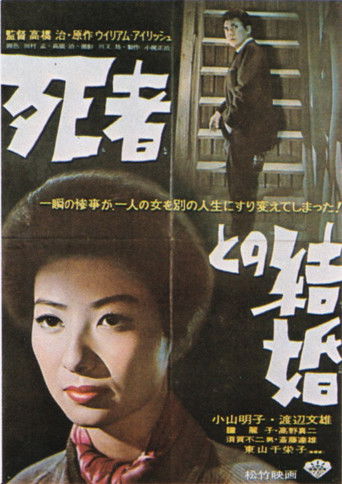 7.2
7.2A case of mistaken identity in which a woman assumes the role of widow to a man killed in a train accident.
Shisha to no kekkon
1960
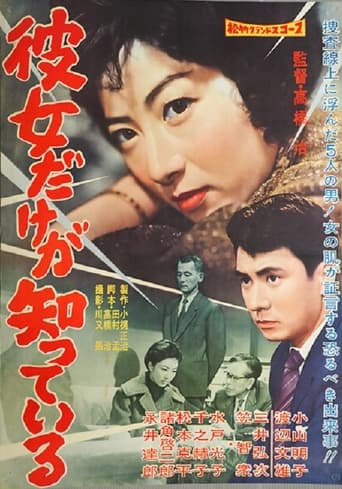 NR
NRA young woman is attacked by a serial rapist and murderer whom her detective father is investigating. Though she survives, the impact of the event creates increasing discord and agony for her and her loved ones.
Only She Knows
1960
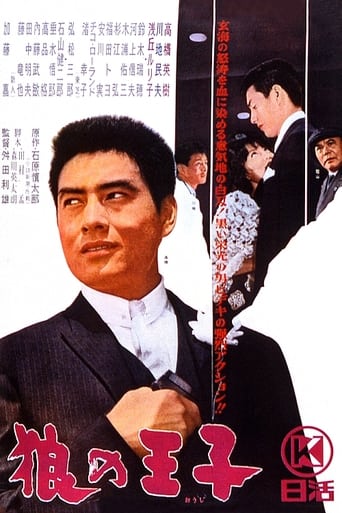 NR
NRAs the post-war turmoil continued, Take, the boss of the waifs, stole the money of US soldiers and lived with friends. They were like children of wolves. By chance, they were found by and became a members of a yakuza family. Five years later, Take dominated the port town as a young boss.
Prince of Wolves
1963
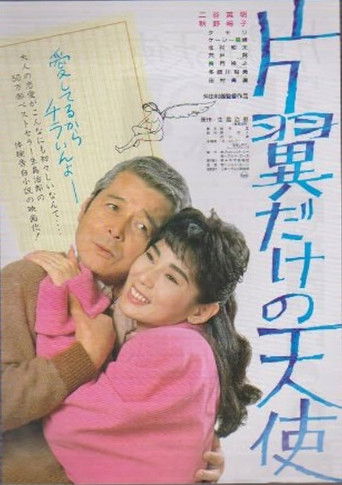 NR
NRA divorced man meets a kindly Korean prostitute whom he cannot get from his mind. Things don’t prove to be straightforward for either of them.
Katayoku dake no tenshi
1986
 7.0
7.0Ex-jazz pianist turned promoter finds he is successful, but empty. When an entrepreneur sends him to Moscow with a jazz combo, he falls in with the dissident youth of the city, and again finds life empty.
Good-bye Moscow
1968