
Known for
 NR
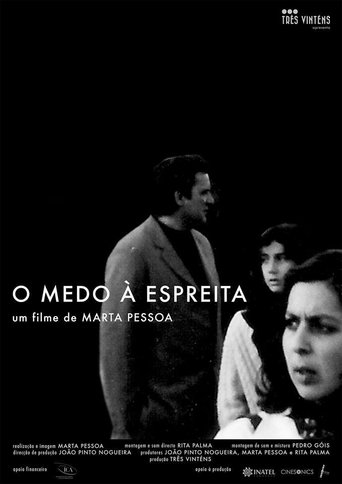
NR"The Lurking Fear" interviews Portuguese citizens whose lives where hit by the torture of its fascist political police.
The Lurking Fear
2015
 NR
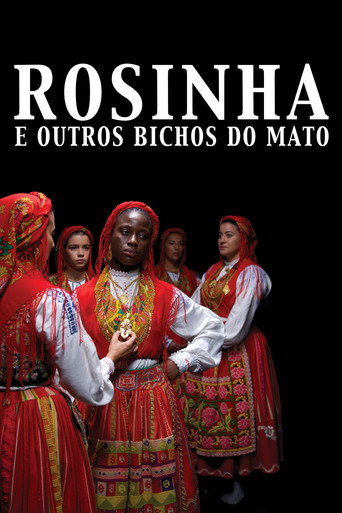
NRA film that scrutinizes the idea of “soft racism” and how it comes to drink from the exalted Portuguese colonialism. The titular Rosinha is a Guinean native who became the symbol of the first Portuguese colonial exhibition presented by the Estado Novo in 1934. A trip to the past to better understand the present.
Rosinha and Other Wild Animals
2023
Siren's Song is inspired on a story by Júlio Dinis, in an place populated by characters taken from Greek mythology.
The Siren's Song
1983
 7.0
7.0Ambulatory history, freely inspired by Georg Büchner's biography (1813-37) and the reasons that led him first to political intervention and then to strict isolation. With students of unidentified present time (1968? 1970?), the themes developed, in Büchner, are triggered by the publication of "The Messenger of Hesse", a pamphlet addressed to the peasants, urging them to revolt. Their misunderstanding, as well as the repression of the young revolutionaries, leads Büchner to a particularly skeptical and painful attitude...
Passagem ou a Meio Caminho
1986
 3.4
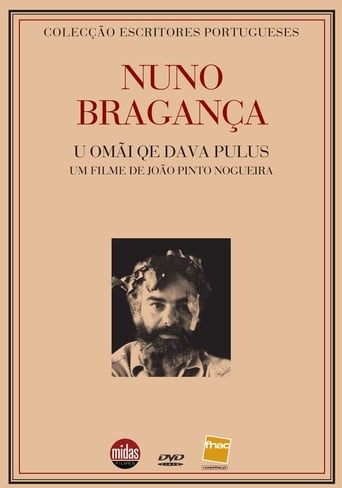
3.4Nuno Bragança. Author of three novels: "A Noite e o Riso" (The Night and Laughter), "Directa" and "Square Tolstoi." A collection of short stories: "Estação" (Station). And a posthumous novella: "Do Fim do Mundo" (From the End of the World). Screenwriter of "Os Verdes Anos" (The Green Years), the inaugural film of Cinema Novo Português, and co-director, with Gérard Castello-Lopes and Fernando Lopes, of the film "Nacionalidade: Português" (Nationality: Portuguese). A Catholic from a conservative family, he was a member of MAR (Movimento de Acção Revolucionária). He joined the Revolutionary Brigades of Carlos Antunes and Isabel do Carmo while working at Portugal's permanent representation to the OECD. On February 7, 1985, he died at the age of 55 in a hotel room in Lisbon. Nuno Bragança, who was he?
U Omãi Qe Dava Pulus
2008
 NR
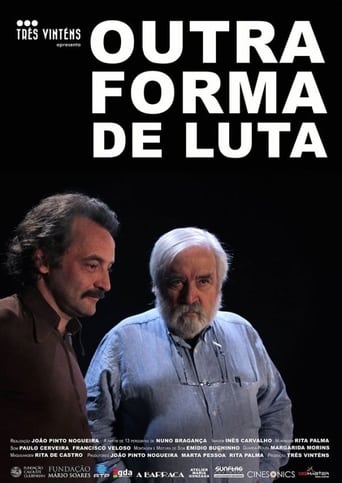
NRIn early 1985, the writer Nuno Bragança hands his friend Carlos Antunes a 13 question’s questionnaire; 13 sheets of graph paper, of which he offered the recto-verso of each for his friend to answer. The questions were about Carlos Antunes’ personal and political career, with a special interest in his involvement in the Revolutionary Brigades and the armed struggle against the dictatorship that led to his arrest in 1978. The untimely death of the writer, in the same year, left the questionnaire unanswered and some uncertainty as to its purpose. After almost 30 years, the director asks Carlos Antunes to answer the 13 questions and to reconstruct the achievements, illusions and sorrows of the Revolutionary Brigades in Portugal, in the years surrounding the Carnations’ Revolution in 1974.
Outra Forma de Luta
2014
Film credits
1980s · 2 titles
Siren's Song is inspired on a story by Júlio Dinis, in an place populated by characters taken from Greek mythology.
The Siren's Song
1983
7.0Ambulatory history, freely inspired by Georg Büchner's biography (1813-37) and the reasons that led him first to political intervention and then to strict isolation. With students of unidentified present time (1968? 1970?), the themes developed, in Büchner, are triggered by the publication of "The Messenger of Hesse", a pamphlet addressed to the peasants, urging them to revolt. Their misunderstanding, as well as the repression of the young revolutionaries, leads Büchner to a particularly skeptical and painful attitude...
Passagem ou a Meio Caminho
1986
Behind the camera
NR"The Lurking Fear" interviews Portuguese citizens whose lives where hit by the torture of its fascist political police.
The Lurking Fear
2015
NRA film that scrutinizes the idea of “soft racism” and how it comes to drink from the exalted Portuguese colonialism. The titular Rosinha is a Guinean native who became the symbol of the first Portuguese colonial exhibition presented by the Estado Novo in 1934. A trip to the past to better understand the present.
Rosinha and Other Wild Animals
2023
3.4Nuno Bragança. Author of three novels: "A Noite e o Riso" (The Night and Laughter), "Directa" and "Square Tolstoi." A collection of short stories: "Estação" (Station). And a posthumous novella: "Do Fim do Mundo" (From the End of the World). Screenwriter of "Os Verdes Anos" (The Green Years), the inaugural film of Cinema Novo Português, and co-director, with Gérard Castello-Lopes and Fernando Lopes, of the film "Nacionalidade: Português" (Nationality: Portuguese). A Catholic from a conservative family, he was a member of MAR (Movimento de Acção Revolucionária). He joined the Revolutionary Brigades of Carlos Antunes and Isabel do Carmo while working at Portugal's permanent representation to the OECD. On February 7, 1985, he died at the age of 55 in a hotel room in Lisbon. Nuno Bragança, who was he?
U Omãi Qe Dava Pulus
2008
NRIn early 1985, the writer Nuno Bragança hands his friend Carlos Antunes a 13 question’s questionnaire; 13 sheets of graph paper, of which he offered the recto-verso of each for his friend to answer. The questions were about Carlos Antunes’ personal and political career, with a special interest in his involvement in the Revolutionary Brigades and the armed struggle against the dictatorship that led to his arrest in 1978. The untimely death of the writer, in the same year, left the questionnaire unanswered and some uncertainty as to its purpose. After almost 30 years, the director asks Carlos Antunes to answer the 13 questions and to reconstruct the achievements, illusions and sorrows of the Revolutionary Brigades in Portugal, in the years surrounding the Carnations’ Revolution in 1974.
Outra Forma de Luta
2014
NRIn early 1985, the writer Nuno Bragança hands his friend Carlos Antunes a 13 question’s questionnaire; 13 sheets of graph paper, of which he offered the recto-verso of each for his friend to answer. The questions were about Carlos Antunes’ personal and political career, with a special interest in his involvement in the Revolutionary Brigades and the armed struggle against the dictatorship that led to his arrest in 1978. The untimely death of the writer, in the same year, left the questionnaire unanswered and some uncertainty as to its purpose. After almost 30 years, the director asks Carlos Antunes to answer the 13 questions and to reconstruct the achievements, illusions and sorrows of the Revolutionary Brigades in Portugal, in the years surrounding the Carnations’ Revolution in 1974.
Outra Forma de Luta
2014