
Acting
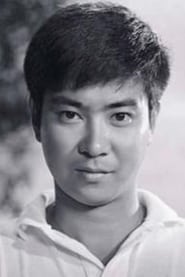
Yūjirō Ishihara
Born — Died
1934-12-28 — 1987-07-17
Place of birth
Kobe, Hyōgo Prefecture, Japan
Known for
Acting
Credits
69 titles
Yūjirō Ishihara (石原 裕次郎, Ishihara Yūjirō, December 28, 1934 – July 17, 1987) was a Japanese actor and singer born in Kobe.[1] His elder brother is Shintaro Ishihara, an author, politician, and the Governor of Tokyo between 1999 and 2012. Yujiro's film debut was the 1956 film Season of the Sun, based on a novel written by his brother. He was beloved by many fans as a representative youth star in the films of postwar Japan and subsequently as a macho movie hero. He was extravagantly mourned following his early death from liver cancer.
Known for
 NR
NRIn the big city where loyalty is rare and justice comes hard, a stoic detective (Tetsuya Watari) and his old friend, a sharp-eyed reporter (Yujiro Ishihara), forge a quiet alliance, uncovering brutal truths in days of relentless struggle.
Big City: Days of Struggle
1976
 7.0
7.0Seibu Keisatsu is a television drama series produced by Ishihara Promotions and broadcast on TV Asahi
Seibu Keisatsu
1979
 5.9
5.9The young Takako Kuramoto has come to Tokyo to study and starts working for the rich Tashiro family as tutor of the daughter, Kumiko, while she receives attention from her two older brothers, Yukichi and Shinji. Meanwhile, the exact parentage of Shinji comes to light.
A Slope in the Sun
1958
 6.9
6.9Two brothers compete for the amorous favors of a young woman during a seaside summer of gambling, boating, and drinking.
Crazed Fruit
1956
 9.0
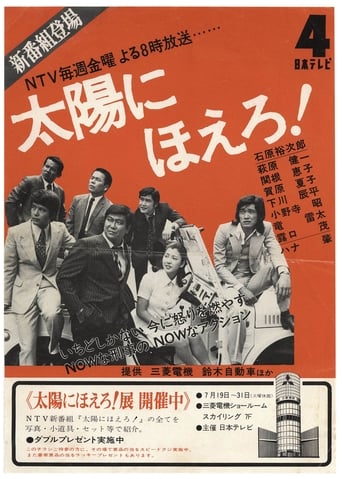
9.0The detectives of Nana-magari station investigate a wide variety of crimes in 70s Japan, ranging from the mundane to the absolutely bizarre.
Roar At The Sun!
1972
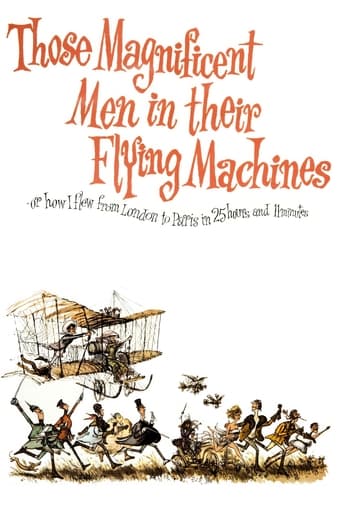 6.8
6.8In order to boost circulation of his newspaper, Lord Rawnsley announces an air race and offers £10,000 to the first person who can fly across the English Channel. But one of the participants, Percy, plots to sabotage his competitor's planes. Will Percy triumph?
Those Magnificent Men in Their Flying Machines or How I Flew from London to Paris in 25 Hours 11 Minutes
1965
Film credits
1970s · 10 titles
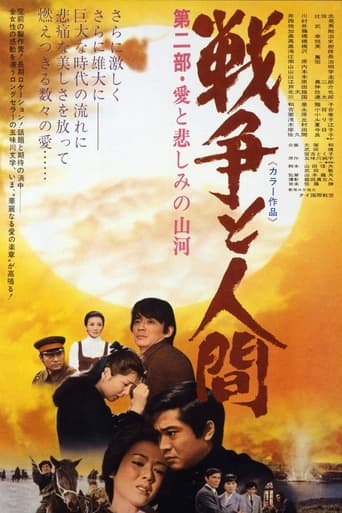 6.4
6.4As the Japanese military has established the puppet state of Manchukuo and is advancing its invasion of Asia, fighting intensifying battles against anti-Japanese partisans, the Godai zaibatsu becomes involved in large-scale opium smuggling. Shunsuke, second son of the Godai family, falls in love with a married woman. Meanwhile, Kohei, the love of the second daughter, Junko, throws himself into the anti-war movement.
Men and War II: Land of Love and Sorrow
1971
 6.8
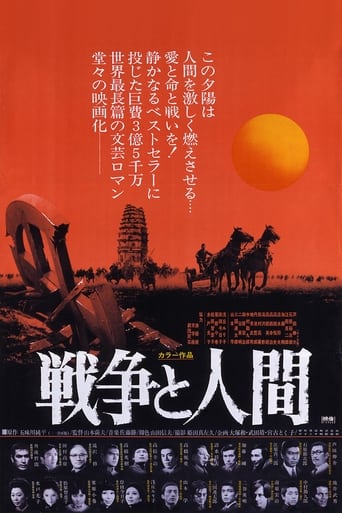
6.8The upstart Godai family conglomerate plans to strengthen ties with the hardliners in the Kwantung Army as they plan military expansion into Manchuria.
Men and War I: Prelude to Destiny
1970
 7.2
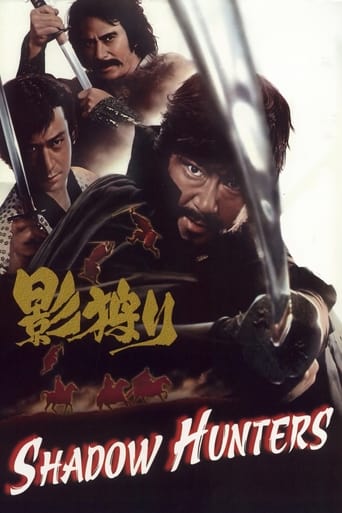
7.2Set during the declining years of the Tokugawa shogunate, Shadow Hunters details the questionably noble exploits of three ronin who act as "Shadow Hunters". These three ronin are not your normal ornery ruffians who are looking for a drink, a broad and someone to jab a sword into, but are in fact former samurai who, rather than follow their destroyed fiefs and murdered masters into death via seppuku, have dedicated their combined sword prowess to stopping the government from raping its daimyos for valuable resources.
Shadow Hunters
1972
 NR
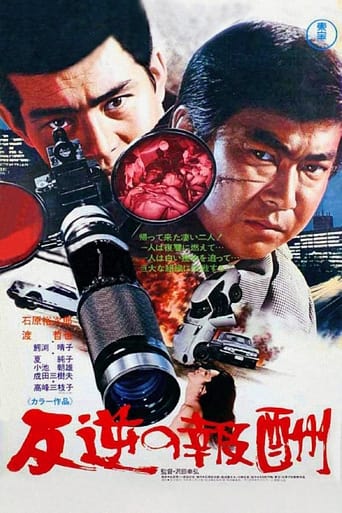
NRThe film tells about drug trafficking from Vietnam to Tokyo and Okinawa. Tetsuya Watari plays a photographer who uses his camera as a blackmail weapon. He is on the trail of a narcotics smuggler (Mikio Narita) and his beautiful contact (Haruko Wanibuchi). Watari meets a former gangster (Yujiro Ishihara) who is seeking revenge against Narita, his former partner. Watari and Ishihara become allies and hijack the dope shipment. But Narita threatens the life of Haruko, who turns out to be Ishihara's sister, and demands the dope in return for the girl.
Rebellion Reward
1973
 6.9
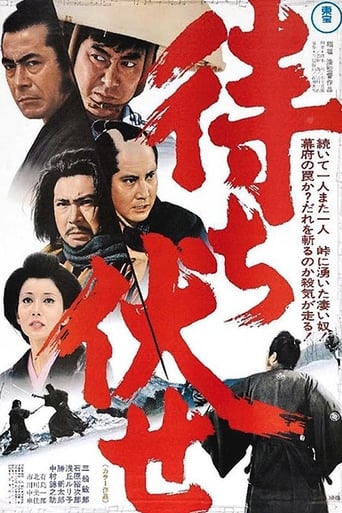
6.9In the Edo period, a nameless ronin accepts an assignment to go to a mountain pass and wait. Near the pass he stops at an inn where a collection of characters gather, including a gang set on stealing shogunate gold that's soon to come over the pass. When the Ronin's assignment becomes clear, to help the gang, he's ordered to kill the inn's residents, including a woman he's rescued from an abusive husband. He's reluctant to murder innocent people; then he learns that the gold shipment is a trap and he's part of a double cross. How he sorts through these divided loyalties tests of his samurai honor, and perhaps of his love for a woman.
Incident at Blood Pass
1970
 7.7
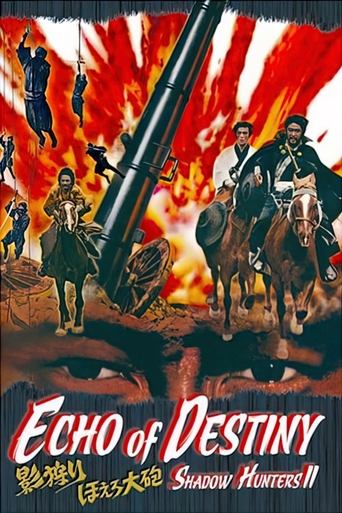
7.7The great Daimyo enlists the aid of the three Shadow Hunters in ensuring the delivery of an illegal cannon in this sequel to Toshio Masuda's bloody adaptation of the manga by Takao Saito. Despite the Shadow Hunters's remarkable skill, this mission is no walk in the park, and in order to survive they must face a relentless army of ninjas and female warriors willing to sacrifice their lives to disrupt the delivery and claim the cannon for themselves.
Shadow Hunters 2: Echo of Destiny
1972
 NR
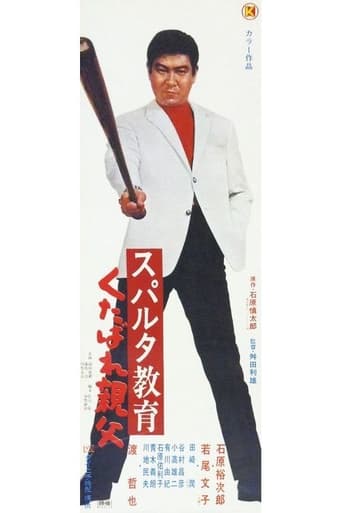
NRIn a match where professional baseball referee Yuzo Tagami was observing a young referee, Hara, a player who got angry at the indecisive judge, knocked the referee down. Tagami lived with his wife and five children, but when he returned home, Hara, who had been suspended for a month, wanted to receive Tagami's Subaruta training.
Spartan Education
1970
 6.0
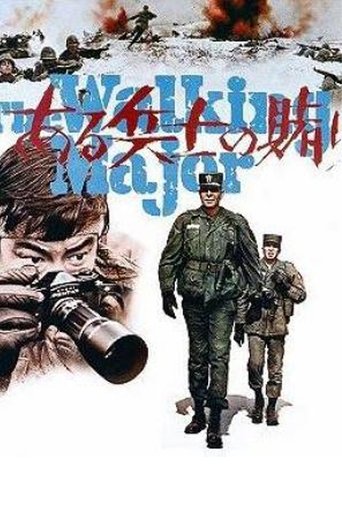
6.0U.S. Army Captain Clark Allen gains attention by walking back and forth, the length of Japan, gambling with U.S. servicemen in order to raise funds to rebuild an orphanage. Suspicious of Allen's motives, a Japanese newsman, Hiroshi Kitabayashi, traces the American's background until he discovers the motive behind Allen's long walk.
The Walking Major
1970
 NR
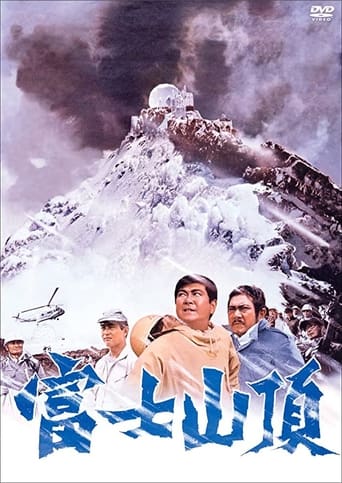
NRThe Japanese government decides to install a radar on the top of Mt. Fuji, in order to detect typhoons as far as 800 km south of the Japanese archipelago, but the task will not be easy.
The Summit of Mt. Fuji
1970
 3.0
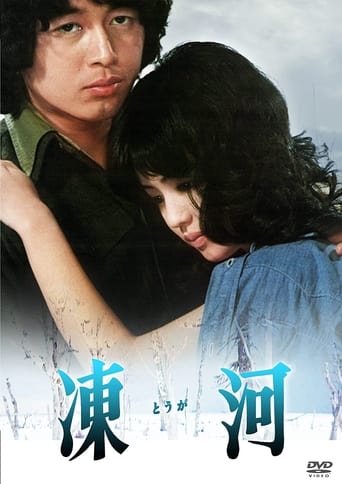
3.0A young doctor starts working at a mental hospital in the Yokohama region and falls in love with one of the patients there.
Frozen River
1976
1960s · 30 titles
6.8In order to boost circulation of his newspaper, Lord Rawnsley announces an air race and offers £10,000 to the first person who can fly across the English Channel. But one of the participants, Percy, plots to sabotage his competitor's planes. Will Percy triumph?
Those Magnificent Men in Their Flying Machines or How I Flew from London to Paris in 25 Hours 11 Minutes
1965
 7.0
7.0A ronin desperately seeks a way out of financial straits; he allies with the Tosa clan under the ruthless leader Takechi, who quickly takes advantage.
Tenchu!
1969
 NR
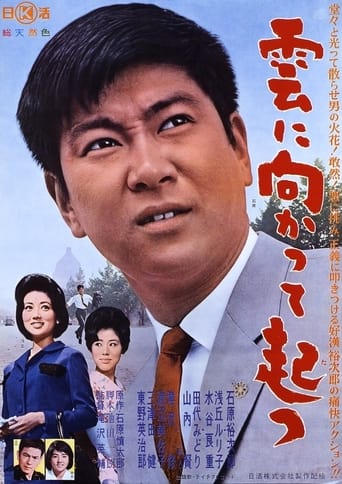
NRA rookie newspaper journalist, Takema Sakaki, has a strong sense of justice. In the Diet Building he gets acquainted with a library worker, Reiko Nakafuji. Reiko's father was a member of the Diet who was assassinated six years ago. Through Reiko, Takema joins Tsūkai-kai, a group of young people who respect her late father's political ideas. With the assistance of Tsukai-kai, Takema eventually uncovers the political scandal related to postwar compensation which led to the murder of Reiko's father.
Facing to the Clouds
1962
 8.0
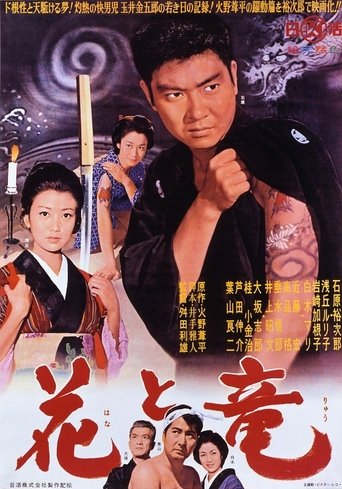
8.0In the late 1890s, coal is a precious new natural resource. During an era of rapid economic growth, dreams are instilled into the lives of many across Japan. A vigorous young man with a look of fearless determination, sets foot on the northern part of Kyushu, an area where Yakuza thrived. His name is Kingoro Tamai (Yujiro Ishihara). With plans to travel the world, Kingoro worked diligently at a coal mine. His loyalty and hard work earned the respect of his peers, his courage won the heart of the beautiful Mon (Ruriko Asaoka), and his success evoked jealousy in his enemies.
A Man with Dragon Tattoos
1962
 7.4
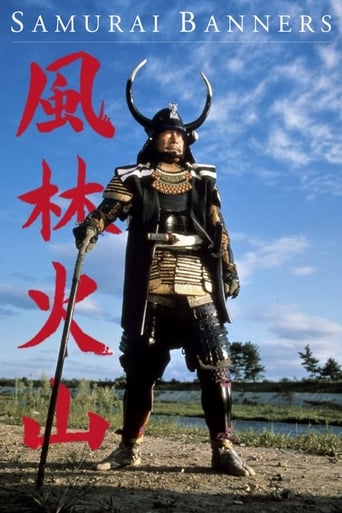
7.4Kansuke Yamamoto is a samurai who dreams of a country united, peaceful from sea to sea. He enters the service of Takeda, the lord of Kai domain. He convinces Takeda to kill the lord of neighboring Suwa and take his wife as a concubine. He then convinces the widow, Princess Yu, to accept this arrangement and to bear Takeda a son. He pledges them his life. He then spends years using treachery, poetic sensibility, military and political strategy to expand Takeda's realm, advance the claim of Yu's son as the heir, and prepare for an ultimate battle with the forces of Echigo. Has Kansuke overreached? Are his dreams, blinded by love, too big?
Samurai Banners
1969
 10.0
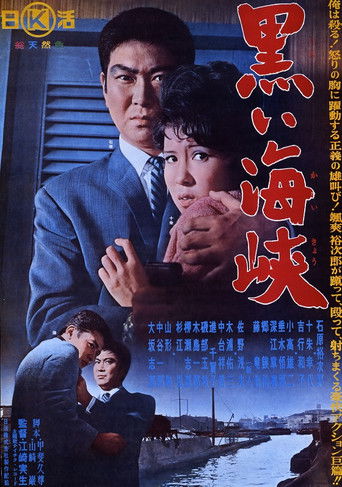
10.0Newly out of prison after killing his boss' rival, Akio Maki is eager to move on and start a new life with the boss' daughter. However, the chains of the past are not so easily broken and Maki is soon ordered to kill again.
Black Strait
1964
 NR
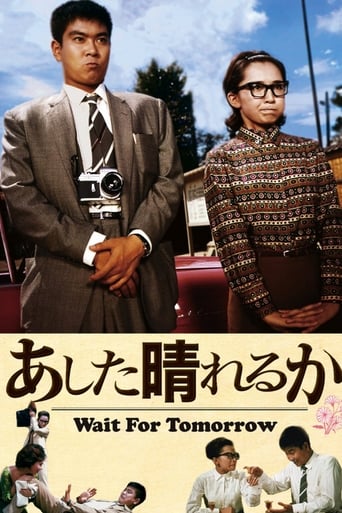
NRKohei Misugi works in a vegetable market, but his ambition is to be a photographer. He is given his first opportunity to demonstrate his talent by the Sakura Film Company which offers him an assignment to "Cover Tokyo" with a camera. But he is disillusioned when he is told he must work together with Miharu, a good looking girl in the film company's publicity department. Then the fun begins.
Wait for Tomorrow
1960
 10.0
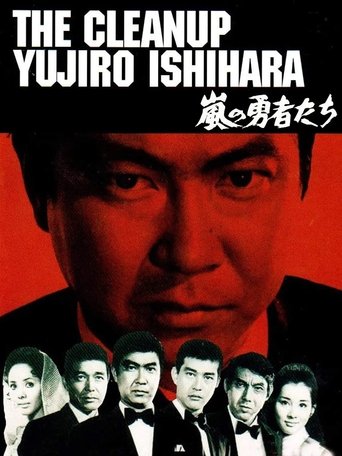
10.0A real all-star cast turns out for this modern yakuza yarn.
The Cleanup
1969
 NR
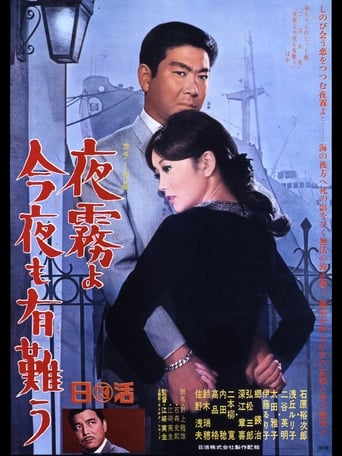
NRWhen Toru Sagara (Yujiro Ishihara) returns home from a foreign cargo route, he proposes to his beloved girlfriend Akiko (Ruriko Asaoka). She joyously agrees, promising a life together. On the day they were to be joined in matrimony, Akiko suddenly goes missing. Toru waits hours for her to show, but he is only greeted by the darkness of night. Four years later, his fiancée turns up at a night club in Yokohama with another man.
A Warm Misty Night
1967
 9.0
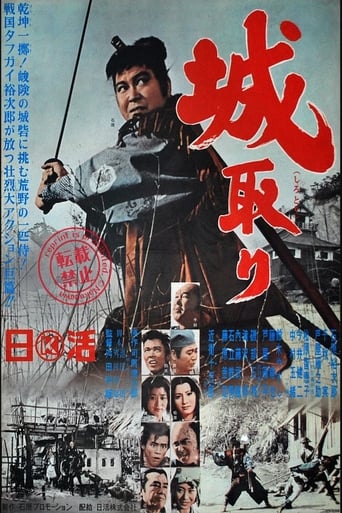
9.0The Sengoku Era was coming to an end. The monopoly of the ever powerful shogun, Ieyasu Tokugawa, was at a near. Only one man was brave enough to stand in Ieyasu's way - A lone wolf samurai by the name of Kagekatsu Uesugi. Inspired by Uesugi's courage to revolt, a young samurai warrior, Touzou Kuruma decides to join the fight. Their target: the Tamonyama Castle.
Taking the Castle
1965
 7.0
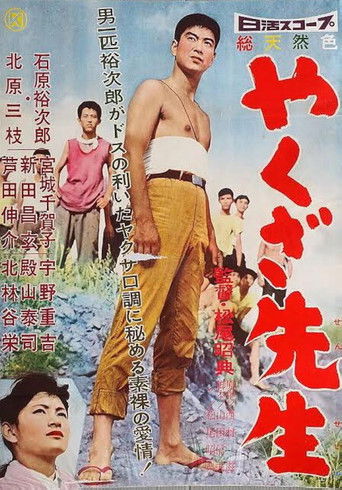
7.0No synopsis available yet.
Yakuza sensei
1960
 7.0
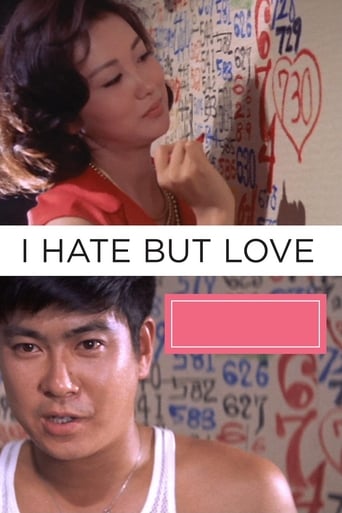
7.0A celebrity, dissatisfied with his personal and professional lives, impulsively leaves fast-paced Tokyo to deliver a much-needed jeep to a remote village. When his controlling manager, the woman he loves, follows, the two must reconcile while dodging reporters.
I Hate But Love
1962
 7.0
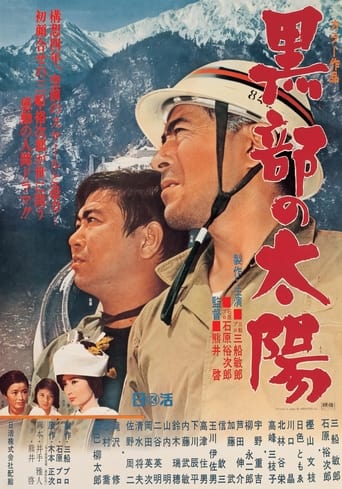
7.0Kitagawa is an engineer charged with construction of a gigantic tunnel through the Japan Alps for the transportation of equipment in the building of the massive Kurobe Dam. The tunnel crosses an earthquake fault and Kitagawa is beleaguered not only by cave-ins and flooding, but by strife between management and the workers's union. Adding to Kitagawa's stress is the knowledge that as his attention is pulled inexorably toward the tunnel construction, his youngest daughter is dying from leukemia.
The Sands of Kurobe
1968
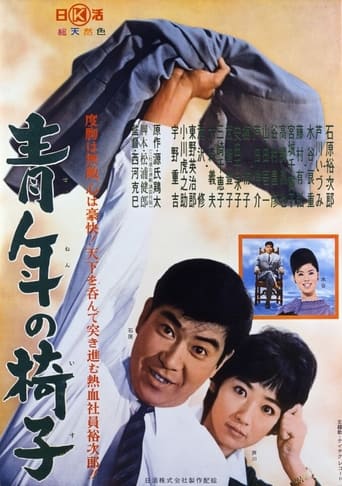 NR
NR1962 Japanese movie
Seinen no isu
1962
 NR
NRAfter ten years of study in the US, Nonomura Kensuke returns to Japan to be an English teacher at a local high school. Kensuke's nontraditional teaching style stirs up the school, but the students gradually accept him.
Why Are We Young?
1965
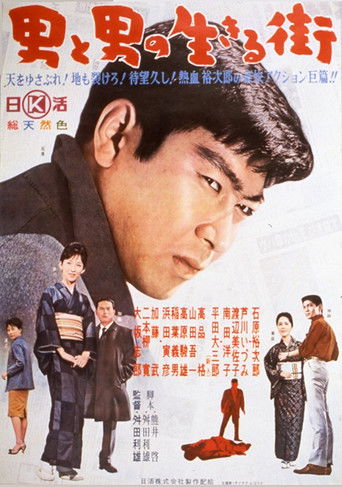 NR
NR1962 Japanese movie
Otoko to otoko no ikiru machi
1962
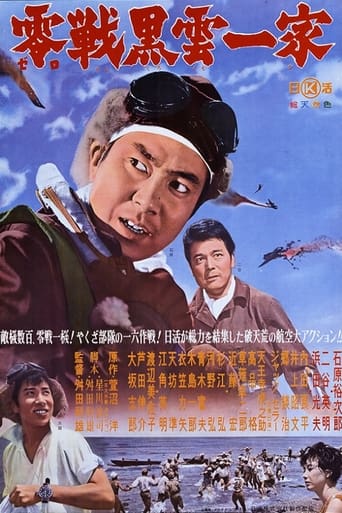 NR
NRNo synopsis available yet.
零戦黒雲一家
1962
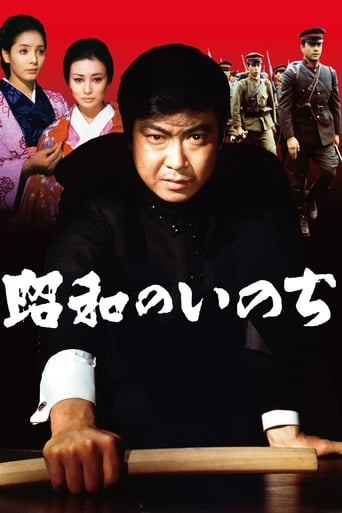 9.0
9.0The early years of the Showa period were turbulent times for Japan. The country suffered financial crisis and famine, women worked under intolerable employment conditions, and political corruption was a major issue. Out of fear that the great nation would soon fall, a group of young patriotic men gathered to lay out plans to assassinate the crooked politicians. One of these young terrorists was Shinsuke Kusaka. He receives orders to kill the Prime Minister.
Man of a Stormy Era
1968
 8.0
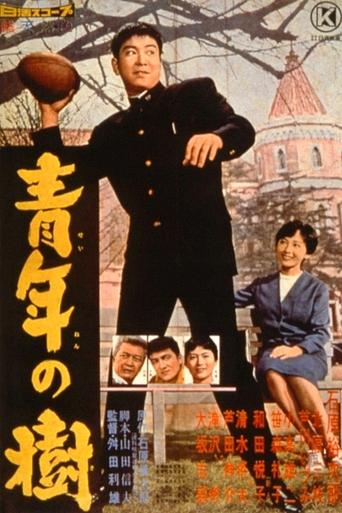
8.0At Tokyo Gakuen University, Takema, son of Tatsunosuke, chief of the Waku gang, is a freshman who wishes to prepare himself for a better life away from gang activities despite the wishes of his father who wants him to assist strengthen the gang against the Kawano group. Takema's classmate, Akiko, is the daughter of Eiko who operates a restaurant, and through her he obtains a lodging in the house of Shiu, a dancing mistress. The students enjoy their life, but most have their troubles. Sakamoto works as a laborer on the docks to help pay for his schooling, and Akiko worries over the relationship between her mother and Sakurai, a corrupt politician, suspected to be involved in graft over jet aircraft.
The Day of Youth
1960
 5.0
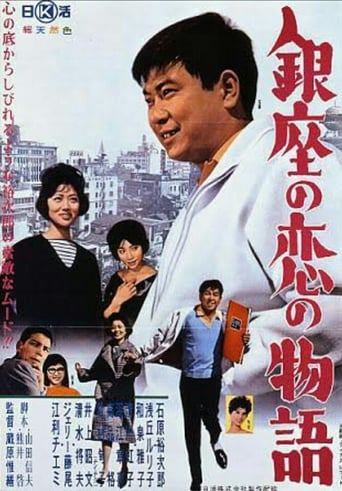
5.0Hanjiro is a struggling painter that shares a tiny apartment in the back streets of Ginza with his jazz pianist friend who works at a bar. When he and his sweet heart, Hisako decide to get married, Hanjiro is faced with a tough decision. Needing to buy a ticket back home to tell his mother the good news, he compromises his creative principles for love and sells his portrait of Hisako. Hisako heads to the station to see him off, but gets hit by a car...
Love in Ginza
1962
 NR
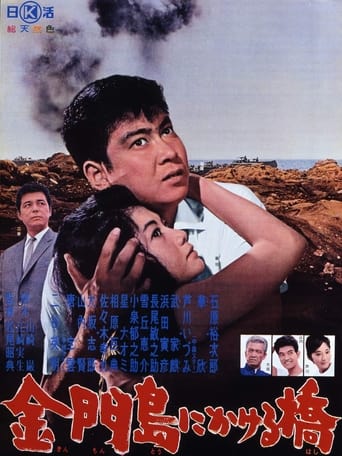
NRThree years had passed since Ichiro Takeo left Japan. He was a young physician with a promising future, until his medical error caused the death of a big-shot politician. He was discharged from the hospital and had since sailed around the world as an on-board doctor. As he was about to reach the Taiwanese piers of Kinmon Island, thoughts of his days in Japan crossed his mind - he reminisced about the Taiwanese girl, Yan, who had scooped him out of his misery during the time of the medical accident. At times of war, the two rekindle an old flame.
Rainbow Over Kinmon
1962
 7.0
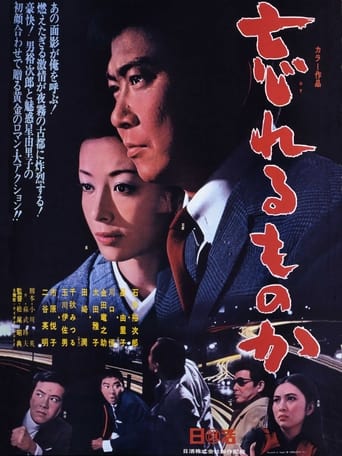
7.0Hearing that his friend Yosuke Tsumura had died, Shiro Okabe returned to Kyoto. He felt that Yusuke's wife, Yusuke Tsumura's former love Yuko, knew something about Yosuke's death, but he was unable to find out what she knew. Okabe investigates Yosuke's death, but someone kills the people who provide clues one after another. Okabe follows Rumi, a woman at a bar who was close to Yosuke, to Mt. Hiei, and to his surprise learns that Yosuke is still alive.
I Shall Not Forget
1968
 NR
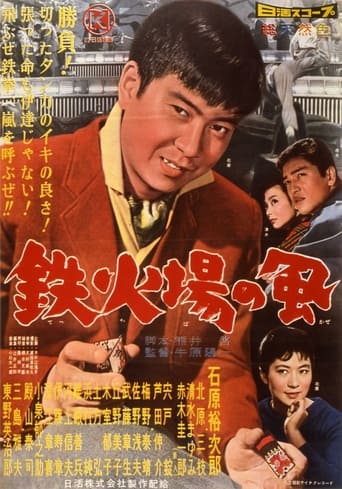
NRA 1960 crime film
The Cards Will Tell
1960
 9.0
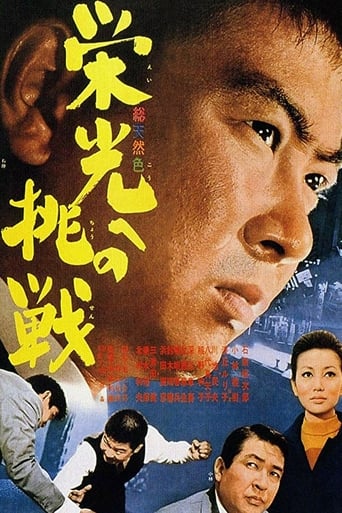
9.0A young ex-boxer has become a successful businessman, running his various enterprises with his best friend, another boxer whom he accidentally injured in a match. When the latter is found dead, he cannot believe it is suicide and decides to investigate. Sure enough, a group of gangsters is behind his death and, resenting his intrusion, try to ruin him and to pin the murder of his young friend's fiancee on him. At the last minute he shoots it out with the villains and emerges with his reputation intact.
Challenge for Glory
1966
 7.7
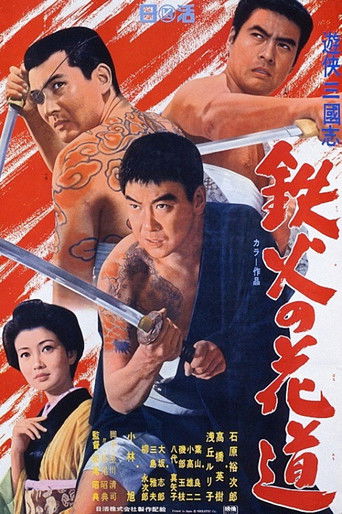
7.7The year is 1926. It has been three years since the Great Kanto earthquake hit Tokyo. Everything is being rebuilt from the ground up. Odera crime syndicate saw this as an opportunity to expand its territory. The Odera boss arranges marriage between his daughter Orin (Ruriko Asaoka) and the son of notorious Gyotoku clan, but Orin’s heart belonged to Shinjiro (Yujiro Ishihara), a member of her father’s clan.
Dice and Swords
1968
 7.2
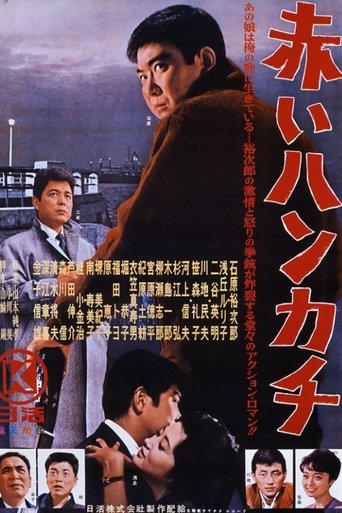
7.2A hot-shot detective in Yokohama kills a witness during a drug investigation. He flees to the countryside and evades his past for several years, only to return to find the woman he loved married to his former partner. He searches for answers to his troubled past, knowing that his inevitable doomed fate is more or less sealed.
Red Handkerchief
1964
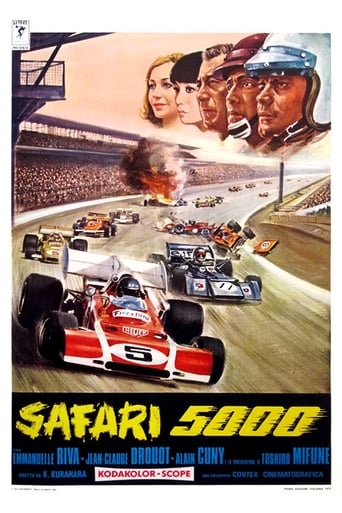 7.2
7.2A Japanese racing driver for Nissan named Godai (Yujiro Ishihara) have a rivalry with a French driver named Pierre (Jean-Claude Drouot). Godai is enlisted to race in an annual endurance race, The East African Safari Rally. Peripheral to this is the story concerning Godai's former lover Yuko (Ruriko Asaoka), a fashion designer, and her friend Anna (Emmanuel Riva), who happens to be Pierre's wife.
Safari 5000
1969
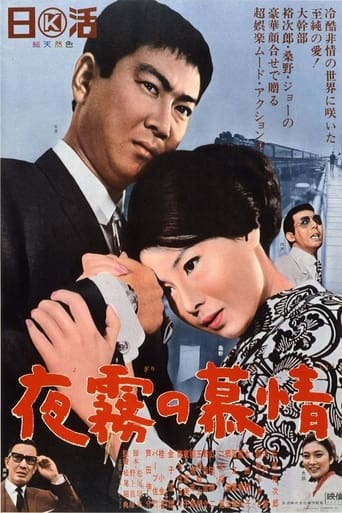 NR
NRA film from Nikkatsu's "moodo akushon" (mood/action) subgenre.
Love and Desire in the Night Mist
1966
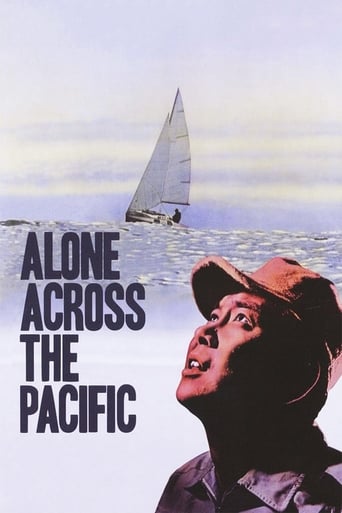 7.0
7.0Kenichi Horie is determined to challenge his family, the law and the nature crossing the Pacific to America in a small sailboat. Despite his careful planning, many unforeseen events will test his determination.
Alone Across the Pacific
1963
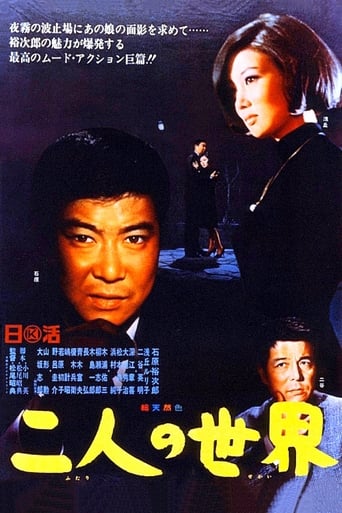 NR
NROn a passenger ship to Japan, the journalist Kawase encounters a man who claims to be a Filipino, but Kawase believes he is a murder suspect who fled Japan fifteen years ago, Hojo Shuichi. To throw Kawase off, the man talks a female passenger, Reiko, into acting as if she was his long-time friend. When the man - who is, in fact, Hojo - secretly leaves the ship, Reiko, who has fallen for him, joins up with Kawase to go looking for him. Meanwhile, Hojo, who has returned to Japan to find the true murderer before the 15-year statute of limiitations on murder expires, tracks down the man whom he believes ordered the murder he was accused of.
A World For Two
1966
1950s · 19 titles
5.9The young Takako Kuramoto has come to Tokyo to study and starts working for the rich Tashiro family as tutor of the daughter, Kumiko, while she receives attention from her two older brothers, Yukichi and Shinji. Meanwhile, the exact parentage of Shinji comes to light.
A Slope in the Sun
1958
6.9Two brothers compete for the amorous favors of a young woman during a seaside summer of gambling, boating, and drinking.
Crazed Fruit
1956
 7.0
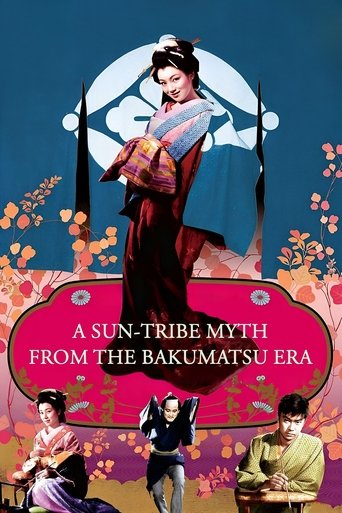
7.0Saheji, a man-about-town, gets stuck at a high-class brothel when he can’t pay the bill. He makes the best of his situation by performing various tasks amidst the tumult of the end of the shogunate—but always by making sure to get a “commission” for his troubles.
A Sun-Tribe Myth from the Bakumatsu Era
1957
 6.8
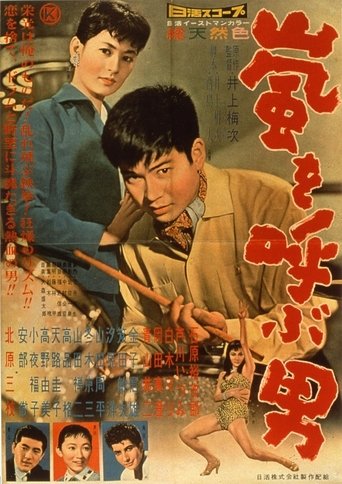
6.8Shoichi Kokubun is a roughneck street musician, who has a brother that is determined to propel him into stardom. In attempt to catch the attention of a popular jazz band, his brother appeals to their manager who has the power to make him a star. In a graphic portrayal of love, betrayal and success, Shoichi brews up a storm with a 'rat-a-tat-tat' on the drums.
Man Who Causes a Storm
1957
 NR
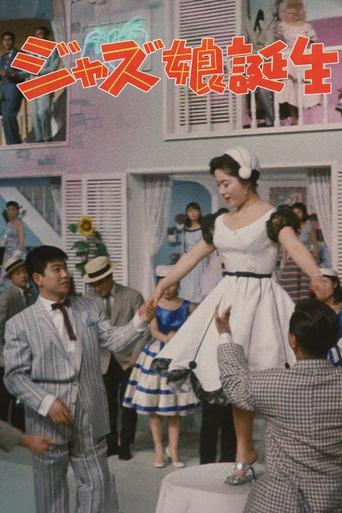
NRKawai Midori's father left the family a long time ago and since her mother passed away, she has taken care of her younger siblings by herself by working with a group of itinerant camellia oil peddlers. While she is In Izu selling camellia oil, she meets a young student, Katō Yutaka, who asks her to let him take her picture. The peddlers also meet a jazz band, and when Midori sings a song, teased by the band's star singer Nanjō Haruo, the band members are enraptured by her beautiful voice. She eventually joins the band and quickly becomes a popular jazz singer.
Birth of a Jazz Maiden
1957
 6.5
6.5Shortly after arriving in Kobe, "Jiro the Lefty", a killer with a natural talent, witnesses a man die in a crane accident which turns out to be a cover-up for a murder. Jiro soon finds himself on the run, tailed by a determined cop.
Red Pier
1958
 8.0
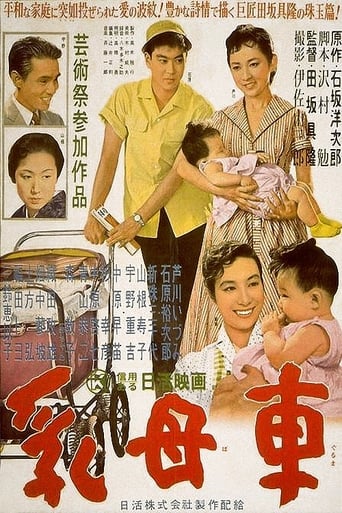
8.0Upon discovering that her father has a mistress, a young girl befriends the "other woman" and her child. Realizing that her half-sister is doomed to being regarded as an outcast, the heroine sets about to spiritually legitimize the girl.
The Baby Carriage
1956
 6.7
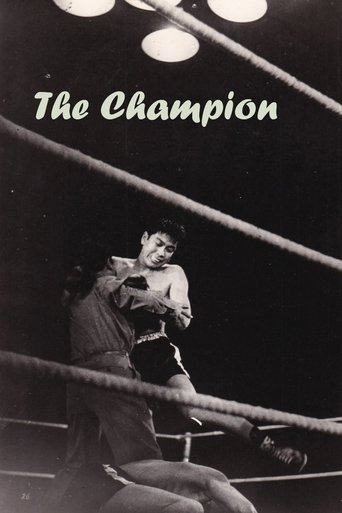
6.7Eikichi Yamashiro, who is a former contender for the boxing title, works as a manager at a Club Champion owned by his fiancé Natsuko’s father. He lost a title match five years ago as he was besotted by Natsuko, but Eikichi actually cannot give up the dream of the championship. One day, he meets Shuntaro Fuma, who is a punk kid but a promising boxer, and realizes the dream that he himself could never fulfill. Then, they together start to train with the aim of the title. Mari Shiraki is an up-and-coming ballerina under the patronage of Eikichi as well. Eikichi forbids Shuntaro and Mari to be romantically involved with someone during their training, however, they start to go on a date.
The Champion
1957
 NR
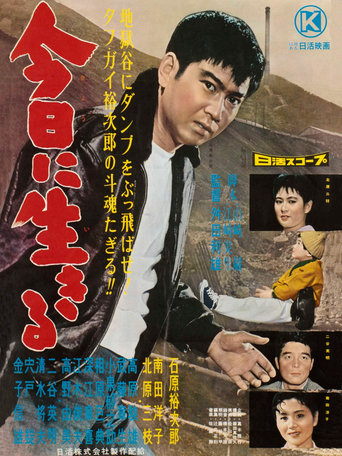
NRIn a fictional mining city in northern Kanto, a Tokyo drifter named Shiro (Ishihara Yūjirō), caught in a conflict between two transportation companies, plays the role of both the good and bad guy.
We Live Today
1959
 5.9
5.9Udaka is a new, post-war city where corruption has already taken hold. A persistent district attorney wants to arrest and convict Katsumata, a laughing, self-confident thug. The D.A. gets an anonymous letter about the suicide five years' before of a city council member. Evidence about the case leads the D.A. to Tachibana, struggling to go straight after involvement with the mob and a prison sentence for killing the man responsible for the rape and suicide of his fiancée. One of Tachibana's friends is Keiko, the daughter of the dead councilman and the ward of another powerful official. How do these stories connect?
Rusty Knife
1958
 10.0
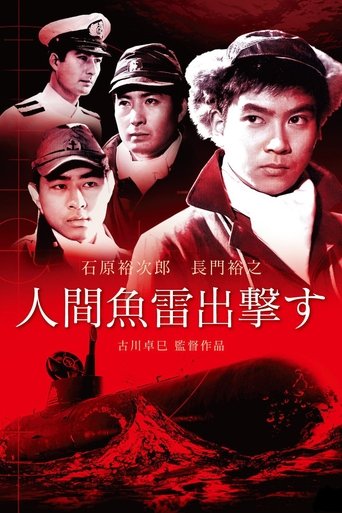
10.0No synopsis available yet.
Human Torpedoes Attack
1956
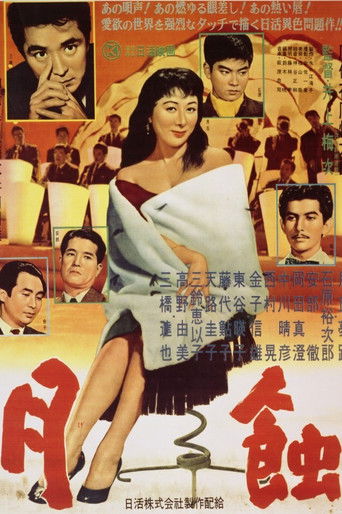 NR
NRA unique and controversial film directed by Umeji Inoue, based on the original story by Shintaro Ishihara, which depicts the image of a group of young people in the agony of mistrust, love and hate with a powerful touch.
Lunar Eclipse
1956
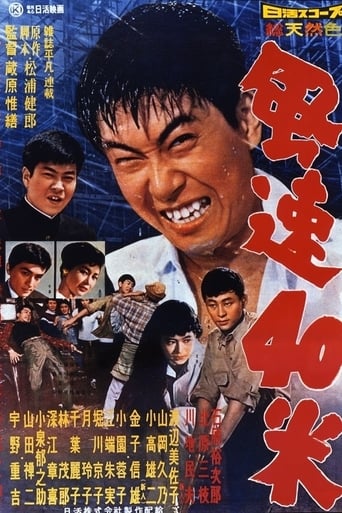 NR
NRThis typhoon spectacle is bursting with the charm of tough guy Yujiro, a student of architecture at Hokkaido University, who takes on a conspiracy involving a mysterious accidental death at a construction site.
The Man Who Rode the Typhoon
1958
 6.5
6.5A former boxer gets involved with a club hostess trying to escape the clutches of her gangster employer.
I Am Waiting
1957
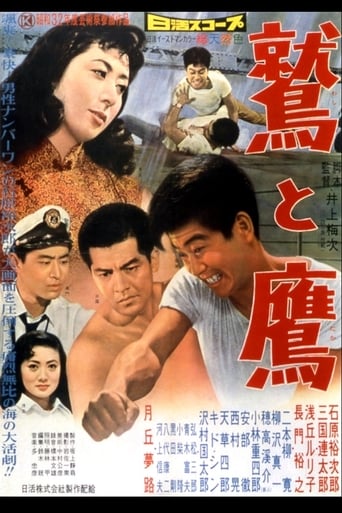 6.1
6.1In a warehouse area at night, a drunk chief engineer is stabbed to death by someone who whistles. After the break of dawn, two seamen join the crew of a rusty cargo ship Kaiyo Maru. One is a troublemaker with bad attitudes, Senkichi Nomura, who pursues an enemy in order to take revenge for his father's death. The other is Keizo Sasaki, a buff, eagle-eyed man on board for a certain mission.
The Eagle and the Hawk
1957
 NR
NRNo synopsis available yet.
The Stream of Youth
1959
 8.0
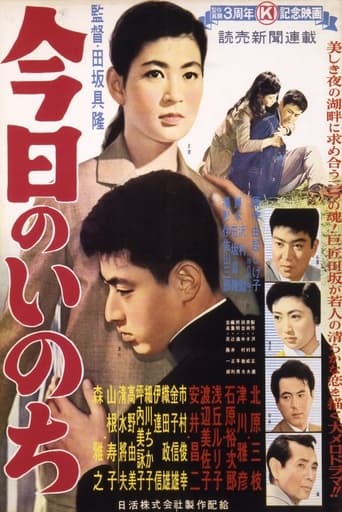
8.0No synopsis available yet.
This Day's Life
1957
 NR
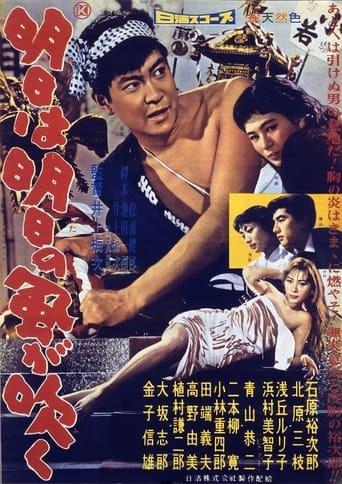
NRThe story of three brothers who struggle to shake free of the father's ties to the yakuza underworld. A star vehicle for the popular singer/actor Yūjirō Ishihara.
Tomorrow is Another Day
1958
 NR
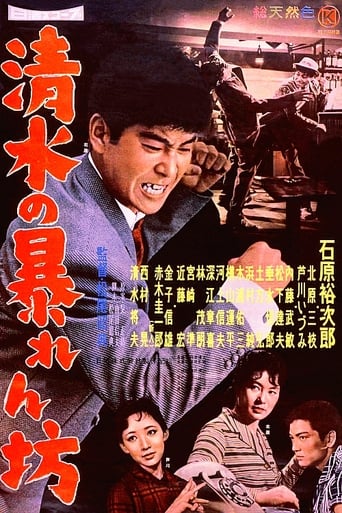
NRSeven years ago, Ishimatsu Toshio, a talented radio producer at Zen Nihon Hōsō, witnessed a crazed drug addict murder his wife and then commit suicide, though Toshio was able to save the lives of their two children. Just transferred from Shimizu to Tokyo, Toshio hopes to produce a program that will expose the drug trade in Tokyo. One day, Toshio stops into a noodle shop where he is mistaken for a drug dealer and passed a bagful of drugs. The real dealer arrives in time to follow Toshio home. That night Toshio is attacked by the dealer, who turns out to be Kenji, one of the children Toshio had saved. Kenji can't bring himself to kill Toshio, so he runs away and goes into hiding from the mafia. While continuing to investigate the drug trade, Toshio searches for Kenji to get Kenji's testimony for his program.
The Wild Reporter
1959
Series credits
NRIn the big city where loyalty is rare and justice comes hard, a stoic detective (Tetsuya Watari) and his old friend, a sharp-eyed reporter (Yujiro Ishihara), forge a quiet alliance, uncovering brutal truths in days of relentless struggle.
Big City: Days of Struggle
1976
7.0Seibu Keisatsu is a television drama series produced by Ishihara Promotions and broadcast on TV Asahi
Seibu Keisatsu
1979
9.0The detectives of Nana-magari station investigate a wide variety of crimes in 70s Japan, ranging from the mundane to the absolutely bizarre.
Roar At The Sun!
1972
Behind the camera
7.2Set during the declining years of the Tokugawa shogunate, Shadow Hunters details the questionably noble exploits of three ronin who act as "Shadow Hunters". These three ronin are not your normal ornery ruffians who are looking for a drink, a broad and someone to jab a sword into, but are in fact former samurai who, rather than follow their destroyed fiefs and murdered masters into death via seppuku, have dedicated their combined sword prowess to stopping the government from raping its daimyos for valuable resources.
Shadow Hunters
1972
7.7The great Daimyo enlists the aid of the three Shadow Hunters in ensuring the delivery of an illegal cannon in this sequel to Toshio Masuda's bloody adaptation of the manga by Takao Saito. Despite the Shadow Hunters's remarkable skill, this mission is no walk in the park, and in order to survive they must face a relentless army of ninjas and female warriors willing to sacrifice their lives to disrupt the delivery and claim the cannon for themselves.
Shadow Hunters 2: Echo of Destiny
1972
6.0U.S. Army Captain Clark Allen gains attention by walking back and forth, the length of Japan, gambling with U.S. servicemen in order to raise funds to rebuild an orphanage. Suspicious of Allen's motives, a Japanese newsman, Hiroshi Kitabayashi, traces the American's background until he discovers the motive behind Allen's long walk.
The Walking Major
1970
 6.7
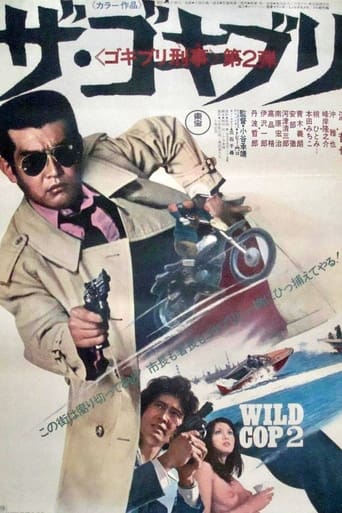
6.7Based on the comic Gokuburi Deka.
Wild Cop 2
1973
 6.5
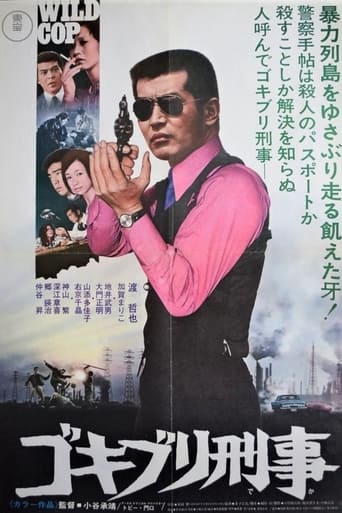
6.5Based on the comic Gokiburi Deka.
Wild Cop
1973
 NR
NRTravelogue made by Yujiro Ishihara during the location shooting of his 1959 film Love and Death (Sekai o kakeru koi) in Europe.
Yujiro in Europe
1959