
Directing
José Rodríguez-Soltero
Place of birth
Santurce - Puerto Rico
Known for
Directing
Credits
7 titles
Jose Rodriguez-Soltero, a Puerto Rican filmmaker, was a significant figure in the New York art community during the mid-1960s and early 1970s. His films were frequently included in Filmmakers’ Cinematheque programs, he was featured in Film Culture and written up in Jonas Mekas’s Movie Journal column, and was the friend, collaborator and occasional roommate of Mario Montez, Charles Ludlam and Jack Smith.
Known for
 NR
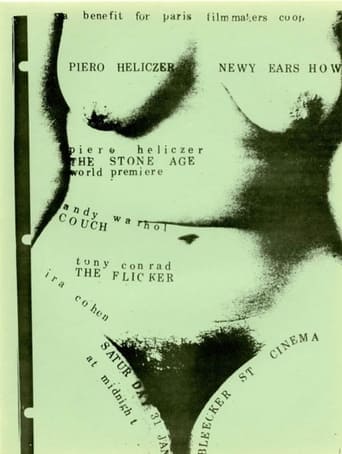
NR"The question is, it is either going to be a stoned age or a new Stone Age" - Louis Brigante
The Stone Age
1970
 5.0
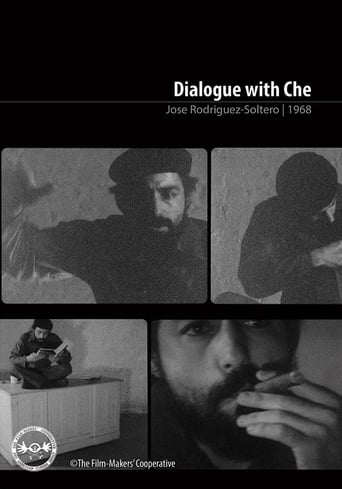
5.0In 1967, José Rodriguez Soltero made “Dialogue with Che” (1968), starring Venezuelan artist, actor, producer and dancer Rolando Peña as Che. Warhol superstar Taylor Mead is also featured, in the role of a CIA agent. “The film was partly underwritten by Andy Warhol, who gave a check to cover lab fees. "Dialogue..." was seldom shown in the States - it is entirely in Spanish - but had some life in the European screens. It had a modest run at the Cinémathèque Française, where it was championed by Marie Meerson and Henri Langlois, and played at the Berlin Film Festival in 1969. Historically, it has been shown with two prints projected side by side, the second screen starting with a 3-minute delay. --Film-Makers Coop
Dialogue with Che
1968
 NR
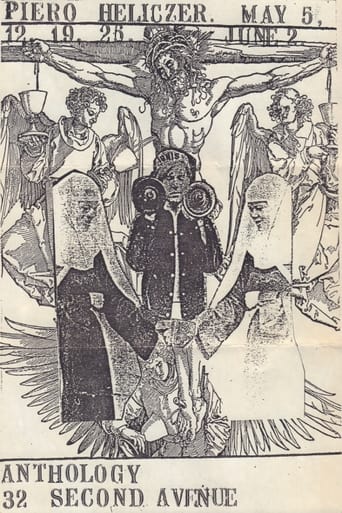
NRThe story of Joan of Arc as applied to the present revolution in arts and more. The Gothic is applied to the War in Vietnam. The film is experimental in the sense that in it the visual becomes tactile.
Joan of Arc
1967
 1.0
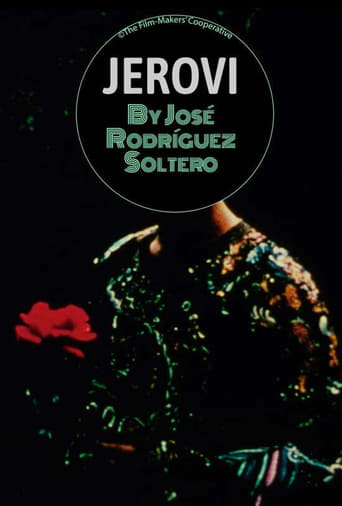
1.0A key work of queer and Latino New York underground film, José Rodríguez-Soltero described Jerovi as his “sexual probe of the narcissus myth.” A boldly erotic, dreamlike portrait of Jeroví Sansón Carrasco, who also commissioned and financed the film, Jerovi offers a Narcissus for the 1960s period of sexual revolution, marking a significant shift from the introspective and psychoanalytic use of narcissism by previous queer experimental filmmakers.
Jerovi
1965
April 19 nite of Ricky visit but not of Ricky. 1. Jose Soltero & his assistant Alicia from Argentina. I do teaching, they tape. 2. Harry arrives and Sandy. She & I tape. 3. Harry does his Eurthmy(?) thing & gets hungry (medium rare quickly). Best part is we're double taping (Me on other camera) I talk about Kenneth Anger's curse. Good.
Ricky Leacock Visit, evening, April 19, 1971
1971
 7.3
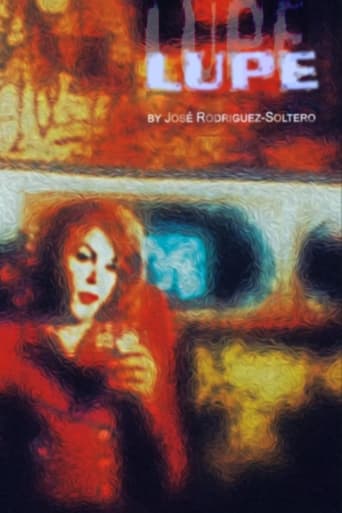
7.3The film — a mix of music, colors, abstract scenes and little dialogue — is based loosely on the life and death of Mexican-American actress Lupe Velez. The music, far more than mere background, borders on serving as the film’s narrative and ranges from classical to contemporary pop music.
Lupe
1967
Film credits
1970s · 2 titles
NR"The question is, it is either going to be a stoned age or a new Stone Age" - Louis Brigante
The Stone Age
1970
April 19 nite of Ricky visit but not of Ricky. 1. Jose Soltero & his assistant Alicia from Argentina. I do teaching, they tape. 2. Harry arrives and Sandy. She & I tape. 3. Harry does his Eurthmy(?) thing & gets hungry (medium rare quickly). Best part is we're double taping (Me on other camera) I talk about Kenneth Anger's curse. Good.
Ricky Leacock Visit, evening, April 19, 1971
1971
Behind the camera
5.0In 1967, José Rodriguez Soltero made “Dialogue with Che” (1968), starring Venezuelan artist, actor, producer and dancer Rolando Peña as Che. Warhol superstar Taylor Mead is also featured, in the role of a CIA agent. “The film was partly underwritten by Andy Warhol, who gave a check to cover lab fees. "Dialogue..." was seldom shown in the States - it is entirely in Spanish - but had some life in the European screens. It had a modest run at the Cinémathèque Française, where it was championed by Marie Meerson and Henri Langlois, and played at the Berlin Film Festival in 1969. Historically, it has been shown with two prints projected side by side, the second screen starting with a 3-minute delay. --Film-Makers Coop
Dialogue with Che
1968
1.0A key work of queer and Latino New York underground film, José Rodríguez-Soltero described Jerovi as his “sexual probe of the narcissus myth.” A boldly erotic, dreamlike portrait of Jeroví Sansón Carrasco, who also commissioned and financed the film, Jerovi offers a Narcissus for the 1960s period of sexual revolution, marking a significant shift from the introspective and psychoanalytic use of narcissism by previous queer experimental filmmakers.
Jerovi
1965
7.3The film — a mix of music, colors, abstract scenes and little dialogue — is based loosely on the life and death of Mexican-American actress Lupe Velez. The music, far more than mere background, borders on serving as the film’s narrative and ranges from classical to contemporary pop music.
Lupe
1967
7.3The film — a mix of music, colors, abstract scenes and little dialogue — is based loosely on the life and death of Mexican-American actress Lupe Velez. The music, far more than mere background, borders on serving as the film’s narrative and ranges from classical to contemporary pop music.
Lupe
1967