
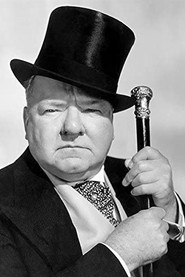
Acting
W.C. Fields
Born — Died
1880-01-29 — 1946-12-25
Place of birth
Darby, Pennsylvania, USA
Known for
Acting
Credits
69 titles
William Claude Dukenfield was the eldest of five children born to Cockney immigrant James Dukenfield and Philadelphia native Kate Felton. He went to school for four years, then quit to work with his father selling vegetables from a horse cart. At eleven, after many fights with his alcoholic father (who hit him on the head with a shovel), he ran away from home. For a while he lived in a hole in the ground, depending on stolen food and clothing. He was often beaten and spent nights in jail. His first regular job was delivering ice. By age thirteen he was a skilled pool player and juggler. It was then, at an amusement park in Norristown PA, that he was first hired as an entertainer. There he de…
Known for
 5.6
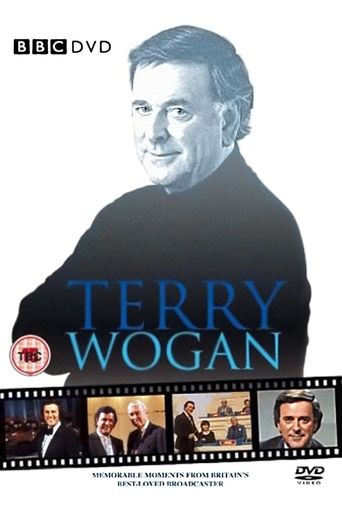
5.6Chat show hosted by Terry Wogan, featuring live studio interviews with famous and notable personalities.
Wogan
1982
 7.0
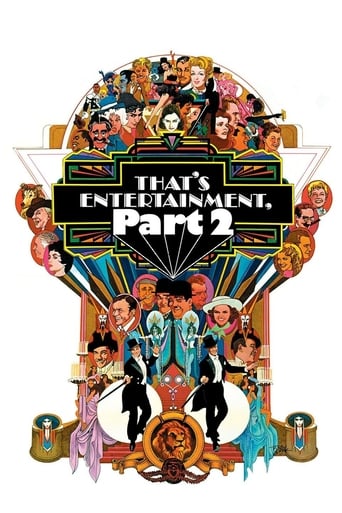
7.0Gene Kelly and Fred Astaire present more golden moments from the MGM film library, this time including comedy and drama as well as classic musical numbers.
That's Entertainment, Part II
1976
 6.8
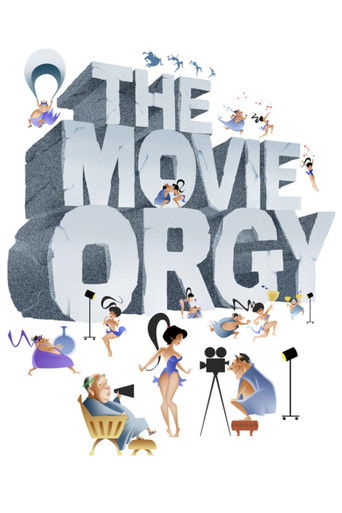
6.8Clips from assorted television programs, B-movies, commercials, music performances, newsreels, bloopers, satirical short films and promotional and government films of the 1950s and 1960s are intercut together to tell a single story of various creatures and societal ills attacking American cities.
The Movie Orgy
1968
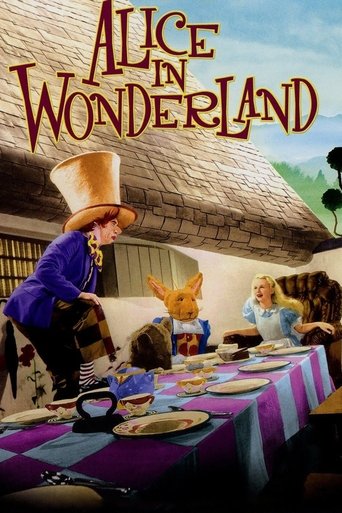 6.1
6.1In Victorian England, a bored young girl dreams that she has entered a fantasy world called Wonderland, populated by even more fantastic characters.
Alice in Wonderland
1933
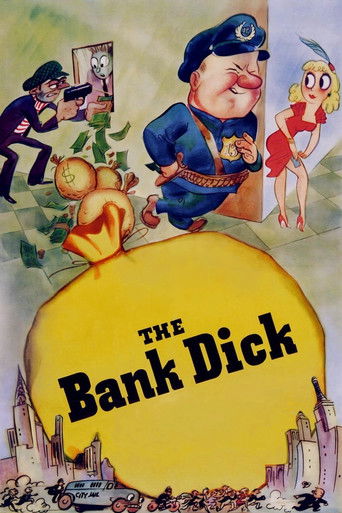 6.5
6.5Egbert Sousé becomes an unexpected hero when a bank robber falls over a bench he's occupying. Now considered brave, Egbert is given a job as a bank guard. Soon, he is approached by charlatan J. Frothingham Waterbury about buying shares in a mining company. Egbert persuades teller Og Oggilby to lend him bank money, to be returned when the scheme pays off. Unfortunately, bank inspector Snoopington then makes a surprise appearance.
The Bank Dick
1940
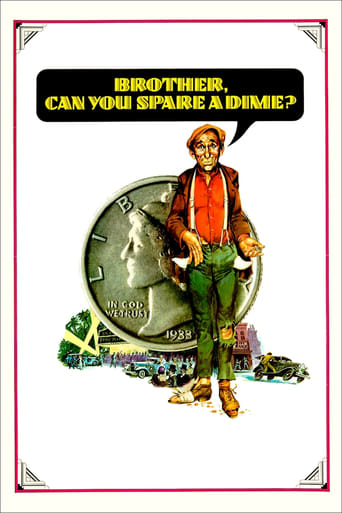 6.3
6.3Period music, film clips and newsreel footage combined into a visual exploration of the American entertainment industry during the Great Depression.
Brother, Can You Spare a Dime?
1975
Film credits

2000s · 2 titles
The legendary W.C. Fields is featured in rare behind-the-scenes footage and home movies at work and at play, along with hilarious scenes from some of his greatest films.
The Great Man: W.C. Fields
2005
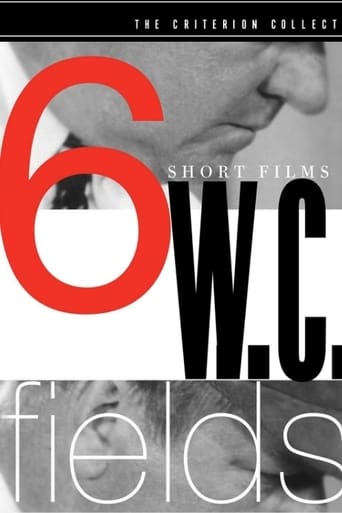 7.3
7.3A Criterion compilation of "six gems that feature the comic genius at his peak: The Golf Specialist, Pool Sharks (silent), The Pharmacist, The Fatal Glass of Beer, The Barber Shop, and, of course, the notorious The Dentist." Pool Sharks is his first film ever, released in 1915; the rest are all five of Fields’ talking shorts, released from 1930 to 1933.
W.C. Fields: 6 Short Films
2000
1990s · 5 titles
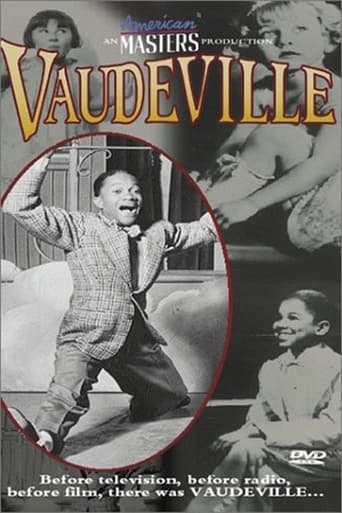 8.0
8.0Vaudeville is a 1997 PBS documentary under its American Masters program. Using film clips and photos, the art and history of vaudeville (1890-1930s) is illustrated.
Vaudeville
1997
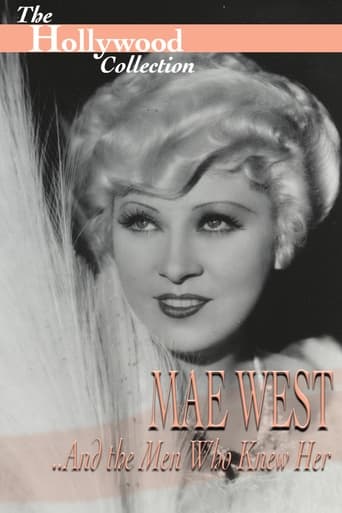 NR
NRAs the first "blonde bombshell," Mae West reigned supreme and changed the nation's view of women, sex and race — on stage, in films, on radio and television.
Mae West and the Men Who Knew Her
1994
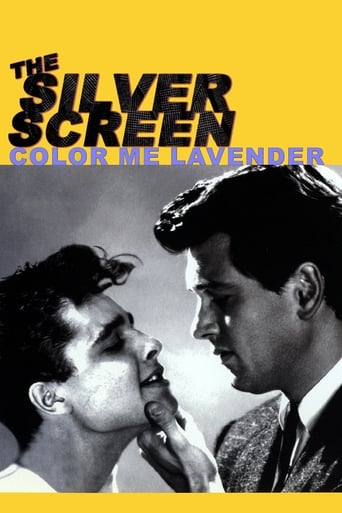 5.3
5.3A film scrapbook, images, phrases from our past, hiding their meanings behind veils. Let's lift those veils, one by one, to find how images, at one time seeming innocent, have revealed, after decades, to have homosexual overtones.
The Silver Screen: Color Me Lavender
1997
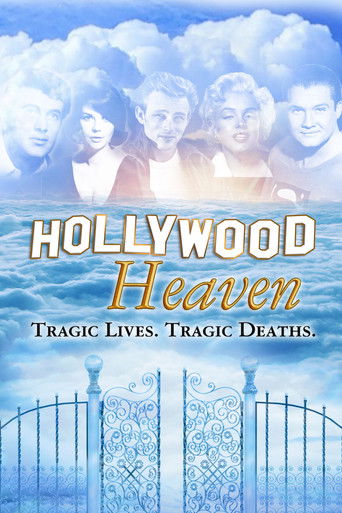 5.7
5.7Welcome behind the closed doors of a Hollywood that only a select few will ever get to see -- a Hollywood of tragic lives and tragic deaths. Some of the worlds brightest stars are hiding deep, dark secrets that - once revealed show a life of unhappiness, heartbreak and torment that has been so carefully hidden behind the glamour and glitter of the big screen. See the true lives behind some of Hollywoods most iconic stars and learn why, for some, it was as if the act of dying itself was a final performance.
Hollywood Heaven: Tragic Lives, Tragic Deaths
1990
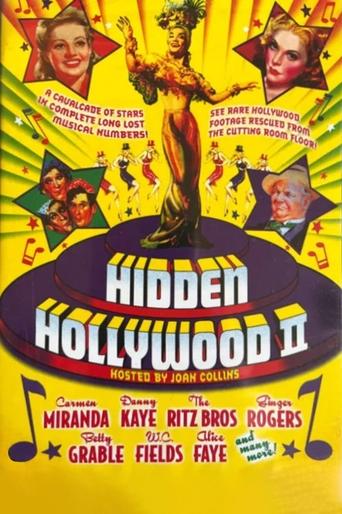 9.0
9.0Second installment of deleted scenes, mostly musical or comedic, from Fox films of the 30's - 50's.
Hidden Hollywood II: More Treasures from the 20th Century Fox Vaults
1999
1980s · 4 titles
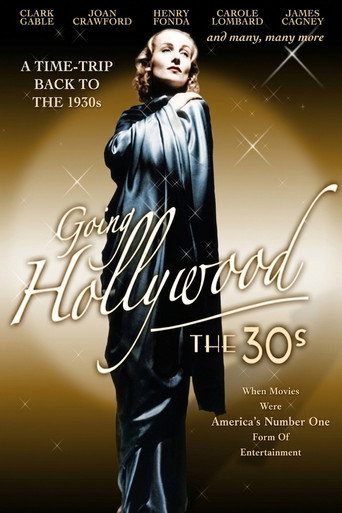 9.0
9.0Robert Preston hosts this documentary that shows what people of the 1930s were watching as they were battling the Depression as well as eventually getting ready for another World War.
Going Hollywood: The '30s
1984
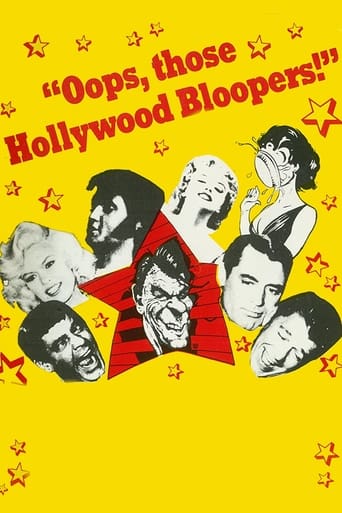 6.0
6.0A collection of bloopers and outtakes from an enormous selection of Hollywood classic productions spanning from the 1930s through the 1980s.
Oops, Those Hollywood Bloopers!
1982
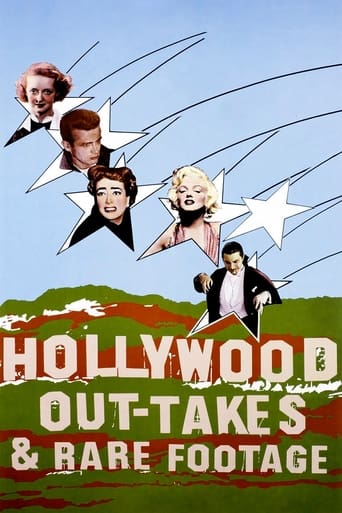 7.0
7.0Out-takes (mostly from Warner Bros.), promotional shorts, movie premieres, public service pleas, wardrobe tests, documentary material, and archival footage make up this star-studded voyeuristic look at the Golden age of Hollywood during the 30s, 40, and 50.
Hollywood Out-takes and Rare Footage
1983
 9.0
9.0Documentary directed by Joseph Adamson.
W.C. Fields: Straight Up
1986
1970s · 3 titles
7.0Gene Kelly and Fred Astaire present more golden moments from the MGM film library, this time including comedy and drama as well as classic musical numbers.
That's Entertainment, Part II
1976
6.3Period music, film clips and newsreel footage combined into a visual exploration of the American entertainment industry during the Great Depression.
Brother, Can You Spare a Dime?
1975
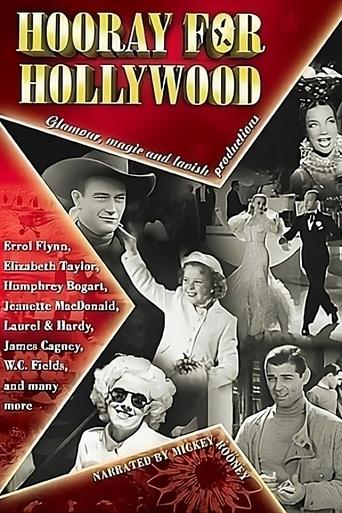 8.0
8.0A celebration of Hollywood in the 1930s, featuring a compilation of clips from features and newsreels of the era.
Hooray for Hollywood
1976
1960s · 2 titles
6.8Clips from assorted television programs, B-movies, commercials, music performances, newsreels, bloopers, satirical short films and promotional and government films of the 1950s and 1960s are intercut together to tell a single story of various creatures and societal ills attacking American cities.
The Movie Orgy
1968
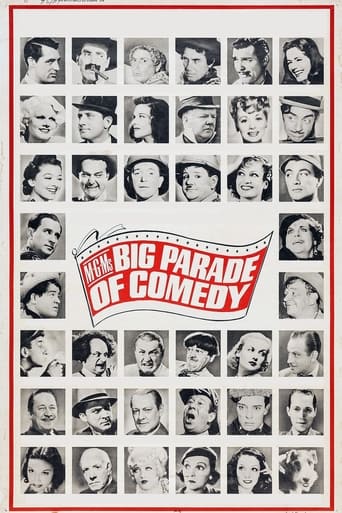 7.2
7.2Film clips highlight the funniest scenes and brightest comic stars in MGM's history.
The Big Parade of Comedy
1964
1940s · 10 titles
6.5Egbert Sousé becomes an unexpected hero when a bank robber falls over a bench he's occupying. Now considered brave, Egbert is given a job as a bank guard. Soon, he is approached by charlatan J. Frothingham Waterbury about buying shares in a mining company. Egbert persuades teller Og Oggilby to lend him bank money, to be returned when the scheme pays off. Unfortunately, bank inspector Snoopington then makes a surprise appearance.
The Bank Dick
1940
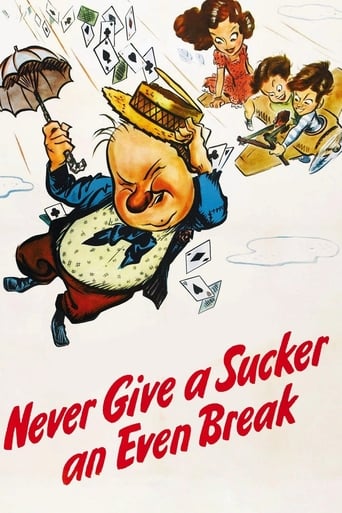 6.9
6.9Never Give a Sucker an Even Break is a 1941 film about a man who wants to sell a film story to Esoteric Studios. On the way he gets insulted by little boys, beaten up for ogling a woman, and abused by a waitress. W. C. Fields' last starring role in a feature-length film.
Never Give a Sucker an Even Break
1941
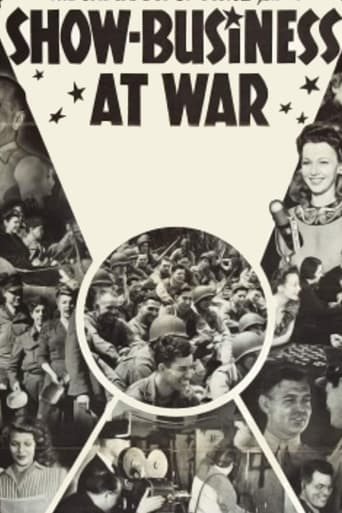 7.0
7.0A multi-studio effort to show the newsreel audience the progress of the Hollywood war effort.
Show-Business at War
1943
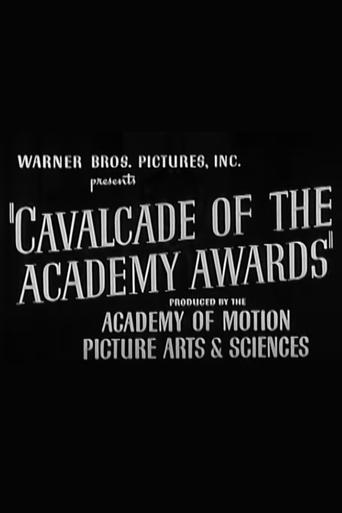 6.3
6.3This 1940 presentation features highlights of earlier (1928 onward) Oscar ceremonies including Shirley Temple and Walt Disney, plus acceptance speeches for films released in 1939 with recipients and presenters including Vivien Leigh, Judy Garland, Hattie McDaniel and more, with host Bob Hope.
Cavalcade of the Academy Awards
1940
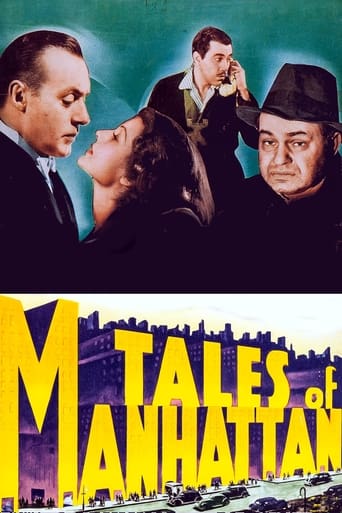 6.5
6.5Ten screenwriters collaborated on this series of tales concerning the effect a tailcoat cursed by its tailor has on those who wear it. The video release features a W.C. Fields segment not included in the original theatrical release.
Tales of Manhattan
1942
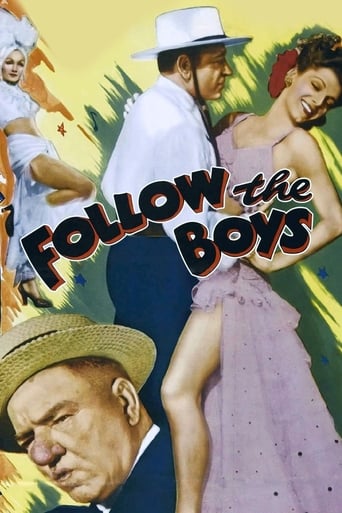 5.7
5.7During World War II, all the studios put out "all-star" vehicles which featured virtually every star on the lot--often playing themselves--in musical numbers and comedy skits, and were meant as morale-boosters to both the troops overseas and the civilians at home. This was Universal Pictures' effort. It features everyone from Donald O'Connor to the Andrews Sisters to Orson Welles to W.C. Fields to George Raft to Marlene Dietrich, and dozens of other Universal players.
Follow the Boys
1944
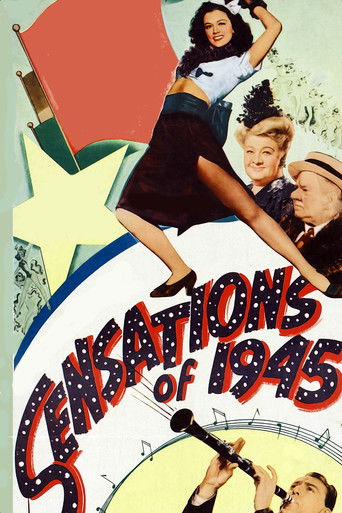 6.6
6.6As dancer Ginny Walker performs on stage, a veiled woman in the audience stands up, accuses Ginny of stealing her husband and then fires a gun at her. After Ginny collapses and is taken to her dressing room, the woman, Julia Westcolt, a friend of Ginny's, dashes backstage, discards her veil, and then congratulates her friend on their successful publicity stunt. When Ginny's press agents, Gus Crane and his son Junior, visit their client backstage, she brags about her feat and chides them for not being more creative in promoting her. Horrified at Ginny's brashness, Junior, a conservative Harvard graduate, chastises her and leaves the room.
Sensations of 1945
1944
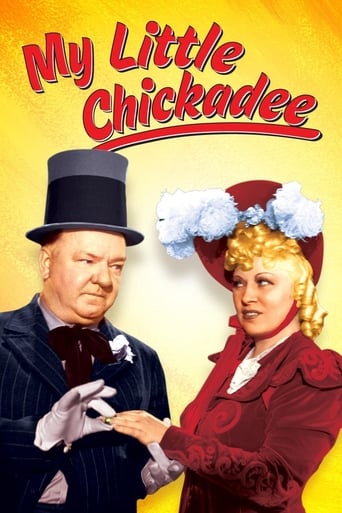 6.4
6.4On her way by stagecoach to visit relatives out west, Flower Belle Lee is held up by a masked bandit who also takes the coach's shipment of gold. When he abducts Flower Belle and they arrive in town, Flower Belle is suspected of being in collusion with the bandit.
My Little Chickadee
1940
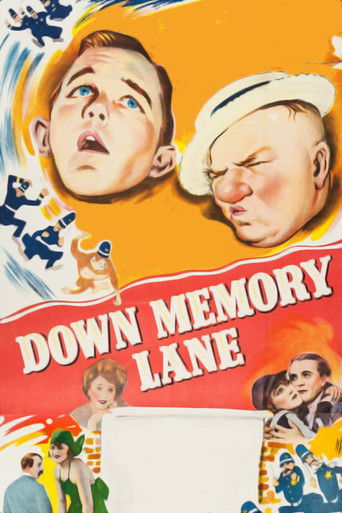 7.0
7.0This film is a compilation, with narration by Steve Allen, of comedies from the old Mack Sennett silent studio. Sennett, himself, appears in a cameo at the end of the film.
Down Memory Lane
1949
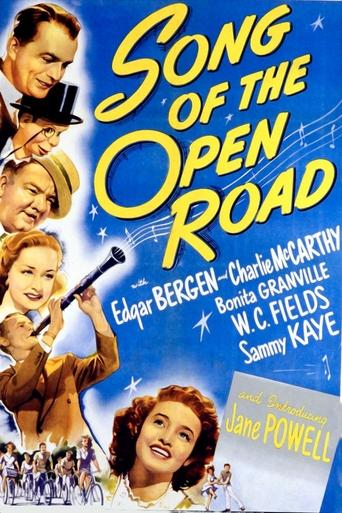 8.0
8.0A beautiful child star tires of life in the spotlight and so disguises herself and sneaks off to join a Civilian Conservation Corps camp to work with normal kids. It doesn't take her long to discover that being "normal" isn't easy as it looks. When a crop is in danger of being ruined because there are not enough people to harvest it, the girl employs some of her famous colleagues to lend a hand. Songs include: "Too Much in Love," "Here It Is Monday," "Delightfully Dangerous," "Hawaiian War Chant" and "Notre Dame."
Song of the Open Road
1944
1930s · 24 titles
6.1In Victorian England, a bored young girl dreams that she has entered a fantasy world called Wonderland, populated by even more fantastic characters.
Alice in Wonderland
1933
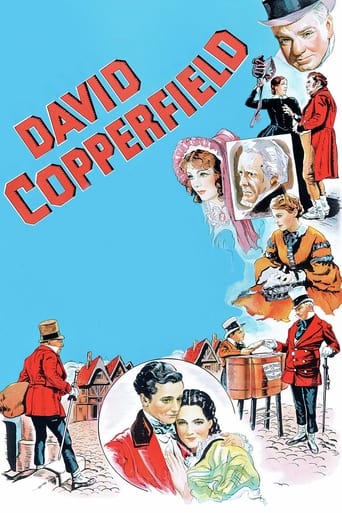 6.7
6.7A young man journeys from a difficult childhood to maturity, exploring social injustice, personal development, and the complexities of human relationships.
David Copperfield
1935
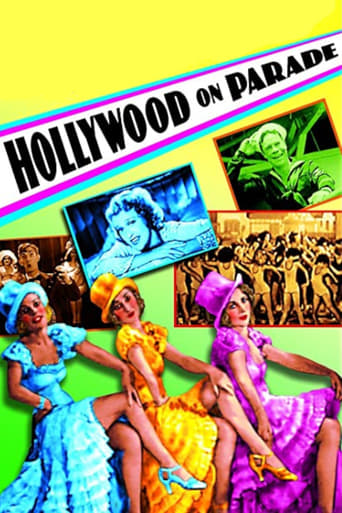 NR
NREssentially an advertisement for Murder at the Vanities (1934). Features Chico Marx, W.C. Fields, Duke Ellington and many others.
Hollywood on Parade No. B-10
1934
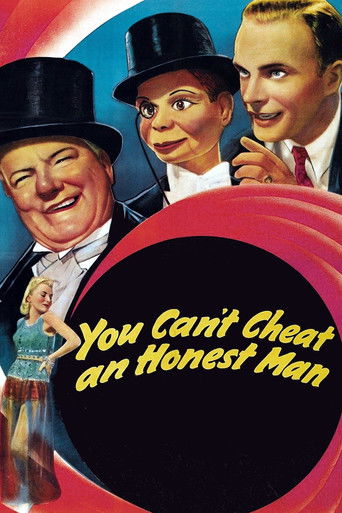 7.0
7.0Fields plays "Larsen E. Whipsnade", the owner of a shady carnival that is constantly on the run from the law. Whipsnade is struggling to keep a step ahead of foreclosure, and clearly not paying his performers, including Bergen and McCarthy, who try to coax money out of him, or in McCarthy's case, steal some outright.
You Can't Cheat an Honest Man
1939
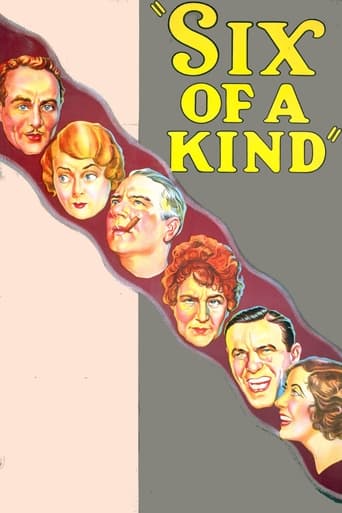 5.9
5.9The Whinneys share expenses for their trip to Hollywood with George and Gracie and their great Dane. A clerk in Whinney's bank has put fifty thousand dollars in a suitcase, hoping to rob Whinney on the road, but instead Whinney takes another road and is himself arrested in Nevada.
Six of a Kind
1934
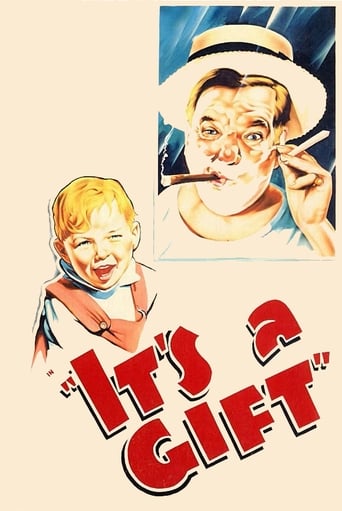 6.3
6.3After he inherits some money, Harold Bissonette ("pronounced bis-on-ay") decides to give up the grocery business, move to California and run an orange grove. Despite his family's objections and the news that the land he bought is worthless, Bissonette packs up and drives out to California with his nagging wife Amelia and children.
It's a Gift
1934
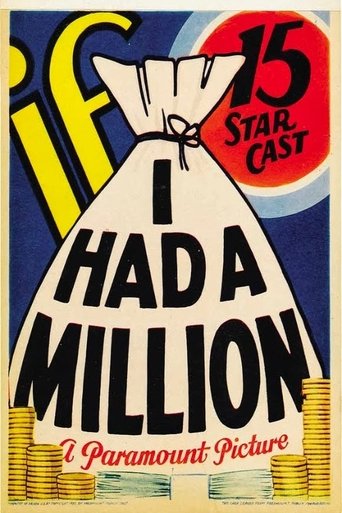 6.5
6.5An elderly business tycoon, believed to be dying, decides to give a million dollars each to eight strangers chosen at random from the phone directory.
If I Had a Million
1932
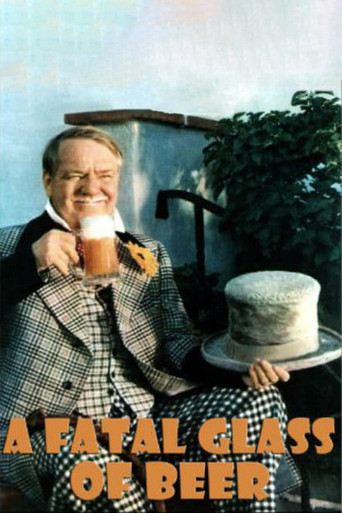 6.0
6.0The prodigal son of a Yukon prospector comes home on a night that "ain't fit for man nor beast."
The Fatal Glass of Beer
1933
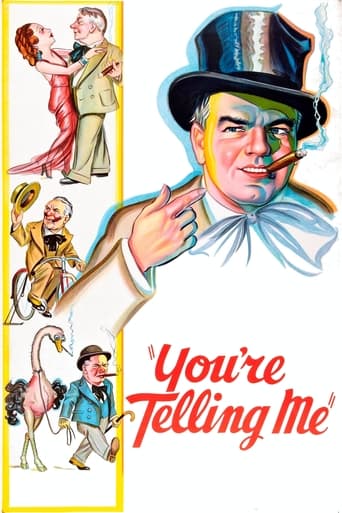 6.3
6.3Sam Bisbee is an inventor whose works (e.g., a keyhole finder for drunks) have brought him only poverty. His daughter is in love with the son of the town snob. Events conspire to ruin his bullet-proof tire just as success seems near. Another of his inventions prohibits him from committing suicide, so Sam decides to go on living.
You're Telling Me!
1934
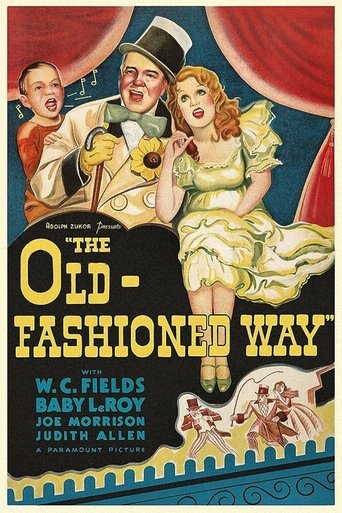 7.2
7.2The Great McGonigle and his troupe of third-rate vaudevillians manage to stay one step ahead of the bill collectors and the sheriff.
The Old-Fashioned Way
1934
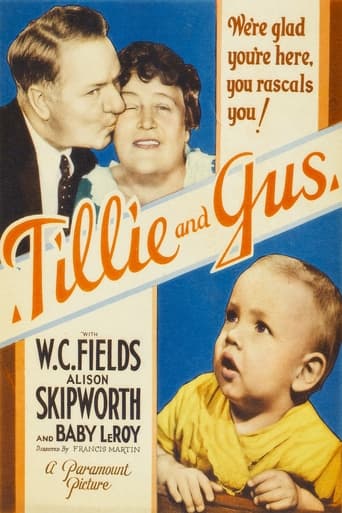 7.4
7.4Tillie and Augustus Winterbottom are thought to be missionaries when they arrive to find Phineas Pratt trying cheat the Sheridans out of her father's inheritance, including a ferry franchise and a boat. The only way to keep the franchise is to win a race against Pratt's boat.
Tillie and Gus
1933
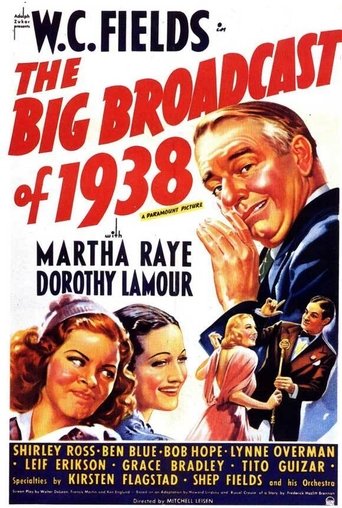 6.3
6.3The Bellows family causes comic confusion on an ocean liner, with time out for radio-style musical acts.
The Big Broadcast of 1938
1938
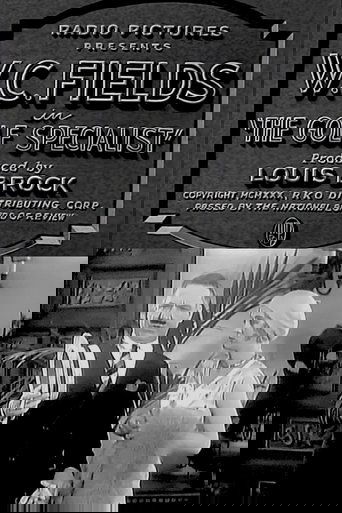 5.3
5.3At a Florida hotel, absconding miscreant J. Effingham Bellweather goes slapstick golfing with the house detective's flirtatious wife and an incompetent caddy.
The Golf Specialist
1930
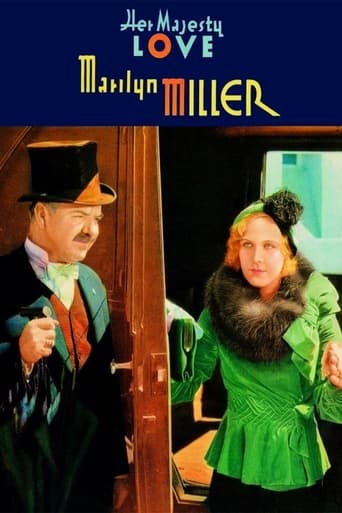 6.7
6.7The wealthy von Wellingens are shocked when the father of their son Fred's fiancée Lia juggles desserts at a formal dinner. They encourage Fred to break the engagement. Lia goes to Berlin to marry a Baron von Schwarzdorf, and Fred goes to stop the marriage.
Her Majesty, Love
1931
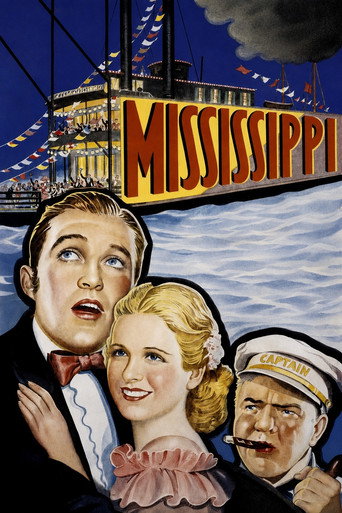 6.8
6.8A young pacifist, after refusing on principle to defend her sweetheart's honor and being banished in disgrace, joins a riverboat troupe as a singer, acquires a reputation as a crackshot after a saloon brawl in which the villain of the piece accidentally kills himself with his own gun, falls in love with his former fianceé's sister and finally bullies an apprehensive family into accepting him.
Mississippi
1935
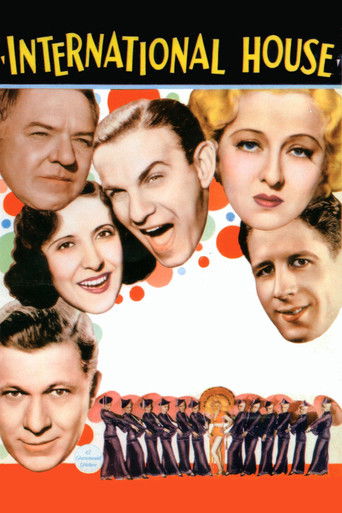 5.7
5.7Foreign investors converge on a luxury hotel in China to bid on a new kind of radioscope. But, this is a hotel where Burns and Allen are the in-house medical staff, a measles risk sends the whole building into quarantine, and a madcap millionaire crashes dinner in his autogyro. Hotel and radioscope become a stage for an all-star cast of comedians and musicians, from vaudeville to the new generation.
International House
1933
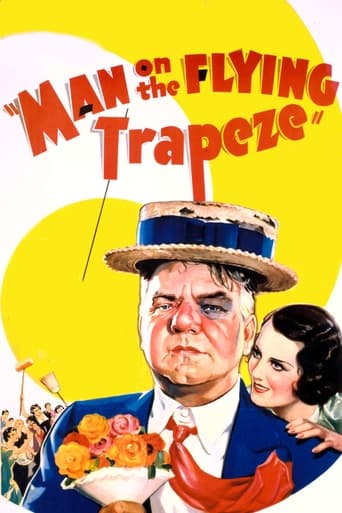 6.3
6.3Hard-working, henpecked Ambrose Ambrose Wolfinger takes off from work to go to a wrestling match with catastrophic consequences.
Man on the Flying Trapeze
1935
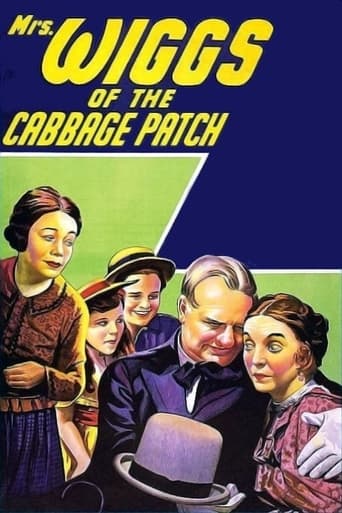 6.0
6.0The Wiggs family plan to celebrate Thanksgiving in their rundown shack with leftover stew, without Mr. Wiggs who wandered off long ago an has never been heard from. Do-gooder Miss Lucy brings them a real feast. Her boyfriend Bob arranges to take Wiggs' sick boy to a hospital. Their other boy makes some money peddling kindling and takes the family to a show. Mrs. Wiggs is called to the hopsital just in time to see her boy die. Her neighbor Miss Mazy wants to marry Mr. Stubbins who insists on tasting her cooking. Mrs. Wiggs sneaks her dishes past Stubbins who agrees to marriage. Mr. Wiggs appears suddenly, in tatters, with just the amount of money (twenty dollars) needed to save the family from foreclosure. Miss Lucy and Bob get married.
Mrs. Wiggs of the Cabbage Patch
1934
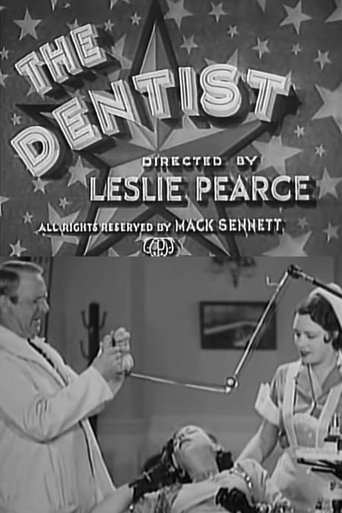 5.9
5.9An unconventional dentist deals with patients in slapstick fashion.
The Dentist
1932
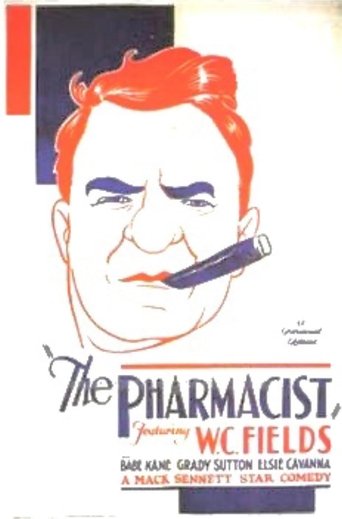 5.7
5.7A henpecked but stoic pharmacist tries to maintain his precarious balance while dealing with demanding customers and his dysfunctional family.
The Pharmacist
1933
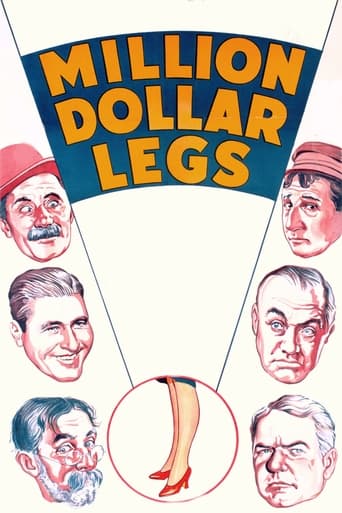 6.8
6.8A small country on the verge of bankruptcy is persuaded to enter the 1932 Los Angeles Olympics as a means of raising money.
Million Dollar Legs
1932
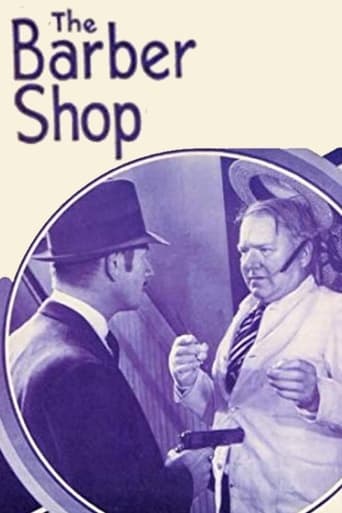 6.4
6.4An inept barber maintains his good-humored optimism in his small town shop despite having a hen-pecking harridan for a wife and a total lack of sartorial skill.
The Barber Shop
1933
Bobby Jones is playing golf with his buddies, oblivious to the fact that they are being watched by a drunken juggler.
How to Break 90 #3: Hip Action
1933
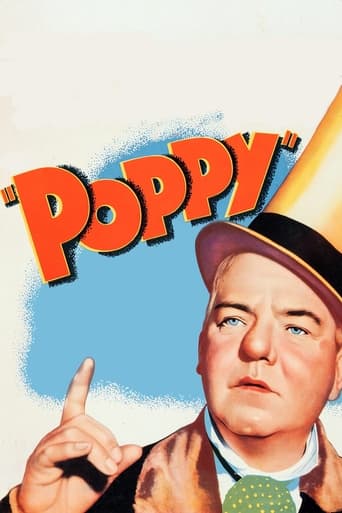 7.0
7.0Carny con artist and snake-oil salesman Eustace McGargle tries to stay one step ahead of the sheriff but is completely devoted to his beloved daughter Poppy.
Poppy
1936
1920s · 8 titles
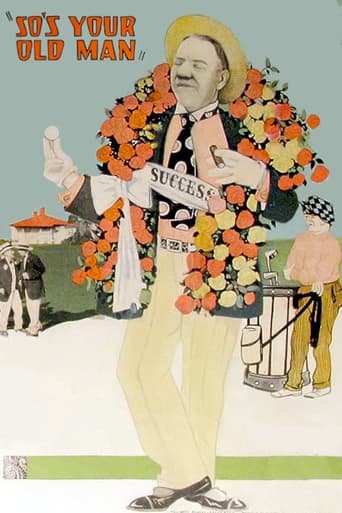 6.8
6.8Gregory La Cava directs this comedy of errors, starring W.C. Fields as a hen-pecked, inebriated inventor who triumphantly creates unbreakable windshield glass while struggling to gain the respect of his social-climbing daughter and nagging wife.
So's Your Old Man
1926
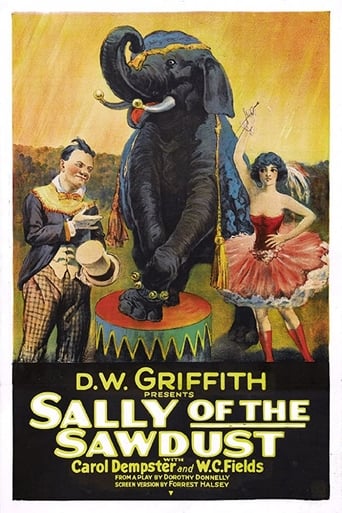 6.1
6.1Judge Henry L. Foster throws his daughter out as she's married a circus man. She leaves her baby girl with Professor Eustance McGargle before she dies. Years later, Sally is a dancer with whom Peyton, a son of Judge Foster's friend, falls in love.
Sally of the Sawdust
1925
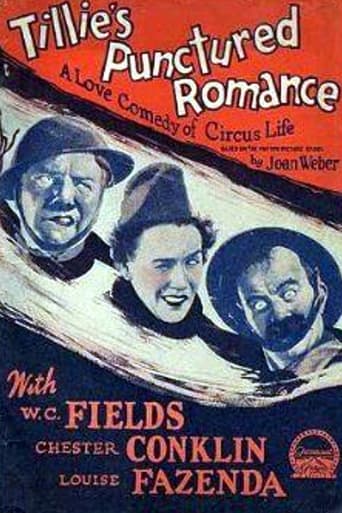 6.5
6.5The ring master is plotting to get the circus owner done away with in a lion cage so he can take over.
Tillie's Punctured Romance
1928
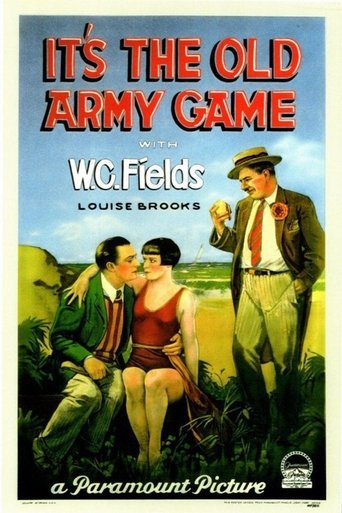 5.0
5.0Druggist Elmer Prettywillie is sleeping. A woman rings the night bell only to buy a two-cent stamp. Then garbage collectors waken him. Next it's firemen on a false alarm. And then a real fire.
It's the Old Army Game
1926
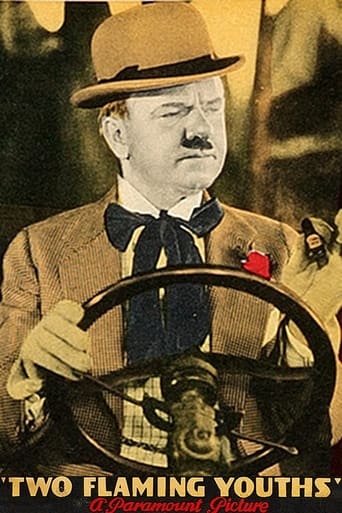 NR
NRSheriff Ben Holden is in love with hotel owner Madge Malarkey when down-and-out carnival man Gabby Gilfoil shows up hoping to take her for some money. Gilfoil is mistaken for the wanted man Slippery Sawtelle. Neither suitor gets Malarkey but manage to take her husband (wealthy Simeon Trott) for a bundle.
Two Flaming Youths
1927
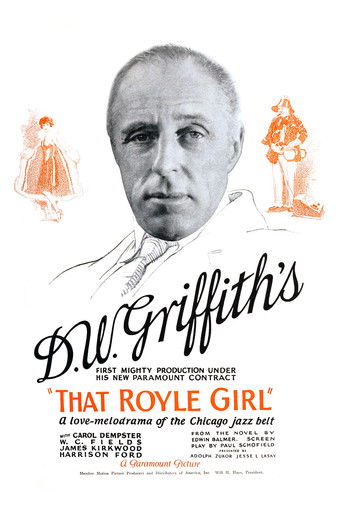 3.7
3.7A beautiful but naive model who came from the slums falls for the leader of a dance band. When the bandleader's estranged wife is murdered, he is arrested and convicted. The model believes that the real murderer is a gangster who was keeping the wife as his mistress.
That Royle Girl
1925
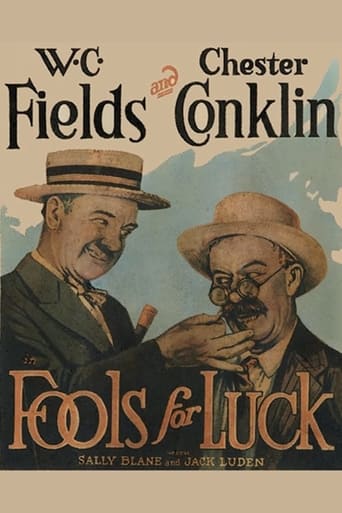 7.0
7.0Wealthy Sam Hunter is approached by scheming Richard Whitehead about investing in oil. There appears to be no oil, and everyone is angry until oil is re-discovered.
Fools for Luck
1928
 10.0
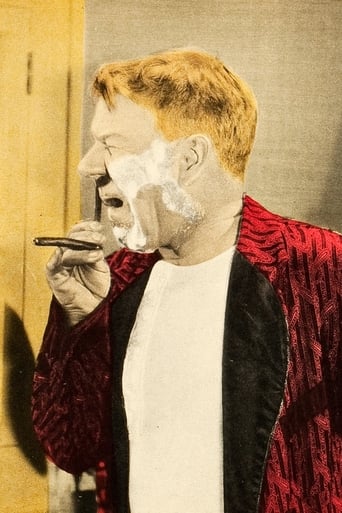
10.0Pa Potter invests four thousand dollars in worthless oil stock. Or is it worthless?
The Potters
1927
Series credits
Behind the camera
6.5Egbert Sousé becomes an unexpected hero when a bank robber falls over a bench he's occupying. Now considered brave, Egbert is given a job as a bank guard. Soon, he is approached by charlatan J. Frothingham Waterbury about buying shares in a mining company. Egbert persuades teller Og Oggilby to lend him bank money, to be returned when the scheme pays off. Unfortunately, bank inspector Snoopington then makes a surprise appearance.
The Bank Dick
1940
6.0The prodigal son of a Yukon prospector comes home on a night that "ain't fit for man nor beast."
The Fatal Glass of Beer
1933
6.4On her way by stagecoach to visit relatives out west, Flower Belle Lee is held up by a masked bandit who also takes the coach's shipment of gold. When he abducts Flower Belle and they arrive in town, Flower Belle is suspected of being in collusion with the bandit.
My Little Chickadee
1940
5.3At a Florida hotel, absconding miscreant J. Effingham Bellweather goes slapstick golfing with the house detective's flirtatious wife and an incompetent caddy.
The Golf Specialist
1930
5.9An unconventional dentist deals with patients in slapstick fashion.
The Dentist
1932
 5.2
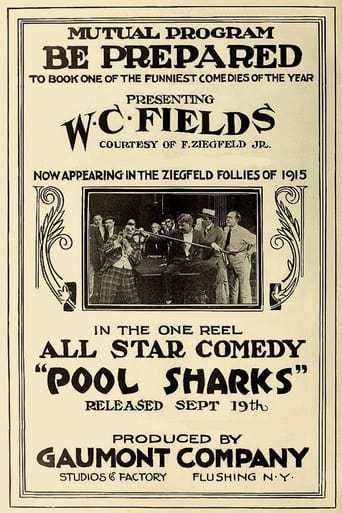
5.2Two romantic rivals play a game of pool for the hand of their lady love. W.C. Field's debut film.
Pool Sharks
1915
5.7A henpecked but stoic pharmacist tries to maintain his precarious balance while dealing with demanding customers and his dysfunctional family.
The Pharmacist
1933
6.4An inept barber maintains his good-humored optimism in his small town shop despite having a hen-pecking harridan for a wife and a total lack of sartorial skill.
The Barber Shop
1933