
Writing
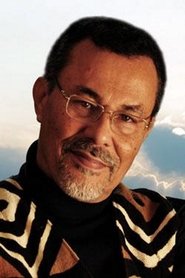
Bernard Nicolas
Known for
Writing
Credits
7 titles
Bernard Nicolas has written and directed a number of films, including documentaries and short videos. Born in Port-au-Prince, he and his family fled from the political situation in Haiti and immigrated to San Pedro, California. The political upheaval he sensed as a student led Nicolas to become co-National Coordinator of the National Association of Black Students. He obtained his B.A. in Economics at UCLA, where he also earned an M.F.A. in Film and Television Production. His works include social issue documentaries such as Boat People and Breast Cancer: A Village Dialogue. The latter film was selected as a finalist for the Beacon Award from the Cable TV Public Affairs Association. Nico…
Known for
 6.2
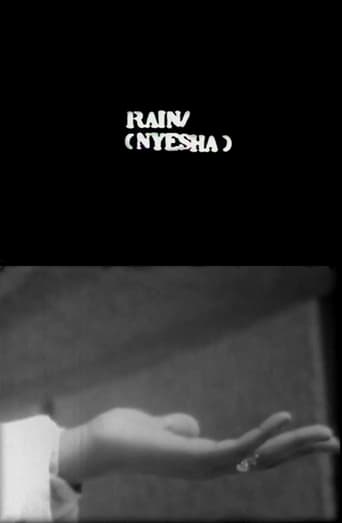
6.2Director Melvonna Ballenger’s Rain (Nyesha) shows how awareness can lead to a more fulfilling life. In the film, a female typist goes from apathetic to empowered through the help of a man giving out political fliers on the street. Using John Coltrane’s song “After the Rain,” Ballenger’s narration of the film meditates on rainy days and their impact. The rain in this short film doesn’t signify defeat, but offers renewal and “a chance to recollect, a cool out.”
Rain (Nyesha)
1978
 6.0
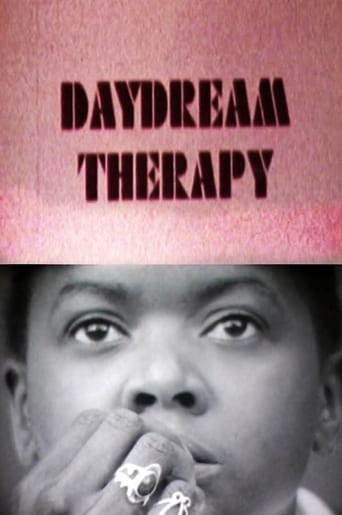
6.0Daydream Therapy is set to Nina Simone’s haunting rendition of “Pirate Jenny” and concludes with Archie Shepp’s “Things Have Got to Change.” Filmed in Burton Chace Park in Marina del Rey by activist-turned-filmmaker Bernard Nicolas as his first project at UCLA, this short film poetically envisions the fantasy life of a hotel worker whose daydreams provide an escape from workplace indignities. —Allyson Nadia Field
Daydream Therapy
1977
 NR
NRFilmed in response to the LAPD’s shooting of Eulia Love in 1979, Gidget Meets Hondo opens with stills taken by Bernard Nicolas of a demonstration against Love’s killing. Nicolas’ Gidget is a self-absorbed young white woman who remains clueless to the violence erupting around her, ultimately to her own peril. The film asks whether such police brutality would be tolerated if the victim were a middle-class white woman.
Gidget Meets Hondo
1980
After being jailed by the Macoutes for complaining about worker exploitation at the baseball factory where he worked, a Haitian man and his family attempts to escape to the United States. On the boat, they are forced into the ocean at gunpoint far from the Florida coast, causing the man’s wife and his infant son to drown. The man is saved by an elderly couple, once illegal immigrants themselves. The couple helps the man to bury his son at sea and to gain entry to the United States.
Boat People
—
Film credits
Behind the camera
6.0Daydream Therapy is set to Nina Simone’s haunting rendition of “Pirate Jenny” and concludes with Archie Shepp’s “Things Have Got to Change.” Filmed in Burton Chace Park in Marina del Rey by activist-turned-filmmaker Bernard Nicolas as his first project at UCLA, this short film poetically envisions the fantasy life of a hotel worker whose daydreams provide an escape from workplace indignities. —Allyson Nadia Field
Daydream Therapy
1977
6.0Daydream Therapy is set to Nina Simone’s haunting rendition of “Pirate Jenny” and concludes with Archie Shepp’s “Things Have Got to Change.” Filmed in Burton Chace Park in Marina del Rey by activist-turned-filmmaker Bernard Nicolas as his first project at UCLA, this short film poetically envisions the fantasy life of a hotel worker whose daydreams provide an escape from workplace indignities. —Allyson Nadia Field
Daydream Therapy
1977
6.0Daydream Therapy is set to Nina Simone’s haunting rendition of “Pirate Jenny” and concludes with Archie Shepp’s “Things Have Got to Change.” Filmed in Burton Chace Park in Marina del Rey by activist-turned-filmmaker Bernard Nicolas as his first project at UCLA, this short film poetically envisions the fantasy life of a hotel worker whose daydreams provide an escape from workplace indignities. —Allyson Nadia Field
Daydream Therapy
1977
NRFilmed in response to the LAPD’s shooting of Eulia Love in 1979, Gidget Meets Hondo opens with stills taken by Bernard Nicolas of a demonstration against Love’s killing. Nicolas’ Gidget is a self-absorbed young white woman who remains clueless to the violence erupting around her, ultimately to her own peril. The film asks whether such police brutality would be tolerated if the victim were a middle-class white woman.
Gidget Meets Hondo
1980
After being jailed by the Macoutes for complaining about worker exploitation at the baseball factory where he worked, a Haitian man and his family attempts to escape to the United States. On the boat, they are forced into the ocean at gunpoint far from the Florida coast, causing the man’s wife and his infant son to drown. The man is saved by an elderly couple, once illegal immigrants themselves. The couple helps the man to bury his son at sea and to gain entry to the United States.
Boat People
—